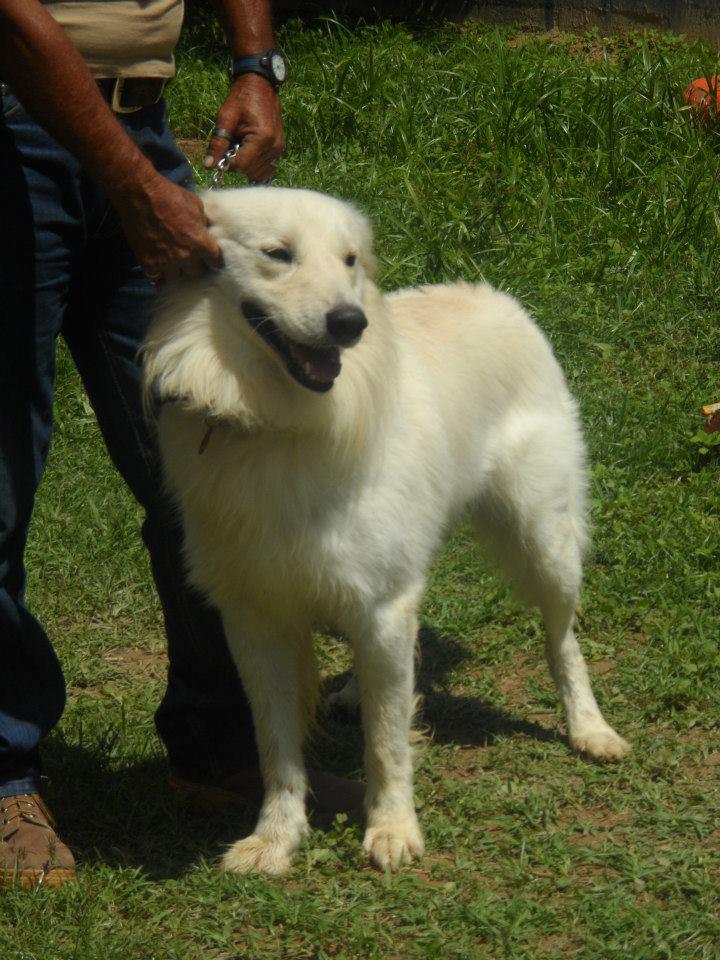
One of my lines of research in the area of psychology is dog-assisted therapy. Here I leave part of what canine therapy is. I hope you like it.
From the psychological point of view, dogs adopt an affective attitude and great attachment to the human being, without making value judgments, besides that they can be excellent guides and show behaviors associated with fidelity (Ob cit, 2009). Studies have shown that petting a dog regulates the values of blood pressure, respiration rate and heartbeat, encourages friendship between owners and the responsibility of caring for children (Alarcón, 2008). Oropeza believes that when dogs are introduced in nursing homes, they receive fewer visits from the doctor, but more from their families (2009).
In general terms, therapy dogs can help:
• Develop empathy: Patients tend to have greater facility to develop empathy towards the dog than towards the therapist, also facilitating the ability to communicate with the environment, thus improving the relationship with the same, since the dog acts as an initial bridge for the contact with others.
• Reduce resistance to therapy: The presence of dogs reduces the formality of the therapeutic environment, making it more relaxed, facilitating the emotional process of the patient.
• Disinhibiting people: People feel little or no social pressure when interacting with dogs due to the absence of value judgments from animals; which makes patients relax and disinhibited when interacting with dogs.
• Improve socialization: given the emotional state promoted by the presence of the dog, people manage to relate more harmoniously with their peers.

Canine therapy has become a modality that not only offers physical benefits, but also psychological and behavioral, thanks to an affective relationship that man has with the animal, in such a way that the introduction of animals into the therapeutic environment can provide a moderating element that contributes to the expected results (Fine, 2002, cp Moscoso, 2009).
Taken from my research work "Attachment Styles in Coaches of Therapy Dogs" Pérez, D and Pérez, O (2013)