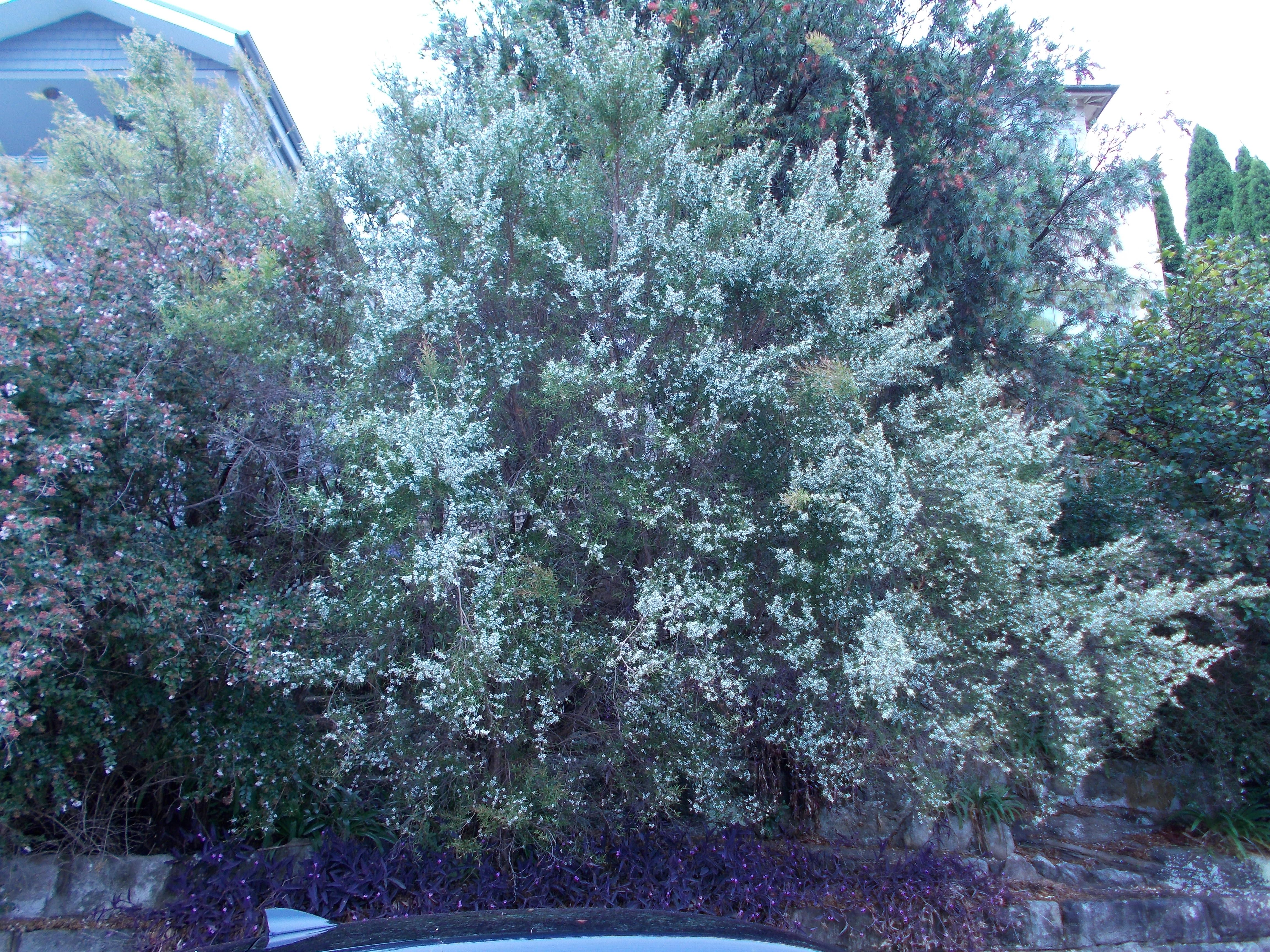
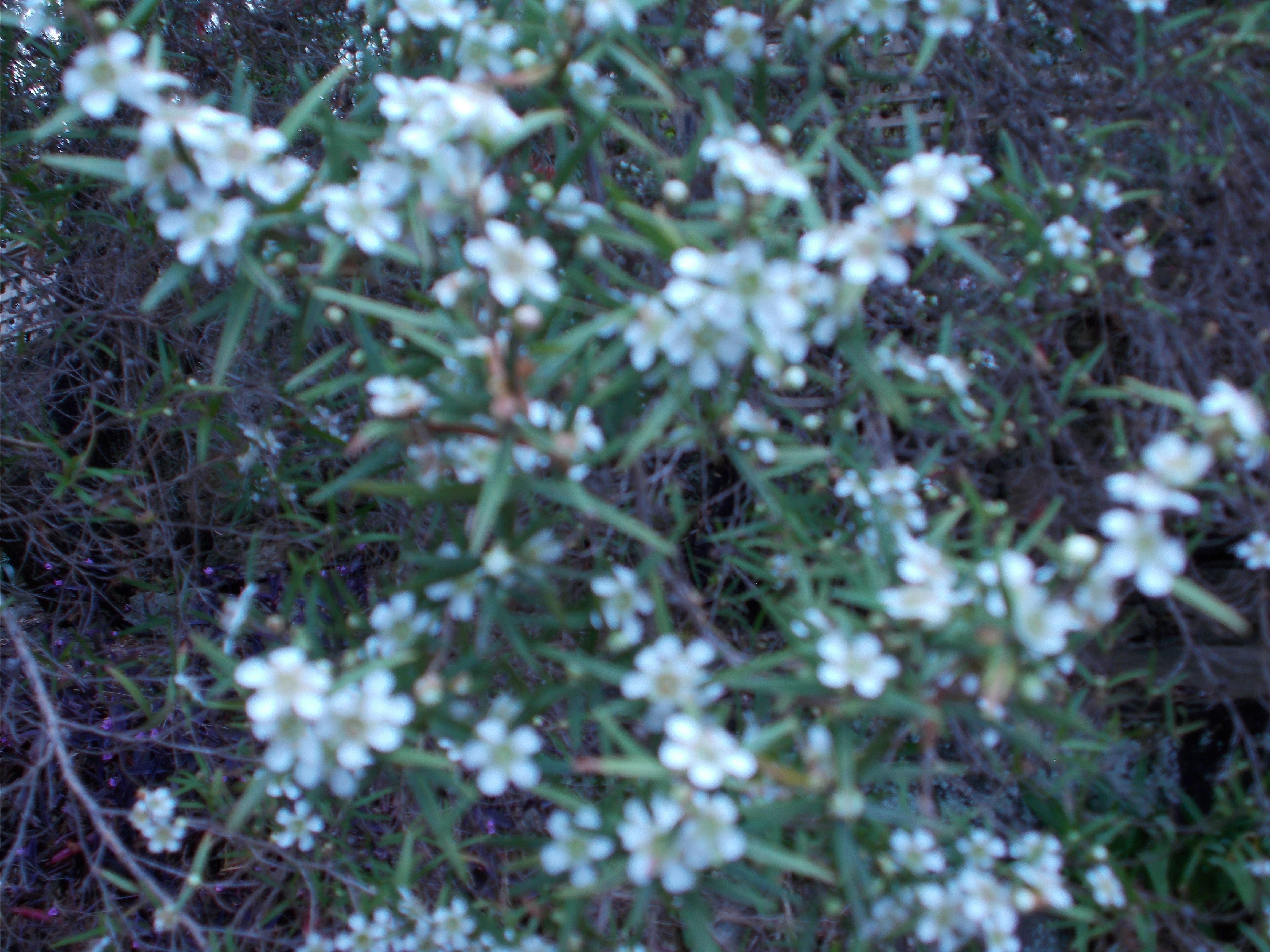
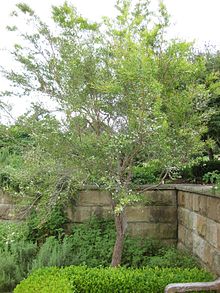
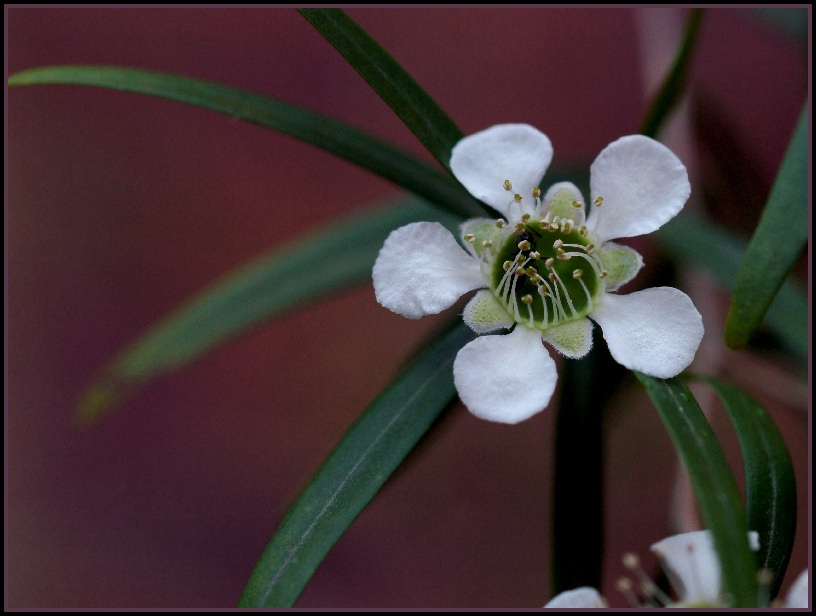
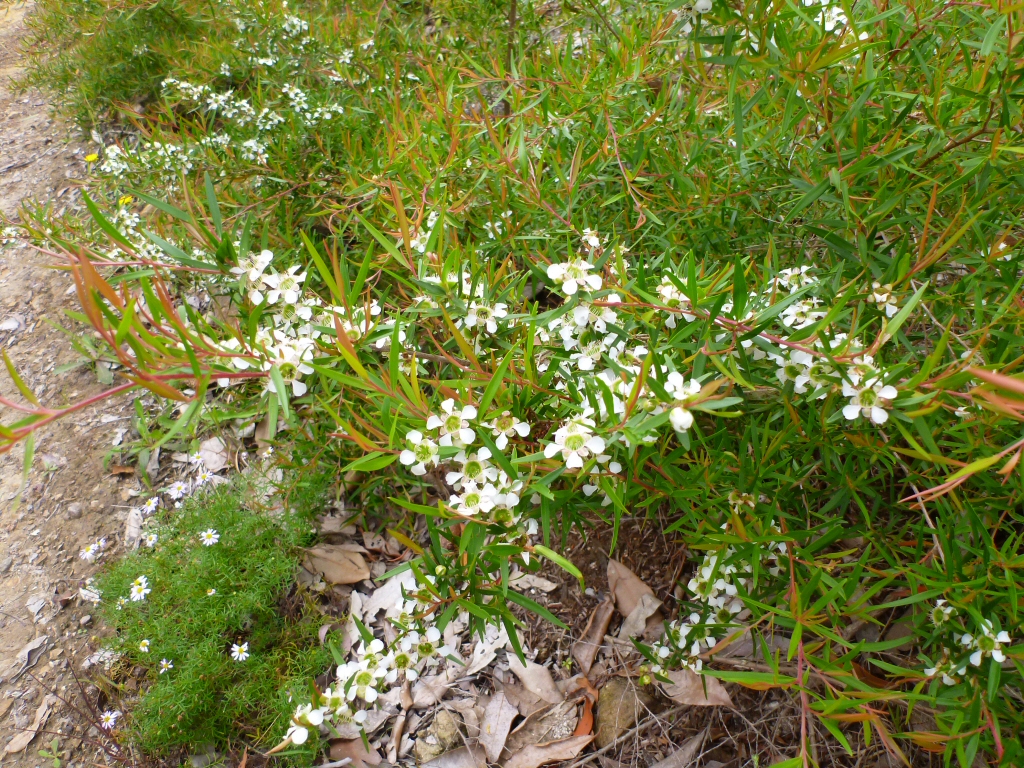
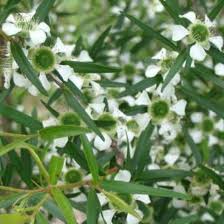
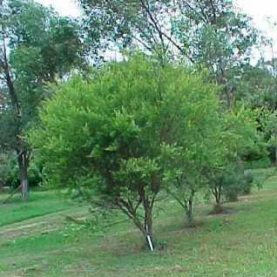
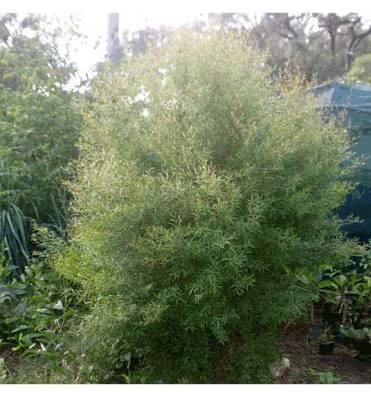
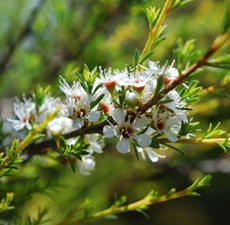
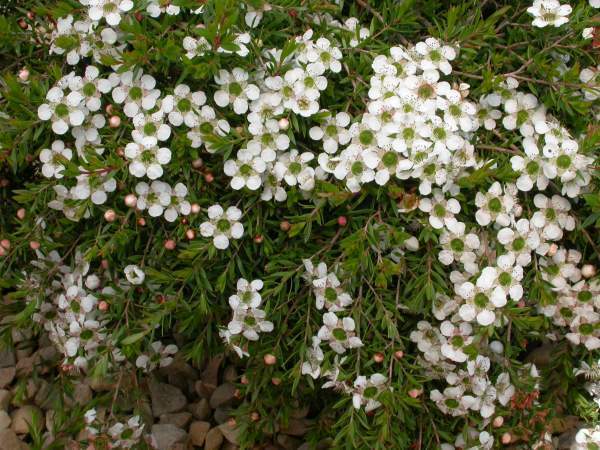
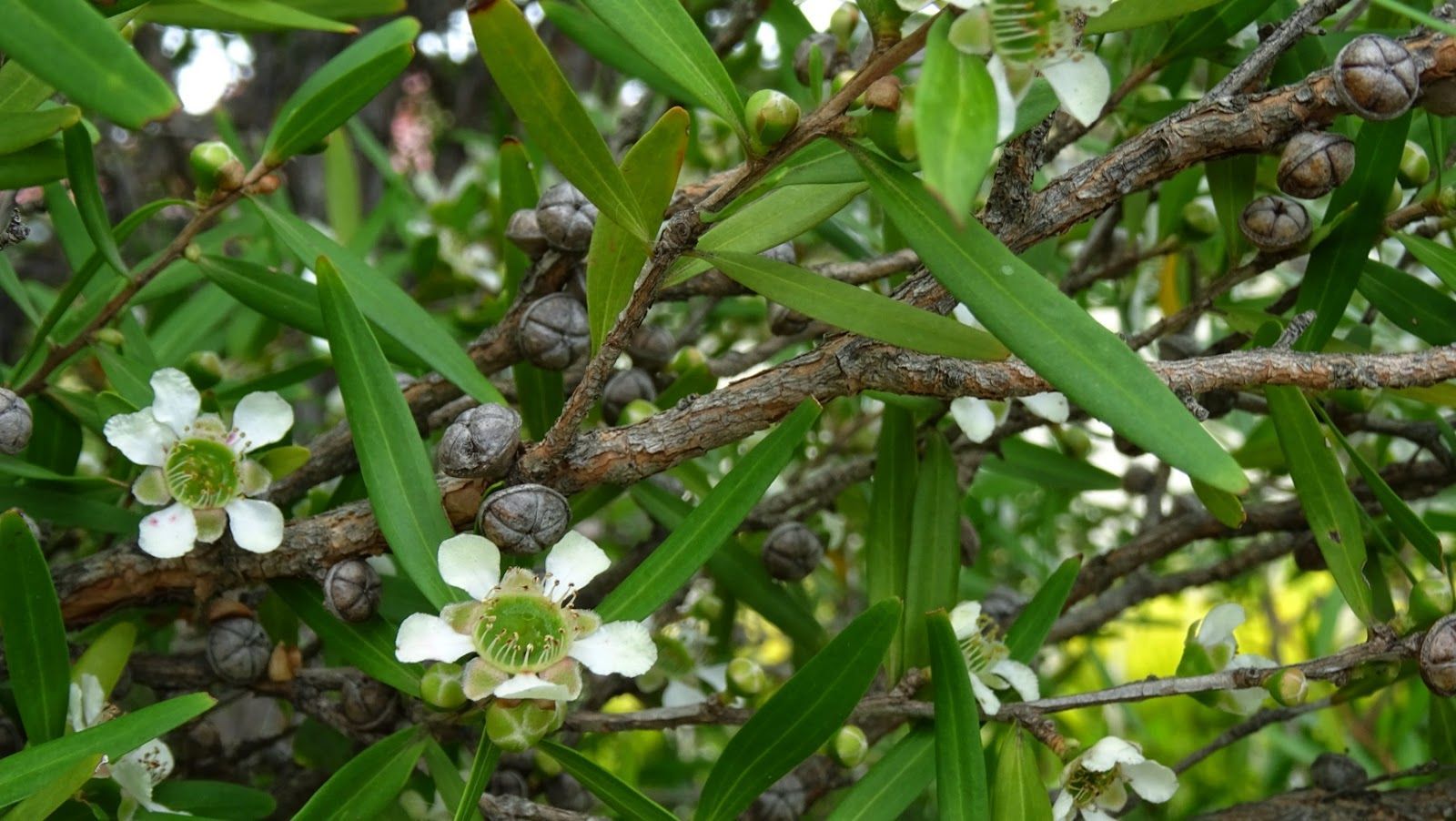
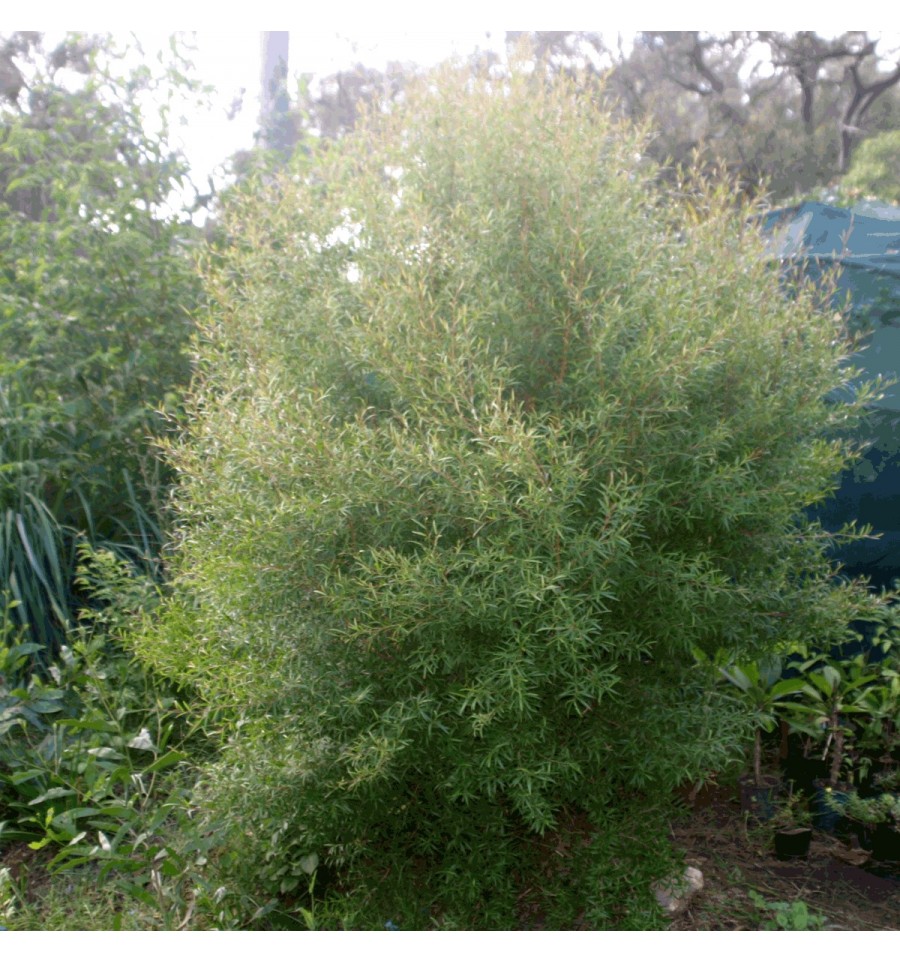
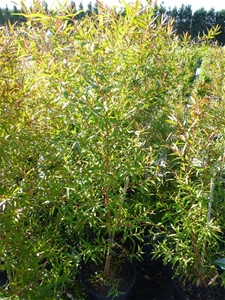
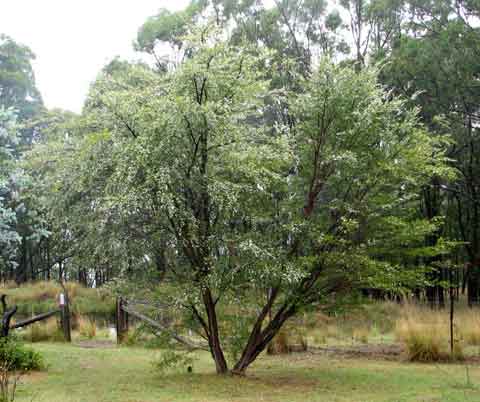
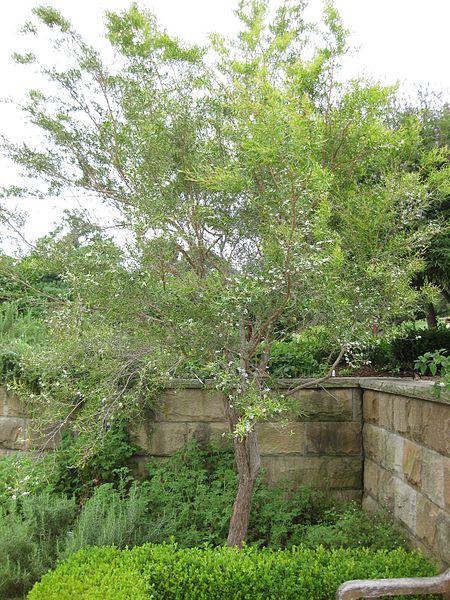
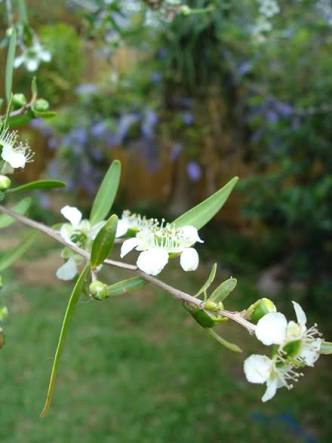
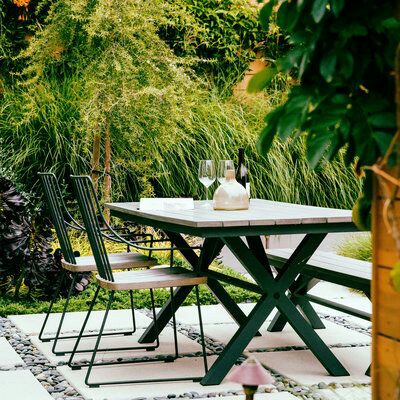
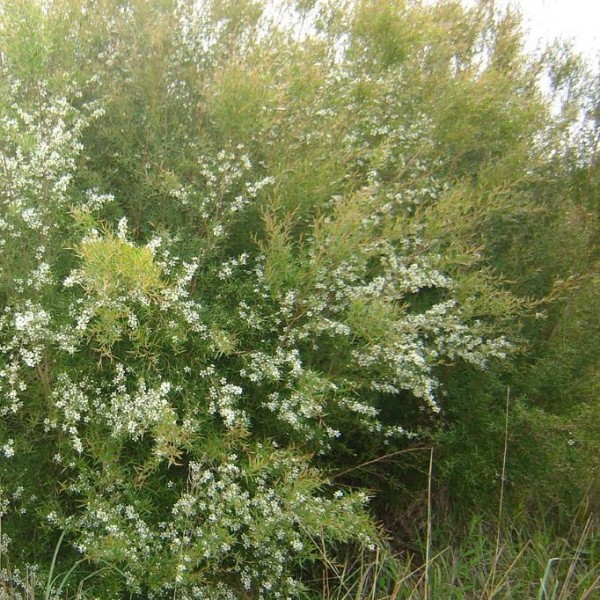
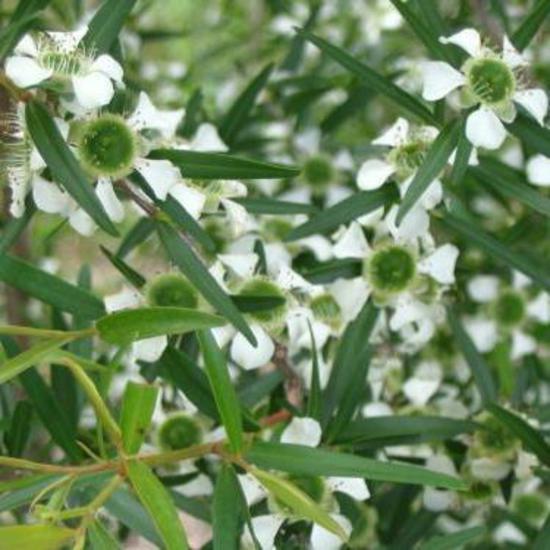
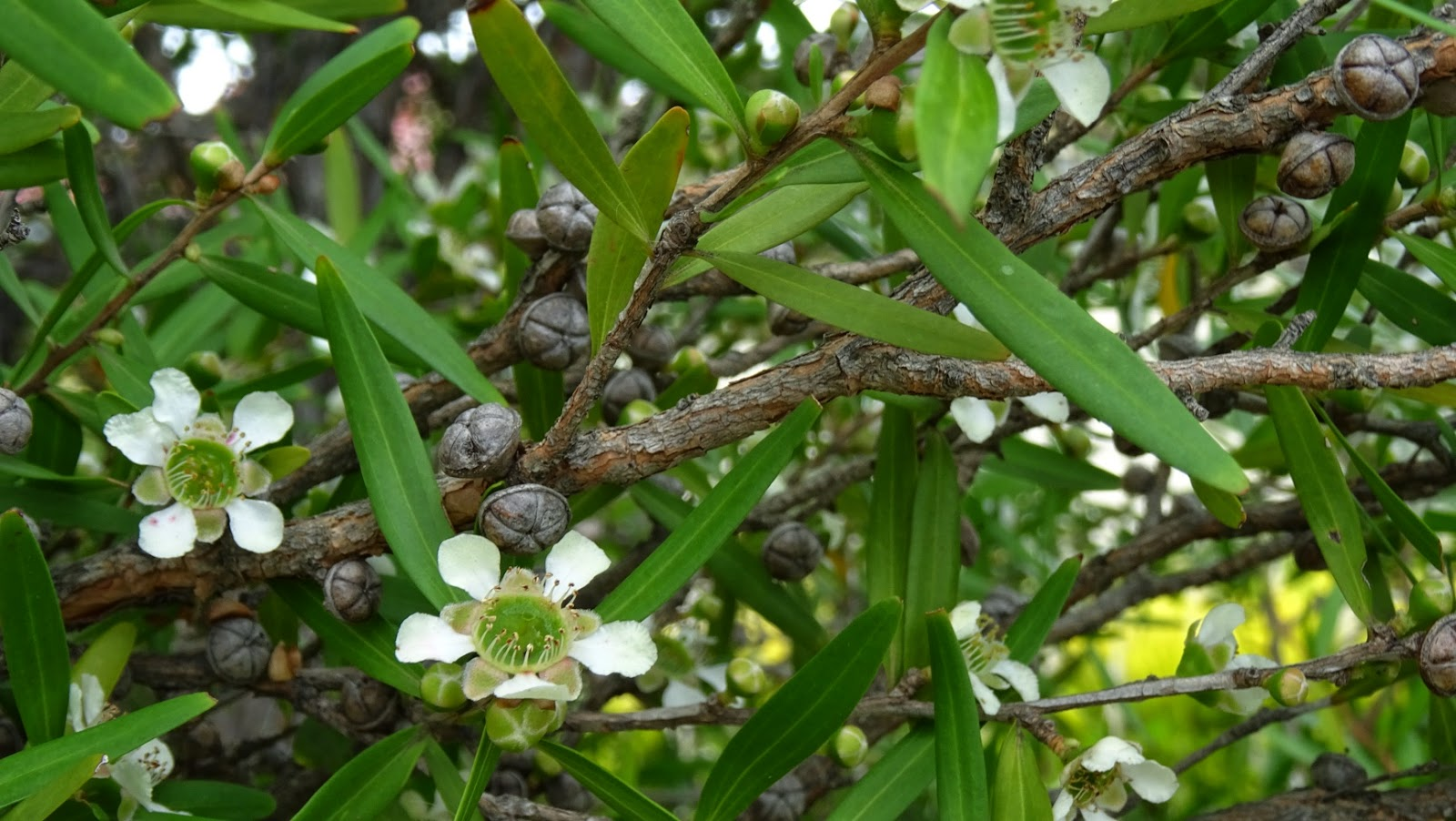
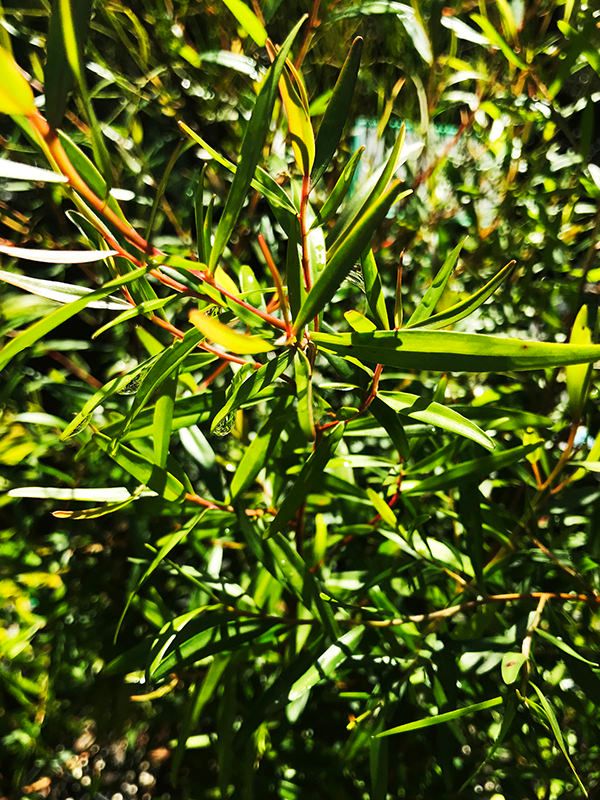
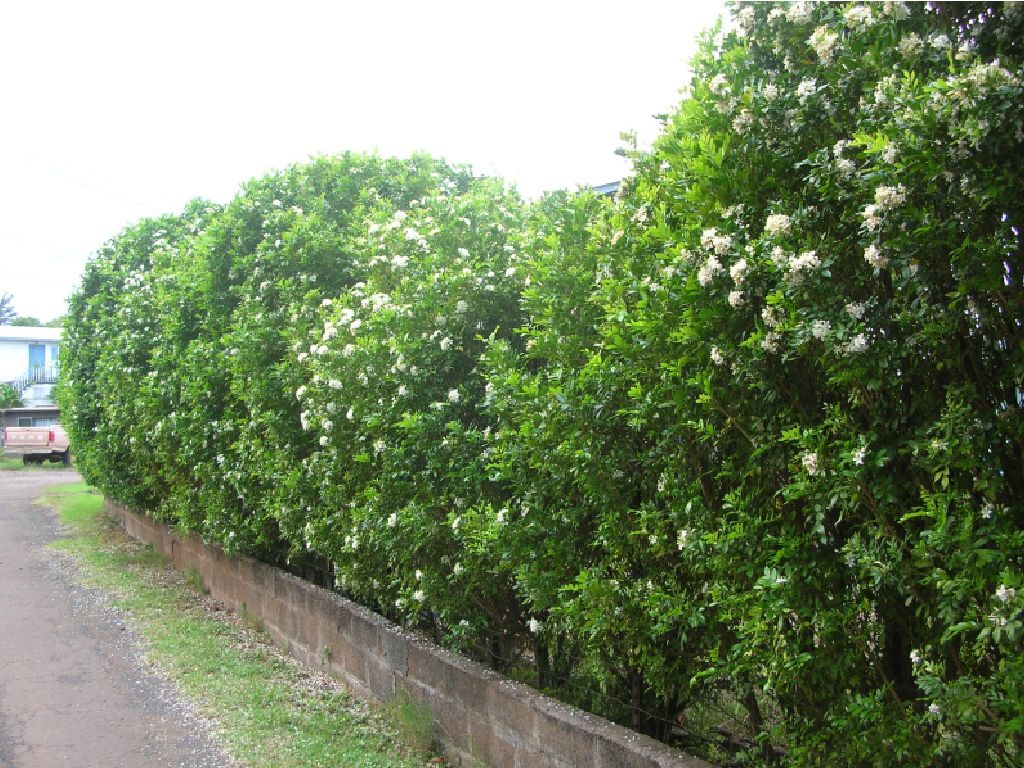
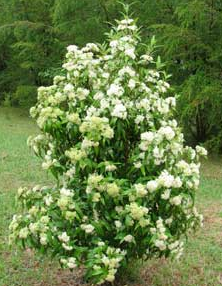
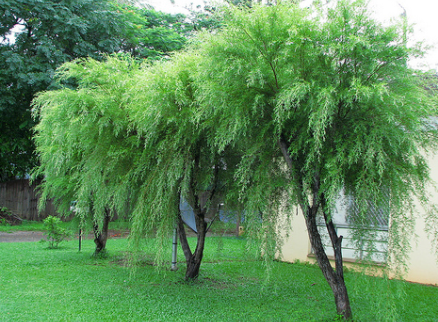
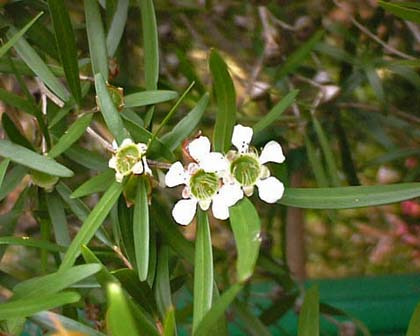
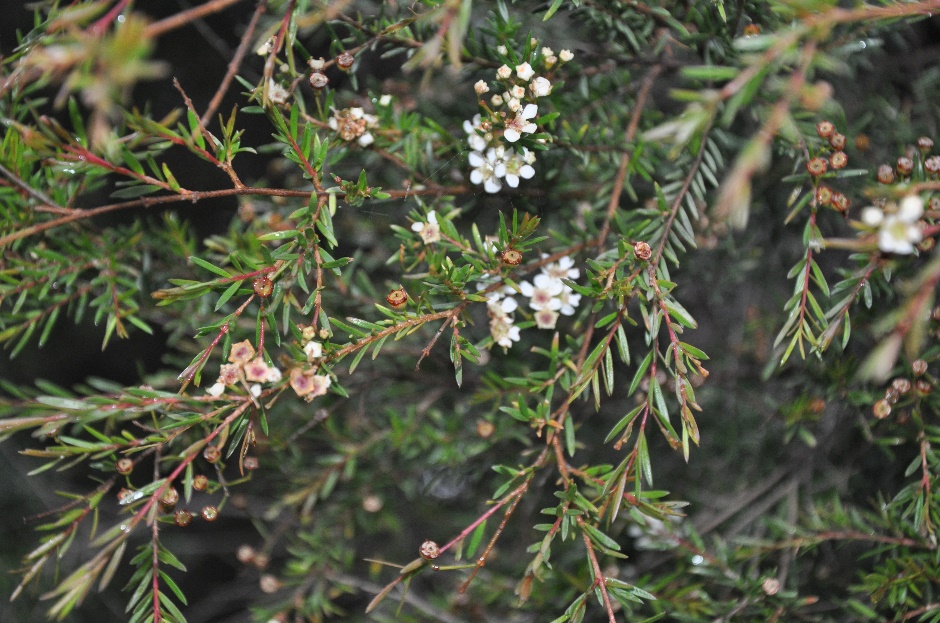
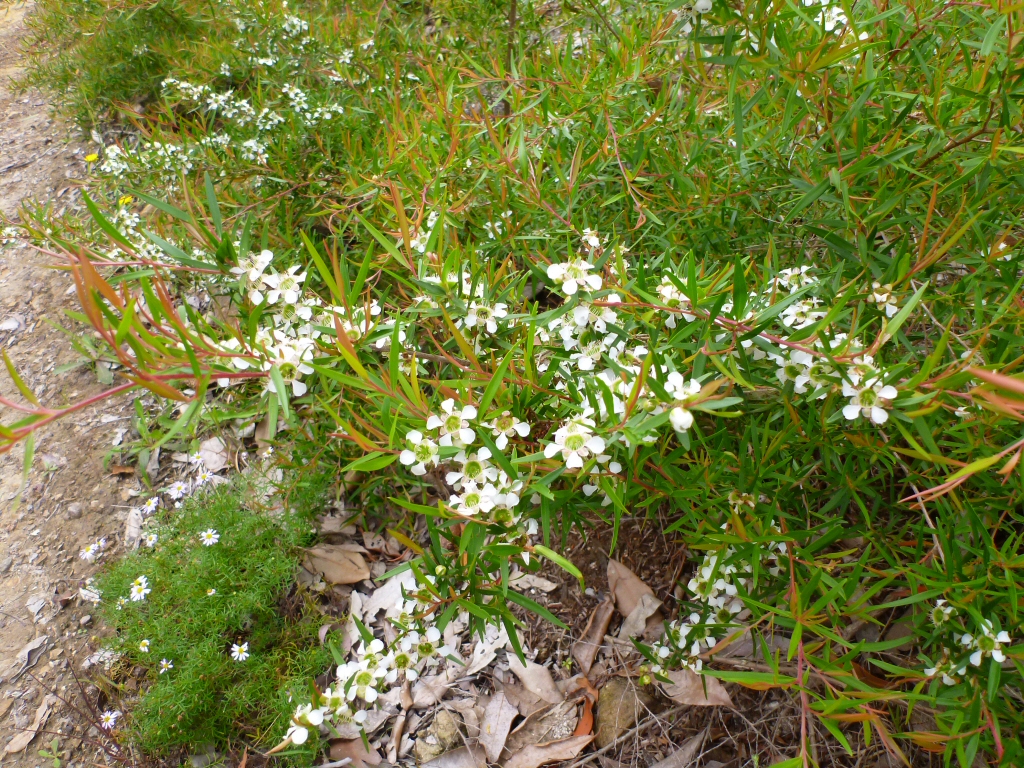
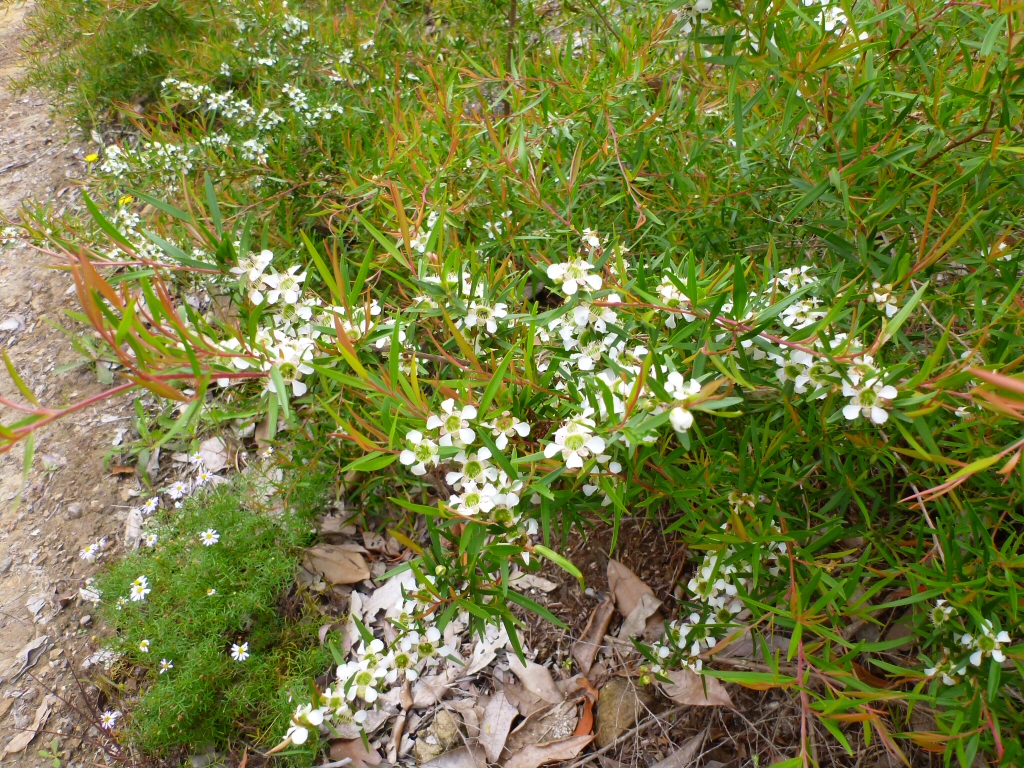
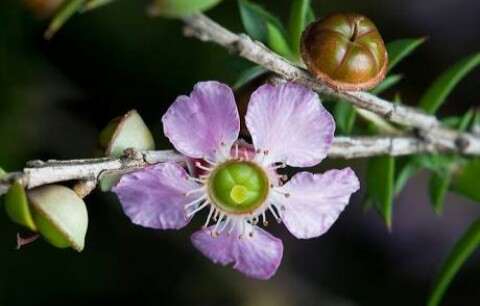
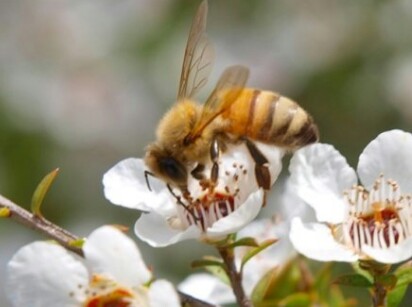
The lemon Scented Tea Tree ( Leptospermum petersonii ) is Australian Native which grows into a large shrub or small tree up to 5 metres high. It is fast growing and has masses of small white flowers , mainly in Autumn. Crush the leaves with your hand and a wonderful lemon aroma will excite your senses. Aromatic Essential oil can be extracted from the leaves . I have made a tea from the crushed leaves. Use this plant as a privacy screen plus it can also be used for coastal gardens and it will attract birds which fee on the nectar from the flowers. It will tolerate light frost and once established, it is drought hardy. There are many species of Leptospermum ,but this one is common in Sydney gardens. [IMAGE: https://steemitimages.com/DQmcg8BNFffrjHgmPFV4tTgxXqbbcpRSt9FMgwbTeeiuLsY/NEW%203%20012.JPG] [IMAGE: https://steemitimages.com/DQmauzmX2zWW8WF31yyA3b9QJtUr7T1cvZHmSGSPdrgGiXP/NEW%203%20013.JPG]
Lemon Scented Tea Tree - Aussie Native.
Replies
Wow @ctrl-alt-nwo how was the taste of the tea just after reading your post I'm excited to know the taste of the tea...... Please let me know waiting for your reply!!
It tastes like lemon !
really beautiful plants...👌
It is huge, will be great for a privacy screen. I've never seen this kind of thing here in Kashmir though..
Lemon flavor tea, sounds tasty
This is a nice tree let's find something for you
Leptospermum petersonii
Gardenology.org-IMG 2704 rbgs11jan.jpg
Scientific classification e
Kingdom: Plantae
Clade: Angiosperms
Clade: Eudicots
Clade: Rosids
Order: Myrtales
Family: Myrtaceae
Genus: Leptospermum
Species: L. petersonii
Binomial name
Leptospermum petersonii
Bailey
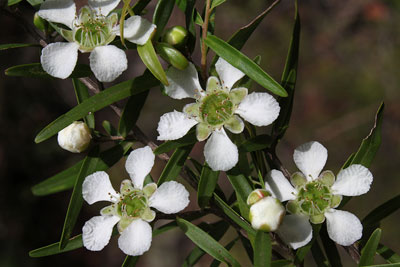
Leptospermum petersonii (or Leptospermum citratum), lemon-scented teatree is a tall shrub to small tree, growing to a maximum of 5 metres which is cultivated as an ornamental and for essential oils. It naturally occurs near sclerophyll forest or rainforest, on sandy or rocky escarpments, on the east coast of Australia. It has simple leaves, 20–40 mm long, with a distinctive lemony aroma. The flowers are white, followed by woody capsules.
The leaves are distilled commercially for the essential oil which contains citronellal, citral, and pinene. It is grown in plantations in Kenya, Zaire, South Africa, Guatemala and Australia.
The leaf of lemon-scented teatree is also used as a flavouring ingredient in boutique tea blends with standard black tea, Camellia sinensis.
The essential oil from L.petersonii inhibits the pathological fungi Candida albicans and Aspergillus fumigatus.[1]
It can be mistaken for Backhousia citriodora (lemon myrtle).[2]
Lemon-scented teatree is well known as a garden plant, popular for its scent and attractiveness. It is fast growing and can be kept to shrub height by pruning. The ability to be pruned regularly also makes it well-suited for hedges, windbreaks and harvesting for distilled essential oils.[3]
Leptospermum liversidgei is also called "lemon-scented teatree" due to the presence of lemony essential oils
All the information collected from wiki.Thanks for the post.
That is a cool tree i will find something for you
Leptospermum petersonii
Gardenology.org-IMG 2704 rbgs11jan.jpg
Scientific classification e
Kingdom: Plantae
Clade: Angiosperms
Clade: Eudicots
Clade: Rosids
Order: Myrtales
Family: Myrtaceae
Genus: Leptospermum
Species: L. petersonii
Binomial name
Leptospermum petersonii
Bailey[IMAGE: https://steemitimages.com/DQmX9YvAD7cYY6ZfZfqiAhuQBXjNt3Y6ewLdbZEN5S31YcF/download%20(1).jpg]
Leptospermum petersonii (or Leptospermum citratum), lemon-scented teatree is a tall shrub to small tree, growing to a maximum of 5 metres which is cultivated as an ornamental and for essential oils. It naturally occurs near sclerophyll forest or rainforest, on sandy or rocky escarpments, on the east coast of Australia. It has simple leaves, 20–40 mm long, with a distinctive lemony aroma. The flowers are white, followed by woody capsules.
The leaves are distilled commercially for the essential oil which contains citronellal, citral, and pinene. It is grown in plantations in Kenya, Zaire, South Africa, Guatemala and Australia.
.jpg)
The leaf of lemon-scented teatree is also used as a flavouring ingredient in boutique tea blends with standard black tea, Camellia sinensis.
The essential oil from L.petersonii inhibits the pathological fungi Candida albicans and Aspergillus fumigatus.[1]
Lemon-scented teatree is well known as a garden plant, popular for its scent and attractiveness. It is fast growing and can be kept to shrub height by pruning. The ability to be pruned regularly also makes it well-suited for hedges, windbreaks and harvesting for distilled essential oils.[3]
Leptospermum liversidgei is also called "lemon-scented teatree" due to the presence of lemony essential oils
Thanks for your post.I missed you you came here after a long time.All the info i collect from google,wikipidea
Nice photography and the way you expressed about the tea it made me curious to know more about it a kind of as i am fitness freak 8 wanted to know gains of during this and how it help me in daily routine..... Nice post @ctrl-alt-nwo keep making such interesting stuff
[IMAGE: https://steemitimages.com/DQmcfwxx51BzFhotgrMwTThFgdUYCSTgyn1mFmbjCSNWg14/LemST-75_thumbnail.jpg]
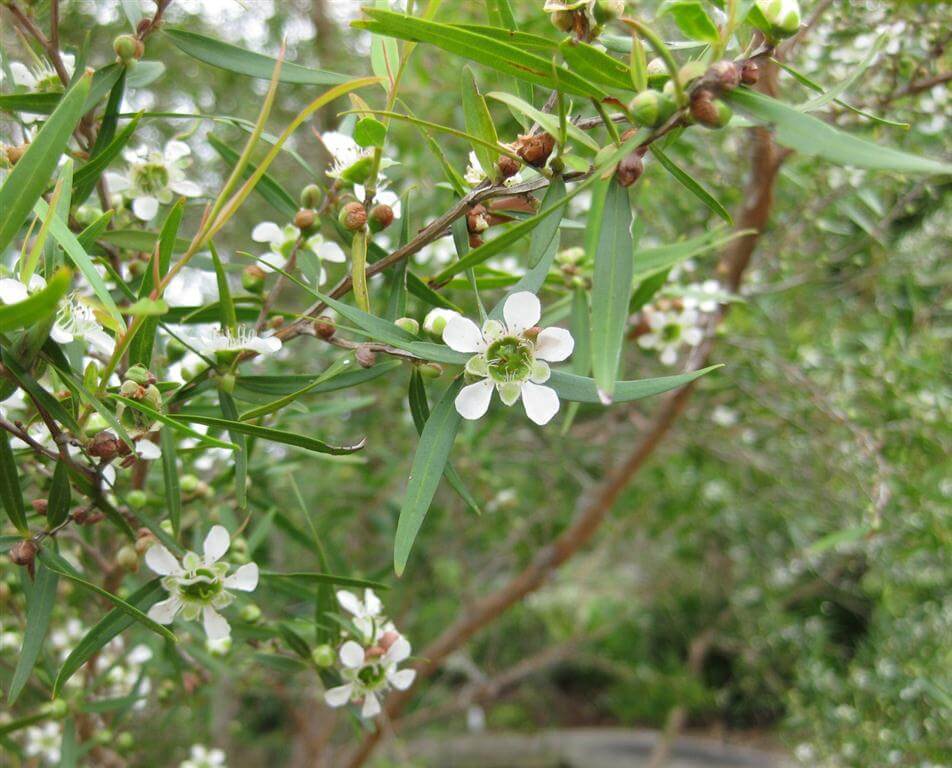
Thank you for giving very beautiful plant inroduction @ctrl-alt-nwo.Lemon tea tree is an evergreen shrub or a small tree growing up to 5 metres tall.The leaves are gathered from the wild for use as a tea and to extract an essential oil. The plant is sometimes grown as an ornamental. Found mainly in warm temperate to subtropical areas, the plant is also sometimes found in the tropics. Succeeds in almost any neutral or acid soil of good or reasonable quality, preferring a light sandy loam and full sun Prefers a position sheltered from hot or cold drying winds. Plants resent root disturbance and should be put out into their permanent. positions as soon as possible. Does not regenerate from old wood. Plants in this genus are notably resistant to honey fungus.
Details and images found from web.
You always find some uncommon tree now this time lemon Scented Tea Tree.Leptospermum petersonii
Gardenology.org-IMG 2704 rbgs11jan.jpg
Scientific classification e
Kingdom: Plantae
Clade: Angiosperms
Clade: Eudicots
Clade: Rosids
Order: Myrtales
Family: Myrtaceae
Genus: Leptospermum
Species: L. petersonii
Binomial name
Leptospermum petersonii
Bailey
Leptospermum petersonii (or Leptospermum citratum), lemon-scented teatree is a tall shrub to small tree, growing to a maximum of 5 metres which is cultivated as an ornamental and for essential oils. It naturally occurs near sclerophyll forest or rainforest, on sandy or rocky escarpments, on the east coast of Australia. It has simple leaves, 20–40 mm long, with a distinctive lemony aroma. The flowers are white, followed by woody capsules.
The leaves are distilled commercially for the essential oil which contains citronellal, citral, and pinene. It is grown in plantations in Kenya, Zaire, South Africa, Guatemala and Australia.
The leaf of lemon-scented teatree is also used as a flavouring ingredient in boutique tea blends with standard black tea, Camellia sinensis.
The essential oil from L.petersonii inhibits the pathological fungi Candida albicans[IMAGE: https://steemitimages.com/DQmXYYVtNkkEdJ1fVaB7sn5uJjwVjpnnqMHoTbheeGw4jbU/download.jpg]
ALL the information taken from wikipedia.
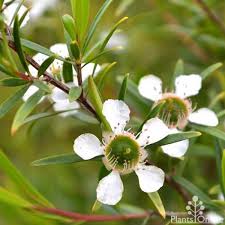
A beautiful Australian native tree with a shrubby habit.The new foliage is copper/bronze colour. It has many small white flowers that decorate the tree in early summer. The leaves when crushed have a beautiful citrus scent.
Family: Myrtaceae
Common Name: Lemon scented teatree
Mature Size (h x w): 5 x 3m
Form: Round
Genus: Leptospermum
Uses
Fantastic as a street tree because of its smaller growth and can also be used as an informal hedge because of its dense foliage. It also is a great bird attractant.
Position & Soil
Adaptable to most soils but prefers a well drained full sun position. Sites similar to coastal conditions are perfect. Its ideal for tough conditions ie. drought conditions or poor soil
Categories
Bird Attracting
These are tree selections with magnificent flowers and/or dense habitat for bird attraction.
Coastal
These trees are tolerant of the typically sandy conditions associated with living along the coast
Evergreen
This symbol denotes a tree that retains its leaves, therefore is green, all year round
Informal Screening
A tree for an informal screen is one which is tall enough to block views but is left to grow in its natural form. These trees offer a more casual look.
Native
This selection of trees are indigenous to Australia and unique to our climatic conditions. Most of the trees we grow are suitable for the south eastern parts of Australia.
Substitutes
[IMAGE: https://res.cloudinary.com/hpiynhbhq/image/upload/v1521084236/dg2ngalorveqbpwbe8zg.jpg]
Leptospermum laevigatum
This is a large, bushy shrub or can also grow into a low lying tree with twisted branches. The grey-green,…

[IMAGE: https://res.cloudinary.com/hpiynhbhq/image/upload/v1521084286/dszkonaqyxxctneebnhu.jpg]

Agonis flexuosa
An attractive medium sized tree with a pendular habit. It has clusters of small white flowers that grow on the…
[IMAGE: https://res.cloudinary.com/hpiynhbhq/image/upload/v1521084323/ua5y8wjispl0tsbbepez.jpg]

Leptospermum obovatum 'Starry Night'
A versatile, fast growing shrub with fine, deep purple foliage forming a graceful, weeping habit with it's purple-pink new growth.
[IMAGE: https://res.cloudinary.com/hpiynhbhq/image/upload/v1521084397/msalral947qdyflgd3pg.jpg]

Source: Google
@ctrl-alt-nwo,
I assure you this tree I have never seen in my country Sri Lanka! But I like it's shape and it's look! Feeling cool while watching it! Great photography and description about "Leptospermum Petersonii"!
Cheers~
Cheers~
Wooow a great introduction of Leptospermum petersonii plant Great information its good that you introduce new things in steem community
i appereciate your work keep it up a know a little bit about this plant
Lemon tea tree is an evergreen shrub or a small tree growing up to 5 metres tall.
The leaves are gathered from the wild for use as a tea and to extract an essential oil. The plant is sometimes grown as an ornamental
valueable post my friend nice to read it and know about a new plant i did not hear about this plant i just read it in your post or in comments you intro a new plant to mee thanks
This is really unique of the kind I've just been talking about and Oujda is producing healthy products which it's really very useful sir this is amazing
I was dazzled. @ctrl-alt-nwo
[IMAGE: https://steemitimages.com/DQma2UqstgqdjUjwRzaknPxgwMpQnVUXufTmsXXjomNYioZ/leptospermum-petersonii-lemon-scented-tea-tree-flower.jpg]
[IMAGE: https://steemitimages.com/DQmNTwqFCiPkQkRgXuYWbNbHZ1H5imd6T1tpimCfAk29Dy8/9021_1.jpg][IMAGE: https://steemitimages.com/DQmRn7Lp9kGVRGqYTg8xsyhHRbALx9MPRdLFVMzR5xa5SaM/6966535607_004448baee_b.jpg][IMAGE: https://steemitimages.com/DQmRp9BXVG6dtdiyw6MK7AZHukhwckUm6sR94jX8tkCYAr8/lemon-scented-teatree--leptospermum-petersonii.jpg]
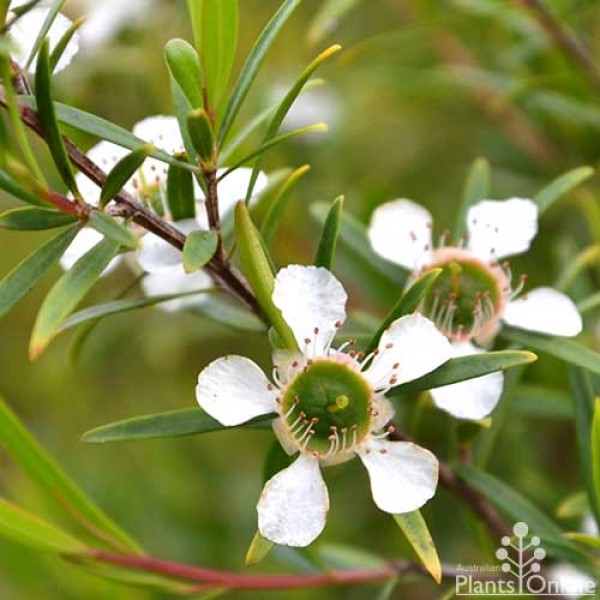
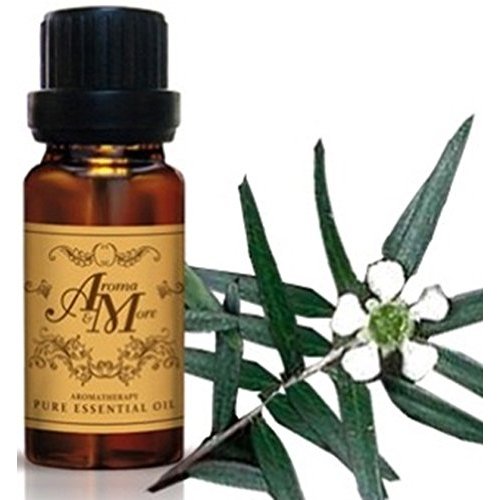
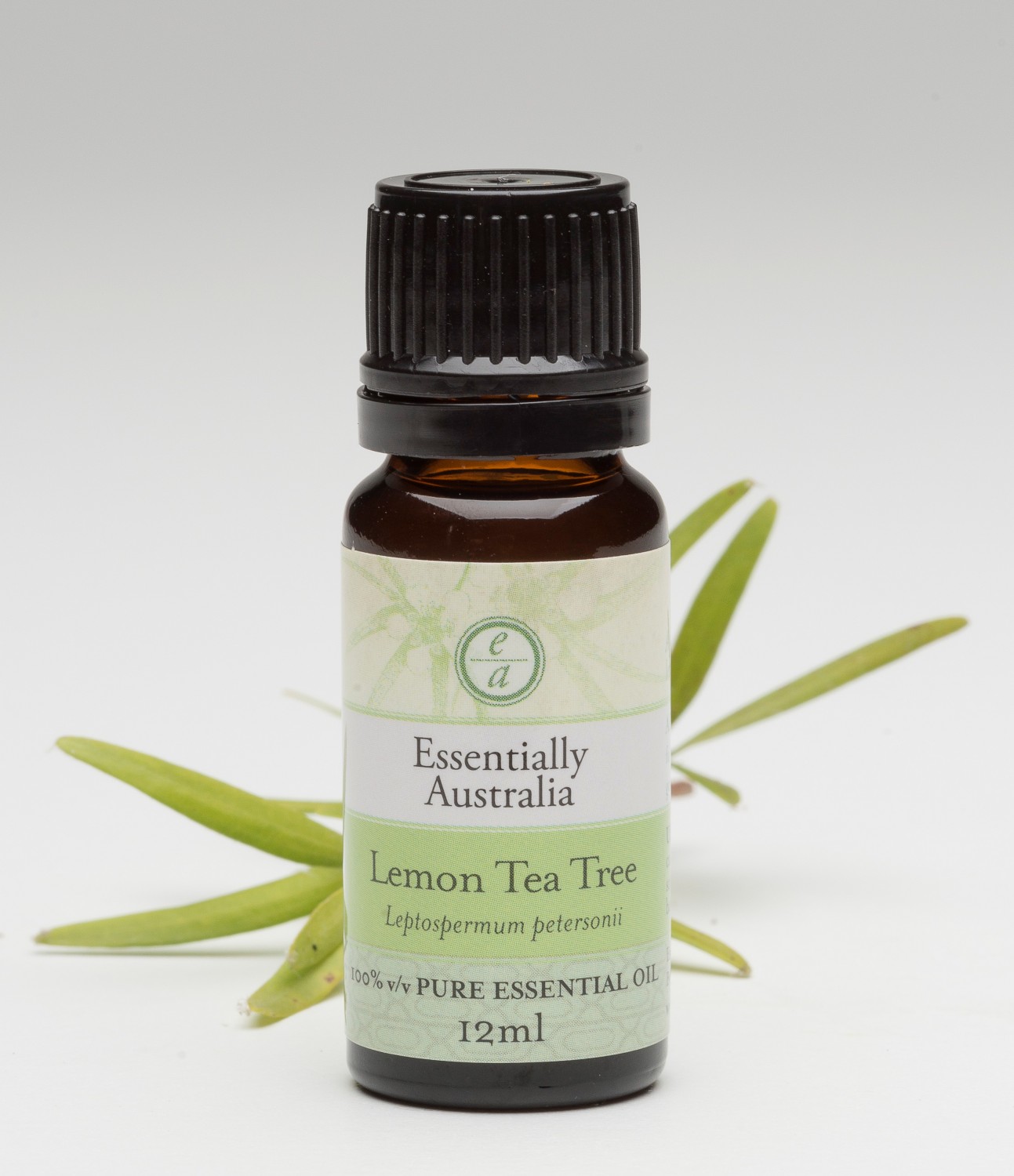
One product that is extracted from this supernatural tree
[IMAGE: https://steemitimages.com/DQmZpjw7k1ZnuEmV8EyHEGJxoZKjR97pZVXNbJ1EsmGhXoe/Tea-Tree-Lemon-Essential-Oil-100-Australia-Leptospermum-petersonii-Woody-Scent-100-ml-3-13-Fl-Oz-Premium-Grade-Beauty.jpg]
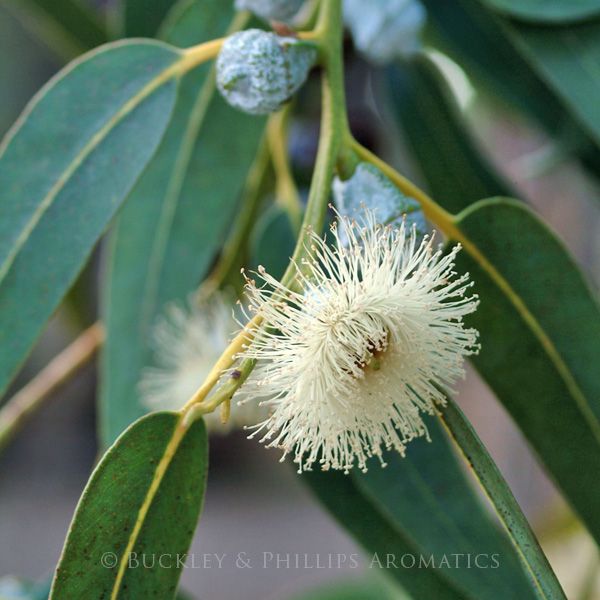
You were so dazzled that you made a sneeky pic of a Eucalyptus tree flower ( second pic)
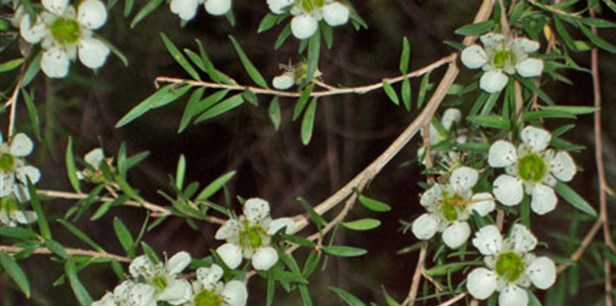
A beautiful Australian native tree with a shrubby habit.The new foliage is copper/bronze color. It has many small white flowers that decorate the tree in early summer. The leaves when crushed have a beautiful citrus scent.
[IMAGE: https://steemitimages.com/DQmTvBuHtUKtVmVgtD12ShFDkpkL6y7swouN2b4SYrx6k9H/images%20(1).jpg]
.jpg)
The soft, pendulous branches bear long, slender leaves that start coppery, then turn green.The small, white flowers are pretty but not very conspicuous and followed by woody capsules. Although they prefer full sun they will grow in part shade but will tend to have a more open habit. They will tolerate mild drought and marginal frosts. They are commonly seen in Australian gardens, either as an ornamental feature or as a screen or hedge. Their very fast growth making them ideal for quick screening in new housing areas.They also attract birds to your garden.Otherwise low maintenance ,apart from a trim now and again to keep it tidy and a light sprinkling of blood and bone (or a balance fertiliser for natives) once a year, in spring.
[IMAGE: https://steemitimages.com/DQmPBzCusx3b6XqyEtU2wwvYA69Mbk1MPUoLzkkHEE6q4FN/images.jpg]
An awesome presentation of Leptospermum petersonii plant Great data its great that you present new things in steem group
I appereciate your work keep it up a know a tad about this plant
Lemon tea tree is an evergreen bush or a little tree growing up to 5 meters tall.
The leaves are accumulated from the wild for use as a tea and to remove a fundamental oil. The plant is infrequently developed as a decorative
I guarantee you this tree I have never found in my nation Sri Lanka! In any case, I like it's shape and it's look! Feeling cool while watching it! Incredible photography and portrayal about "Leptospermum Petersonii. @ctrl-alt-nwo
Tea Tree Essential Oil Uses and Benefits for acne, mood, self-care, foot care, cleaning. Blend recipes. Safety tips. Use in soaps and lotions.
Lemon Scented Tea Tree Oil is considered to be an anti-bacterial, anti-fungal, anti-viral, and antiseptic. Applications include acne, hand wash, insect repellent, hair care, and a natural preservative.
[IMAGE: https://steemitimages.com/DQmeYSPxG2j6jfPy3PDrEVP7si6L8QW5byagi7gTCwxrCyZ/images%20(5).jpeg]
.jpeg)
[IMAGE: https://steemitimages.com/DQmX9j6WVKtToyAjMh3dtz8AXGq4zWvUqt2KafiazJvX9Ju/TeaTreeEO.jpg]
Lemon Scented Tea Tree Oil blends particular well with citrus oils and wood oils such as Cypress, Sandalwood, and Rosewood. One of the best blends is with medicinal oils, e.g. Tea Tree Oil, to mask their aroma.
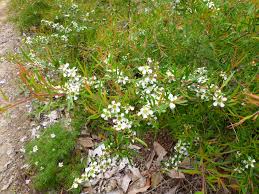
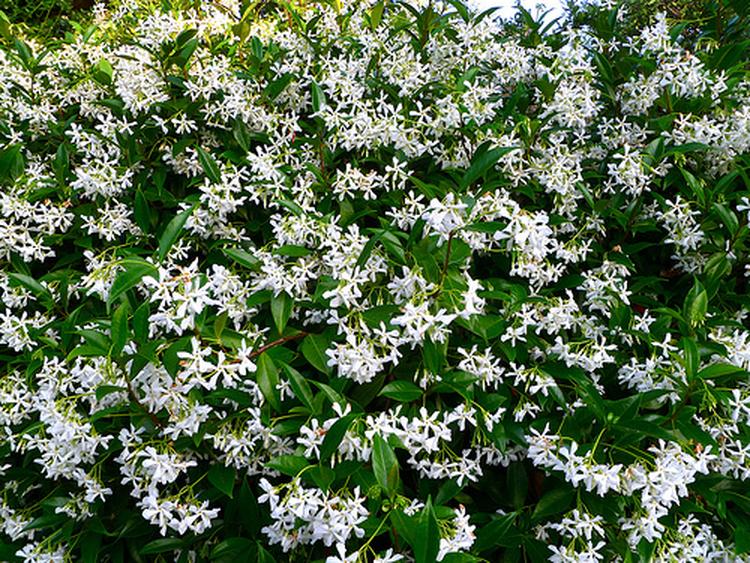
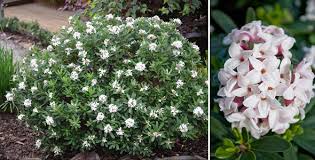
Second pic is Chinese Star Jasmine, wrong plant old son.
https://www.evergreengrowers.com.au/wp-content/uploads/images/plants/LemST-75_thumbnail.jpg
Leptospermum petersonii-Lemon scented tea-tree
DESCRIPTION: Small native tree with fine scented foliage and small white flowers along the young branches spring and summer. Establishes quickly making it ideal for new gardens.
USE IN: Native and coastal gardens as a feature or for light screening. Attracts birds and bees to the garden.
LOCATION: Sunny to part shade, suitable to exposed areas in most parts of Australia. Tolerates light frost and is drought resistant.
CARE: Mulch and water regularly until the plant is established, usually around 12 weeks. Prune as required to promote new growth and fertilise using a slow release native fertiliser yearly.
HEIGHT & WIDTH: 3-5 m H x 1-2 m W.
PLEASE NOTE: These are tube-stock plants, with the benefit of being a young plant they will establish quickly in your garden. The average size of your plants will be 15 -25 cm in height including the pot height of 80 mm x 42 mm wide.
[IMAGE: https://res.cloudinary.com/hpiynhbhq/image/upload/v1521085346/kk1rbfczrc4cunvbjtqj.jpg]
By Teo Spengler
The lemon cypress tree, also called Goldcrest after its cultivar, is a variety of Monterey cypress. It gets its common name from the powerful strong lemon scent that its branches exude if you brush against them or crush their foliage. You can start growing lemon cypress trees (Cupressus macrocarpa ‘Goldcrest’) indoors or outside. Lemon cypress care is not difficult if you know some basic rules.

Lemon Cypress Trees:
Lemon cypress trees come in two sizes: small and smaller. Grown outdoors in their natural habitat, the trees can grow to 16 feet tall. This is quite small for a cypress. The dwarf lemon cypress (Cupressus macrocarpa ‘Goldcrest Wilma’) is the better choice for a houseplant. This small tree usually does not grow taller than 3 feet, making it perfect for indoor containers. The tree has many admirers, thanks to its green-yellow needle-like foliage, conical growth pattern and bright fresh citrus smell. If you are thinking of growing lemon cypress, you’ll need to understand basic rules of lemon cypress care.
Lemon Cypress Care Outdoors:
In general, growing lemon cypress is not difficult. The trees require well-draining soil, but are not picky about whether it is loamy, sandy or chalky. They also accept acidic, neutral or alkaline soil. If you are growing lemon cypress in your backyard, you’ll need to learn about care for lemon cypress outdoors. They thrive in U.S. Department of Agriculture plant hardiness zones 7 through 10. Lemon cypress trees cannot survive shade, so you’ll need to plant your outdoor tree in a sunny spot. And don’t neglect irrigation, especially immediately after planting. During the tree’s first growing season, you’ll need to water twice a week. Watering is always an important part of care for lemon cypress outdoors. After the first year, water whenever the soil is dry. In spring, it’s time to feed the tree. Apply a standard, slow-release 20-20-20 fertilizer before new growth appears in the spring.
Lemon Cypress Houseplant Care:
If you decide to start growing lemon cypress trees indoors as houseplants, remember that they do best with cool indoor temperatures. Keep your thermostat in the low 60’s during winter. Perhaps the most difficult part of lemon cypress houseplant care is ensuring sufficient light. Select a window that provides good sunlight and turn the container regularly to give each side a turn. The houseplant requires 6 to 8 hours of direct sun. Don’t forget water – essential for lemon cypress houseplant care. They won’t forgive you if you don’t give them drenching once a week – you’ll see brown needles appear. Water whenever the soil is dry.
Lemon Cypress is not a Lemon Scented Tea Tree...
https://steemitimages.com/0x0/https://steemitimages.com/DQmauzmX2zWW8WF31yyA3b9QJtUr7T1cvZHmSGSPdrgGiXP/NEW%203%20013.JPG
This is great article and wonderful photography.
@ctrl-alt-nwo
Upvote Resteem
http://1.bp.blogspot.com/-gp7bis-y_us/VRQRQzBVyLI/AAAAAAAAi-Y/TjcPQYKfg68/s1600/Teatree%2B4.jpg
A beautiful Australian native tree with a shrubby habit.The new foliage is copper/bronze colour. It has many small white flowers that decorate the tree in early summer. The leaves when crushed have a beautiful citrus scent.
Uses
Fantastic as a street tree because of its smaller growth and can also be used as an informal hedge because of its dense foliage. It also is a great bird attractant.
Position & Soil
Adaptable to most soils but prefers a well drained full sun position. Sites similar to coastal conditions are perfect. Its ideal for tough conditions ie. drought conditions or poor soil
Categories
Bird Attracting
These are tree selections with magnificent flowers and/or dense habitat for bird attraction.
Coastal
These trees are tolerant of the typically sandy conditions associated with living along the coast.
Evergreen
This symbol denotes a tree that retains its leaves, therefore is green, all year round.
Informal Screening
A tree for an informal screen is one which is tall enough to block views but is left to grow in its natural form. These trees offer a more casual look.
Native
This selection of trees are indigenous to Australia and unique to our climatic conditions. Most of the trees we grow are suitable for the south eastern parts of Australia.
I never saw a Bonsai Tea tree before !
Fantastic garden and really look @ctrl-alt-nwo
Resteem
https://steemitimages.com/DQmcg8BNFffrjHgmPFV4tTgxXqbbcpRSt9FMgwbTeeiuLsY/NEW%203%20012.JPG
https://steemitimages.com/0x0/https://steemitimages.com/DQmauzmX2zWW8WF31yyA3b9QJtUr7T1cvZHmSGSPdrgGiXP/NEW%203%20013.JPG
That is a cool tree I will discover something for you
Leptospermum petersonii
Gardenology.org-IMG 2704 rbgs11jan.jpg
Logical arrangement e
Kingdom: Plantae
Clade: Angiosperms
Clade: Eudicots
Clade: Rosids
Request: Myrtales
Family: Myrtaceae
Sort: Leptospermum
Species: L. petersonii
Binomial name
Leptospermum petersonii
https://essentiallyaustralia.com.au/wp-content/uploads/2014/05/Lemon-Scented-Gum-Flowers.jpg
The pic is of a Eucalyptus tree, not a tea tree.
Lemon Scented Tea Tree Oil has all the highly effective antiseptic, anti-bacterial and anti-fungal properties associated with tea tree oil itself but with a tangy and refreshing lemon fragrance.
They do not actually come from the same plant; true tea tree oil is Melaleuca Alternifolia, whilst lemon scented tea tree oil is Leptospermum Petersonnii. Both are related and grow in the same part of the world, namely Australia and New Zealand but their oil contents are different:
Lemon tea tree contains Citral and Citronellal. Citral is a pale yellow liquid with strong lemon odour used in perfumes and flavourings. Citronellal is an aldehyde, also with distinctive lemon scent.
Thanks for the essential post sir @ctrl-alt-nwo [IMAGE: https://steemitimages.com/DQmdV8UpAVjBKbkKg7dBA87VnGkNN1TZaADdDaJwkLK9tvJ/U5dqoTN1gZaLKRKkorGzfacViB7MvLq_1680x8400.jpeg]
About Lemon-Scented Tea Tree Essential Oil
Our Lemon-Scented Tea Tree Essential Oil, with its extremely tangy and citronella-like profile, will surprise and delight. We reach for this oil particularly for use in formulations where the traditional "medicinal" aroma of tea tree would be better omitted.
[IMAGE: https://steemitimages.com/DQmNvwoFxz3WzbnFYjGJfUZL2knTYizveujFZZG2PT43f9x/lemon-scented-tea-tree.jpg]
While not a member of the Melaleuca genus and therefore technically not a true tea tree, this species of manuka oil has many of the same therapeutic benefits. It blends amazingly well with citrus and herbal oils such as rosemary and thyme. When added to one of our ultrasonic diffusers, a blend of this tea tree with geranium and lemon will provide hours of fresh, purifying air to the office or home. This oil is as purifying and cleansing as tea tree oil; it effectively supports wellness and is an excellent oil to employ during the winter season. Both regular and lemon-scented tea tree oils are important additions to your home medicine cabinet and first aid kit due to their fast and effective healing capabilities.[IMAGE: https://steemitimages.com/DQmYE8nXEwcAJeyKwwWX87BE9gSyrrftvafTBMfBdC4WR9h/imagehandler.jpg]
Like regular tea tree oil, this lemon-scented variety is also extremely effective as a bathroom and household cleanser. You can also use it to support skin health and balance, especially when used in ointments, salves and compresses.[IMAGE: https://steemitimages.com/DQmQjGLSD917pabgqyhu7UuUsGovKTmAKypyVz52hjkGRUr/lemon-tea-2.jpg]
Lemon-Scented Tea Tree Essential Oil Profile:
This unique organic oil from the pungent lemon-scented tea tree plant boasts the same wide use as more traditional medicinal tea tree oil. Grown on the coasts of South Africa, this pure tea tree is infused with the diversity of that enchanted landscape, having a refreshing, citronella-like fragrance. It mixes well with other tea tree essential oils and is effective in reducing their strongly medicinal aromas.[IMAGE: https://steemitimages.com/DQmYtHgLap2rxX9BS7HspCWHbWpRALL2Vsnxjs2hdYQzN4w/25243422.jpg]
@ctrl-alt-nwo, That's well introduction of beauty gardening post. This is a Australian native one. I added more information using google. Small tree 10-20' with fine, lime green scented foliage and white flowers in early summer. Hardy to most soils and situations. Tolerant of light frosts, extended dry periods and pruning. Great small tree for small gardens. Excellent screen, windbreak and hedge. Leaves and stems contain essential oils used in candle and soap making. Leaves can be used as a tea substitute.
[IMAGE: https://res.cloudinary.com/hpiynhbhq/image/upload/v1521086590/w9xtn1dpz43l7nw9fapc.jpg]

Seed - sow spring in a greenhouse and only just cover the seed. Prick out the seedlings into individual pots when they are large enough to handle and grow them on in the greenhouse for at least their first winter. Plant out in late spring or early summer, after the last expected frosts, and give some protection from the cold for their first winter or two outdoors. The seed remains viable for many years. Cuttings of half-ripe wood, 5 - 8 cm with a heel, early August in a frame. Over-winter in the greenhouse for its first year. Good percentage. Cuttings of almost mature wood, 4 - 5 cm with a heel, October/November in a frame. Good percentage.
[IMAGE: https://res.cloudinary.com/hpiynhbhq/image/upload/v1521086646/wx0mgxwrwbacvywejgiz.jpg]

Leptospermum petersonii is a rounded shrub with strongly scented leaves that can be used in cooking and to flavour tea. Masses of white flowers in spring and early summer. Suited to heavy soils on the coast or better soils inland. Fast growing screen and ornamental. Frost tender when young. Great for hedging, screening and scented gardens.
Leptospermum petersonii (or Leptospermum citratum), lemon-scented teatree is a tall shrub to small tree, growing to a maximum of 5 metres which is cultivated as an ornamental and for essential oils. It naturally occurs near sclerophyll forest or rainforest, on sandy or rocky escarpments, on the east coast of Australia. It has simple leaves, 20–40 mm long, with a distinctive lemony aroma. The flowers are white, followed by woody capsules.
[IMAGE: https://steemitimages.com/DQmZB4nokvEhy1tdKrABVEM7p1zC8JsESBST6pfQsSQrFKL/images%20(4).jpeg]
USES :
The leaves are distilled commercially for the essential oil which contains citronellal, citral, and pinene. It is grown in plantations in Kenya, Zaire, South Africa, Guatemala and Australia.
.jpeg)
The leaf of lemon-scented teatree is also used as a flavouring ingredient in boutique tea blends with standard black tea, Camellia sinensis.
The essential oil from L.petersonii inhibits the pathological fungi Candida albicans and Aspergillus fumigatus.
It can be mistaken for Backhousia citriodora
[IMAGE: https://steemitimages.com/DQmSRHfUfUrdNU9eMBwceEe8nN83j6nJBg58z4UGP9ujSvH/5a4e45ddc15fd4427eb0464cf99e9f4d.jpg]
Lemon-scented teatree is well known as a garden plant, popular for its scent and attractiveness. It is fast growing and can be kept to shrub height by pruning. The ability to be pruned regularly also makes it well-suited for hedges, windbreaks and harvesting for distilled essential oils.[IMAGE: https://steemitimages.com/DQmU1ZJQWMg5ATHbLFZw67rg461F19ntei7qR4azecPu3hS/images%20(2).jpeg]
Leptospermum liversidgei is also called "lemon-scented teatree" due to the presence of lemony essential oils.
Thanks man @ctrl-alt-nwo
.jpeg)
About Lemon-Scented Tea Tree Essential Oil
Our Lemon-
Scented Tea Tree Essential Oil, with its extremely tangy and citronella-like profile, will surprise and delight. We reach for this oil particularly for use in formulations where the traditional "medicinal" aroma of tea tree would be better omitted.
While not a member of the Melaleuca genus and therefore technically not a true tea tree, this species of manuka oil has many of the same therapeutic benefits. It blends amazingly well with citrus and herbal oils such as rosemary and thyme. When added to one of our ultrasonic diffusers, a blend of this tea tree with geranium and lemon will provide hours of fresh, purifying air to the office or home. This oil is as purifying and cleansing as tea tree oil; it effectively supports wellness and is an excellent oil to employ during the winter season. Both regular and lemon-scented tea tree oils are important additions to your home medicine cabinet and first aid kit due to their fast and effective healing capabilities. [IMAGE: https://img.esteem.ws/9haimpwjus.jpg]

Like regular tea tree oil, this lemon-scented variety is also extremely effective as a bathroom and household cleanser. You can also use it to support skin health and balance, especially when used in ointments, salves and compresses.
Lemon-Scented Tea Tree Essential Oil Profile;
This unique organic oil from the pungent lemon-scented tea tree plant boasts the same wide use as more traditional medicinal tea tree oil. Grown on the coasts of South Africa, this pure tea tree is infused with the diversity of that enchanted landscape, having a refreshing, citronella-like fragrance. It mixes well with other tea tree essential oils and is effective in reducing their strongly medicinal aromas. [IMAGE: https://img.esteem.ws/j6pbsa823o.jpg]

How to Use Lemon-Scented Tea Tree Essential Oil;
There are a wide variety of uses for tea tree oil, which is particularly excellent for bringing comfort in the challenging winter months.
Facial Steam: Add 1-5 drops to a bowl of steaming hot water, cover head and bowl with a towel and steam face. Excellent to open the breath and enhance skin health.
In the Diffuser: Diffuse tea tree alone or with eucalyptus and lavender as needed throughout the day, especially when the children have brought home runny noses from school. [IMAGE: https://img.esteem.ws/ce3mcez2rf.jpg]

Other ways to use Lemon-Scented Tea Tree Essential Oil;
As a Compress: To promote healthy skin tissue, use tea tree oil in a compress. Put 10 drops of tea tree oil in 4 oz of water, soak a cloth in the water and wrap on needed area.
Scalp Health: Tea tree essential oil has great benefits as a scalp cleanser. Pure tea tree oil can be irritating to the skin when applied directly, so add a few drops to your favorite shampoo. [IMAGE: https://img.esteem.ws/20ftffipaf.jpg]
Fresh Mouth: Diluted in water, pure and natural tea tree oil can be used as a mouthwash to enhance mouth health. Add 2 drops of tea tree essential oil in 2 oz of water and gargle.
Clean House: There are many uses of tea tree oil to enhance home cleanliness. The essential oil of tea tree can also be added to your household cleansers to amplify their purifying action or can be used directly for a more powerful effect.

Interesting Lemon-Scented Tea Tree Essential Oil Information;
Used in aboriginal Australian tribes for generations to boost immunity, tea tree oil has also been used commercially for over 100 years. Organic tea tree oil is one of the most extensively researched of all the essential oils.
Safety Considerations for Lemon-Scented Tea Tree Essential Oil;
Do not take tea tree oil internally. Do not apply directly to the eyes, lips or mucous membranes. Potential for Skin Irritation: Medium. Some people have no reaction to tea tree directly on the skin, while others have extreme reactions—please exercise caution. Pregnant women, nursing mothers and children should not use this product without first consulting a licensed healthcare practitioner.
source
I do have the lemon Scented Tea ....it is cool to have one ...it tastes good ..sharpens your senses makes you feel come alive....it is great to have lemon tea....i recommend all to have such tea... [IMAGE: https://img.esteem.ws/6mpvglqy5d.jpg]

You made me look out for this tree and i have searched little about it on the internet .
http://www.lgbotanicals.com/assets/images/Lemon-Tea-Tree-736.jpg
https://www.stillpointaromatics.com/image/cache/data/lemon-tea-tree-crop-277x277.jpg
http://www.fresnogardening.org/PlantMaster/Photos/24332a.jpg
http://sharynmunro.com/wp-content/uploads/2011/02/lemon-tea-1.jpg
Here i have gathered some images of this tree through the internet.
I hope you will like it.
If i get a chance i will try to make tea by use of it.
The last 2 pics are Lemon Myrtle, this is not the same plant.
A wonderful Australian local tree with a shrubby habit.The new foliage is copper/bronze shading. It has numerous little white blooms that improve the tree in late-spring. The leaves when squashed have a delightful citrus aroma.
Family: Myrtaceae
Basic Name: Lemon scented teatree
Develop Size (h x w): 5 x 3m
Shape: Round
Family: Leptospermum
Employments
Awesome as a road tree as a result of its littler development and can likewise be utilized as a casual fence in light of its thick foliage. It likewise is an extraordinary winged animal attractant.
Position and Soil
Versatile to most soils yet inclines toward a very much depleted full sun position. Locales like beach front conditions are great. Its optimal for extreme conditions ie. dry season conditions or poor soil
Classifications
Flying creature Attracting
These are tree determinations with brilliant blossoms as well as thick living space for feathered creature fascination.
Seaside
These trees are tolerant of the regularly sandy conditions related with living along the drift
Evergreen
This image indicates a tree that holds its leaves, accordingly is green, lasting through the year
Casual Screening
A tree for a casual screen is one which is sufficiently tall to square perspectives however is left to develop in its common frame. These trees offer a more easygoing look.
Local
This determination of trees are indigenous to Australia and remarkable to our climatic conditions. A large portion of the trees we develop are appropriate for the south eastern parts of Australia.
http://www.fitnessvsweightloss.com/wp-content/uploads/2015/04/Lemon-Myrtle-and-its-amazing-health-benefits.png
Pic is not Leptospermum.
Lemon Tea Tree Essential Oil
Lemon Tea Tree essential oil, is a strong, bright lemony essential oil, Lemon Tea Tree is great in aiding concentration, freshening a stale home or kitchen. Lemon Tea Tree essential oil, one tree produces this one natural essential oil.[IMAGE: https://steemitimages.com/DQmUvVzYA7mjcnvi2uZsxX7NKZxzUGQV4SNZggKTqmfRVyu/lepe_web_3.jpg]
Botanical name; Leptospermum petersonii
Ingredients 100% v/v pure Lemon Tea Tree essential oil.
Lemon Tea Tree Essential Oil Aroma;
A fresh, strong, cleansing lemon scent.[IMAGE: https://steemitimages.com/DQmRubsuf9z8eBUagCR4uaSKcWRECEUzfRvwCDYwGuomKc5/Lemon%20Scented%20Tea%20Tree.1.jpg]
Lemon Tea Tree Essential Oil Benefits;
Clear and focus the mind, assist concentration, uplifting, relaxing, calming, relief for mental stress, anti-depressive, aids happiness, removes bad room smells, calms noisy children.
Lemon Tea Tree Essential Oil Uses;
In an oil burner, vaporiser, air freshener, potpourri, massage oil, soaps, creams and add to perfumes.[IMAGE: https://steemitimages.com/DQmYE8nXEwcAJeyKwwWX87BE9gSyrrftvafTBMfBdC4WR9h/imagehandler.jpg]
Wild Lemon Tea Tree at Minyon Falls, near Byron Bay with Greg Treven
Wild Lemon Tea Tree at Minyon Falls, near Byron Bay with Greg Trevena
Aromatherapy Oil;
2 to 4 drops in an oil burner or vaporiser, 1 drop into a bath, add to your own skin care products for a lovely lemon aroma, although a potential skin irritant.
Blend Lemon Tea Tree Essential Oil with
Try blending with Australian Blue Cypress, Emerald Cypress, Eucalyptus varieties, Kunzea, Lemon Myrtle, Nerolina, Niaouli, Rosalina, Sandalwood and Tea Tree.
[IMAGE: https://steemitimages.com/DQma2UqstgqdjUjwRzaknPxgwMpQnVUXufTmsXXjomNYioZ/leptospermum-petersonii-lemon-scented-tea-tree-flower.jpg]
Massage with Lemon Tea Tree Essential Oil;
Using 2-5 drops per 100ml of carrier oil.
Main Actives of Lemon Tea Tree Essential Oil;
Contains upto 70% Citral, containing: geranial, neral, cis citral, (Lemongrass 30-70% Citrals, Lemon Verbena 40%, Lemon Balm 70%)
Citral has been shown to be anti-microbial, particularly anti fungal, anti-viral, sedative.
Precautions with Lemon Tea Tree Essential Oil;
Do not use at a rate greater than 1% in body products, as skin sensitisation may occur. Keep out of reach of children, store away from direct sunlight, store below 30 degrees.[IMAGE: https://steemitimages.com/DQmZpjw7k1ZnuEmV8EyHEGJxoZKjR97pZVXNbJ1EsmGhXoe/Tea-Tree-Lemon-Essential-Oil-100-Australia-Leptospermum-petersonii-Woody-Scent-100-ml-3-13-Fl-Oz-Premium-Grade-Beauty.jpg]
Very good comment ! Where are you from ? Somewhere in Asia ?
Yeah i'm asian.if you follow me i would be happy
Lemon-Scented Tea Tree Essential Oil Profile
This unique organic oil from the pungent lemon-scented tea tree plant boasts the same wide use as more traditional medicinal tea tree oil. Grown on the coasts of South Africa, this pure tea tree is infused with the diversity of that enchanted landscape, having a refreshing, citronella-like fragrance. It mixes well with other tea tree essential oils and is effective in reducing their strongly medicinal aromas.
[IMAGE: https://steemitimages.com/DQmSzZpiPd91MkYj3Km1pCST1kYERGiMKL8YfCnmrHw2jTp/image.png]

[IMAGE: https://steemitimages.com/DQmYyiUGRBCvZxogH4bi6hnanzcBz7xezHE3B3A7NEiE51R/image.png]
How to Use Lemon-Scented Tea Tree Essential Oil
There are a wide variety of uses for tea tree oil, which is particularly excellent for bringing comfort in the challenging winter months.
Facial Steam: Add 1-5 drops to a bowl of steaming hot water, cover head and bowl with a towel and steam face. Excellent to open the breath and enhance skin health.
In the Diffuser: Diffuse tea tree alone or with eucalyptus and lavender as needed throughout the day, especially when the children have brought home runny noses from school.
[IMAGE: https://steemitimages.com/DQmYgkBTc8jR6FZKTANcjnQtMTK5oTxwVGrD62yB8AMgETD/image.png]

Other ways to use Lemon-Scented Tea Tree Essential Oil
As a Compress: To promote healthy skin tissue, use tea tree oil in a compress. Put 10 drops of tea tree oil in 4 oz of water, soak a cloth in the water and wrap on needed area.
Scalp Health: Tea tree essential oil has great benefits as a scalp cleanser. Pure tea tree oil can be irritating to the skin when applied directly, so add a few drops to your favorite shampoo.
Fresh Mouth: Diluted in water, pure and natural tea tree oil can be used as a mouthwash to enhance mouth health. Add 2 drops of tea tree essential oil in 2 oz of water and gargle.
Clean House: There are many uses of tea tree oil to enhance home cleanliness. The essential oil of tea tree can also be added to your household cleansers to amplify their purifying action or can be used directly for a more powerful effect.
[IMAGE: https://steemitimages.com/DQma3uTuSjfTgEygtU2jZQthjyNsmAGM95chN5BPvNPmfzJ/image.png]
[IMAGE: https://steemitimages.com/DQmbF54PFPUBNpkqRbUTi3CwEoHSemC4hnptzj1SH91p39U/image.png]
Interesting Lemon-Scented Tea Tree Essential Oil Information
Used in aboriginal Australian tribes for generations to boost immunity, tea tree oil has also been used commercially for over 100 years. Organic tea tree oil is one of the most extensively researched of all the essential oils.
Hope this information will help people :)
Source : Google
The last pic is Lemon Myrtles, they are different plant.
Lemon Scented Tea Tree : Amazing post,great pics,when i looked at your comments below,amazing fan base,belive me you are the best upcomming blogger in steemit,proud to be your follower.
Other Common Names;
Lemon Scented Tea Tree.
Natural Occurrence in Australia
Lemon Tea Tree naturally occurs in the south east of Queensland and northern New South Wales. A great example of a wild Lemon Tea Tree stand is at Minyon Falls, in north east New South Wales. It can also be found at Mt Lindesay, Springbrook and Mt Timbeela, which is part of the Glasshouse Mountains.[IMAGE: https://steemitimages.com/DQmNvwoFxz3WzbnFYjGJfUZL2knTYizveujFZZG2PT43f9x/lemon-scented-tea-tree.jpg]
Lemon Tea Tree grows to a maximum height to 6 metres in the wild.
Typically like other Melaleucas, it can grow right in amongst wetlands and river courses.
Characteristics of Lemon Tea Tree Essential Oil
Clear to yellow colour, watery, scent citrus, lemon fresh.
Extraction and Farming Method of Lemon Tea Tree essential oil
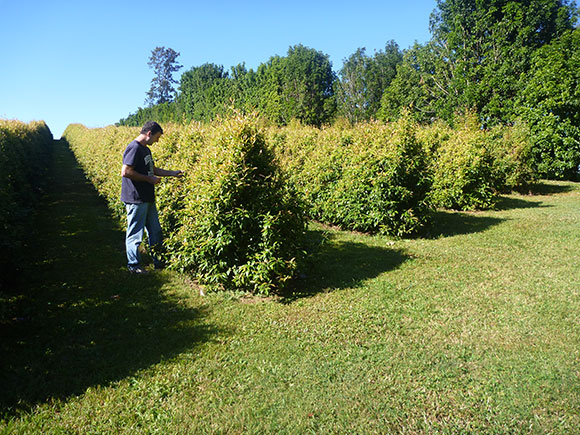
Lemon Tea Tree essential oil is extracted via steam distillation of the middle and upper stem, branchlets and leaves. Lemon Tea Tree is grown in plantations in north east New South Wales.
Lemon Tea Tree plantation trees are planted in rows, are kept to a maximum height of 2 metres, they are machine harvested and are then steam distilled immediately to maintain quality.[IMAGE: https://steemitimages.com/DQmZpjw7k1ZnuEmV8EyHEGJxoZKjR97pZVXNbJ1EsmGhXoe/Tea-Tree-Lemon-Essential-Oil-100-Australia-Leptospermum-petersonii-Woody-Scent-100-ml-3-13-Fl-Oz-Premium-Grade-Beauty.jpg]
History – Lemon Tea Tree
Traditional Usage
Traditional usage did include using the leaves for infections and for troubled skin conditions.
Early European Usage
Lemon Tea Tree, is too small to be used for timber. Eg woodwork or firewood, it was not exploited during the two World Wars for any essence needs, like Lemon Myrtle and Anise Myrtle.
Present Day Usage
At present the Lemon Tea Tree essential oil is obtained from plantations in northern New South Wales, the essential oil is used by aromatherapists and the oil is included in insect repellent formulations.
Typical Chemical Profile of Lemon Tea Tree Essential Oil
alpha pinene 1.0%
beta-pinene 0.3%
myrcene 1.5%
limonene 0.2%
1,8 cineole 0.9%
linalool 2.0%
citronellal 24.5%
geraniol 3.0%
neral 22.0%
geranial 21.0%[IMAGE: https://steemitimages.com/DQmRubsuf9z8eBUagCR4uaSKcWRECEUzfRvwCDYwGuomKc5/Lemon%20Scented%20Tea%20Tree.1.jpg]
[IMAGE: https://steemitimages.com/DQmYE8nXEwcAJeyKwwWX87BE9gSyrrftvafTBMfBdC4WR9h/imagehandler.jpg]
LEMON TEA TREE
Leptospermum petersonii
Lemon Scented Tea Tree is a tall evergreen shrub to small tree, growing to a maximum of 5 metres that is fast growing and drought hardy.
It naturally occurs near sclerophyll forest or rainforest, on sandy or rocky escarpments, on the east coast of Australia. It has simple leaves, 20–40 mm long, with a distinctive lemony aroma. The flowers are white, followed by woody capsules.
Lemon Scented Tea Tree Oil has medicinal properties similar to Tea Tree Oil (Melaleuca alternifolia) as an anti-bacterial, anti-fungal and antiseptic. Its high citral content gives it a nice lemon scent. It also contains Citronellal, Citronellol and Geraniol making it an effective insect repellant.[IMAGE: https://steemitimages.com/DQmWHThqQQXxudmqSuRy9of7D2MCWQ8meNv4eMsXtNiKJvf/lemon-scented-tea-tree-1.jpg]
Its potency and pleasant scent makes this native plant a great essential oil in aromatherapy. But because of its high potency, only tiny amounts are necessary.[IMAGE: https://steemitimages.com/DQmZCiCcgWU94YNWu5Bcw8zpPH7kbHBVUHfCajVNXytCw3U/Leptospermum-petersonii-main.jpg]
The oil is steam distilled from the leaves and twigs and is a clear colorless to yellow liquid .[IMAGE: https://steemitimages.com/DQmdZucwPncdZXK1v7y5ckcjXWr2XXhBG5vMHEYqnZexy6C/S%C3%82N-V%C6%AF%E1%BB%9CN-C%C3%82Y-NGUY%E1%BB%86T-QU%E1%BA%BE.jpg]
STUDIED PROPERTIES COMMON USES
Major chemical constituents include geranial 20-30% (typical only), neral 22-35% (typical only) and citronellal 10-35% (typical only). Its high citral content gives it a nice lemon scent.[IMAGE: https://steemitimages.com/DQmckefhkZ9CE6kpyFX7dknAQDaqxYSuoR29V4Y3jfkEi6g/lemon-tea-tree-crop-277x277.jpg]
It is a great alternative to regular Tea Tree and has the same anti-bacterial properties of common Tea Tree but with a fresh and clean aroma.
It also contains Citronellal, Citronellol and Geraniol making it an effective natural insect repellent.
This lemony oil is credited as an anti-microbial, anti-fungal, anti-viral, and sedative.
Typical Chemical Profile of Lemon Tea Tree Essential Oil
alpha pinene 1.0%
beta-pinene 0.3%
myrcene 1.5%
limonene 0.2%
1,8 cineole 0.9%
linalool 2.0%
citronellal 24.5%
geraniol 3.0%
neral 22.0%
geranial 21.0%[IMAGE: https://steemitimages.com/DQmNvwoFxz3WzbnFYjGJfUZL2knTYizveujFZZG2PT43f9x/lemon-scented-tea-tree.jpg]
@source all
Some pics are not L.petersonii.
This medium to tall shrub has aromatic leaves which have a strong lemon scent. This fantastic native produces masses of single white flowers through summer. The leaves and the stems both contain essential oils citronella and citral.
[IMAGE: https://steemitimages.com/DQma2UqstgqdjUjwRzaknPxgwMpQnVUXufTmsXXjomNYioZ/leptospermum-petersonii-lemon-scented-tea-tree-flower.jpg]
The leaves can be used for pot pourri or herbal tea. Ideal for use as a hedge or screen as well as ornamental use.
>Lemon-scented tea tree is well known as a garden plant, popular for its scent and attractiveness. It is fast growing and can be kept to shrub height by pruning. The ability to be pruned regularly also makes it well-suited for hedges, windbreaks and harvesting for distilled essential oils
Its beautiful and awesome stuff update about Plant @ctrl-alt-nwo
lemon Scented Tea Tree, I read it very carefully and get much information,
so I want to share some information with you according .
[IMAGE: https://steemitimages.com/DQmQ9K8aSKYbL37T2qj6bmsn5Ts4owcwye6MK798J4Wbtra/2018-03-15_110844.png]
[IMAGE: https://steemitimages.com/DQmcfFj4RtE1vBUuPkNChTurDcujFEaZoUmshHNXJauwPJG/2018-03-15_110905.png]
![2018-03-15_110930.png]
(https://steemitimages.com/DQmQGRueB6KMgCTpwjjxPHWFh2vgUdN6yKDywpPBJzrjTUy/2018-03-15_110930.png)
It is Lemon Myrtle in first pic, not the right plant.
Leptospermum liversidgei, commonly known as lemon-scented tea-tree,swamp may, olive tea tree, or lemon teatree, is a shrub to 4 m found naturally growing in wet coastal heath in Eastern Australia. Leaves are 5–7 mm long, with a distinctive lemony aroma. The white or pink flowers are solitary, followed by a woody capsule.
A beautiful plant and very convenient for deodorizing air. The first Australian settlers replaced tea with Leptospermum petersonii leaves. Thank you @ctrl-alt-nwo
https://dic.academic.ru/pictures/wiki/files/76/Leptospermum_laevigatum_flowers_and_foliage.jpg
[IMAGE: https://steemitimages.com/DQma2UqstgqdjUjwRzaknPxgwMpQnVUXufTmsXXjomNYioZ/leptospermum-petersonii-lemon-scented-tea-tree-flower.jpg]
Small native tree with fine scented foliage and small white flowers along the young branches spring and summer. Establishes quickly making it ideal for new gardens.
[IMAGE: https://steemitimages.com/DQmcfwxx51BzFhotgrMwTThFgdUYCSTgyn1mFmbjCSNWg14/LemST-75_thumbnail.jpg]
Native and coastal gardens as a feature or for light screening. Attracts birds and bees to the garden.
[IMAGE: https://steemitimages.com/DQmVcKkGHmh2MNnBFkmRdnyn4zGdWQ5ZyH3jKza27r3nEdL/images%20(2).jpg]
Sunny to part shade, suitable to exposed areas in most parts of Australia. Tolerates light frost and is drought resistant.
CARE: Mulch and water regularly until the plant is established, usually around 12 weeks. Prune as required to promote new growth and fertilise using a slow release native fertiliser yearly.
[IMAGE: https://steemitimages.com/DQmP2bgJhAyVrXBhiFjfpyx9wh3sYRccHHW9aNkcSTYCTY7/images.jpg]
These are tube-stock plants, with the benefit of being a young plant they will establish quickly in your garden. The average size of your plants will be 15 -25 cm in height including the pot height of 80 mm x 42 mm wide.
[IMAGE: https://steemitimages.com/DQmNrzmF72cCqhgQgPnAzLv6r8RLcPK3ppSQrRve5FP6CTo/lemon-tea-tree.jpg]
.jpg)
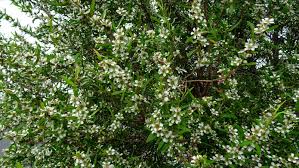
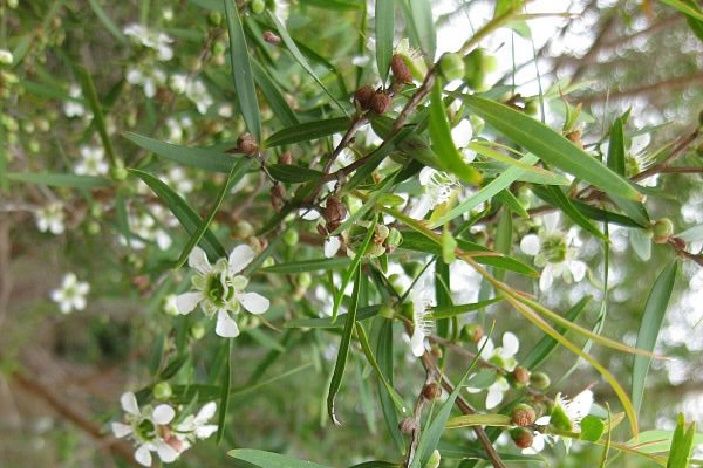
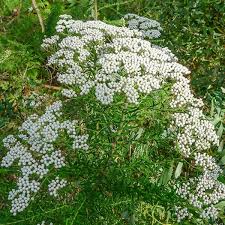
Anything lemon is always very attractive plus taking it is really very healthy
you post a useful plant, but I have never seen this tree, I have a very fragrant white flower[IMAGE: https://steemitimages.com/DQmV4EsaBpjU9e23sZyQ9YzEf5NJHnhmr6NsHyxMJRRFMGH/IMG_20180214_162003.jpg]
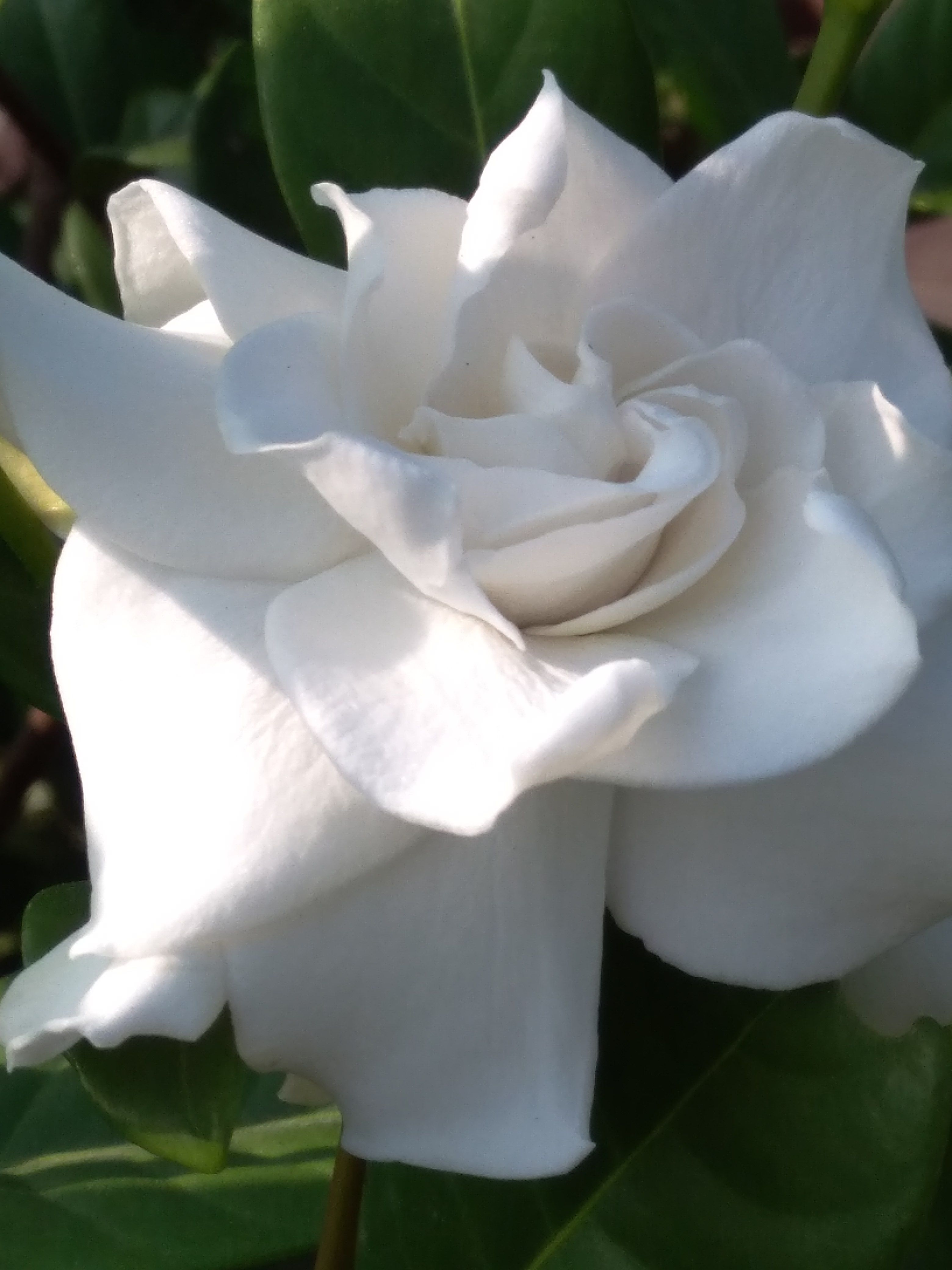
Gardenia !
Common Name: Lemon Scented Tea Tree
Plant Height: 5
Plant Spread: 4
Use: informal hedge, informal screen, shade tree
Plant Pruning: Retain only one main trunk for a tree. Tip prune after flowering for a shrub.
Soil Moisture: dry for extended periods to constantly moist
Sunlight: hot overhead sun
Design: Suits bush, coastal & mediterranean designs
Plant Origins: Australia, NSW, QLD
Flower Colour: white
Garden Type: tree or shrub
Plant Seasonality: Evergreen[IMAGE: https://steemitimages.com/DQma2UqstgqdjUjwRzaknPxgwMpQnVUXufTmsXXjomNYioZ/leptospermum-petersonii-lemon-scented-tea-tree-flower.jpg]
[IMAGE: https://steemitimages.com/DQmQjGLSD917pabgqyhu7UuUsGovKTmAKypyVz52hjkGRUr/lemon-tea-2.jpg][IMAGE: https://steemitimages.com/DQmYE8nXEwcAJeyKwwWX87BE9gSyrrftvafTBMfBdC4WR9h/imagehandler.jpg][IMAGE: https://steemitimages.com/DQmckefhkZ9CE6kpyFX7dknAQDaqxYSuoR29V4Y3jfkEi6g/lemon-tea-tree-crop-277x277.jpg][IMAGE: https://steemitimages.com/DQmNvwoFxz3WzbnFYjGJfUZL2knTYizveujFZZG2PT43f9x/lemon-scented-tea-tree.jpg]
This is my first ever comment for any post of sir @ctrl-alt-nwo . We minnows are so blessed that people like you are really serving this community and keeping it on the right track. You're indeed spreading positivity.
About Lemon-scented Tea Tree
Lemon-scented Tea Tree is an evergreen shrub that grows to 4m. Also known as Leptospermum citratum, Lemon-scented Tea Tree is native to Northern New South Wales and Queensland (Australia) and flowers from June to July. The Lemon-scented Tea Tree oil is contained in the scented flowers and twigs, from which the essential oil is harvested and used in natural skin care products.
(https://steemitimages.com/DQmTGJVBoWprh1Rq3F57fWnHCCXMdgjUUYRQ8JoMTNYresp/leptospermum-petersoni_lemon-scented-tea-tree_lemon-lime-and-bitters-1.jpg)
[IMAGE: https://steemitimages.com/DQmcE9szBGyf8HeE5FUtko7RLyojGeXviwhW6n5Wv6SB9E7/photo.jpg]
(https://steemitimages.com/DQmcfwxx51BzFhotgrMwTThFgdUYCSTgyn1mFmbjCSNWg14/LemST-75_thumbnail.jpg)
Medical usage:
The Lemon Scented Tea Tree has similar medicinal characteristics to the ordinary Tea Tree (Melaleuca Alternifolia) as an anti-bacterial, anti-fungal and antiseptic.
Recent tests with the Leptospermum Petersonii has found the bacterial killing action to be more effective against Staphylococcus auereus, Candida albicans and Aspergillas niger than the Alternifolia.
The Leptospermum Petersonii Oil has a high citral content which gives it a pleasant lemon scent, however this could cause irritation in sensitive skins.
Lemon Scented Tea Tree also contains the insect repellants Citronellal, Citronellol and Geraniol.
Lemon Scented Tea Tree Oil can be used in Aromatherapy as an immune system stimulant, particularly for colds and flu, for the digestive system (dyspepsia & colitis), and for the treatment of anxiety, stress, depression and nervous tension.
Used by our first nation's people for generations to boost immunity, lemon scented tea tree oil has also been used commercially for over 100 years.
In an oil burner, vaporiser, air freshener, potpourri, massage oil, soaps, creams and add to perfumes. It clears and focuses the mind, assists concentration, is uplifting, relaxing, calming, a relief for mental stress, anti-depressive, aids happiness, removes bad room smells, calms noisy children.
It can be applied in the same way as Lemongrass oil for skin care and should always be used diluted.
Note: All the pictures and information are taken from Google and some other sources.
I hope you would like my efforts. Any mistake or suggestion would be welcomed. Keep up your exceptional work and Stay Blessed!
He said, a cinstir made of 80 swords, works and trees. Australians naturally experience rainforests and rains of those who have New Zealand in South-East Asia. Aromatic leaves are grown for beautiful and small flowers. It grows well in the mid-ninth rich, well-educated soil, in full sun and half-shadow.
https://steemitimages.com/DQmYpdkQZVLa8gau9vHtuMbih5Ymbxpj1xfPSSqdUgS44sH/indir.jpg
It is sensitive to frost. He likes the sun, It is resistant to the semi-shadow. Shrub or small tree - Perennial plant - Flower parks and gardens are used as solitary ornamental grass fields. Flowers bloom from May to June. It is good to mix nutrients in irrigation water for two weeks in this period. In winter, the reduced water must be kept so moist that it does not die. When necessary, pots should be replaced using multipurpose potting soil in the spring. Pruning at the end of the flowering season will help to improve the shape. It is cut from the end branches and is produced by rooting in fresh soil, warm pillows and wet soil in sandy soil mixture in the spring and summer
(https://steemitimages.com/DQmSeCGZBokLvRrugTEYBN5i8eji2FhzT4DdwKZmu7GvPdQ/Gardenology.org-IMG_2704_rbgs11jan.jpg
How do you know its a "he" ?
I quote from a related place. is that wrong?
K
lemon balm
Mosquitoes are dangerous small animals.
mosquitoes can be human enemies. Not only the bites that make the skin become bumps, itching, and redness, mosquitoes can also cause various diseases, such as dengue fever and malaria.
To get rid of it, people often use chemicals that have potentially adverse health effects. why not try other alternatives?
I have ways that practically repel mosquitoes.
lemon balm
[IMAGE: https://steemitimages.com/DQmXSGmYLqtjWxeS5fffHHmqBS76REJcxQuijQJbh9rBR9G/_20180315_123412.JPG]
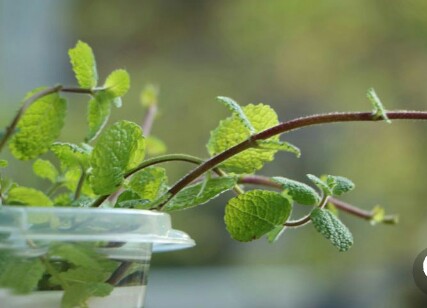
lemon balm contains a powerful citronellal compound to repel mosquitoes. The aroma of lemon balm is also one of the fragrance that is not favored by mosquitoes.
cultivate some lemon balm at home
so that our house is free from mosquitoes without using anti-mosquito that affect health.
@ctrl-alt-nwo thank you very much.
Thanks for info @syilegirl
Small tree 10-20' with fine, lime green scented foliage and white flowers in early summer.
[IMAGE: https://steemitimages.com/DQma2UqstgqdjUjwRzaknPxgwMpQnVUXufTmsXXjomNYioZ/leptospermum-petersonii-lemon-scented-tea-tree-flower.jpg]
Hardy to most soils and situations. Tolerant of light frosts, extended dry periods and pruning.
[IMAGE: https://steemitimages.com/DQmRp9BXVG6dtdiyw6MK7AZHukhwckUm6sR94jX8tkCYAr8/leptospermum-petersonii_lemon-scented-tea-tree_little-lemon-scents-2.jpg]
Great small tree for small gardens. Excellent screen, windbreak and hedge.
[IMAGE: https://steemitimages.com/DQmZCiCcgWU94YNWu5Bcw8zpPH7kbHBVUHfCajVNXytCw3U/Leptospermum-petersonii-main.jpg]
Leaves and stems contain essential oils used in candle and soap making. Leaves can be used as a tea substitute.
[IMAGE: https://steemitimages.com/DQmRp9BXVG6dtdiyw6MK7AZHukhwckUm6sR94jX8tkCYAr8/leptospermum-petersonii_lemon-scented-tea-tree_little-lemon-scents-2%20(2).jpg]
.jpg)
Lemon-scented Tea Tree Oil
Lemon-scented Tea Tree is an evergreen shrub that grows to 4m. It is an evergreen native to Australia and flowers from June to July. The Lemon-scented Tea Tree oil is contained in the scented flowers and twigs, from which the essential oil is harvested and used in natural skin care products.
source
google images:
http://www.cityofsydney.nsw.gov.au/__data/assets/image/0005/297455/Lemon-scented-tea-tree.JPG
http://1.bp.blogspot.com/-gp7bis-y_us/VRQRQzBVyLI/AAAAAAAAi-Y/TjcPQYKfg68/s1600/Teatree%2B4.jpg
[IMAGE: https://steemitimages.com/DQmSyEfCAomQfn7SiA1hapGHw6cJX9HEgSt2EbVw4YMgiRk/images.jpg]
Leptospermum petersonii (or Leptospermum citratum), lemon-scented teatree is a tall shrub to small tree, growing to a maximum of 5 metres which is cultivated as an ornamental and for essential oils. It naturally occurs near sclerophyll forest or rainforest, on sandy or rocky escarpments, on the east coast of Australia. It has simple leaves, 20–40 mm long, with a distinctive lemony aroma. The flowers are white, followed by woody capsules.
Leptospermum petersonii
Scientific classification e
Kingdom:
Plantae
Clade:
Angiosperms
Clade:
Eudicots
Clade:
Rosids
Order:
Myrtales
Family:
Myrtaceae
Genus:
Leptospermum
Species:
L. petersonii
Binomial name
Leptospermum petersonii
Bailey
Uses;
the leaves are distilled commercially for the essential oil [IMAGE: https://steemitimages.com/DQmcjgiN7YPV4WSGNrph98DN4duw9z5paocKrs1K7TAYZnS/leptospermum_petersonii-GLENN.jpg] contains citronellal, citral, and pinene. It is grown in plantations in Kenya, Zaire, South Africa, Guatemala and Australia.
[IMAGE: https://steemitimages.com/DQmZpjw7k1ZnuEmV8EyHEGJxoZKjR97pZVXNbJ1EsmGhXoe/Tea-Tree-Lemon-Essential-Oil-100-Australia-Leptospermum-petersonii-Woody-Scent-100-ml-3-13-Fl-Oz-Premium-Grade-Beauty.jpg]
The leaf of lemon-scented teatree is also used as a flavouring ingredient in boutique tea blends with standard black tea, Camellia sinensis.
The essential oil from L.petersonii inhibits the pathological fungi Candida albicans and Aspergillus fumigatus.
It can be mistaken for Backhousia citriodora
Lemon-scented teatree is well known as a garden plant, popular for its scent and attractiveness. It is fast growing and can be kept to shrub height by pruning. The ability to be pruned regularly also makes it well-suited for hedges, windbreaks and harvesting for distilled essential oils.[IMAGE: https://steemitimages.com/DQmRubsuf9z8eBUagCR4uaSKcWRECEUzfRvwCDYwGuomKc5/Lemon%20Scented%20Tea%20Tree.1.jpg][IMAGE: https://steemitimages.com/DQma2UqstgqdjUjwRzaknPxgwMpQnVUXufTmsXXjomNYioZ/leptospermum-petersonii-lemon-scented-tea-tree-flower.jpg]
hey Sir! Glad to see you again :)
It's really an honor for to participate in the Contest you are arranging to give benefits to minnows like me, it's really a great initiative,
I want to thank you from all the Minnows Community :)
Before going further I want to Salute you for your efforts.
here is my take on this plant, I hope you'll love it.
General Notes
Utility Friendly Tree
Evergreen shrub to small tree with lemon scented leaves. Leaves can be used as a tea substitute. Leaves and stems contain essential oils used in candle and soap making.
Has fragrant Leaf.
Native to Eastern Australia.
Family: Myrtaceae
Additional Common Names
TEA TREE, LEMON-SCENTED TEA TREE
Some ofTree Characteristics are:
-
Oval or Rounded Shape.
-
Has Evergreen foliage.
-
Height: 10 - 20 feet.
-
Width: 6 - 15 feet.
-
Growth Rate: 24 Inches per Year.
-
Longevity 50 to 150 years.
-
Leaves Ovate, Light Green, No Change, Evergreen.
-
Flowers Showy. White. Flowers in Spring or Summer. Has perfect flowers (male and female parts in each flower).
-
Brown Capsule, Small (0.25 - 0.50 inches), fruiting in Summer or Fall Wildlife use it.
-
Bark Light Green or Light Gray, Fibrous or Rough.
-
Shading Capacity Rated as Dense in Leaf.
-
Litter Issue is Dry Fruit.
Tree Site Conditions & Constraints
Sunset Zones 14 - 24.
USDA Hardiness Zones 9 - 11.
Exposure Full Sun to Partial Shade.
Moist to Dry and Well Drained Soil.
Drought tolerant.
Loam or Sand Texture.
Slightly Acidic to Slightly Alkaline Soil pH.
Seaside Tolerance is Good to Medium in Moderate Zone.
Pests & Disease Information
Susceptible to Chlorosis.
Health, Safety & Environmental Concerns
Branch Strength Rated as Medium.
Root Damage Potential Rated as Low.
None Known Health Hazard.
Desirable Wildlife Plant.
Attracts Birds.
Not Deer Palatable.
Wildlife use Fruit.
Special Uses & Values
Screen.
Hedged.
Some Images.
https://selectree.calpoly.edu/images/0800/07/original/leptospermum-petersonii-tea-tree-ro.jpg
https://selectree.calpoly.edu/images/0800/07/original/leptospermum-petersonii-tree-white-swan.jpg
https://selectree.calpoly.edu/images/0800/07/original/leptospermum-petersonii-tree-2.jpg
https://selectree.calpoly.edu/images/0800/07/original/leptospermum-petersonii-tree.jpg
https://selectree.calpoly.edu/images/0800/07/original/leptospermum-petersonii-leaves.jpg
https://selectree.calpoly.edu/images/0800/07/original/leptospermum-petersonii-leaves-2.jpg
https://selectree.calpoly.edu/images/0800/07/original/leptospermum-petersonii-flowers-white-swan.jpg
https://selectree.calpoly.edu/images/0800/07/original/leptospermum-petersonii-flowers.jpg
https://selectree.calpoly.edu/images/0800/07/original/leptospermum-petersonii-flowers-2.jpg
https://selectree.calpoly.edu/images/0800/07/original/leptospermum-petersonii-leaves-and-flowers.jpg
https://selectree.calpoly.edu/images/0800/07/original/leptospermum-petersonii-fruit-green.jpg
https://selectree.calpoly.edu/images/0800/07/original/leptospermum-petersonii-fruit.jpg
https://selectree.calpoly.edu/images/0800/07/original/leptospermum-petersonii-fruit-open.jpg
https://selectree.calpoly.edu/images/0800/07/original/leptospermum-petersonii-trunk.jpg
https://selectree.calpoly.edu/images/0800/07/original/leptospermum-petersonii-bark.jpg
Types
AFter searching i've found that plant is of three types, Information for the 1st Type is given above and other two parts are given below.
Leptospermum laevigatum which is also known as AUSTRALIAN TEA TREE
Description:
Australian Tea Tree is an attractive shrub or multi-trunked tree, becoming a graceful specimen when its lower branches are trimmed away to expose the picturesque trunks. The foliage is quite pleasing and used in bouquets. It is ideal for a temperate dry setting, where it usually attains less height, and it becomes quite durable after it becomes established. It may require regularly scheduled light top-trimming (but not necessarily shearing) of vigorous top shoots to maintain its height below 25'. Best near the coast.
Additional Common Names
AUSTRALIAN TEA TREE, COASTAL TEA TREE
Tree Characteristics
-
Spreading or Weeping with a Low Canopy.
-
Oval, Rounded or Umbrella Shape.
-
Has Evergreen foliage.
-
Height: 10 - 30 feet.
-
Width: 10 - 30 feet.
-
Growth Rate: 24 Inches per Year.
-
Longevity 50 to 150 years.
-
Leaves Oval, Gray Green or Medium Green, No Change, Evergreen.
-
Flowers Showy. White. Flowers in Spring. Has perfect flowers (male and female parts in each flower).
-
Brown Capsule, Small (0.25 - 0.50 inches), fruiting in Fall.
-
Bark Light Green or Light Gray, Exfoliating or Smooth.
-
Shading Capacity Rated as Dense in Leaf.
-
Litter Issue is Dry Fruit.
Tree Site Conditions & Constraints
Sunset Zones 14 - 24; H1, H2.
USDA Hardiness Zones 9 - 11.
Exposure Full Sun to Partial Shade.
Moist to Dry and Well Drained Soil.
Drought tolerant.
Loam or Sand Texture.
Slightly Acidic to Slightly Alkaline Soil pH.
Salinity Tolerance is Good Inland and on Coast.
Seaside Tolerance is Good in Moderate Zone.
Pests & Disease Information
Susceptible to Chlorosis, Oak Root Rot and Root Rot.
Health, Safety & Environmental Concerns
Branch Strength Rated as Strong.
Root Damage Potential Rated as Low.
None Known Health Hazard.
Attracts Birds and Bees.
Not Deer Palatable.
Special Uses & Values
Screen.
Hedged.
images
https://selectree.calpoly.edu/images/0800/06/original/leptospermum-laevigatum-tree.jpg
https://selectree.calpoly.edu/images/0800/06/original/leptospermum-laevigatum-foliage.jpg
https://selectree.calpoly.edu/images/0800/06/original/leptospermum-laevigatum-leaves-close-up.jpg
https://selectree.calpoly.edu/images/0800/06/original/leptospermum-laevigatum-leaves.jpg
https://selectree.calpoly.edu/images/0800/06/original/leptospermum-laevigatum-leaves-and-flowers.jpg
https://selectree.calpoly.edu/images/0800/06/original/leptospermum-laevigatum-fruit.jpg
https://selectree.calpoly.edu/images/0800/06/original/leptospermum-laevigatum-fruit-green.jpg
https://selectree.calpoly.edu/images/0800/06/original/leptospermum-laevigatum-bark.jpg
https://selectree.calpoly.edu/images/0800/06/original/leptospermum-laevigatum-bark-2.jpg
Last but not the least is Leptospermum scoparium which is also known as NEW ZEALAND TEA TREE
__General Notes
Utility Friendly Tree
Small and compact. Rarely in tree form. Many varieties are sold as garden plants.
Native to New Zealand and South Eastern Australia.
Family: Myrtaceae
Additional Common Names
NEW ZEALAND TEA TREE, MANUKA
Tree Characteristics
-
Spreading with a Low Canopy.
-
Oval, Rounded or Umbrella Shape.
-
Has Evergreen foliage.
-
Height: 10 feet.
-
Width: 10 feet.
-
Growth Rate: 24 Inches per Year.
-
Longevity 50 to 150 years.
-
Leaves Lanceolate to Linear, Medium to Dark Green, No Change, Evergreen.
-
Flowers Showy. White, Pink or Red. Flowers in Spring or Summer. Has perfect flowers (male and female parts in each flower).
-
Brown Capsule, Small (0.25 - 0.50 inches), fruiting in Fall.
-
Bark Light Green or Light Gray or Brown, Exfoliating or Scaly.
-
Shading Capacity Rated as Dense in Leaf.
-
Litter Issue is Dry Fruit.
Tree Site Conditions & Constraints
Sunset Zones 14 - 24; H1, H2.
USDA Hardiness Zones 9 - 10.
Exposure Full Sun to Partial Shade.
Moist to Dry and Well Drained Soil.
Drought tolerant.
Loam or Sand Texture.
Slightly Acidic to Slightly Alkaline Soil pH.
Salinity Tolerance is Good Inland and on Coast.
Seaside Tolerance is Good in Moderate Zone.
Health, Safety & Environmental Concerns
Branch Strength Rated as Strong.
Root Damage Potential Rated as Low.
None Known Health Hazard.
Attracts Birds and Bees.
Not Deer Palatable.
Special Uses & Values
Container.
Images
https://selectree.calpoly.edu/images/1400/96/original/leptospermum-scoparium-tree-3.jpg
https://selectree.calpoly.edu/images/1400/96/original/leptospermum-scoparium-tree.jpg
https://selectree.calpoly.edu/images/1400/96/original/leptospermum-scoparium-tree-2.jpg
https://selectree.calpoly.edu/images/1400/96/original/leptospermum-scoparium-leaves.jpg
https://selectree.calpoly.edu/images/1400/96/original/leptospermum-scoparium-leaves-2.jpg
https://selectree.calpoly.edu/images/1400/96/original/leptospermum-scoparium-flowers.jpg
https://selectree.calpoly.edu/images/1400/96/original/leptospermum-scoparium-flowers-2.jpg
https://selectree.calpoly.edu/images/1400/96/original/leptospermum-scoparium-fruit.jpg
https://selectree.calpoly.edu/images/1400/96/original/leptospermum-scoparium-bark.jpg
https://selectree.calpoly.edu/images/1400/96/original/leptospermum-scoparium-bark-2.jpg
If you found any mistake do correct me @ctrl-alt-nwo :)
i hope you'll love my effort,
Good, but it's too long. Keep it shorter in future buddy !
Ok.sir! I will take care of it next time!
My idea was to give as much information as i can.
Sir feel free to visit my blog!
Thankyou
8 benefits of australian oranges
[IMAGE: https://res.cloudinary.com/hpiynhbhq/image/upload/v1521094291/bfhjkaywmwijch3zjf9u.jpg]

[IMAGE: https://res.cloudinary.com/hpiynhbhq/image/upload/v1521094312/ec1cxpyciatzxnchug2j.jpg]

> Orange is one of the favorite fruits of many people. The fruit of this one comes from East Asia and Southeast Asia, then spread to the western hemisphere and evenly throughout the world. Oranges themselves can grow well in climatic conditions with temperatures ranging from 2 to 30 degrees Celsius, with a height of 0-400 masl. In everyday life, oranges can also be called with limes.
Australian Citrus
In Australia alone there are exciting and fun excursions with picking various kinds of fruit, including citrus fruit tours. Most of the citrus orchards frequented during the fruit season are Fords Farms in the NSW Wisemans Ferry area. Meanwhile, if you want to travel while enjoying orange juice or mandarin mandarin oranges, you can go visit the orchard of Penrith Vallet Orange Orchard in Castlereagh NSW.
Citrus fruit is known for its sweet taste and contains many benefits. The most common is the orange is a fruit rich in vitamin C. Not only vitamin C, oranges also contain many other nutrients such as vitamins A, E, K, B6, B12, Folat, and Riboflavin. This content is no different from the citrus fruit that thrives in the gardens in Australia so that oranges from this Kangaroo country also has the benefits and properties that are just as good so good to be consumed regularly. For more details, here are some benefits of orange australia and other types of health for the body:
Helps overcome high blood pressure
Regular consumption of citrus fruits helps prevent you from developing high blood pressure or hypertension. Because in oranges there is an important potassium content of vasodilation effect, thus allowing blood pressure to be controlled properly. In fact, according to research, maintaining levels of potassium intake in the body increases the reduced risk of death caused by various diseases.
- Prevent damage as well as smooth the skin
As has been known that citrus fruits contain many benefits of vitamin C which this vitamin serves as an antioxidant for our body, as well as help fight damage to skin cells that are often caused by toxins or toxins that are scattered from pollution and cell damage due to sunlight. By consuming citrus fruits, indirectly helps prevention of wrinkles from the body and helps improve skin texture to keep it tight toned.
Meanwhile, to get a smooth skin, you just need to rub pieces of citrus fruit on your body by first rubbing the body part using a scrub or pumice stone. For best results, do not forget to use a moisturizer afterwards and do it regularly.
Alternatives to other skin beauty:
- Avoid cancer
Free radicals are one source of cancer in humans. To fight it, the body needs antioxidants as a shield. Therefore, the content of antioxidants in citrus fruits including high is very good to be consumed as a source shield our bodies face these free radicals.
- Boost the immune system
Besides beneficial to prevent free radicals, vitamin C rich in citrus fruits also help protect the body from various diseases. High antioxidant benefits help the body in improving the immunity so it is not susceptible to disease. In fact, consuming one medium-sized orange fruit alone means you've met about 72% of daily vitamin C needs.
- Keep the beauty of hair
Hair is the crown. Healthy, black, and shiny hair is everyone's pride. In order to get such beautiful hair, not enough just to just wear shampoo, so many people are not rarely willing to spend excessive budget to get the best care on her hair. But you know, it turns out with citrus fruit you can already get beautiful hair, healthy, and shiny.
How: split the citrus fruit into several parts and wring it to get the juice. Well, orange juice is then you wipe on satiap hair comb into evenly throughout the head. Then slightly bask in the sun until the hair dries. Thus, you will get beautiful hair sparkling.
- Maintain heart and kidney health
The content of vitamin C, potassium and choline contained in the benefits of orange australia can help maintain heart and kidney health. Regular consumption of citrus fruit to reduce the risk of death from heart disease, and prevent you from kidney stone disease.
- Prevent cataracts
Eating citrus fruits can help you avoid cataracts because citrus fruits also contain vitamin A benefits that play an important role in maintaining eye health.
- Increase your appetite
Eating citrus fruit regularly was also able to help increase appetite. This is very useful especially for you who want to increase weight.
Preventing diabetes
The content of fructose in citrus fruit is a natural sweetener that creates a sweet taste in the fruit as well as can help regulate blood sugar levels in our body if consumed regularly so as to prevent diabetes or diabetes.
Thank you very much @ctrl-alt-nwo
Nice reply mate, but my post was about Lemon Scented Tea Tree, not Citrus. Keep it relevant old son, thanks.
Yes, I know .
But I am confused to comment what.
because it has so many comments about lemon scented.
finally I look for different comments.
I hope you like this idea.
thank you very much @ctrl-alt-nwo
A wonderful Australian local tree with a shrubby habit.The new foliage is copper/bronze shading. It has numerous little white blossoms that enliven the tree in late-spring. The leaves when squashed have a lovely citrus aroma.
Family: Myrtaceae
Normal Name: Lemon scented teatree
Develop Size (h x w): 5 x 3m
Frame: Round
Variety: Leptospermum
Employments
Incredible as a road tree in view of its littler development and can likewise be utilized as a casual support as a result of its thick foliage. It likewise is an incredible fowl attractant.
Position and Soil
Versatile to most soils yet lean towards an all around depleted full sun position. Destinations like waterfront conditions are great. Its optimal for extreme conditions ie. dry spell conditions or poor soil
Classifications
Flying creature Attracting
These are tree determinations with wonderful blossoms or potentially thick living space for winged creature fascination.
Waterfront
These trees are tolerant of the ordinarily sandy conditions related with living along the drift
Evergreen
This image means a tree that holds its leaves, in this manner is green, throughout the entire year
Casual Screening
A tree for a casual screen is one which is sufficiently tall to piece sees however is left to develop in its regular frame. These trees offer a more easygoing look.
Local
This determination of trees are indigenous to Australia and exceptional to our climatic conditions. The greater part of the trees we develop are reasonable for the south eastern parts of Australia.
@ctrl-alt-nwo - Sir you mean we can make tea (drinking tea) by using this 'The lemon Scented Tea Tree' plant? Oh seriously I never heard about this plant Sir... How wonderful information Sir... Nice photography too Sir...
+W+
Nice to see you back after couple of days,again with some other tree truely iam loving your blog,thank you so much.
Hi all
Best regard @ctrl-alt-nwo
[IMAGE: https://steemitimages.com/DQmWzBFXbCXP1uhdXuBcJE4BvexCjM6WC7sXr8PEKdRJ9WG/_20180315_133429.JPG]
[IMAGE: https://steemitimages.com/DQmXtPdmhEQ2rpexKr7f8phZBi9HvxwMFZyS3agPXa3SeM8/_20180315_133415.JPG]
The ongoing struggle between Australian and New Zealand manuka honey producers has been a bit of a challenge, with an Australian industry association recently opposing the kiwi drive for its "liquid gold" brand.
The Australian Manuka Honey Association (AMHA) was born at a meeting in Melbourne last month and is supported by major industry players including Australia's largest producer Capilano.
At that time around the same report emerged from New Zealand producers applying for an exclusive trademark for "manuka honey" in five countries, including Australia and China.
But Australians argue the kiwi claims what was formerly called "liquid gold", produced by bees looking for the original Leptospermum plant of both countries, is the bed.
The prime AMHA chief Paul Callender said that the group would let the domestic industry inaugurate and fight.
"Some of us agreed that it was time to involve key people from the industry," he said.
"[New Zealand] is trying to do this trademark globally to prevent access from other participating market countries.
Interesting info about Honey !
Thank you very much .
I am happy to be able to comment on this very nice and very useful post.
I just have watched first time. This kind of tree are rare.
thanks for sharing.
Lemon-smelling tree (Leptospermum petersonii). It's a very useful tree for life. There are so many benefits when we plant this tree in empty and abandoned lands.
[IMAGE: https://img.esteem.ws/alt9cp40l6.jpg]

In my village, Lhokseumawe, Aceh, Indonesia, many people planted oil palms. In fact, palm is not suitable to be planted on land near residential area. Because many palm trees suck water stored in the soil. Surely this will cause drought. Though water is the main source of life.
The government has never seriously addressed the problem of planting oil palm trees in residential areas. In fact, they are increasingly aggressive promotion to many investors from abroad.
[IMAGE: https://img.esteem.ws/ggzfub3hl0.jpg]

Jokowi, the president of Indonesian, inaugurated the rejuvenation of oil palm trees.
https://harian.analisadaily.com/mobile/sumut/news/presiden-kebun-sawit-indonesia-harus-diremajakan/459903/2017/11/28
This is the wrong policy. The newly opened oil fields should be far from the settlement.
This error should be stopped immediately. One way is to share with the government and my villagers the lemon-lined tree tree (Leptospermum petersonii), which can replace palm trees to cope with drought.
The lemon-laced tree (Leptospermum petersonii) will also help my villagers to open new jobs. Because the lemon-laced tree (Leptospermum petersonii) can be processed into a variety of processed products that can make money, such as reviews from ...
Thank you @ctrl-alt-nwo for sharing. Your article is very useful to overcome the drought in my village, for planting palm trees.
The solution of the drought is by planting lemon-lined tree (Leptospermum petersonii).
I really feel sorry for the Orangutans , their forests are cut down for the palm plantations, so sad. It is always best to keep the natural vegetation and look after the animals. Your post is not relevant, but i like it !
'Lemon Scented Tea Tree'
excellent photography & description. useful article for all tree lovers @ctrl-alt-nwo
@resteemia
reteemed & upvoted
wow that's so nice looks like they remain hidden in that so beautiful to explore and know about this plant
wow Australian people can see this natural beauty around them this is spectacular great shot you have taken up and close :D
@ctrl-alt-nwo..wow really a very nice garden looking beautiful.. thank you for sharing with us..
wow looks amazing the flowers is something which makes me happy all the time thanks for sharing some great knowledge dear :)
An amazing plant, I imagine how fascinating it smells next to these bushes when it blooms. We have no such thing in the country. There is a herb of lemongrass and grass of melissa, we also use leaves for aromatic tea. But that would increase the lemongrass to the size of a bush, no one. Thank you for useful knowledge
http://www.mplants.org.ua/img/melisa350.jpg
This is our lemon balm
Very interesting post @ ctrl-alt-nwo
I also have flowers
Leptospermum liversidgei, commonly known as lemon-scented tea-tree, swamp may, olive teatree, or lemon teatree, is a shrub to 4 m found naturally growing in wet coastal heath in Eastern Australia. Leaves are 5–7 mm long, with a distinctive lemony aroma. The white or pink flowers are solitary, followed by a woody capsule.
The name "Leptospermum" is from the Greek "leptos sperma" which means "thin seed", and "liversidgei" is after Professor A. Liversidge.
Leptospermum liversidgei has two essential oil chemotypes:
The citral chemotype is used as a bushfood spice to flavour teas and food products. This citral chemotype is sometimes called "lemon teatree" when the dried leaves are used in tea, and as food flavouring. Small-scale production is from wild-harvesting.
The citronellal chemotype is cultivated as a mosquito repellent.
The shrub is also cultivated as a garden ornamental.
Leptospermum petersonii, is also called "lemon-scented teatree", and produces a similar lemony essential oil.
Scientific classification
Kingdom: Plantae
Clade: Angiosperms
Clade: Eudicots
Clade: Rosids
Order: Myrtales
Family: Myrtaceae
Genus: Leptospermum
Species: L. liversidgei
https://upload.wikimedia.org/wikipedia/commons/thumb/9/90/Leptospermum_liversidgei.jpg/800px-Leptospermum_liversidgei.jpg
Leptospermum petersonii
Scientific classification
Kingdom: Plantae
Clade: Angiosperms
Clade: Eudicots
Clade: Rosids
Order: Myrtales
Family: Myrtaceae
Genus: Leptospermum
Species: L. petersonii
Binomial name
Leptospermum petersonii
Bailey
Leptospermum petersonii (or Leptospermum citratum), lemon-scented teatree is a tall shrub to small tree, growing to a maximum of 5 metres which is cultivated as an ornamental and for essential oils. It naturally occurs near sclerophyll forest or rainforest, on sandy or rocky escarpments, on the east coast of Australia. It has simple leaves, 20–40 mm long, with a distinctive lemony aroma. The flowers are white, followed by woody capsules.
Uses
The leaves are distilled commercially for the essential oil which contains citronellal, citral, and pinene. It is grown in plantations in Kenya, Zaire, South Africa, Guatemala and Australia.
The leaf of lemon-scented teatree is also used as a flavouring ingredient in boutique tea blends with standard black tea, Camellia sinensis.
The essential oil from L.petersonii inhibits the pathological fungi Candida albicans and Aspergillus fumigatus.
It can be mistaken for Backhousia citriodora (lemon myrtle).
Cultivation
Lemon-scented teatree is well known as a garden plant, popular for its scent and attractiveness. It is fast growing and can be kept to shrub height by pruning. The ability to be pruned regularly also makes it well-suited for hedges, windbreaks and harvesting for distilled essential oils.
Leptospermum liversidgei is also called "lemon-scented teatree" due to the presence of lemony essential oils.
https://upload.wikimedia.org/wikipedia/commons/thumb/a/a7/Gardenology.org-IMG_2704_rbgs11jan.jpg/220px-Gardenology.org-IMG_2704_rbgs11jan.jpg
https://upload.wikimedia.org/wikipedia/commons/thumb/5/59/Gardenology.org-IMG_2706_rbgs11jan.jpg/800px-Gardenology.org-IMG_2706_rbgs11jan.jpg
[IMAGE: https://steemitimages.com/DQmY1GeNsASzvJbtt1h64vZ5Hga6R5xTD7Q6eG66rgr9sxH/image.png]
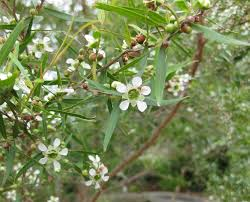
[IMAGE: https://steemitimages.com/DQmZ3QEfym5S1UVfzyKDqVFQnKB6osCtiD7LnrWvqqyBYsK/image.png]
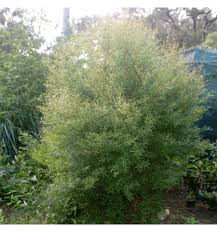
[IMAGE: https://steemitimages.com/DQmU9FixbvQKQRpvCfrpdnEnpZRamH3J6KhbFydctQqDXSc/image.png]
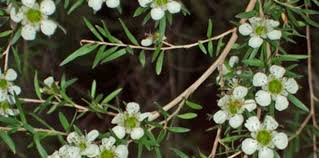
[IMAGE: https://steemitimages.com/DQmZHFjg46HhopG3oxuYwZB75hnzAR1QMyL9DFCLBbbQa2p/image.png]
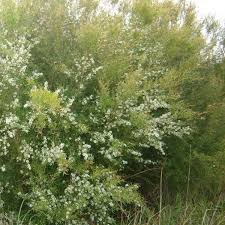
[IMAGE: https://steemitimages.com/DQmQeR81g4q6A8gt3FzdiwwXuYYVuPBt4Cm9CoMtjzxrUk2/image.png]
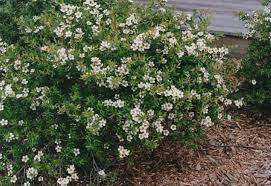
[IMAGE: https://steemitimages.com/DQmPJ4QFGcvqkkAs81F6oefs9XoJXCYCuNcj9eqTVpDvy3T/image.png]
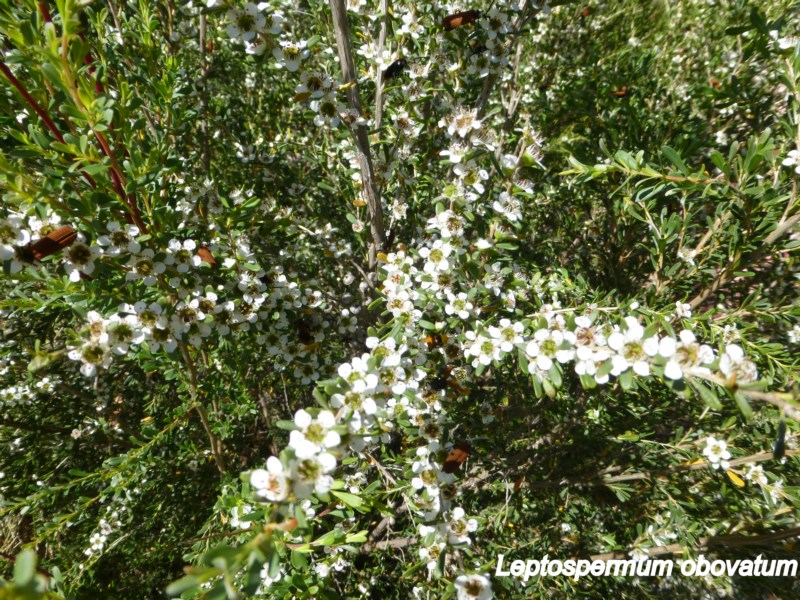
[IMAGE: https://steemitimages.com/DQmXCasjby1vAyHoTMxnudt5YqZZQq4sARd25yMSPSpknMu/image.png]
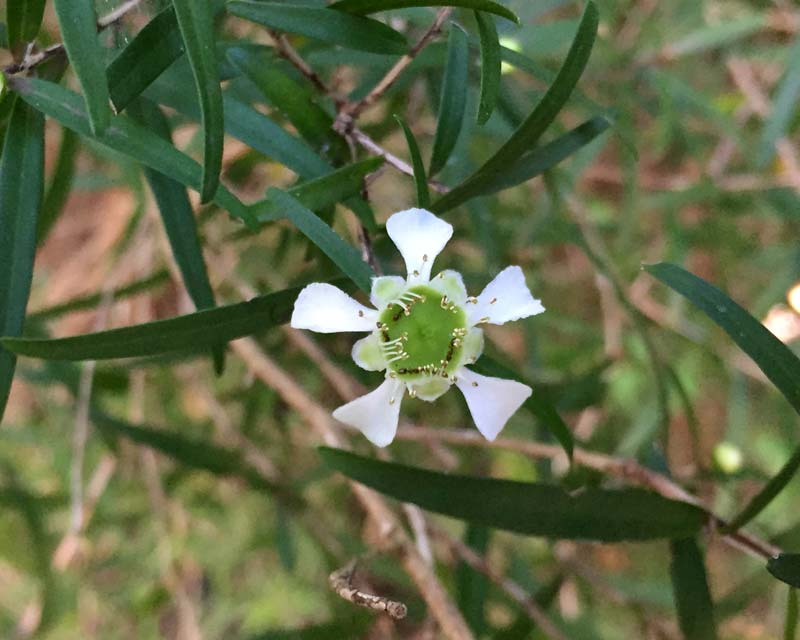
[IMAGE: https://steemitimages.com/DQmWu1g8niRkoLnDobdz3nQMQcvmXXvxP9nDQUVeKENv1MV/image.png]
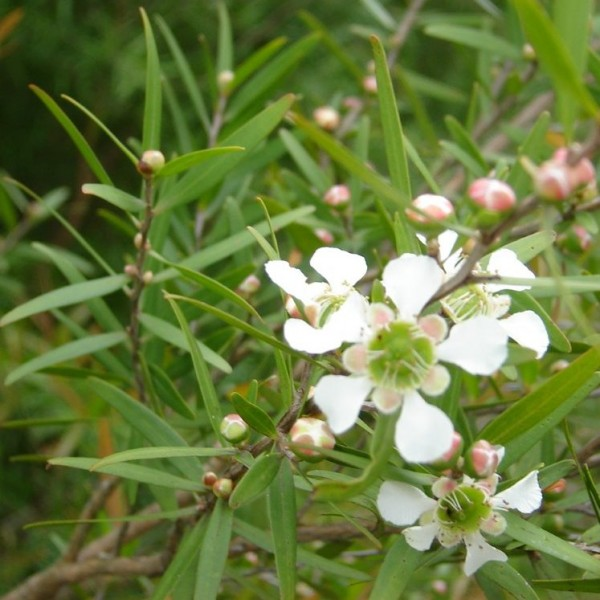
Source : Google images and wikipedia
The leaves are very interesting like a grass i think in the pic you shared the second one correct me if i am wrong
does it smells great too i hope it will but anyways great information you shared on your blog so cool to see it
wonderful shots its super nice to view and look at excellent shots bro :)
Thanks for sharing
Description
Common Name: Lemon Scented Tea tree.
Botanical Name: Leptospermum petersonii.
Plant size: 20 – 25cm.
Pot size: 50mm pot.
Max growth: Approximately 3 – 7m high and 2 – 5m wide.
Description: This medium to tall shrub has aromatic leaves which have a strong lemon scent. This fantastic native produces masses of single white flowers through summer. The leaves and the stems both contain essential oils citronella and citral.
Uses: The leaves can be used for pot pourri or herbal tea. Ideal for use as a hedge or screen as well as ornamental use.
https://www.evergreengrowers.com.au/wp-content/uploads/images/plants/LemST-75_thumbnail-300x300.jpg
https://www.evergreengrowers.com.au/wp-content/uploads/images/plants/LemST-75_gallery-300x300.jpg
Getting started
The first thing you need to do when you receive your plants is to remove them from the bags and give them a good drink.
https://www.evergreengrowers.com.au/wp-content/uploads/images/growersguide/14.gif
Use the secateurs or scissors to cut the tape around the stem of the plant
Remove the bag
Place the plants in a tray or container that will allow water to drain away...empty garden pots make a great storage container for tube stock plants.
Water all plants until thoroughly soaked.
Storing tube stock
If you’re not going to be planting straight away, you’ll need to find a suitable place to store your plants. Be sure to store them in a location that will allow the water to drain away. Most, if not all the plants we sell do not like to sit in water
Where you store your plants will depend on how long you will be keeping them in the pots. Most plants can be kept in the tubes for up to 8 weeks, depending on the time of year and how old the plants are. As a general rule, if you purchase in the cooler months, the plants can stay in the pots longer as there isn't going to be much growth during that period. Also, if the plants look like they're too big for their pot then this time period should be reduced.
Anything longer than 8 weeks and we recommend potting them in larger pots if your garden bed is not ready for planting, this will also ensure continued growth until the garden is ready.
Note: Keeping plants in tubes for any period of time will require thorough watering every day through the warmer months and every second day through winter. Being in such small containers means they will dry out very quickly.
If you plan to store your plants longer than a week or two, be sure not to keep them in a heavily sheltered area or indoors. The reason for this is that most of the plants we sell are sun hardened and ready to plant out in full sun (you’ll receive a note with your order if they are not), if you spoil them by keeping them heavily sheltered, you run the risk of the plants going into shock when you do finally plant them out in full sun, especially in the warmer months.
Do not pull the plant out by the stem.
Care must be taken when removing the plant from the tube so that the potting mix surrounding the roots remains intact.
https://www.evergreengrowers.com.au/wp-content/uploads/images/growersguide/0.gif
Turn the tube on its side or upside down with the stem of the plant in between two fingers to support the soil structure.
https://www.evergreengrowers.com.au/wp-content/uploads/images/growersguide/2.gif
Give the bottom of the tube a few firm taps and a light squeeze around all sides at the base, this will help loosen the root ball from the sides of the tube
https://www.evergreengrowers.com.au/wp-content/uploads/images/growersguide/3.gif
https://www.evergreengrowers.com.au/wp-content/uploads/images/growersguide/4.gif
While still holding the stem in between your fingers, give the tube a vigorous shake up and down to allow the root ball to slide away from the tube.
https://www.evergreengrowers.com.au/wp-content/uploads/images/growersguide/5.gif
If the plant does not fall away using this method, try tapping the top edge of the tube on a solid surface such as the top of a fence post or shovel handle to jar it out of the tube.
https://www.evergreengrowers.com.au/wp-content/uploads/images/growersguide/13.gif
Only as a last resort, you can lightly put tension on the stem and gradually increase until the plant pulls free. This is only if its really stubborn and assumes there is quite a dense root ball. Do not tug at it as this may cause root damage.
Once removed take a look at the root ball, if its a bit pot bound or roots are tightly wrapped each other, make a shallow cut with a sharp knife down each side before planting.
Planting out
The steps taken to plant your young plants will depend very much on the type of soil you have in your garden. The following instruction assumes you have fairly good black\dark soil that is well draining. If you have clay or sandy soil, then click here for information on dealing with these and other situations.
If your planting a hedge or screen. Place each plant in the desired position before digging any holes, this will allow you to space the plants evenly and increase or decrease the spacing in-case you have more or less than you need.
Dig a hole about the height and width of an average spade (20cm x 15cm). If your planting in a mulched bed, keep the mulch out of the hole. It's best to scrape the mulch into a pile away from where the holes are to be dug so that it doesn't mix with the soil and it can be spread back over the top when finished.
Break up any large lumps of soil before backfilling to avoid air pockets surrounding the root ball.
Place the plant in the centre of the hole and while holding it upright, backfill the area around the plant avoiding any large lumps. Be sure to keep the top of the root ball at the same height as the surrounding soil.
https://www.evergreengrowers.com.au/wp-content/uploads/images/growersguide/9.gif
https://www.evergreengrowers.com.au/wp-content/uploads/images/growersguide/10.gif
https://www.evergreengrowers.com.au/wp-content/uploads/images/growersguide/8.gif
When backfilling, create a shallow well around each plant to form a water catchment. If the ground is on an incline then be sure to place any excess soil on the lower side to form a well and hold at least a bit of water from running off.
https://www.evergreengrowers.com.au/wp-content/uploads/images/growersguide/11.gif
https://www.evergreengrowers.com.au/wp-content/uploads/images/growersguide/12.gif
Water-in the plant and surrounding soil thoroughly until soaked.
Watering
Its very difficult to set out an exact watering schedule for all situations as there are so many varying condition such as plant variety, position (sun, shade and wind), season, soil type and mulch. Keeping a close eye on your plants for the first few months will ensure that you find the right schedule to suit your conditions.
Water well each day for the first 2 - 3 weeks during the warmer months and 1- 2 weeks during winter
After that, taper off to about once every 2 or 3 days
From there on, observation will be needed to determine if the soil is drying out or if the plant begins to wilt
After 6 - 12 months most plants will be able to find their own water that's trapped in the surrounding soil, unless we go through an extended dry period.
Thanks @ctrl-alt-nwo
100% like and resteem
A beautiful Australian native tree with a shrubby habit.The new foliage is copper/bronze colour. It has many small white flowers that decorate the tree in early summer. The leaves when crushed have a beautiful citrus scent.
Family: Myrtaceae
Common Name: Lemon scented teatree
Mature Size (h x w): 5 x 3m
Form: Round
Genus: Leptospermum
Uses
Fantastic as a street tree because of its smaller growth and can also be used as an informal hedge because of its dense foliage. It also is a great bird attractant.
Position & Soil
Adaptable to most soils but prefers a well drained full sun position. Sites similar to coastal conditions are perfect. Its ideal for tough conditions ie. drought conditions or poor soil.
[IMAGE: https://steemitimages.com/DQmTdejTtGdMPFLYKJRzzinP5V8J3fmyJXktZMNi82xtaRw/image.png]
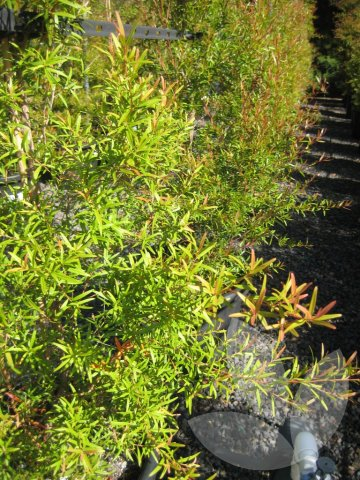
[IMAGE: https://steemitimages.com/DQmb3XhzN2BJRbyjf6J3YDvXNF3Q2mX4P7BqjRYSrECpv8G/image.png]
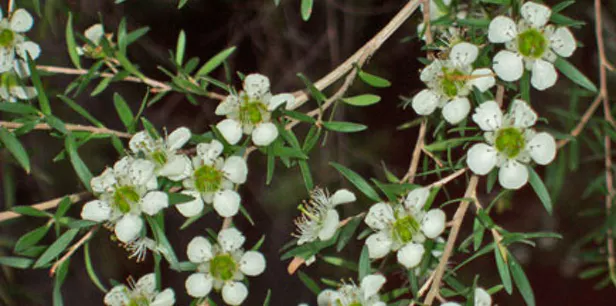
[IMAGE: https://steemitimages.com/DQmNvCFDC1JCz2oqsKaPK7T61edvBF9indXZwnLtsfv1r7a/image.png]
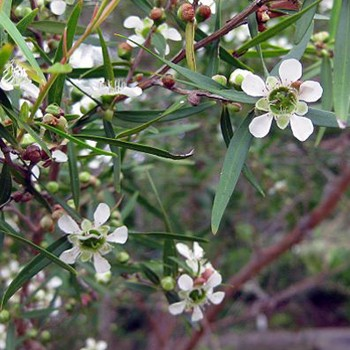
[IMAGE: https://steemitimages.com/DQmTVoY1eaDErG5vJ6Di7PgZDhbDsMPFHckbdkznLhzTnB3/image.png]
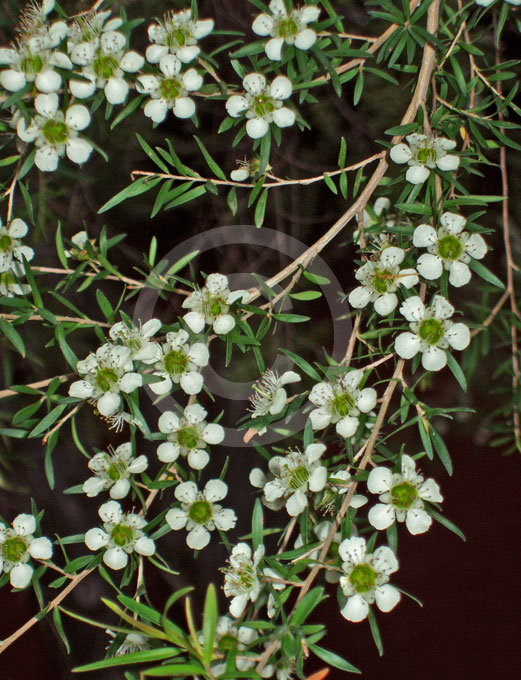
[IMAGE: https://steemitimages.com/DQmX7XTTjSDeSwZneJMd8Boq4w4Qo3gJuZkx674YEEZRmGp/image.png]
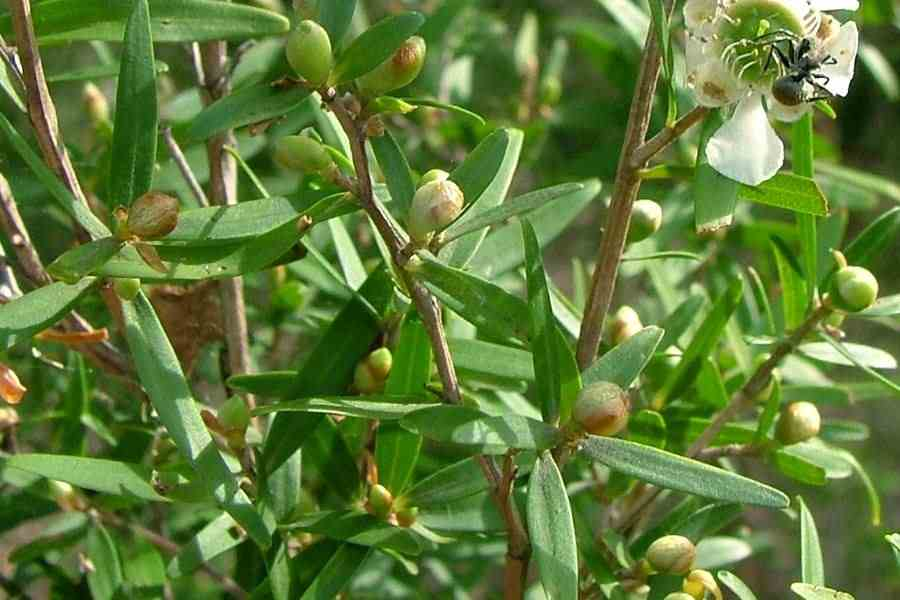
[IMAGE: https://steemitimages.com/DQmWWom2xHmozTogjq4C9YhfpLDubjvEbjzfePNjE1Aoj8i/image.png]
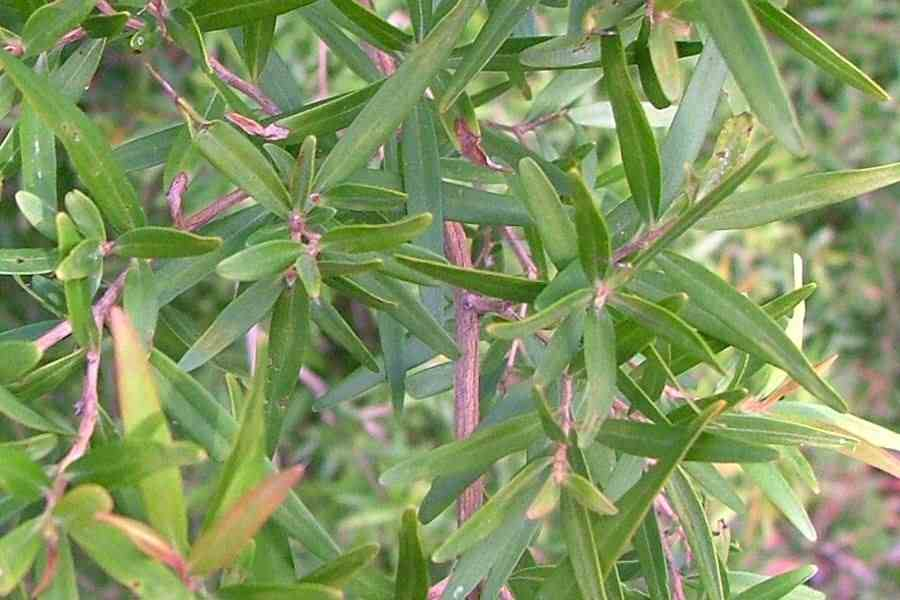
[IMAGE: https://steemitimages.com/DQmc9gScJWL2jfzqTPZZLU2cQc8oLXnz14W9Hw15uXcMWy3/image.png]
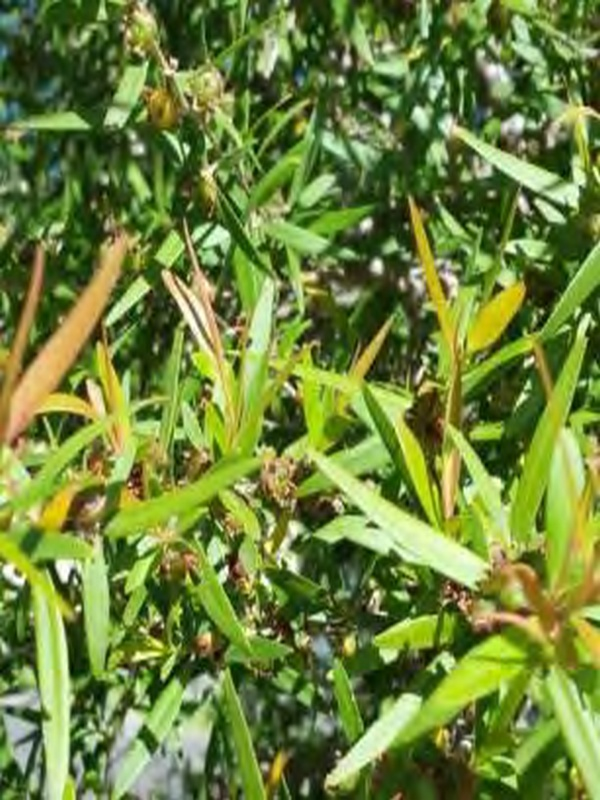
[IMAGE: https://steemitimages.com/DQmdwBHc65vnytVJbwR237m6eLRfBaRvPUK6ncM7YdHCoaq/image.png]
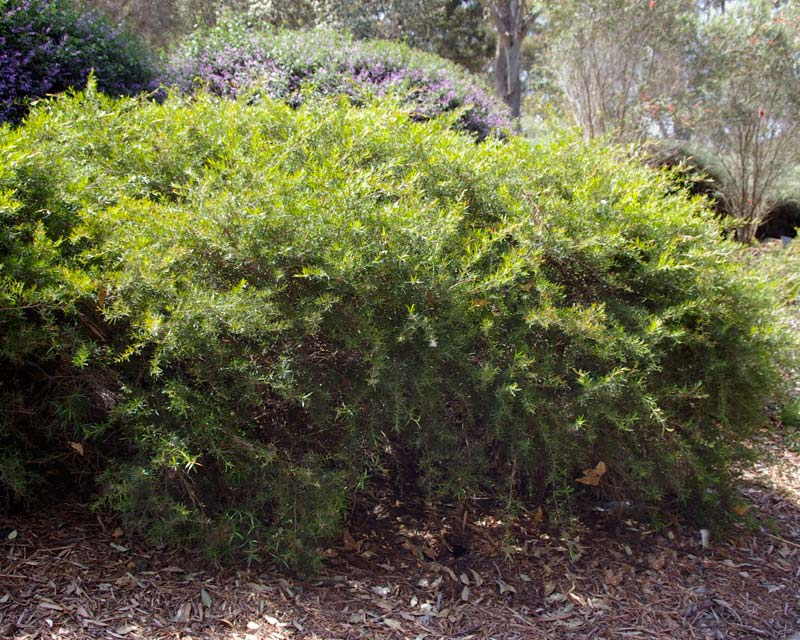
Source : Google and https://www.specialitytrees.com.au/library/leptospermum/petersonii
its name is super incredible and the scent looks interesting i can feel it hahah but thanks for sharing :)
Leptospermum liversidgei is an evergreen Shrub growing to 4 m (13ft 1in).
It is hardy to zone (UK) 8. It is in leaf 12-Jan It is in flower from Jun to July. The flowers are hermaphrodite (have both male and female organs) and are pollinated by Insects.Suitable for: light (sandy), medium (loamy) and heavy (clay) soils and prefers well-drained soil. Suitable pH: acid and neutral soils. It cannot grow in the shade. It prefers moist soil. The plant can tolerates strong winds but not maritime exposure.
Medicinal Uses
Plants For A Future can not take any responsibility for any adverse effects from the use of plants. Always seek advice from a professional before using a plant medicinally.
Cultivation details
Succeed in almost any neutral or acid soil of good or reasonable quality, preferring a light sandy loam and full sun. Prefers a position sheltered from hot or cold drying winds. Only succeeds outdoors in the mild areas of Britain, tolerating temperatures down to about -10°c. If plants are killed back in cold winters they sometimes sprout afresh from the old wood. This species does not regenerate from old wood. Resents root disturbance. The leaves have a delightful lemon scent. The forms grown in Britain have a very weak scent, is this due to a lack of sun?. Plants in this genus are notably resistant to honey fungus.
Propagation
Seed - sow spring in a greenhouse and only just cover the seed. Prick out the seedlings into individual pots when they are large enough to handle and grow them on in the greenhouse for at least their first winter. Plant out in late spring or early summer, after the last expected frosts, and give some protection from the cold for their first winter or two outdoors. The seed remains viable for many years. Cuttings of half-ripe wood, 5 - 8 cm with a heel, early August in a frame. Over-winter in the greenhouse for its first year. Good percentage. Cuttings of almost mature wood, 4 - 5 cm with a heel, October/November in a frame. Good percentage.
Weed Potential
Right plant wrong place. We are currently updating this section. Please note that a plant may be invasive in one area but may not in your area so it’s worth checking.
Description
Common Name :Lemon Scented Tea treeBotanical
Name: Leptospermum petersoniiPlant
size :20 – 25cm
Pot size: 50mm pot.
Max growth:Approximately 3 – 7m high and 2 – 5m wide.
This medium to tall shrub has aromatic leaves which have a strong lemon scent. This fantastic native produces masses of single white flowers through summer. The leaves and the stems both contain essential oils citronella and citral.
Uses:
The leaves can be used for pot pourri or herbal tea. Ideal for use as a hedge or screen as well as ornamental use. We are currently updating this section. Please note that a plant may be invasive in one area but may not in your area so it’s worth checking.
[IMAGE: https://steemitimages.com/DQmcqrF7EaXVHcXH9za7W8Hyfjj1T8Zt9LFMbsMbAUesfXM/image.png]
[IMAGE: https://steemitimages.com/DQmYBHa218fMPW3pg3nSx6Hw72rGZcEK1qpdSiVuaPDvEQs/image.png]
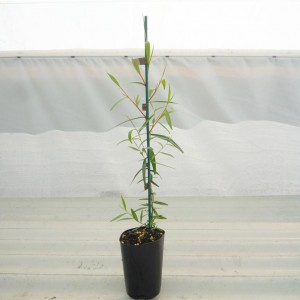
[IMAGE: https://steemitimages.com/DQmVLr6SqtutEDcErpEmqSsPCN13L8trNRaebSGxdbpKKR4/image.png]
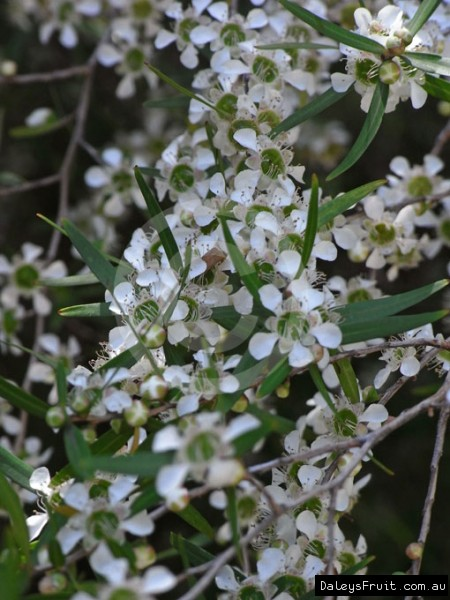
[IMAGE: https://steemitimages.com/DQmYiy4YWEToGtA1DQZnaa9Kfx9eEUmqjyRmwKBSuEUq2wc/image.png]
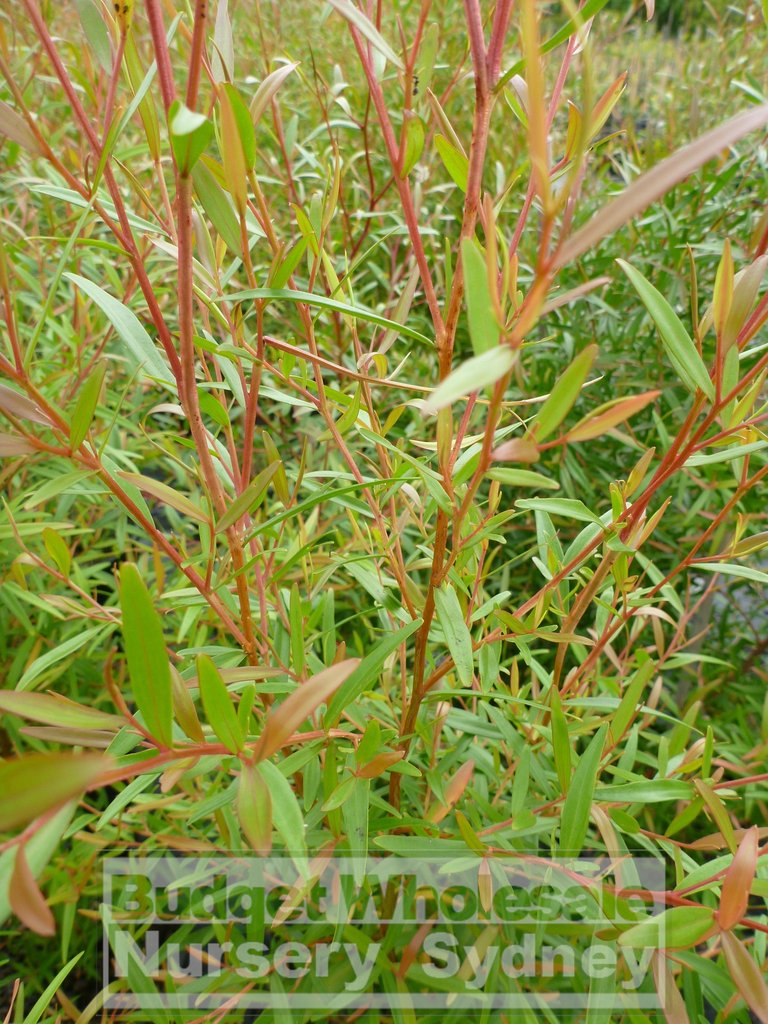
[IMAGE: https://steemitimages.com/DQmQLmGR1k4bXpNnmCx7qaqKTaY6h8bTenz2D1rxu145gk9/image.png]
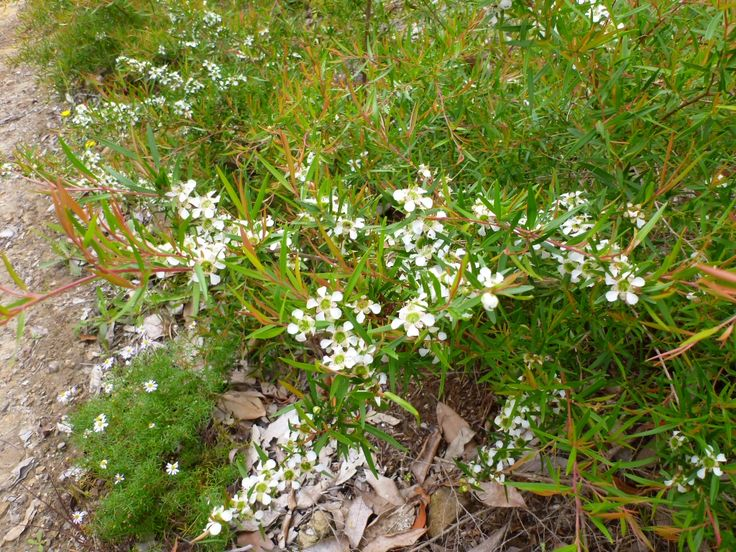
[IMAGE: https://steemitimages.com/DQmRJr5oLL4VxL1p5Yr7avjrKSLyMqPPDE97sdvx82VCsMN/image.png]
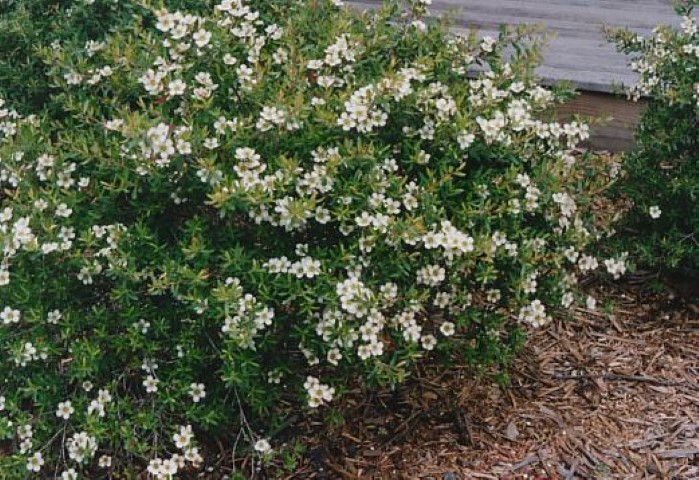
[IMAGE: https://steemitimages.com/DQmPJ4QFGcvqkkAs81F6oefs9XoJXCYCuNcj9eqTVpDvy3T/image.png]
[IMAGE: https://steemitimages.com/DQmRmU32EFLXQNHQL3XC2udpux4aobT7QYA3rDf1tabs5Ah/image.png]
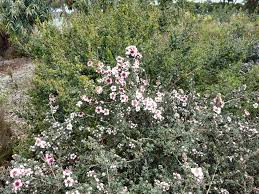
[IMAGE: https://steemitimages.com/DQmTMFkECfPfbmsPUGfUyfp2ypQc9GVKn18uRpENrP15CVC/image.png]
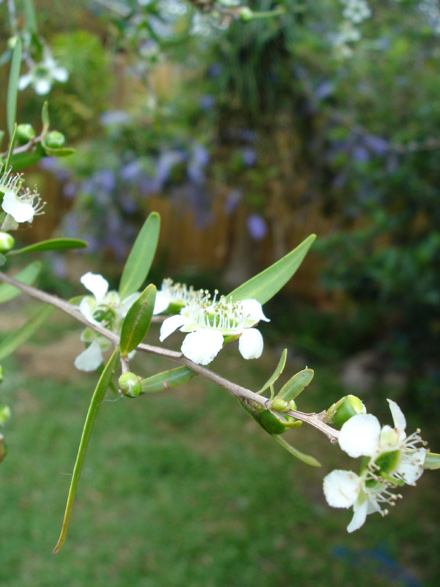
[IMAGE: https://steemitimages.com/DQmdgbzQMzo3bXiLZpRqc2ARnvKeiNonMLpunGpVyUoWRvN/image.png]
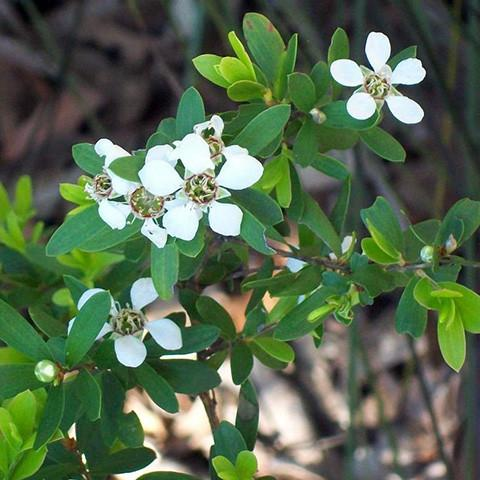
Disclaimers :
All images and text are taken from google for education purposes only.
Thanks.
this looks so nice and amazing pictures i hope this could be find in warmer regions as well
Description: A small native evergreen tree with a rounded canopy. The foliage is lemon scented when crushed.
Flowering Time: Small white flowers that occur in summer and attract birds.
Uses: A good street tree under power lines due to its small size.
Height & Width: 5m x 3m.
http://www.knox.vic.gov.au/Page/Images/Leptospermum_petersonni.JPG
http://www.knox.vic.gov.au/Page/Images/Leptospermum_petersonni_flower_with_bee.jpg
[IMAGE: https://steemitimages.com/DQmc9gScJWL2jfzqTPZZLU2cQc8oLXnz14W9Hw15uXcMWy3/image.png]
[IMAGE: https://steemitimages.com/DQmev9pG1VijHhxXcKLxQAT1ikUX69iSQJ3zUccRV3tJLe5/image.png]
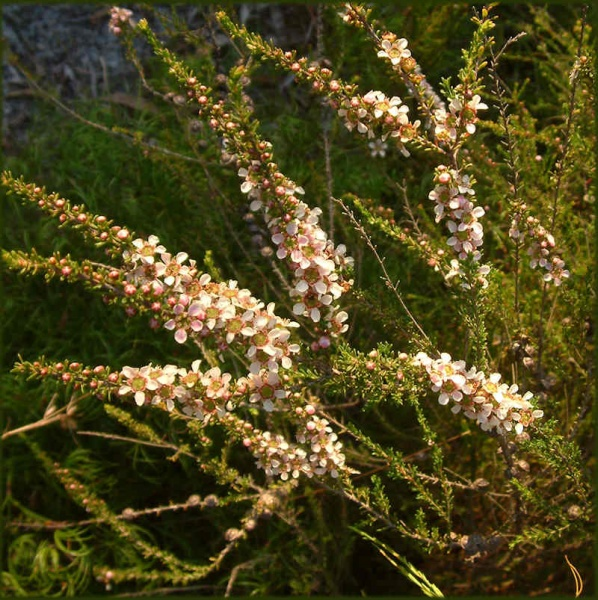
[IMAGE: https://steemitimages.com/DQmfU9yxSw91GTq27q2Jn5tVzc2a4Uo6mma1X5sXsnvxmZr/image.png]

[IMAGE: https://steemitimages.com/DQmWocjiCM7B2nJQzFhuJus93te882G9huLuy37L3TsJ3ji/image.png]
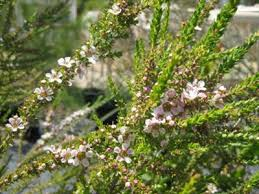
[IMAGE: https://steemitimages.com/DQmNQYhungMM7BmQsYkYhoYBUJBMn86djV2nv8TbBkPhaUx/image.png]\
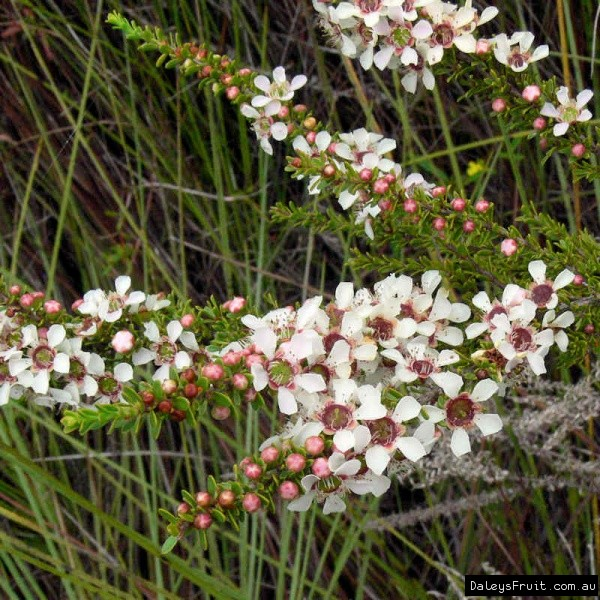
[IMAGE: https://steemitimages.com/DQmNRw7mg5XBRp5iqSLdadwnaWGJSoodKEQuMij2X6fWQRa/image.png]
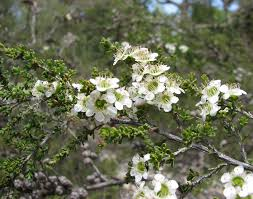
credit: Google image search
for text credit http://www.knox.vic.gov.au/Page/Page.aspx?Page_Id=4595
This shrub plant looks great if care nicely this could look good around house but i think its now for every region
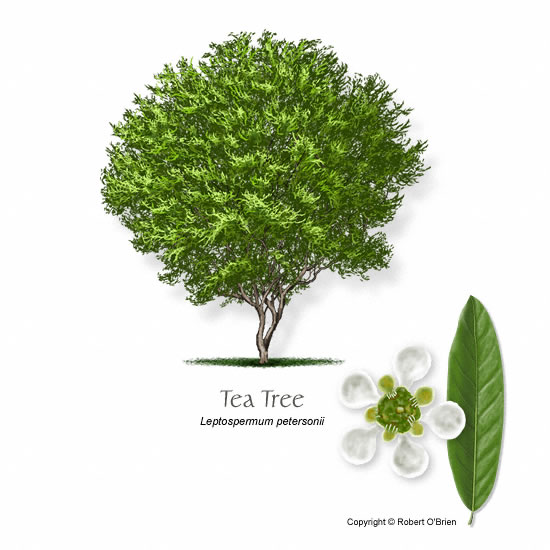
Scientific Name:
Letospermum petersonii
Family:
Myrtaceae
Common Names:
Lemon tea tree, lemon scented tea tree.
it's grows into a lovely spreading shape, and the slightest brush against the leaves does realease a strong lemon scent.
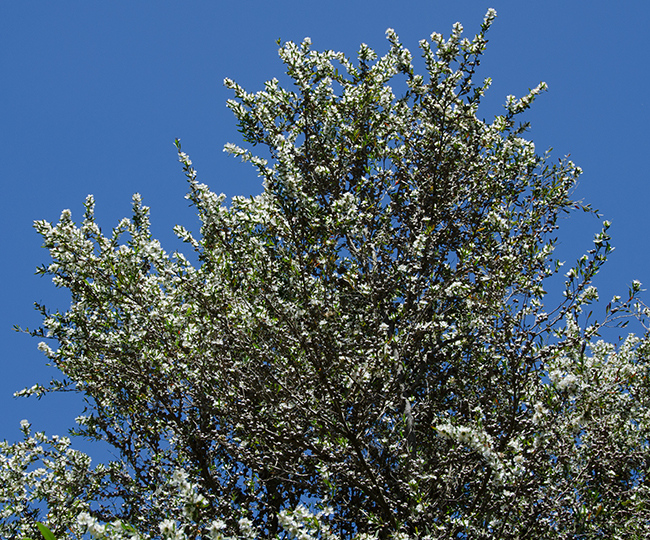
Lemon-Scented tea-tree (Leptuspermum petersonii) is regarded as a minor or potential environmental weed in Victoria and the Coastal districts of central and southern New south wales. For example, it is listed as a potential environmental weed or "sleeper weed" in Frankston City in southern Victoria.
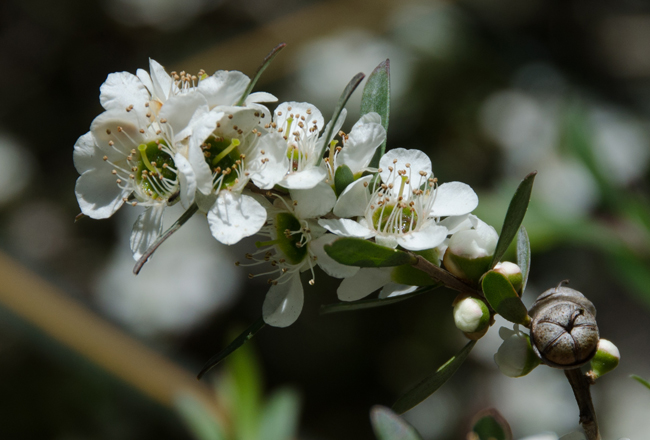
This species grows naturally in the vicinity of wet sclerophyll forests and rainforest north from port Macquarie on the mid- north coast of New South Wales. It is widely cultivated in other parts of Australia and has become naturalised in native vegetation near sydney and Melbourne. While this species is yet to have a significant impact, it is regarded as a potential environmental weed because the closly related coastal tea tree (Leptospurmum lavigatum) has become a serious environmental weed outside its native range in Australia.
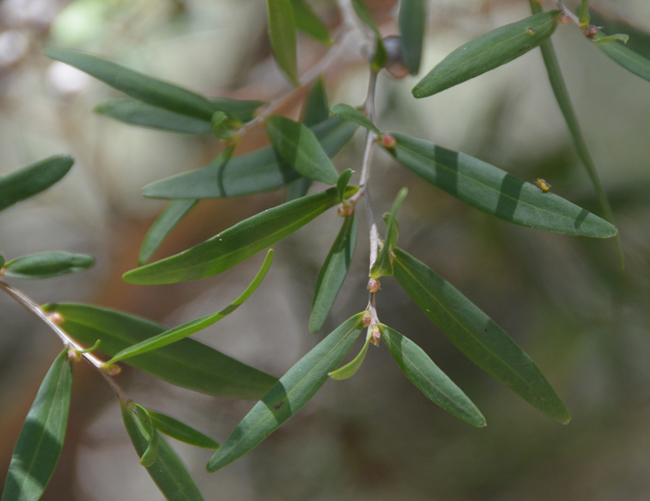
Uses:
Leaves are infused to make tea. Leaf oil is distlled and used externally as an antiseptic on a variety of skin conditions. Fast growing, hardy and ornamental, this shrub is used as a screen or windbreak. Leaves and stems contain essential oils used in candle and soap making.
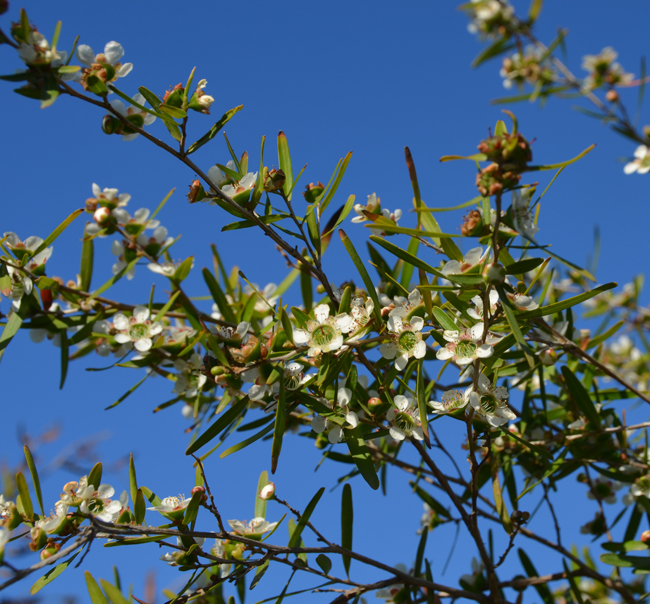
Attracts butterflies- nectar in the flowers provides a food source for butterflies.
Orgin:
Wet Sclerophyll forests and rain forests of eastern Australia.
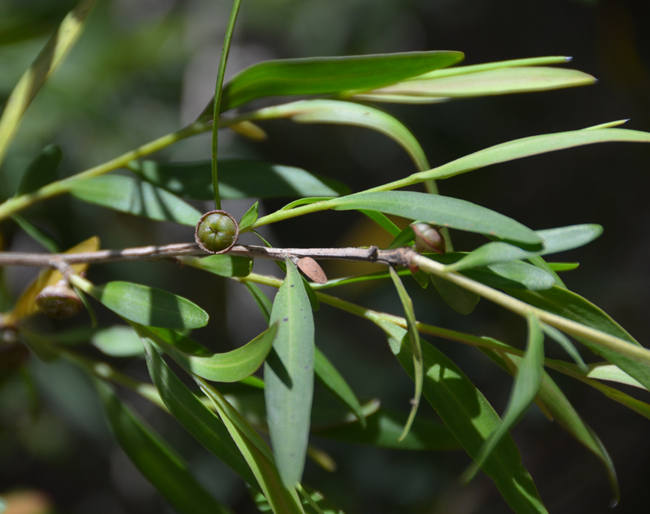
Cultivation:
Evergreen shrub to 5m with attractive copper toned new leaf growth. Grows in full or potential sun and tolerates moderate frosts, drought and wind.
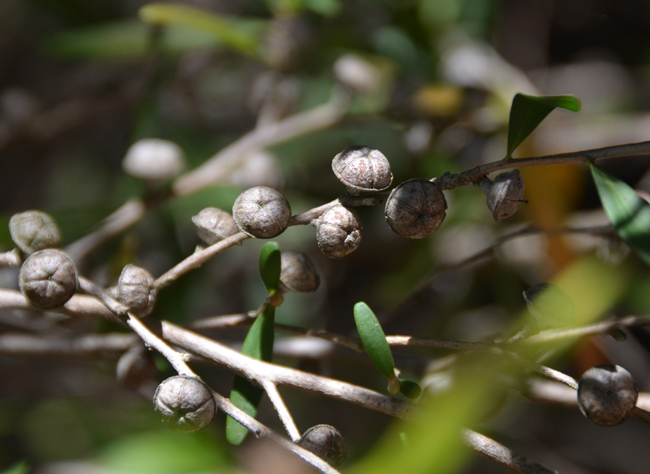
Natural Occurrence in Australia:
Lemon Tea tee naturally occurrs in the south east of Queensland and northern New South wales. A great example of a wild lemon Tea tree stand is at Minyon Falls, in north east New South Wales. It can also be found at Mt Lindesay, springbrook, and Mt Timbeela, which is part of the Glasshouse Mountains.
Tipically like others Melaleuces, it can grow night in amongst wetlands and river courses.
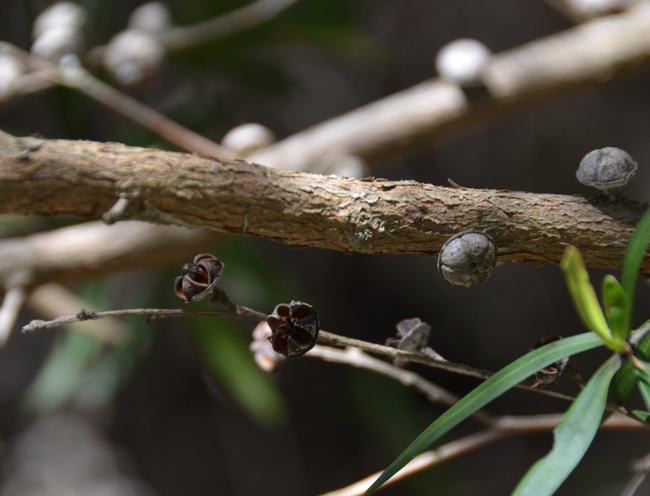
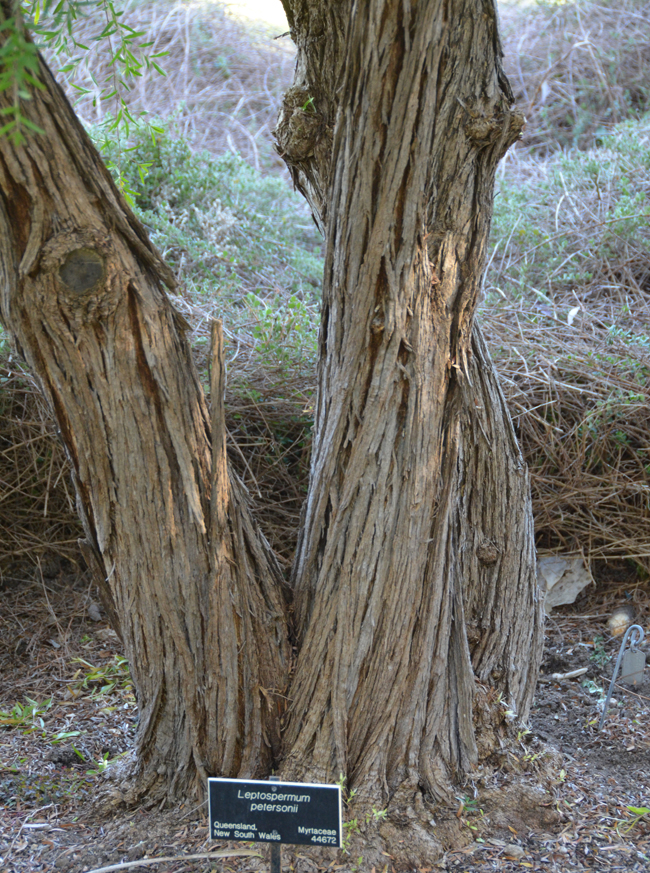
Lemon Tea Tree Essential Oil Benefits
Clear and focus the mind, assist concentration, uplifting, relaxing, calming, relief for mental stress, anti-depressive, aids happiness, removes bad room smells, calms noisy children.
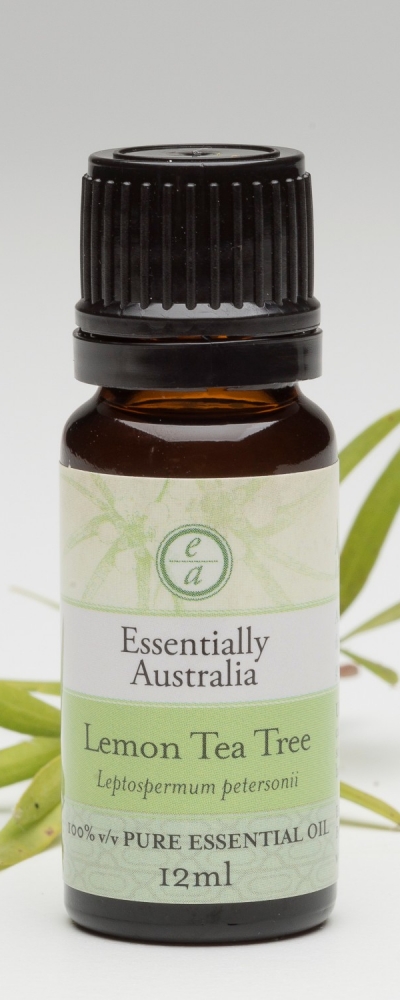
From a distance- like the house- the simple white flowers seem to dust the tree with light snow.
wow this is really an awesome time seeing your post its wonderful to look at :)
Amazing post again by @ctrl-alt-nwo sir...
Leptospermum petersonii (or Leptospermum citratum), lemon-scented teatree is a tall shrub to small tree, growing to a maximum of 5 metres which is cultivated as an ornamental and for essential oils. It naturally occurs near sclerophyll forest or rainforest, on sandy or rocky escarpments, on the east coast of Australia. It has simple leaves, 20–40 mm long, with a distinctive lemony aroma. The flowers are white, followed by woody capsules.
[IMAGE: https://steemitimages.com/DQmWexaPe8b83a6ok957qykveCw9mSn3xNkfmiTrr6ouDMs/220px-Gardenology.org-IMG_2704_rbgs11jan.jpg]
Scientific classification...
- Kingdom: - Plantae
- Clade: - Angiosperms
- Clade: - Eudicots
- Clade: - Rosids
- Order: - Myrtales
- Family: - Myrtaceae
- Genus: - Leptospermum
- Species: - L. petersonii
[IMAGE: https://steemitimages.com/DQmZQJdCuZiTWTvRJmp8DzyidFt8m1oTYTRwZ6BvFpR2RD5/220px-Gardenology.org-IMG_2706_rbgs11jan.jpg]
The leaves are distilled commercially for the essential oil which contains citronellal, citral, and pinene. It is grown in plantations in Kenya, Zaire, South Africa, Guatemala and Australia.
The leaf of lemon-scented teatree is also used as a flavouring ingredient in boutique tea blends with standard black tea, Camellia sinensis.
The essential oil from L.petersonii inhibits the pathological fungi Candida albicans and Aspergillus fumigatus.
It can be mistaken for Backhousia citriodora...
Lemon-scented teatree is well known as a garden plant, popular for its scent and attractiveness. It is fast growing and can be kept to shrub height by pruning. The ability to be pruned regularly also makes it well-suited for hedges, windbreaks and harvesting for distilled essential oils.
Leptospermum liversidgei is also called "lemon-scented teatree" due to the presence of lemony essential oils.
Wel done and perfect work sir...
Upvoted and resteemed...
Cheers~~~
Characteristics of Lemon Tea Tree Essential Oil;
Clear to yellow colour, watery, scent citrus, lemon fresh.
Extraction and Farming Method of Lemon Tea Tree essential oil;
Lemon Tea Tree essential oil is extracted via steam distillation of the middle and upper stem, branchlets and leaves. Lemon Tea Tree is grown in plantations in north east New South Wales.
Lemon Tea Tree plantation trees are planted in rows, are kept to a maximum height of 2 metres, they are machine harvested and are then steam distilled immediately to maintain quality.
History – Lemon Tea Tree
Traditional Usage;
Traditional usage did include using the leaves for infections and for troubled skin conditions.
Early European Usage
Lemon Tea Tree, is too small to be used for timber. Eg woodwork or firewood, it was not exploited during the two World Wars for any essence needs, like Lemon Myrtle and Anise Myrtle.
Present Day Usage
At present the Lemon Tea Tree essential oil is obtained from plantations in northern New South Wales, the essential oil is used by aromatherapists and the oil is included in insect repellent formulations.
Typical Chemical Profile of Lemon Tea Tree Essential Oil ;
alpha pinene 1.0%
beta-pinene 0.3%
myrcene 1.5%
limonene 0.2%
1,8 cineole 0.9%
linalool 2.0%
citronellal 24.5%
geraniol 3.0%
neral 22.0%
geranial [IMAGE: https://img.esteem.ws/ejqnoiuajg.jpg] [IMAGE: https://img.esteem.ws/izumbxy2qo.jpg] [IMAGE: https://img.esteem.ws/xzoh3nfrvr.jpg] [IMAGE: https://img.esteem.ws/ji1xuq81nx.jpg]
@source


Another wonderful and interesting post by @ctrl-alt-nwo sir...
1. Common Name: - Lemon Scented Tea tree
2. Botanical Name:- Leptospermum petersonii
3. Plant size:- 20 – 25cm
4. Pot size:- 50mm pot.
5. Max growth:-Approximately 3 – 7m high and 2 – 5m wide.
[IMAGE: https://steemitimages.com/DQmWwkNeuDmZYzEo3L7yggFnidKKsCRUZt7NwWqJZSD48WB/images%20(19).jpeg]
.jpeg)
Description:-
This medium to tall shrub has aromatic leaves which have a strong lemon scent. This fantastic native produces masses of single white flowers through summer. The leaves and the stems both contain essential oils citronella and citral.
Uses:-..
The leaves can be used for pot pourri or herbal tea. Ideal for use as a hedge or screen as well as ornamental use.
[IMAGE: https://steemitimages.com/DQmZQJdCuZiTWTvRJmp8DzyidFt8m1oTYTRwZ6BvFpR2RD5/220px-Gardenology.org-IMG_2706_rbgs11jan.jpg]
- Position- Full Sun, Semi Shade
- Garden Style- Native Garden
3.Hedging- Border Hedge, Tall Hedge, Privacy Screen, Wind break - FlowersBird attracting
- Plant TypeNatives, Evergreen, Foliage Plants, Large Shrubs
- Uses- Feature planting
- Growth Rate -Fast
Wel done sir...
My hobby is garderning...I'm really like ur flower posts...
Hi @ ctrl-alt-nwo awesome article . here is my research on this tree please have a look.
Leptospermum liversidgei:
[IMAGE: https://res.cloudinary.com/hpiynhbhq/image/upload/v1521129626/w7naasxh6qlqauijqhtg.jpg]

Leptospermum liversidgei, commonly known as lemon-scented tea-tree, swamp may, olive teatree, or lemon teatree, is a shrub to 4 m found naturally growing in wet coastal heath in Eastern Australia. Leaves are 5–7 mm long, with a distinctive lemony aroma. The white or pink flowers are solitary, followed by a woody capsule.
Leptospermum liversidgei
-
Scientific classification
- Kingdom: Plantae
- Clade: Angiosperms
- Clade: Eudicots
- Clade: Rosids
- Order :Myrtales
- Family: Myrtaceae
- Genus: Leptospermum
- Species:L. liversidgei
The name "Leptospermum" is from the Greek "leptos sperma" which means "thin seed", and "liversidgei" is after Professor A. Liversidge.
Leptospermum liversidgei has two essential oil chemotypes:
The citral chemotype is used as a bushfood spice to flavour teas and food products. This citral chemotype is sometimes called "lemon teatree" when the dried leaves are used in tea, and as food flavouring. Small-scale production is from wild-harvesting.
The citronellal chemotype is cultivated as a mosquito repellent.
The shrub is also cultivated as a garden ornamental.
Leptospermum petersonii:
Leptospermum petersonii or the Lemon Scented Tea Tree is a vigorous, fast growing, tall shrub with handsome foliage that is intensely aromatic (lemon).
The soft, pendulous branches bear long, slender leaves that start coppery, then turn green.
The soft, pendulous branches bear long, slender leaves that start coppery, then turn green.
The small, white flowers are pretty but not very conspicuous and followed by woody capsules.
Although they prefer full sun they will grow in part shade but will tend to have a more open habit. They will tolerate mild drought and marginal frosts.
They are commonly seen in Australian gardens, either as an ornamental feature or as a screen or hedge. Their very fast growth making them ideal for quick screening in new housing areas.
They also attract birds to your garden.
Soil: Any light soil, providing it's well drained in a sunny location.
This is a plant for difficult soils - if nothing else will grow there, then Leptospermum petersonii probably will.
Maintenance:Avoid root disturbance.
Otherwise low maintenance ,apart from a trim now and again to keep it tidy and a light sprinkling of blood and bone (or a balance fertiliser for natives) once a year, in spring.
Diseases: None of note.
Other Species: 80 others - mainly Australian, some NZ, and a couple from Malaysia. Note in particular L. scoparium which has deep pink flowers and bronze foliage.
Comments: Name means slender seed. Its name is incorrect as it is no relation to the tea bush (camellai sinensis). Captain Cook and his crew tried to make tea-like infusions from it, believing the citrus aroma would prevent scurvy.
However the oils are now commercially distilled for many purposes including adding to every day black tea.
[IMAGE: https://res.cloudinary.com/hpiynhbhq/image/upload/v1521129650/rdtmbylzghke89wza51p.jpg]
[IMAGE: https://res.cloudinary.com/hpiynhbhq/image/upload/v1521129658/qdzksxrmcmwzfjveinyc.jpg]
[IMAGE: https://res.cloudinary.com/hpiynhbhq/image/upload/v1521129664/d48eagigwxcqk8uy2ke9.jpg]
[IMAGE: https://res.cloudinary.com/hpiynhbhq/image/upload/v1521129676/qdiawzbavlvfw0nlh3ti.jpg]
[IMAGE: https://res.cloudinary.com/hpiynhbhq/image/upload/v1521129684/ayvjtfl6mkymiim4fnbk.jpg]
[IMAGE: https://res.cloudinary.com/hpiynhbhq/image/upload/v1521129772/yofj4bne9apuvajtbcot.jpg]
[IMAGE: https://res.cloudinary.com/hpiynhbhq/image/upload/v1521129787/s9n14xnlhk4xcypdaozt.jpg]
[IMAGE: https://res.cloudinary.com/hpiynhbhq/image/upload/v1521129816/gnodxyd0mrugvjqf2oao.jpg]
[IMAGE: https://res.cloudinary.com/hpiynhbhq/image/upload/v1521129829/zc6gtvhcphaq2pimgjxm.jpg]
[IMAGE: https://res.cloudinary.com/hpiynhbhq/image/upload/v1521129853/dgynwvvrczixxmt8eha7.jpg]
[IMAGE: https://res.cloudinary.com/hpiynhbhq/image/upload/v1521129863/wiqchyx31wf0c0uyh0qt.jpg]
source : Google and Wikipedia.


Not all your pics are L.petersonii, but they are Tea Trees.
Hello dear @ctrl-alt-nwo
Thanks for update excellent and wonderful article about plants / trees. its very nice activity which like really most of steemian.
Regarding Lemon Scented Tea Tree, I read and search many work. so I brief it shortly.
[IMAGE: https://steemitimages.com/DQmbb9x6nczvwa6UD8F1BWLBmeL7TypsnJEFEExtVbDEE3B/images%20(4).jpg]
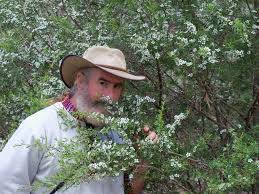.jpg)
max growth: Approximately 3 – 7m high and 2 – 5m wide.
[IMAGE: https://steemitimages.com/DQmVjPpSUX94vfDgBE7WFN7Rpd8p6RDpe25XKoFgh13tYD9/1980956.jpg]
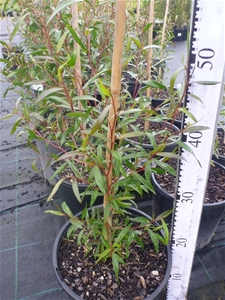
Description: This medium to tall bush has fragrant leaves which have a solid lemon aroma. This awesome local produces masses of single white blossoms through summer. The leaves and the stems both contain fundamental oils citronella and citral.
In the event that you choose to begin developing lemon cypress trees inside as houseplants, recollect that they do best with cool indoor temperatures. Keep your indoor regulator in the low 60's amid winter. Maybe the most troublesome piece of lemon cypress houseplant mind is guaranteeing adequate light. Select a window that gives great daylight and turn the compartment consistently to give each side a turn. The houseplant expects 6 to 8 hours of direct sun. Bear in mind water – fundamental for lemon cypress houseplant mind.
[IMAGE: https://steemitimages.com/DQmcfwxx51BzFhotgrMwTThFgdUYCSTgyn1mFmbjCSNWg14/1.jpg]
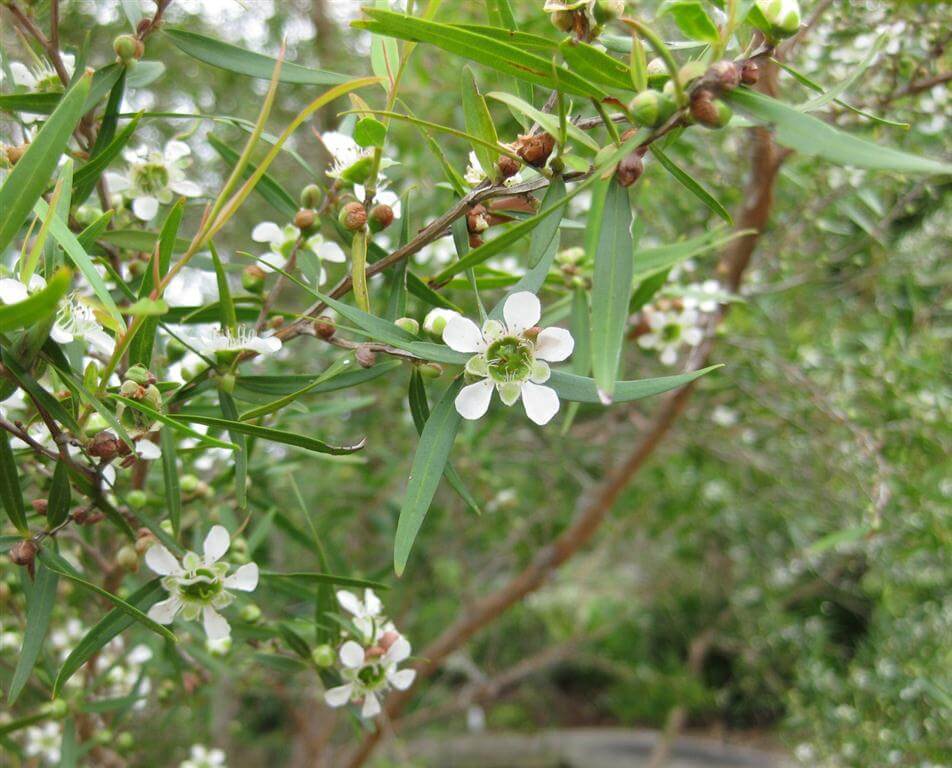
[IMAGE: https://steemitimages.com/DQmayHHwoBAT5LXJNMwN6YnmuEYkisTdgNvdVQYwd1soBD5/2.jpg]
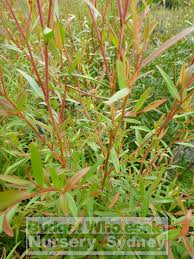
Uses: The leaves can be utilized for pot pourri or natural tea. Perfect for use as a fence or screen and in addition fancy utilize.
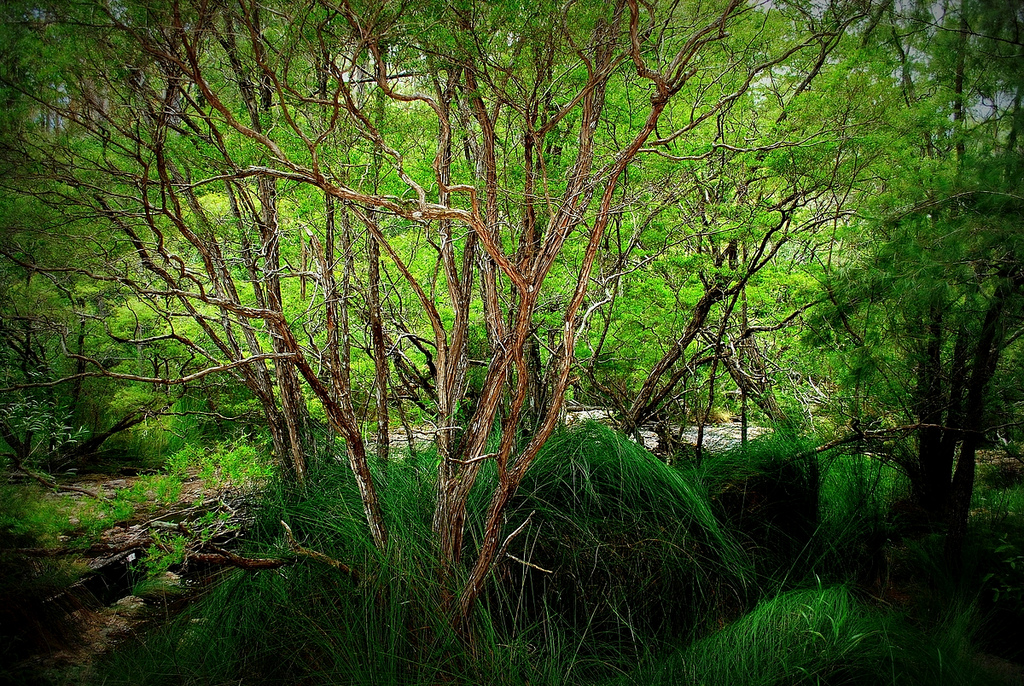
Position: Full Sun, Semi Shade
[IMAGE: https://steemitimages.com/DQmUvVzYA7mjcnvi2uZsxX7NKZxzUGQV4SNZggKTqmfRVyu/lepe_web_3.jpg]
Garden Style: Native Garden
Hedging: Border Hedge, Tall Hedge, Privacy Screen, Wind break
Flowers: Bird attracting
Plant Type: Natives, Evergreen, Foliage Plants, Large Shrubs
Uses: Feature planting
Growth Rate: Fast
The lemon cypress tree, likewise called Gold crest after its cultivar, is an assortment of Monterey cypress. It gets its regular name from the capable solid lemon aroma that its branches ooze on the off chance that you brush against them or smash their foliage. You can begin developing lemon cypress trees (Cupressus macrocarpa 'Goldcrest') inside or outside. Lemon cypress mind isn't troublesome in the event that you know some essential tenets.
hope you like it
I always follow your awesome blogs and upvote
Australian Native Plants
Leader in ornamental trees and shrubs for Mediterranean gardenslogin
register
Plants
Books
Shop
Resources
Help
About
contact
view cart
events
price list
custom plant lists
Plants
Australian Native Plants, located in Ventura, CA, is a leader in ornamental trees and shrubs for Mediterranean gardens. Shop the online store or come visit us (by appointment only).
Discover
Hymenanthera dentata
aka Tree Violet
Eremophila nivea
Ground Cover
Grass
Shrub
Tree
Vine
Search:
search plants...
Leptospermum petersonii
DESCRIPTION
Small tree 10-20' with fine, lime green scented foliage and white flowers in early summer. Hardy to most soils and situations. Tolerant of light frosts, extended dry periods and pruning. Great small tree for small gardens. Excellent screen, windbreak and hedge. Leaves and stems contain essential oils used in candle and soap making. Leaves can be used as a tea substitute.
DETAILS
Biological Name: Leptospermum petersonii
Common Name: Lemon-scented Tea-tree
Family: Myrtaceae
Origin: Eastern Australia
Exposure: Full Sun to Partial Shade
Irrigation: Drought tolerant once established
Frost: Moderately Frost Tolerant 25F (-4C)
Soil: Well-drained to poorly drained soils
Flower Color: White
Flower Time: Early summer
Height: Variable 10-20'
Width: Variable
See also...
Shrub
Tree
Availability ...
1 Gallon: not available
2 Gallon: not available
5 Gallon: $34.00
15 Gallon: backordered
Mail Order Plant (online only): not available
Seeds (online only): not available
Propagation Information: Seed germinates readily. No pre-treatments required.
PHOTOS
Leptospermum_Petersonii.jpg
Leptospermum_Petersonii_1.jpg
EXPLORE
View Category Cloud
Description: View a list of all the categories associated with the plants arranged in a visual design where the size of each category is determined by the number of plants associated with that category.
[view category cloud]
Most Requested Categories
Description: Select from the list of the most requested plant categories.
Drought Tolerant (once established)
Full Sun or Shade
Moderately Frost Tolerant
Beautiful. Never had seen tea tree before.
DESCRIPTION
Leptospermum petersonii (Lemon Scented Tea Tree) - This is a fast-growing evergreen, open-branched shrub or small tree to 8-20 feet tall with small, narrow (1-2 inch long by up to 1/4 inch wide) pale green leaves. White flowers with green centers bloom in summer on arching, pendulous branches. The leaves, if crushed, give off a lemon scent. It has similar cultural requirements as L. laevigatum. Plant in full sun. It is drought tolerant. Protect from hot, dry winds. It will grow in seaside conditions. It is slightly frost-tender, taking temperatures down to about 25 degrees F. This description is based on research and observations made of this plant as it grows in our nursery, in our nursery garden and in other gardens that we have visited. We also try to incorporate comments received from others and appreciate getting feedback of any kind from those who have any additional information about this plant, particularly if they disagree with what we have written or if they have additional cultural tips that would aid others in growing Leptospermum petersonii.
[IMAGE: https://steemitimages.com/DQmfE9NqvXLnPycUKoHBPU5vbeFmMkr233zmFhGvxo6kqX8/1.3.jpg]
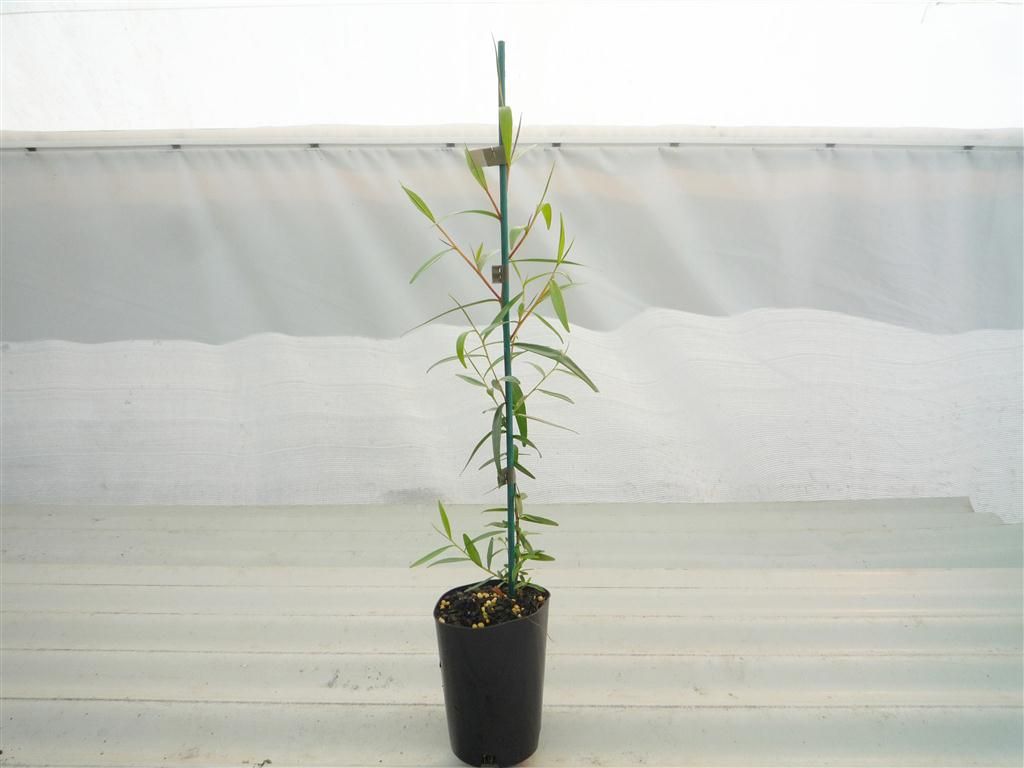
Habit and Cultural Information
Category: Tree
Family: Myrtaceae (Myrtles)
Origin: Australia (Australasia)
Evergreen: Yes
Red/Purple Foliage: Yes
Flower Color: White
Bloomtime: Spring/Summer
Fragrant Flowers: Yes
Height: 12-20 feet
Width: 8-12 feet
Exposure: Full Sun
Seaside: Yes
Summer Dry: Yes
Deer Tolerant: Yes
Irrigation (H2O Info): Low Water Needs
Winter Hardiness: 25-30° F
[IMAGE: https://steemitimages.com/DQmPYV6YM5dwJvxHLf6JAs82ZmwSUAjLEEUgtrHjgukfzXK/1.jpg]
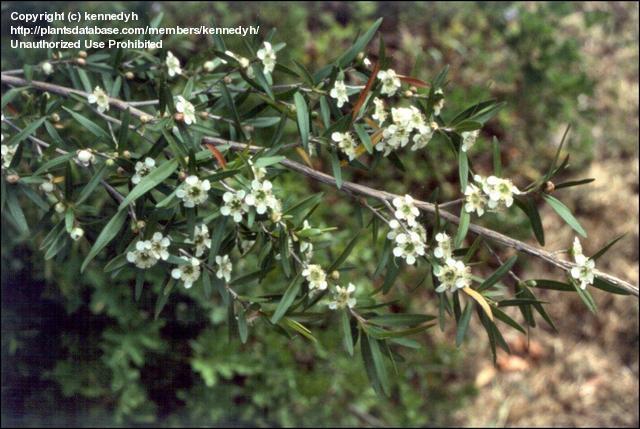
Uses
Fantastic as a street tree because of its smaller growth and can also be used as an informal hedge because of its dense foliage. It also is a great bird attractant.
[IMAGE: https://steemitimages.com/DQmT6mTsJqg9KqUA19T6pfHaVEbFRE6jw2dy9LofyZxgNNW/1.44.jpg]
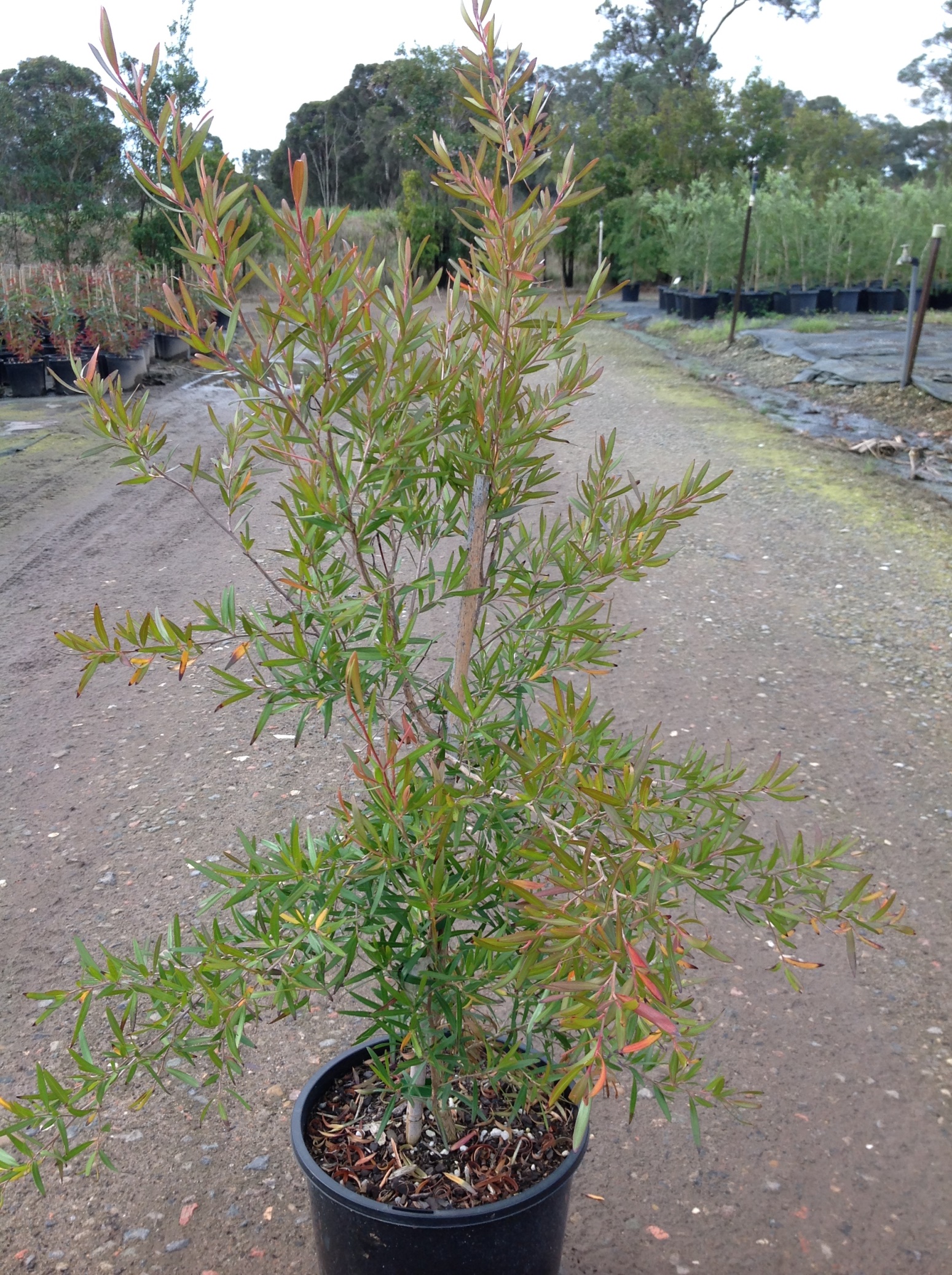
Pests and diseases
Unfortunately, a large number of species are prone to a variety of pests. Probably the worst and most common is the webbing caterpillar, which feeds on the foliage of most of the smaller-leaf species, matting the leaves together with webbing and filling it with their droppings. This can cause complete defoliation in small plants and may even cause death. The easiest and safest means of control, if the problem is found early enough, is to remove the mass of grubs, webbing and frass with the fingers and squash it. If spraying is considered necessary, a systemic spray must be used, as contact sprays are mostly ineffective.
[IMAGE: https://steemitimages.com/DQmVeA5hkRCuLJmACZZcj38U6oPnaeGYjqKVHhgPWR4QHCz/1.5.jpg]
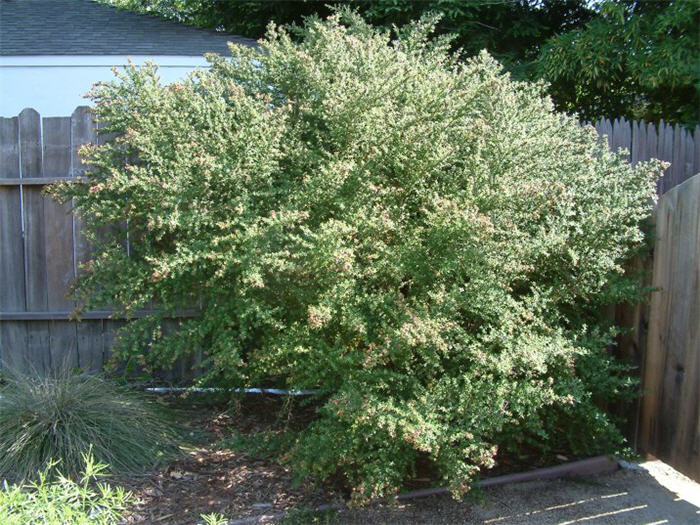
Another prevalent pest is scale, which is usually associated with black smut causing an unsightly blackening of the foliage. The L. scoparium cultivars are particularly affected. Treatment is to spray with white oil when the crawling stage of the insect is mobile, usually in early spring. Later application should have an insecticide added to the white oil solution, to obtain effective control.
Borers may also attack tea-trees and their presence is made apparent by small piles of sawdust-like frass on the branch forks or near the base of the shrub. The safest method of control is to use a small syringe containing methylated spirits and squirt it into the hole made by the borer.
[IMAGE: https://steemitimages.com/DQmUFSGvQA9YgCFakvg1RXC2JaEhDhk4K8gKaJ3CkEvqmLX/1.2.jpg]
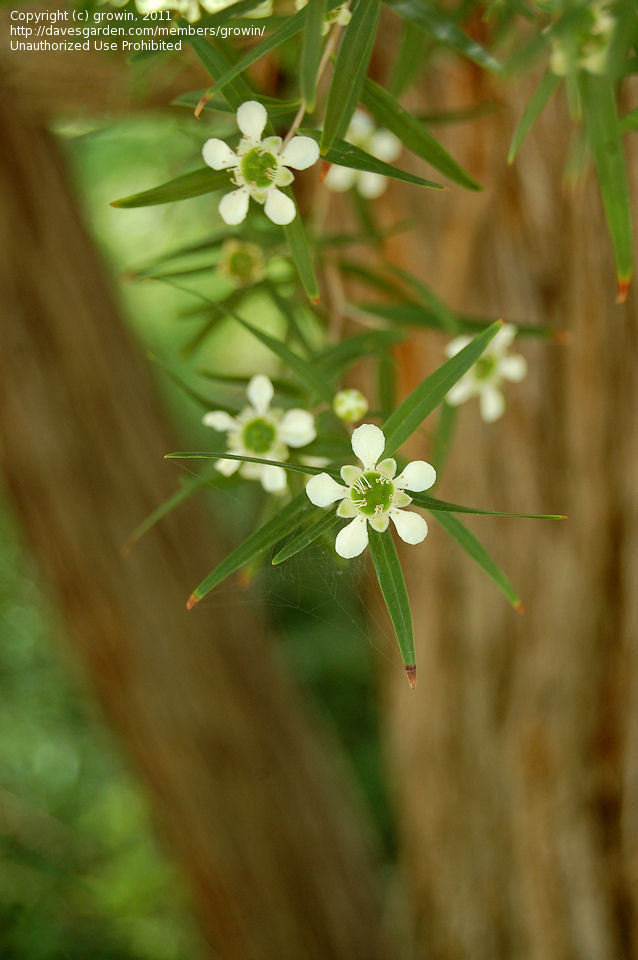
The lemon Scented Tea Tree ( Leptospermum petersonii ) is a rounded shrub to 4 m high by 3 m across. Leaves are narrow-lanceolate, to 4 cm, and strongly lemon-scented. White flowers, 1.5 cm in diameter.
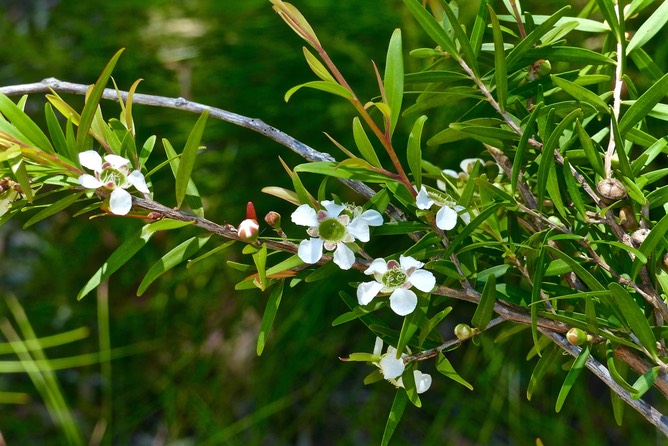
Cultivation
Cultivation presents few problems as most adapt well to a variety of soil types. Full sun is preferred but many species will tolerate poor drainage and, in fact, some thrive in regularly inundated conditions. Tip pruning after flowering improves the vigour of most species and tends to avoid the woody appearance that may develop in some.
[IMAGE: https://steemitimages.com/DQmevzxyDmj57GXRBqb7itbrmdP7eXZbm15fznTGpZB8rES/LemonTeaTree.jpg]
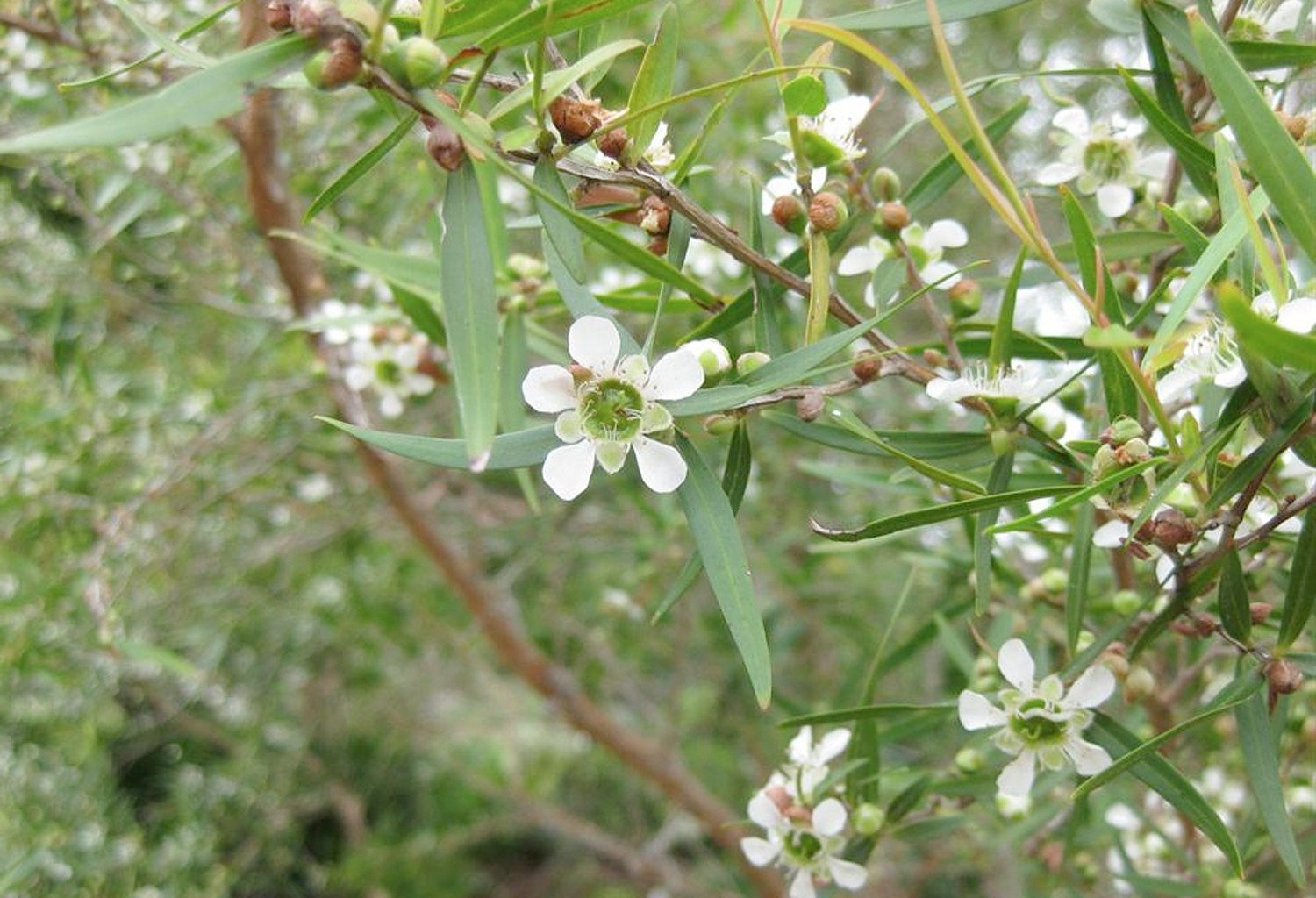
Propagation
Propagation is easy from both seed and cuttings and cultivars must be reproduced by vegetative means if clonal properties are to be retained.
[IMAGE: https://steemitimages.com/DQmatQo5fgtHMreXszNAvZgJ6iwt6f2UmWiefBCTi6KtSMZ/062_2.jpg]
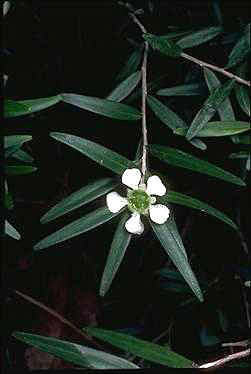
Pests and diseases
Probably the worst and most common pest is the webbing caterpillar, which feeds on the foliage of most of the smaller-leaf species, matting the leaves together with webbing and filling it with their droppings. This can cause complete defoliation in small plants and may even cause death. The easiest and safest means of control, if the problem is found early enough, is to remove the mass of grubs, and webbing with the fingers and squash it. If spraying is considered necessary, a systemic spray must be used, as contact sprays are mostly ineffective.
Another prevalent pest is scale, which is usually associated with black smut causing an unsightly blackening of the foliage.
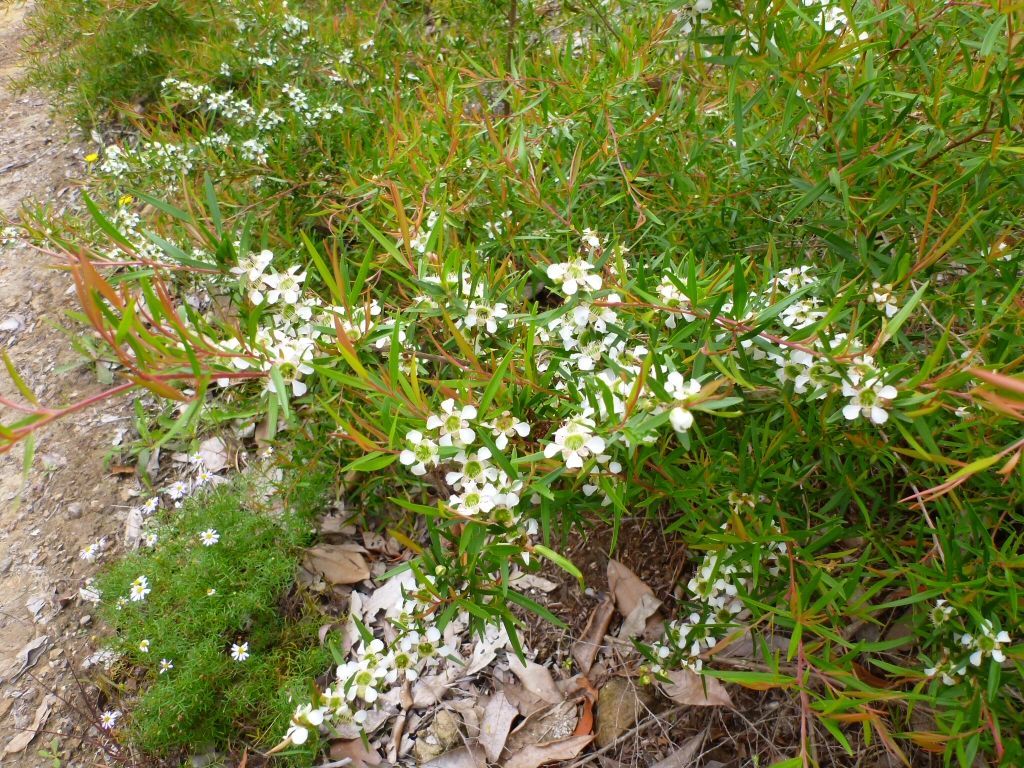
Borers may also attack tea-trees and their presence is made apparent by small piles of sawdust-like frass on the branch forks or near the base of the shrub. The safest method of control is to use a small syringe containing methylated spirits and squirt it into the hole made by the borer.
Some common uses
Leaves are infused to make tea. Leaf oil is distlled and used externally as an antiseptic on a variety of skin conditions. Fast growing, hardy and ornamental, this shrub is used as a screen or windbreak. Leaves and stems contain essential oils used in candle and soap making. The leaves are used to brew a strongly aromatic tea, or they can be added as a flavouring to china tea. They are strongly lemon-scented.
source
Thank you @ctrl-alt-nwo for taking time to read it.
Another wonderful and interesting flower post by @ctrl-alt-nwo sir...
Leptospermum petersonii (or Leptospermum citratum), lemon-scented teatree is a tall shrub to small tree, growing to a maximum of 5 metres which is cultivated as an ornamental and for essential oils. It naturally occurs near sclerophyll forest or rainforest, on sandy or rocky escarpments, on the east coast of Australia. It has simple leaves, 20–40 mm long, with a distinctive lemony aroma. The flowers are white, followed by woody capsules.
[IMAGE: https://steemitimages.com/DQmY3LDu2yTkT2KEkzTC4KmtgUrzLezK1jzbwRrzPLEXbH5/20180315_230631.jpg]
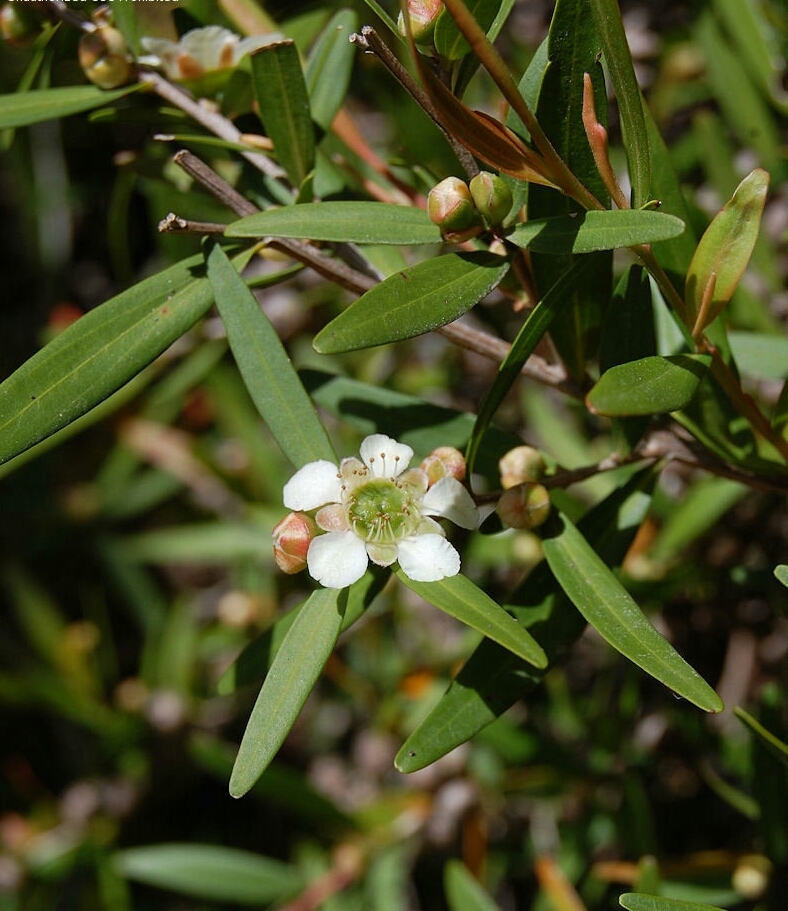
Leptospermum petersonii or the Lemon Scented Tea Tree is a vigorous, fast growing, tall shrub with handsome foliage that is intensely aromatic (lemon).
The soft, pendulous branches bear long, slender leaves that start coppery, then turn green.
The small, white flowers are pretty but not very conspicuous and followed by woody capsules.
Although they prefer full sun they will grow in part shade but will tend to have a more open habit. They will tolerate mild drought and marginal frosts.
[IMAGE: https://steemitimages.com/DQmdSJmuwFPyFroNVYSLcjqVry5kBYt9xEi4xHGNZWndZK2/2.33.jpg]
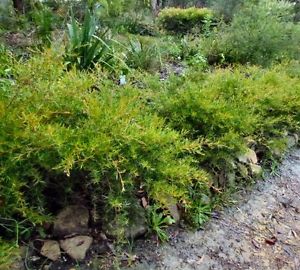
They are commonly seen in Australian gardens, either as an ornamental feature or as a screen or hedge. Their very fast growth making them ideal for quick screening in new housing areas.
They also attract birds to your garden.
Soil: Any light soil, providing it's well drained in a sunny location.
This is a plant for difficult soils - if nothing else will grow there, then Leptospermum petersonii probably will.
[IMAGE: https://steemitimages.com/DQmVMUBSq3R1aDbnfZ3XL37kNYaCbC3TsZAyVT4HDre98Ar/2.5.jpg]
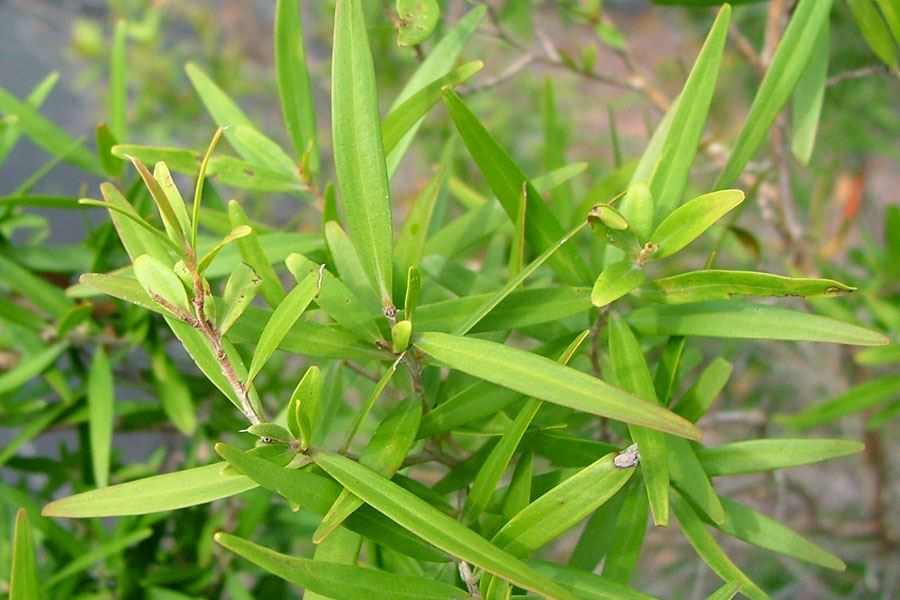
Maintenance: Avoid root disturbance.
Otherwise low maintenance ,apart from a trim now and again to keep it tidy and a light sprinkling of blood and bone (or a balance fertiliser for natives) once a year, in spring.
Lemon scented Tea Trees will grow in any soil Wendy, acid or alkaline. They are well known for attracting bees and tea tree honey is a favourite of mine. As for the minimum rainfall, sorry we have no data on this. Suffice to say though that all shrubs require regular access to water to get established which generally takes around one year. You therefore have to be prepared to water them during this period. They are drought tolerant but not for long periods..
[IMAGE: https://steemitimages.com/DQmfXGWEGWBESgScHNDbi5Rh2Q412f1q7WvXMpjsZwoJF8J/2.1.jpeg]
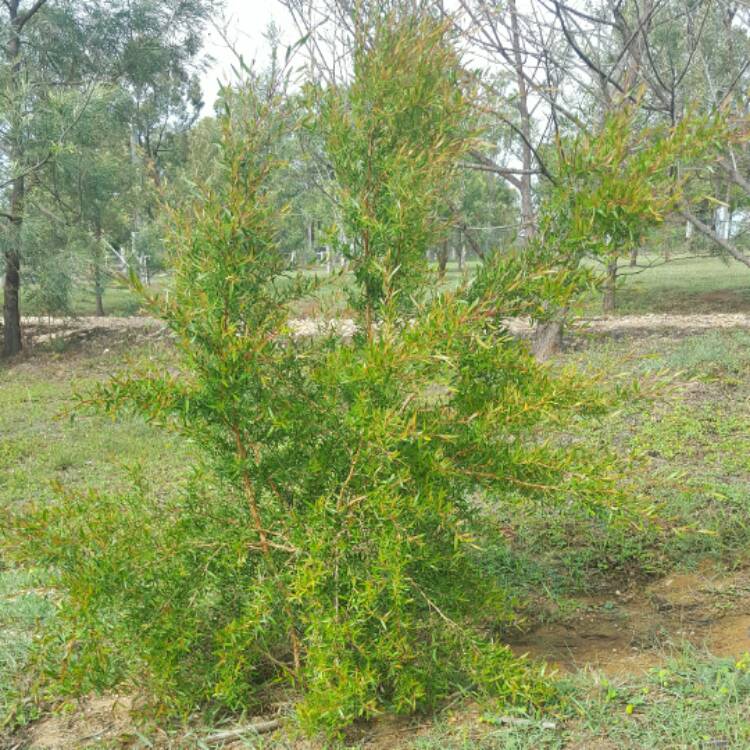
Cultivation of Leptospermum
Most members of the genus make useful ornamentals and some are fine specimen plants with attractive foliage or bark as well as showy flowers. L. scoparium, a species that Tasmania shares with New Zealand, has produced many cultivars. These have usually arisen as chance seedlings from New Zealand stock and will not be dealt with in this treatment.
Some have originated in other countries such as the United States, the United Kingdom and Ireland. The potential for further breeding with other species such as L. sericeum, L. rotundifolium, L. spectabile and L. macrocarpum is excellent and would undoubtedly produce cultivars far superior than have yet been seen.
[IMAGE: https://steemitimages.com/DQmTVvQDmAkPpcXARcZ67qXABYEZAmfRvX6LuedCxWmQ2jk/2.3.jpg]
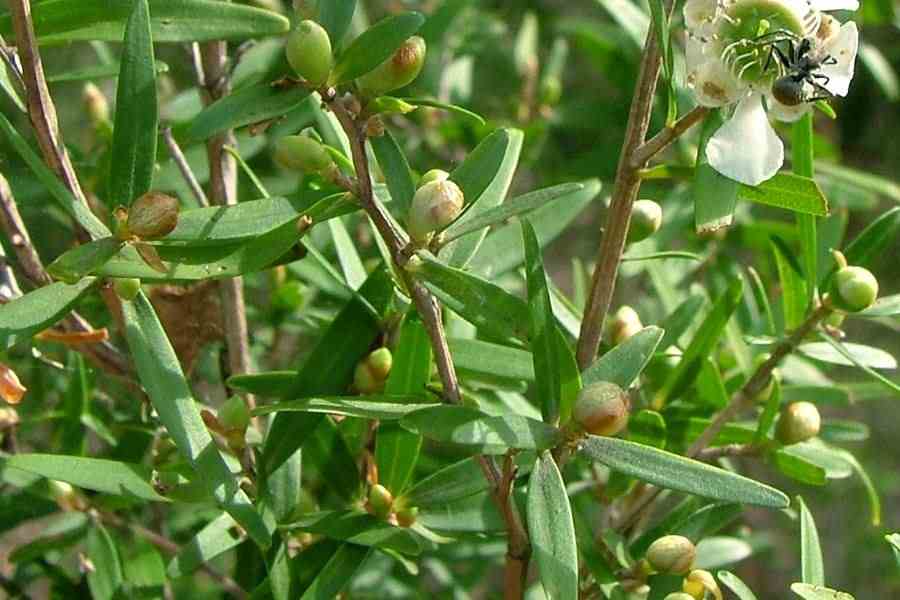
Most tea-trees have showy flowers, often quite large and varying in colour from white, through pinks to red. Those with peeling bark reveal trunks in shades of shiny browns, greys or even pinks. Two species have highly aromatic, lemon-scented foliage, L. petersonii and L. liversidgei and others have pendulous branches which make them fine specimens.
Cultivation
Cultivation presents few problems as most adapt well to a variety of soil types. Full sun is preferred but many species will tolerate poor drainage and, in fact, some thrive in regularly inundated conditions. Tip pruning after flowering improves the vigour of most species and tends to avoid the woody appearance that may develop in some.
[IMAGE: https://steemitimages.com/DQmQRs2ai1U6fmkv6L5tvuinhYdr13JL7w1hUgDPVwqr1u1/2.4.jpg]
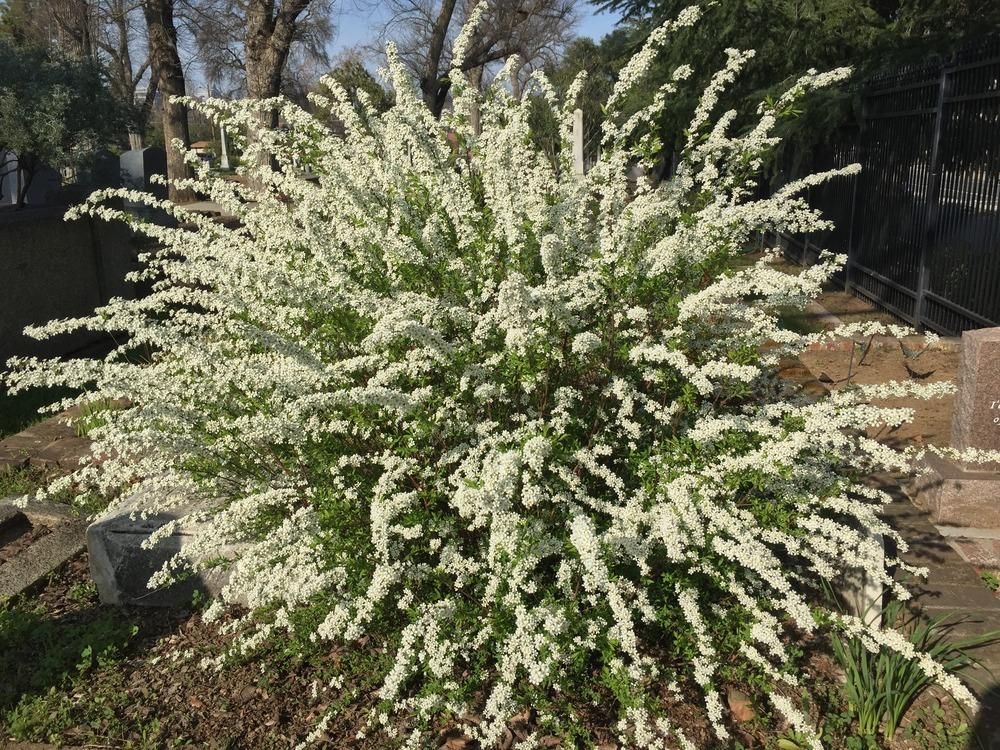
Propagation
Propagation is easy from both seed and cuttings and cultivars must be reproduced by vegetative means if clonal properties are to be retained.
[IMAGE: https://steemitimages.com/DQmZijWjMs8pW2hQ4mvLTZDe3XSwtPL5SjqTuin28DLUYwh/20180315_230548.jpg]
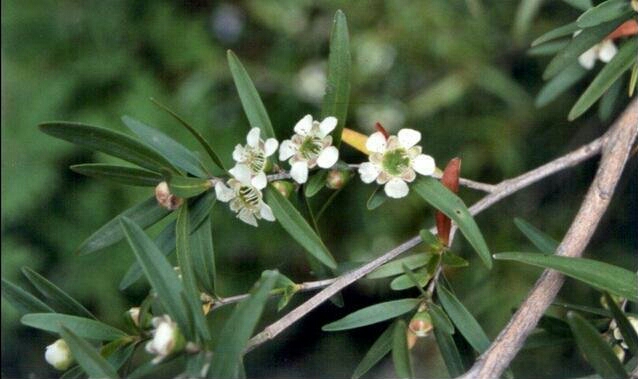
Thanks for reading @ctrl-alt-nwo
The lemon Scented Tea Tree
Leptospermum petersonii
Leptospermum petersonii or the Lemon Scented Tea Tree is a vigorous, fast growing, tall shrub with handsome foliage that is intensely aromatic (lemon).
[IMAGE: https://www.evergreengrowers.com.au/wp-content/uploads/images/plants/LemST-75_thumbnail.jpg]

The soft, pendulous branches bear long, slender leaves that start coppery, then turn green.
The small, white flowers are pretty but not very conspicuous and followed by woody capsules.
Although they prefer full sun they will grow in part shade but will tend to have a more open habit. They will tolerate mild drought and marginal frosts.
They are commonly seen in Australian gardens, either as an ornamental feature or as a screen or hedge. Their very fast growth making them ideal for quick screening in new housing areas.
They also attract birds to your garden.
Soil: Any light soil, providing it's well drained in a sunny location.
This is a plant for difficult soils - if nothing else will grow there, then Leptospermum petersonii probably will.
[IMAGE: http://www.fresnogardening.org/PlantMaster/Photos/24332a.jpg]
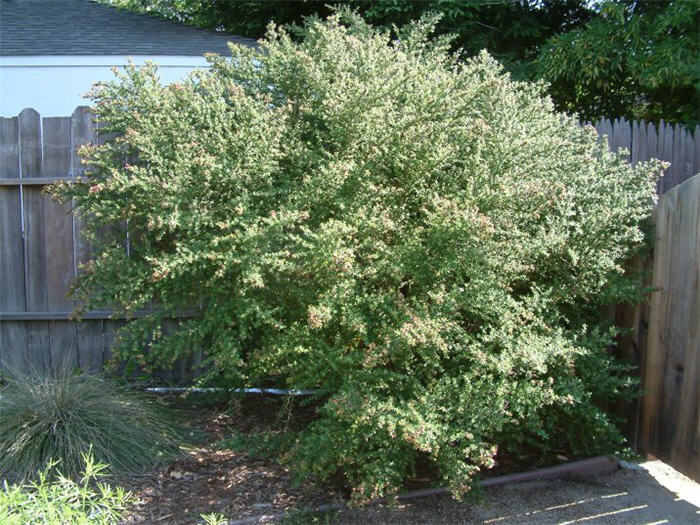
Maintenance: Avoid root disturbance.
Otherwise low maintenance ,apart from a trim now and again to keep it tidy and a light sprinkling of blood and bone (or a balance fertiliser for natives) once a year, in spring.
[IMAGE: http://3.bp.blogspot.com/-_yMrUlzrz30/VRQRP-zn54I/AAAAAAAAi-E/5uZuGw3Scqk/s1600/Teatree%2B1.jpg]
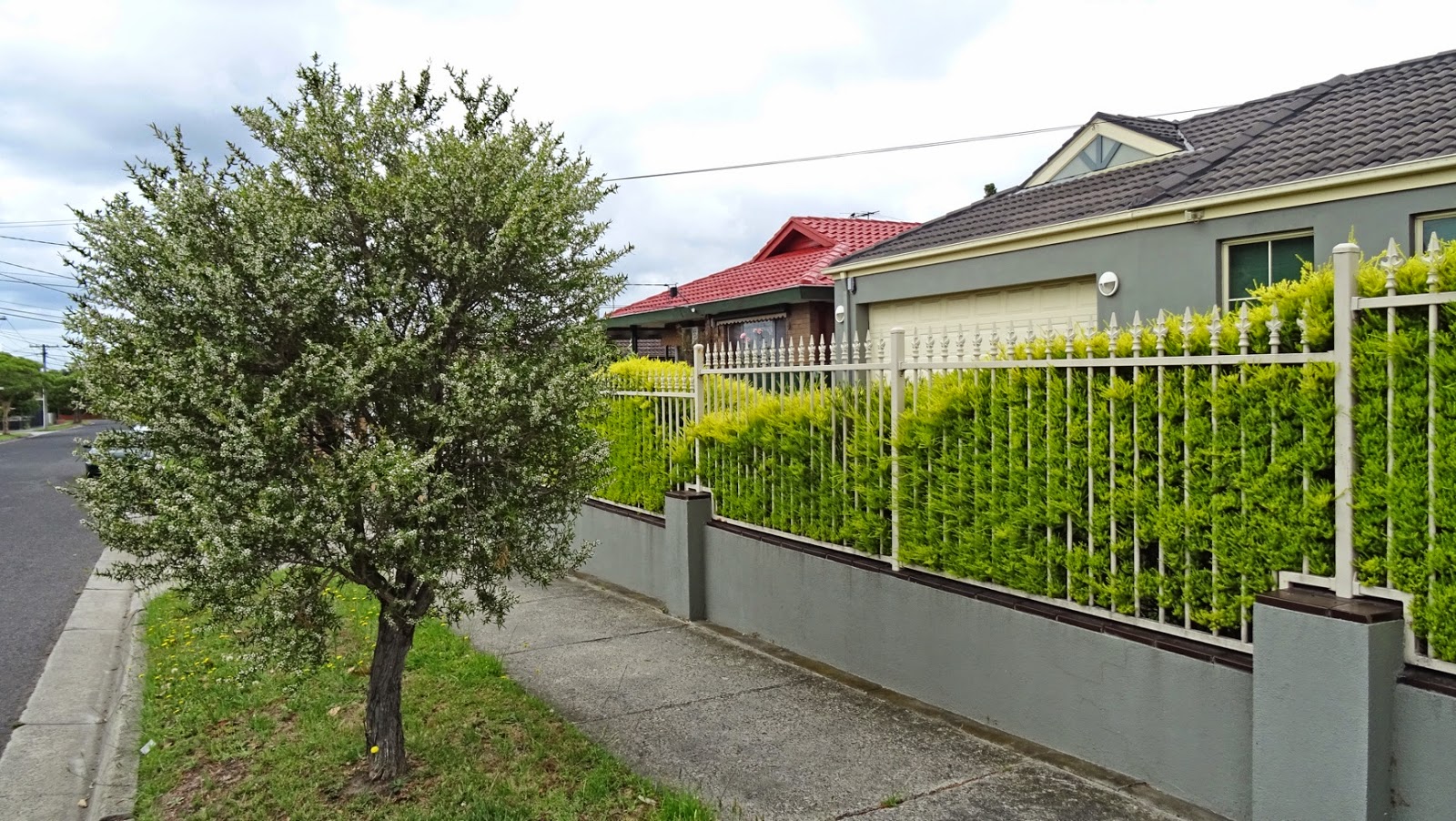
Tree Characteristics
Oval or Rounded Shape.
Has Evergreen foliage.
Height: 10 - 20 feet.
Width: 6 - 15 feet.
Growth Rate: 24 Inches per Year.
Longevity 50 to 150 years.
[IMAGE: https://c1.staticflickr.com/8/7171/6593976013_7e0c3b07a7_b.jpg]

Leaves Ovate, Light Green, No Change, Evergreen.
Flowers Showy. White. Flowers in Spring or Summer. Has perfect flowers (male and female parts in each flower).
Brown Capsule, Small (0.25 - 0.50 inches), fruiting in Summer or Fall Wildlife use it.
Bark Light Green or Light Gray, Fibrous or Rough.
Shading Capacity Rated as Dense in Leaf.
Litter Issue is Dry Fruit.
Other Species: 80 others - mainly Australian, some NZ, and a couple from Malaysia. Note in particular L. scoparium which has deep pink flowers and bronze foliage.
[IMAGE: http://1.bp.blogspot.com/-KKXLKzBXC4k/VRQSAPtue6I/AAAAAAAAi-o/ZSFYrvcgVPM/s1600/Teatree%2B2.jpg]

Leptospermum petersonii
Lemon scented tea tree
A beautiful Australian native tree with a shrubby habit.The new foliage is copper/bronze colour. It has many small white flowers that decorate the tree in early summer. The leaves when crushed have a beautiful citrus scent.
Family: Myrtaceae
Common Name: Lemon scented tea tree
Mature Size (h x w): 5 x 3m
Form: Round
Genus: Leptospermum.
[IMAGE: https://i.pinimg.com/originals/10/15/5a/10155ad3a96dfa23c9d0f21f86f5287e.jpg]

Uses
Fantastic as a street tree because of its smaller growth and can also be used as an informal hedge because of its dense foliage. It also is a great bird attractant.
[IMAGE: http://www.fresnogardening.org/PlantMaster/Photos/24332a.jpg]
Position & Soil
Adaptable to most soils but prefers a well drained full sun position. Sites similar to coastal conditions are perfect. Its ideal for tough conditions ie. drought conditions or poor soil.
[IMAGE: https://selectree.calpoly.edu/images/0800/07/original/leptospermum-petersonii-tree.jpg]

Description
Lemon-scented tea-tree (Leptospermum petersonii) is regarded as a minor or potential environmental weed in Victoria and the coastal districts of central and southern New South Wales. For example, it is listed as a potential environmental weed or "sleeper weed" in Frankston City in southern Victoria.
[IMAGE: https://i.pinimg.com/originals/82/22/7c/82227cf869482b810642ae1f7a9278d8.jpg]

This species grows naturally in the vicinity of wet sclerophyll forests and rainforest north from Port Macquarie on the mid-north coast of New South Wales. It is widely cultivated in other parts of Australia and has become naturalised in native vegetation near Sydney and Melbourne. While this species is yet to have a significant impact, it is regarded as a potential environmental weed because the closely related coastal tea-tree (Leptospermum laevigatum) has become a serious environmental weed outside its native range in Australia.
This very beautiful garden and beautiful photography
thanks @ctrl-alt-nwo
Have a great day.
http://www.australianplantsonline.com.au/media/catalog/product/cache/1/image/600x600/9df78eab33525d08d6e5fb8d27136e95/l/e/leptospermum-petersonii-lemon-scented-tea-tree-flower.jpg
https://upload.wikimedia.org/wikipedia/commons/a/a7/Gardenology.org-IMG_2704_rbgs11jan.jpg
https://www.grevilleas.com.au/images404/lepto3a.jpg
https://cdn.lifestyle.com.au/cache/616x306/plants/thumbnails/Leptospermum-petersonii-main.jpg
Five meters high! Just right for my house!
And you could make tea from those leaves!
Wow! Send one sapling via the internet now!!
How nice to have this plant in the north west and the lovely scent coming through the window!
Hope you are very well!
Most people are rushed off their feet these days!
I wonder what is happening in the heaven!
Cheers.
You in a hurry to find out about what is in Heaven, or you looking for the silly sausage?
Wow! Your comment section should be in the Guinness Book of Records!
Oh! I already know what is in Heaven!
Too many silly sausages in Bangkok already!
I am looking for my old magic wand!! So I can extend time!! And travel to another time and place!!
Please tell me if you see this wand lying somewhere in your garden! This magic wand likes to visit gardens around the world! He is very independent and unruly just like a wild cat!!
wow that's soo wonderful lemon tea tree, thankyou for giving info about this tree, I love to read your post especially about every flowers plant, @ctrl-alt-nwo can you please also visit my blog?
Leptospermum petersonii or the Lemon Scented Tea Tree is a vigorous, fast growing, tall shrub with handsome foliage that is intensely aromatic (lemon).
The soft, pendulous branches bear long, slender leaves that start coppery, then turn green.
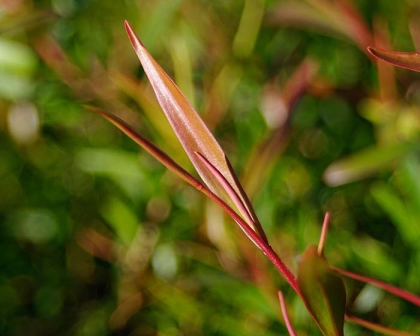
The small, white flowers are pretty but not very conspicuous and followed by woody capsules.
Although they prefer full sun they will grow in part shade but will tend to have a more open habit. They will tolerate mild drought and marginal frosts.
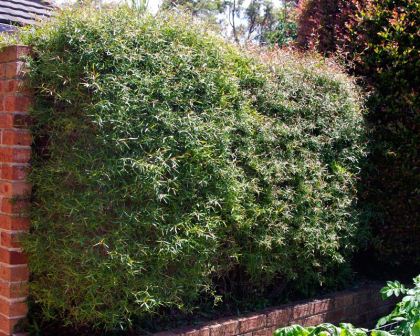
They are commonly seen in Australian gardens, either as an ornamental feature or as a screen or hedge. Their very fast growth making them ideal for quick screening in new housing areas.
They also attract birds to your garden.
Soil: Any light soil, providing it's well drained in a sunny location.
[IMAGE: https://steemitimages.com/DQmWqej2ssnTJzXM6bpMBdjCi1URWoNwwLGXqVp6t93w5uV/images%20(3).jpeg]
This is a plant for difficult soils - if nothing else will grow there, then Leptospermum petersonii probably will.
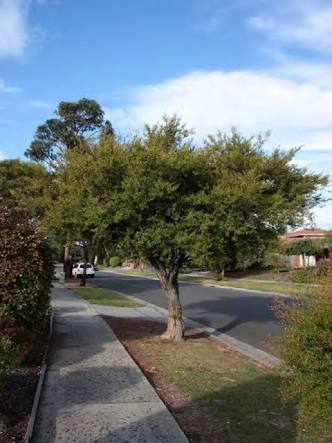.jpeg)
Maintenance: Avoid root disturbance.
Otherwise low maintenance ,apart from a trim now and again to keep it tidy and a light sprinkling of blood and bone (or a balance fertiliser for natives) once a year, in spring.
[IMAGE: https://steemitimages.com/DQmRJoxnAtzuGFGpUPpkx1CbRoVV4DjhdJdAeY9t6h9XxYx/images%20(1).jpeg]
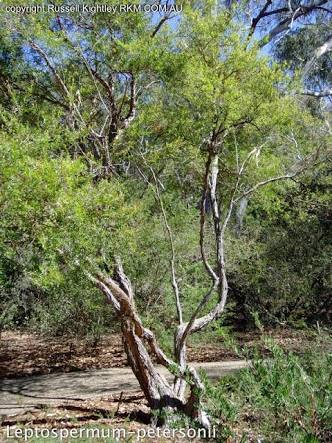.jpeg)
Other Species: 80 others - mainly Australian, some NZ, and a couple from Malaysia. Note in particular L. scoparium which has deep pink flowers and bronze foliage.
Lemon Scented Tea Tree is a tall evergreen shrub to small tree, growing to a maximum of 5 metres that is fast growing and drought hardy.
It naturally occurs near sclerophyll forest or rainforest, on sandy or rocky escarpments, on the east coast of Australia. It has simple leaves, 20–40 mm long, with a distinctive lemony aroma. The flowers are white, followed by woody capsules.
[IMAGE: https://steemitimages.com/DQmZPJLstHkE2pL3d2S2sqjs4Qu2bLQRpSXG6hAECWDFZQ8/leptonspermum-petersonii-new-growthMain.jpg]
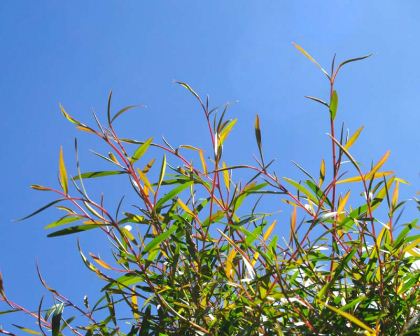
Lemon Scented Tea Tree Oil has medicinal properties similar to Tea Tree Oil (Melaleuca alternifolia) as an anti-bacterial, anti-fungal and antiseptic. Its high citral content gives it a nice lemon scent. It also contains Citronellal, Citronellol and Geraniol making it an effective insect repellant.
[IMAGE: https://steemitimages.com/DQmc9tW3caWEpd5Xus5VqYUVBxQWSb9iyRHxcHTVHei3QZc/images.jpeg]
Its potency and pleasant scent makes this native plant a great essential oil in aromatherapy. But because of its high potency, only tiny amounts are necessary.
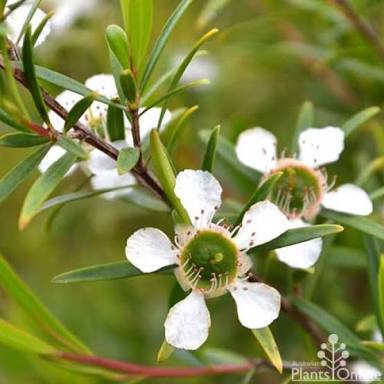
The oil is steam distilled from the leaves and twigs and is a clear colorless to yellow liquid
[IMAGE: https://steemitimages.com/DQmVBdT1bp5LW45bZJE8faUQsBcoHkC8NRLsLBGjhkt6r6T/images%20(2).jpeg]
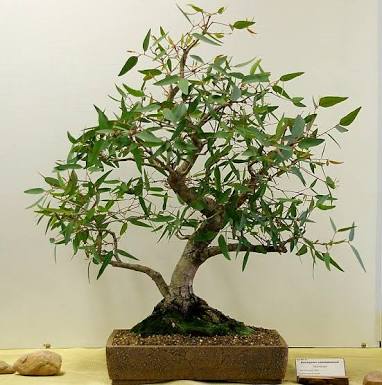.jpeg)
Hello dear friend @ctrl-alt-nwo. Everyone was waiting for your new blog anxiously. You always spread positivity towards common people through NATURE.
Today's blog is about a very interesting and useful plant named:
lemon-scented (Leptospermum petersonii)
A Brief Introduction:
Leptospermum petersonii, lemon-scented Tea Tree is a tall shrub to small tree, growing to a maximum of 5 metres which is cultivated as an ornamental and for essential oils. It naturally occurs near sclerophyll forest or rainforest, on sandy or rocky escarpments, on the east coast of Australia. It has simple leaves, 20–40 mm long, with a distinctive lemony aroma. The flowers are white, followed by woody capsules.
The leaves are distilled commercially for the essential oil which contains citronellal, citral, and pinene. It is grown in plantations in Kenya, Zaire, South Africa, Guatemala and Australia. The leaf of lemon-scented Tea Tree is also used as a flavoring ingredient in boutique tea blends with standard black tea, Camellia sinensis.
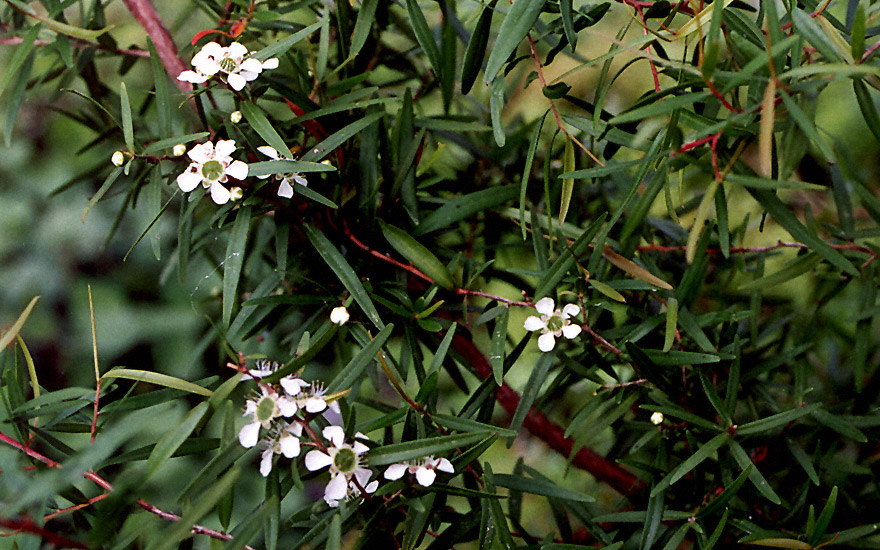
[IMAGE: https://steemitimages.com/DQmU4fFfESsGCjQa2PSPHZuPQez8aowmutv48pVLYfq18oz/Lemon-Tea-Tree-736.jpg]
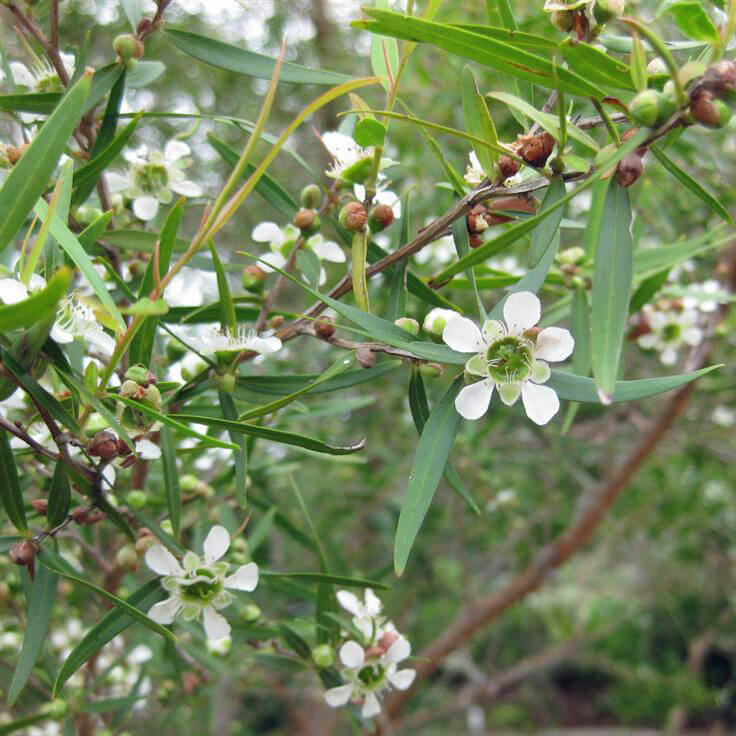
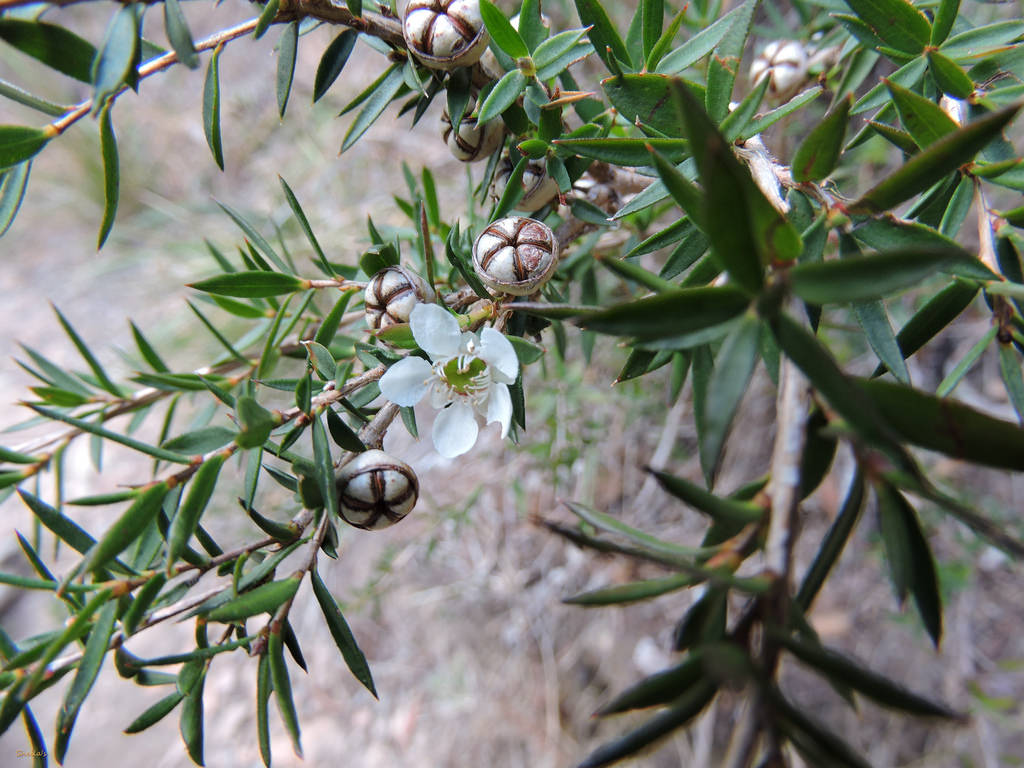
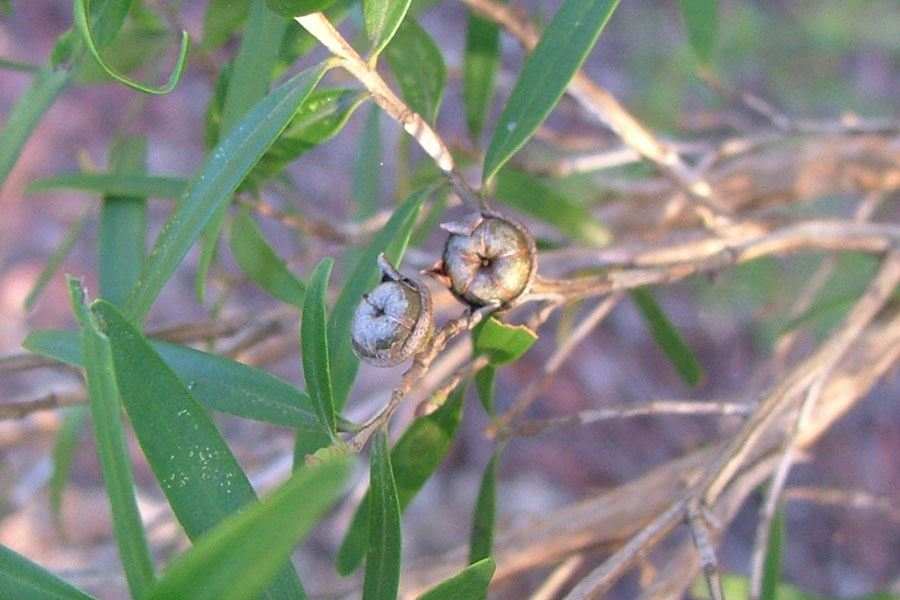
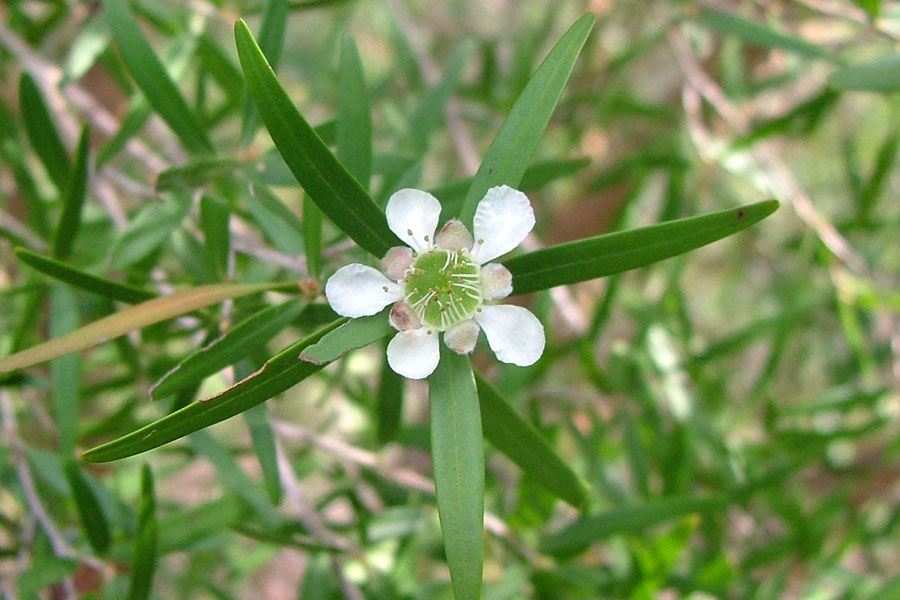
[IMAGE: https://steemitimages.com/DQmS49uueZRCYdXtWoPVwUZNBBDBB1kj58RdCQMaJvmzwnp/doneIMG_1447.JPG]
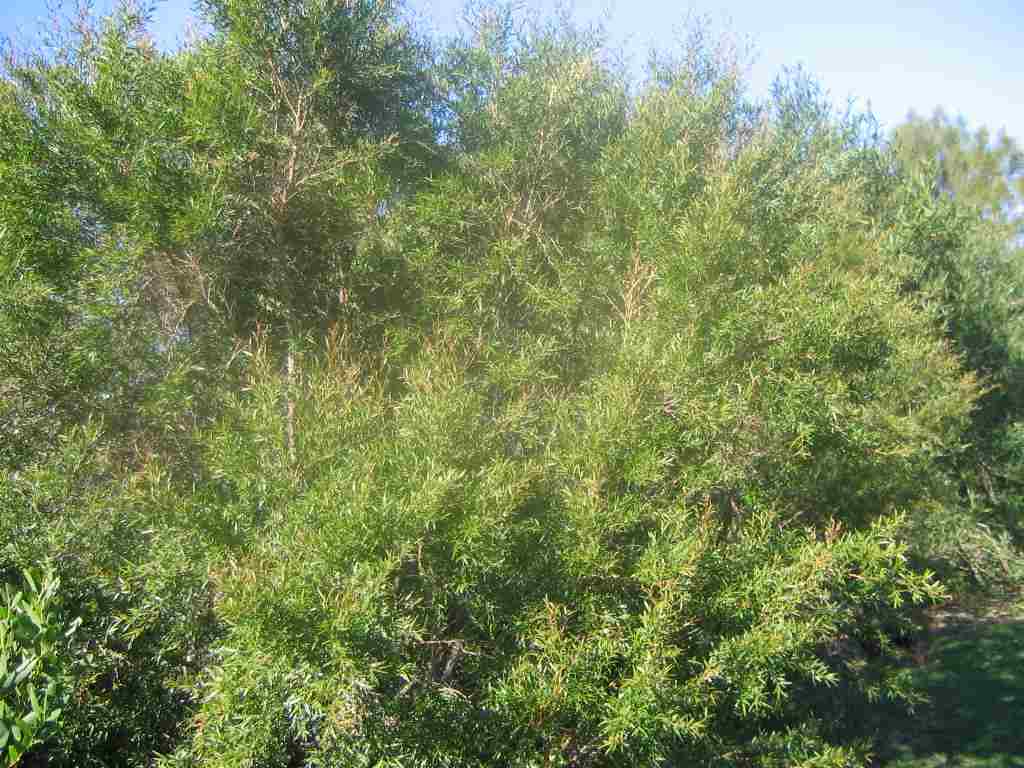
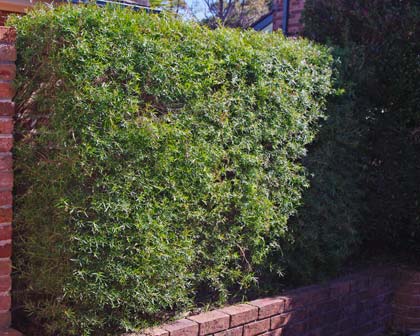
[IMAGE: https://steemitimages.com/DQmVeA5hkRCuLJmACZZcj38U6oPnaeGYjqKVHhgPWR4QHCz/24332a.jpg]
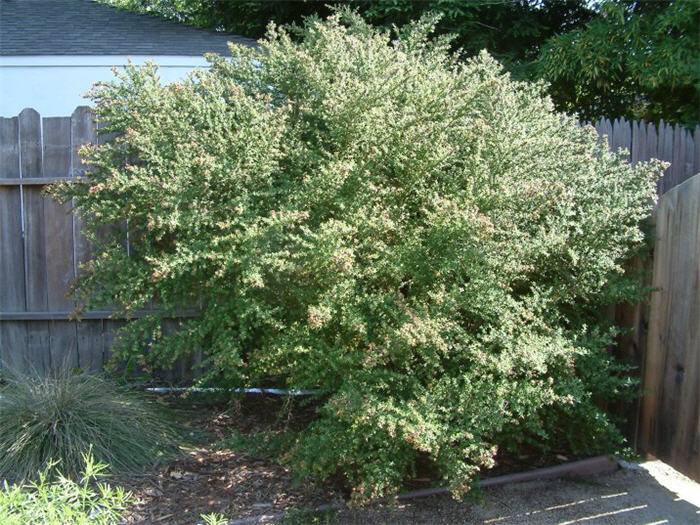
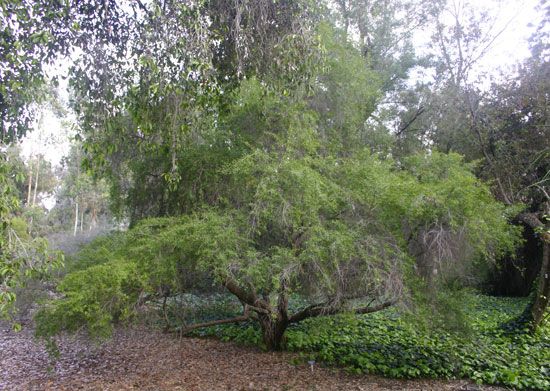
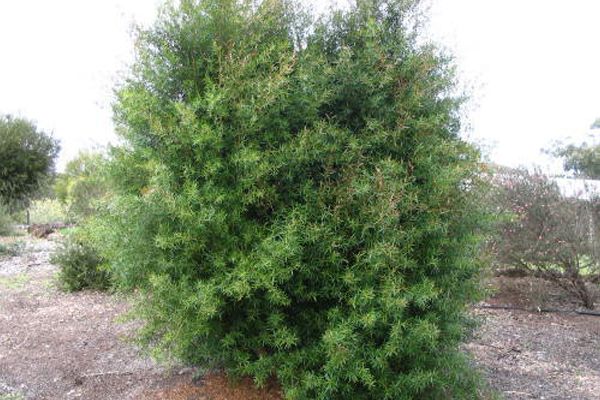
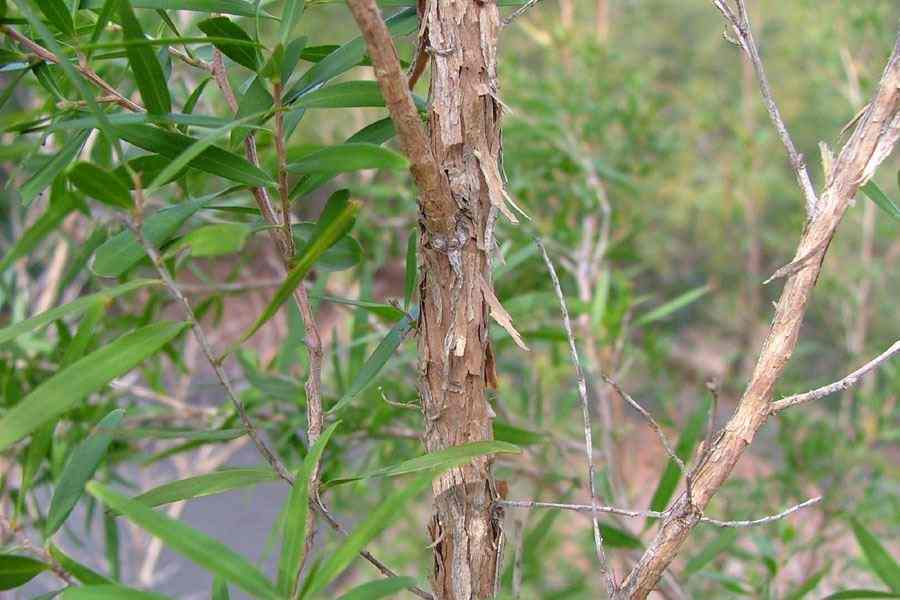.jpg)
[IMAGE: https://steemitimages.com/DQmSFvmUCNt9SaEsKpdYzrGsXH9DnhYhQjK7Mbiaw6KCc7x/2.png]
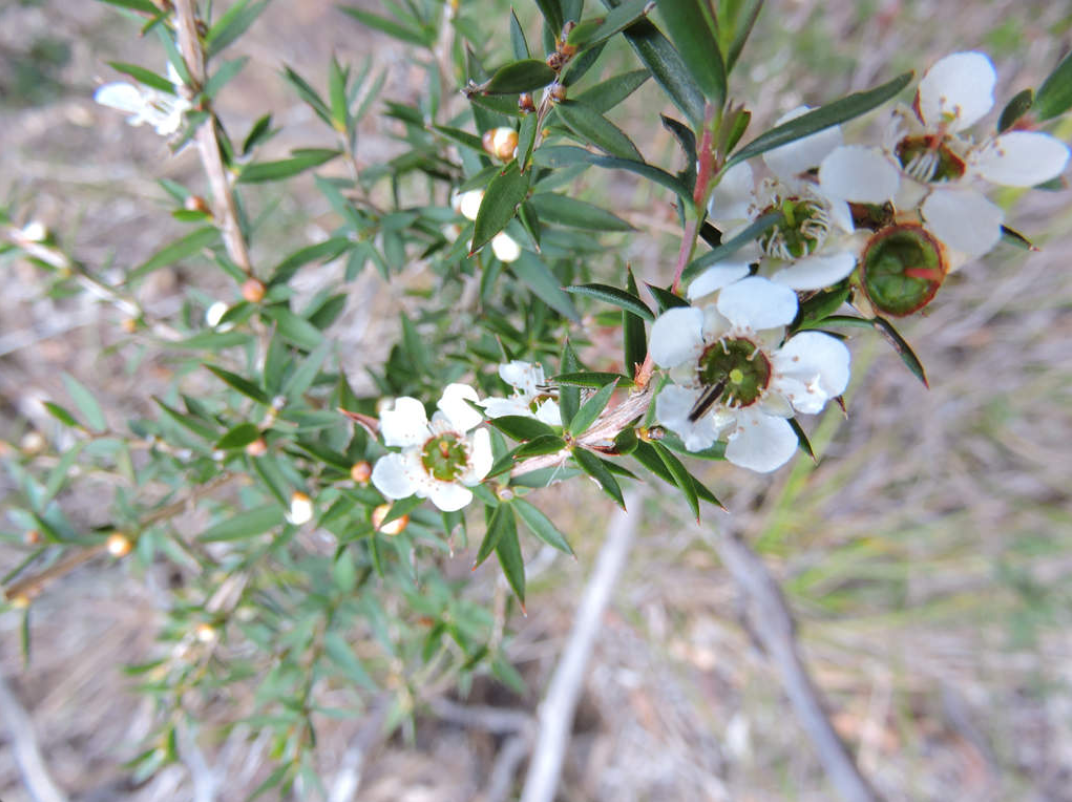
[IMAGE: https://steemitimages.com/DQmP62Pni8RLNk2ucDj8tKzNHcPz1nEvAmf6PdVvn6gouQt/28.jpg]
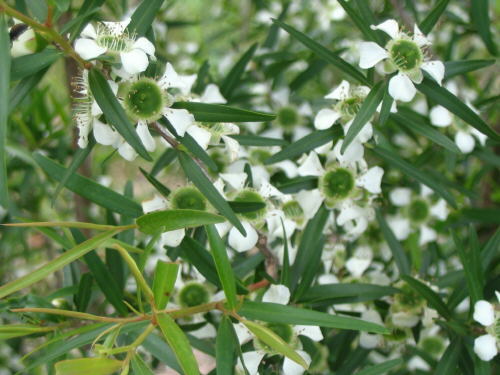
Disclaimer: All the pictures have been taken from Google and some other sources. So this is not my property!
That's all from my side. I hope you will like my efforts and also I would love if you correct me somewhere I am wrong. Thanks and Stay Blessed @ctrl-alt-nwo!
Looks like good hedge or screening material.
Hey dear Sir @ctrl-alt-now. Welcome back after 11 days. Whenever you come I love your post because I get an healthy activity like to search the relevant data from google and other sources. Today I did a very deep research on the subject and able to have some stuff. Here is my participation:
Definition Of lemon Scented Tea Tree Leptospermum petersonii:
Leptospermum petersonii (Lemon Scented Tea Tree) - This is a fast-growing evergreen, open-branched shrub or small tree to 8-20 feet tall with small, narrow (1-2 inch long by up to 1/4 inch wide) pale green leaves. White flowers with green centers bloom in summer on arching, pendulous branches. The leaves, if crushed, give off a lemon scent. It has similar cultural requirements as L. laevigatum. Plant in full sun. It is drought tolerant. Protect from hot, dry winds. It will grow in seaside conditions. It is slightly frost-tender, taking temperatures down to about 25 degrees F. This description is based on research and observations made of this plant as it grows in our nursery, in our nursery garden and in other gardens that we have visited. We also try to incorporate comments received from others and appreciate getting feedback of any kind from those who have any additional information about this plant, particularly if they disagree with what we have written or if they have additional cultural tips that would aid others in growing Leptospermum petersonii.
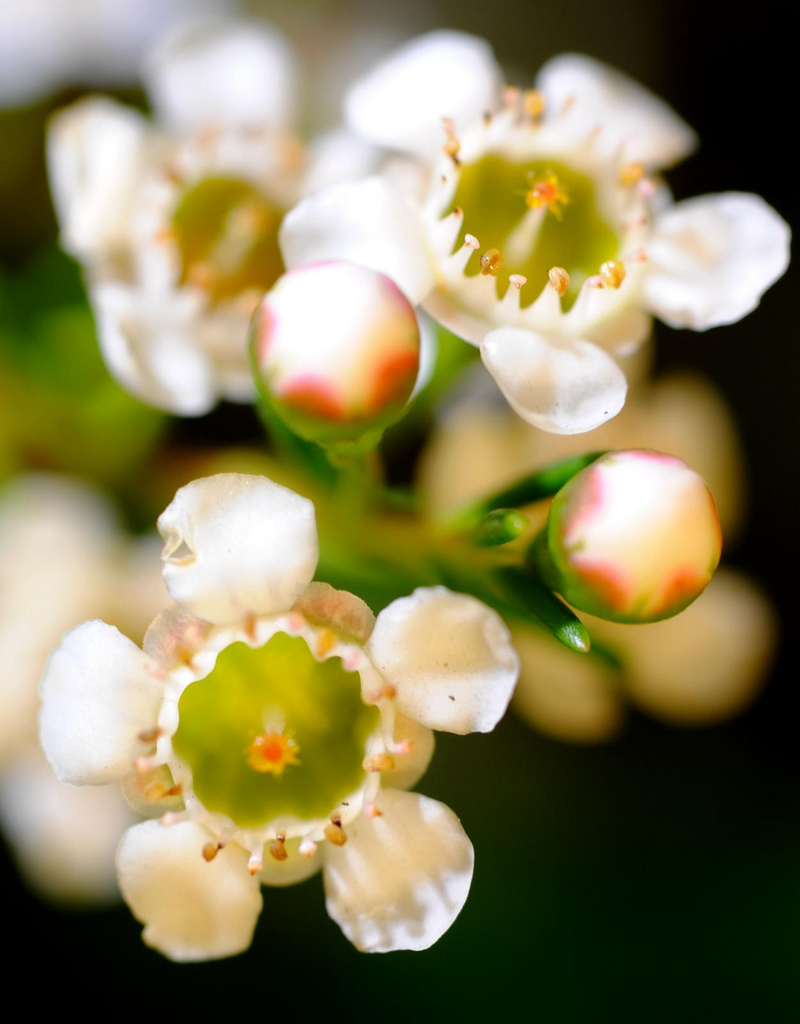
[IMAGE: https://steemitimages.com/DQmSsagRweDkmzudTZeWpz4Ro7v4ge8v7uLreL1BKXKJi64/Teatree%205%20(1).jpg]
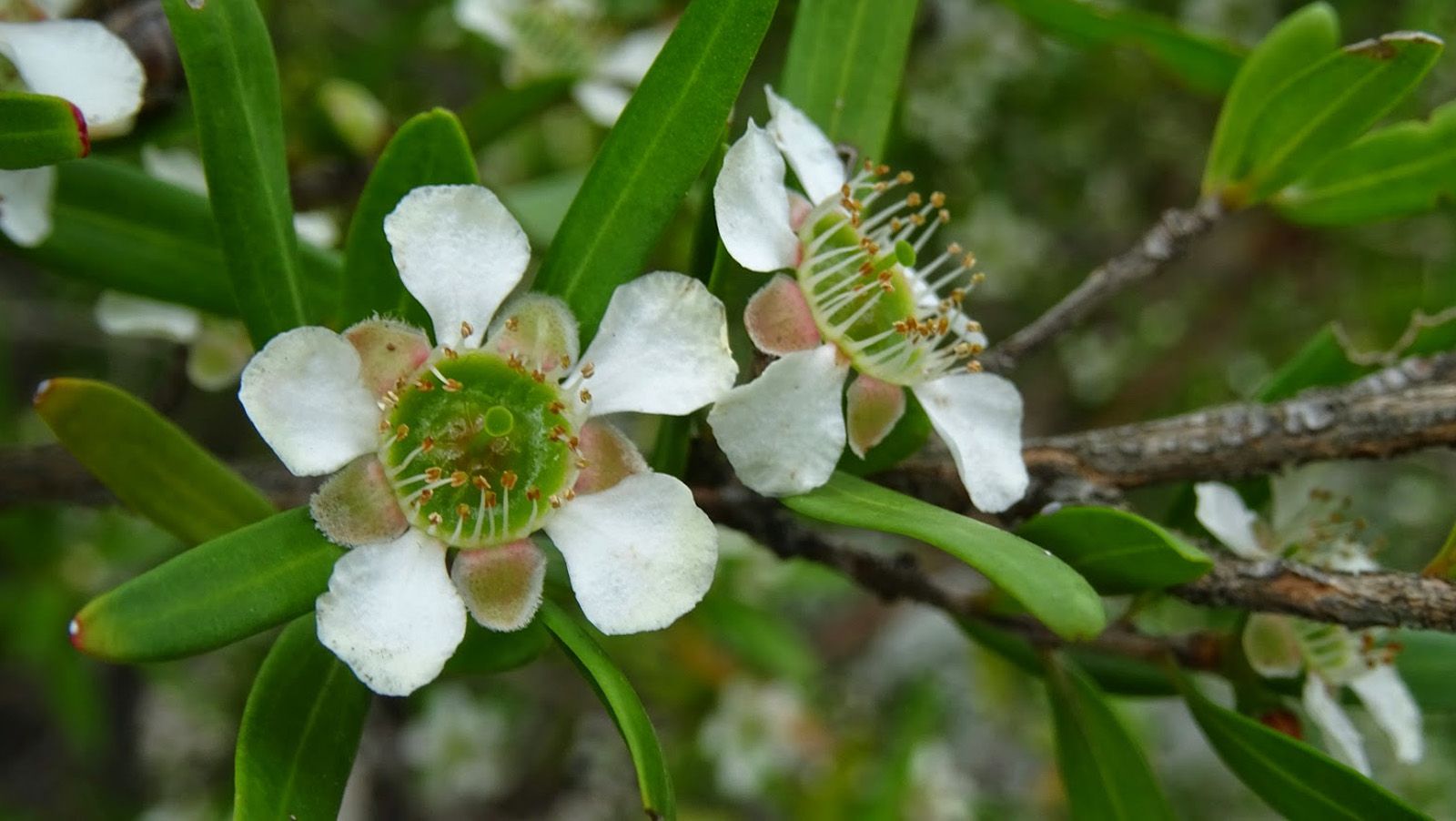.jpg)
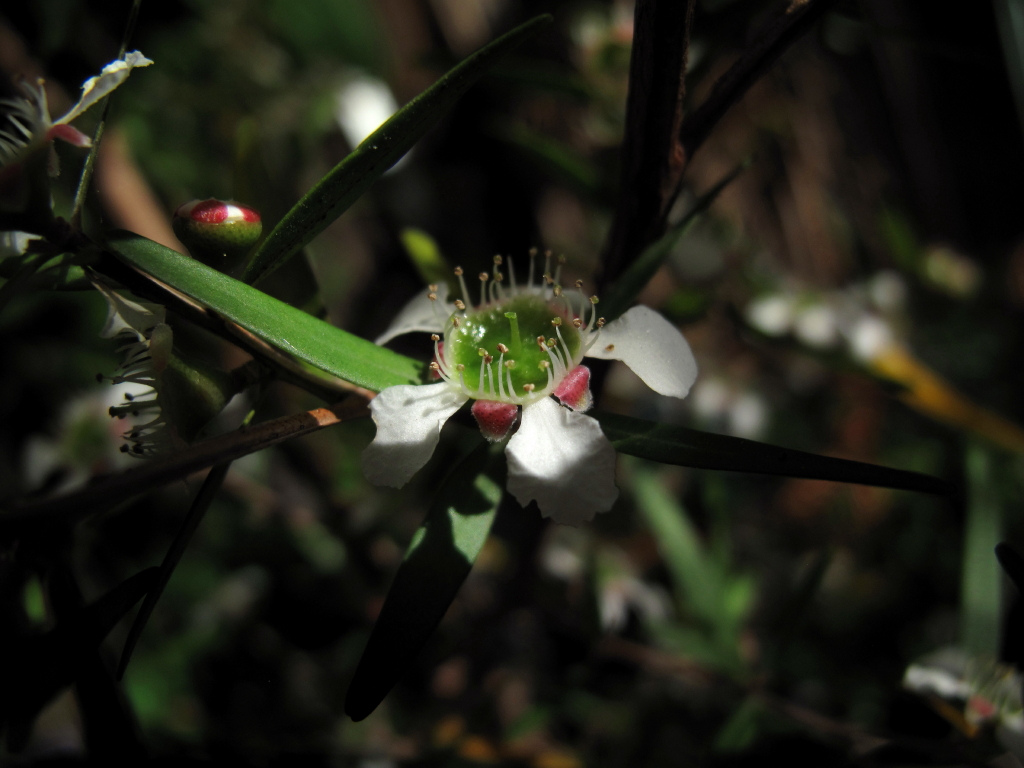
Lemon Tea Tree (Leptospermum petersonii) is from the same plant family as common Tea Tree Oil but has different active components. The oil has all the highly effective antiseptic, anti-bacterial and antifungal properties associated with the tea tree oil itself but with a tangy, refreshing, bright lemon fragrance. It aids concentration and freshens up a home. As part of a respiratory blend Lemon Scented Tea Tree will help to combat coughs and colds. It is recommended for the treatment of oily skin and acne, and it is also successfully used as a powerful insect repellent. It blends, beautifully, with the Cineol oils, especially Nerolina. Best used in low dilution or it will overpower the other notes.
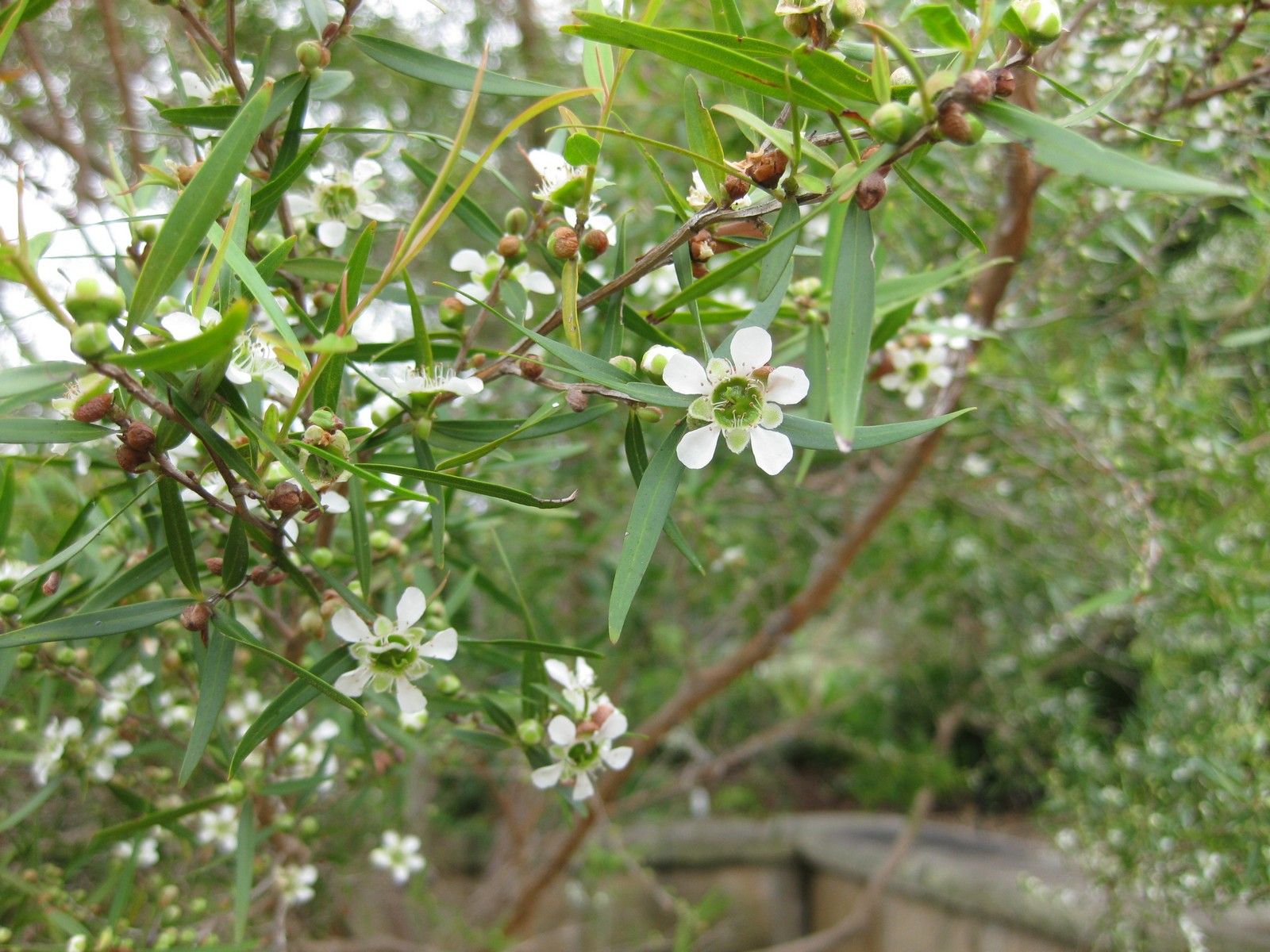
[IMAGE: https://steemitimages.com/DQmY948kHFBiyAHwWEkrg6aW7Fm25DJokYbrSzRZotjAdGa/Teatree%204%20(1).jpg]
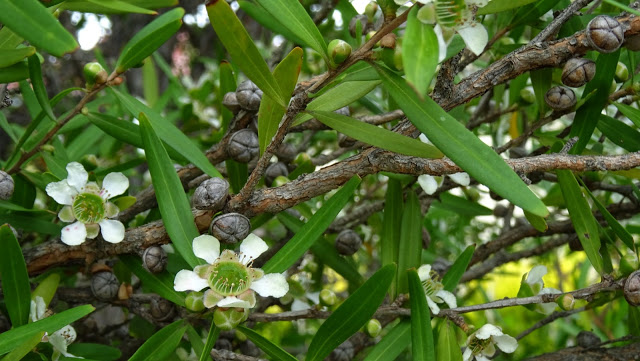.jpg)
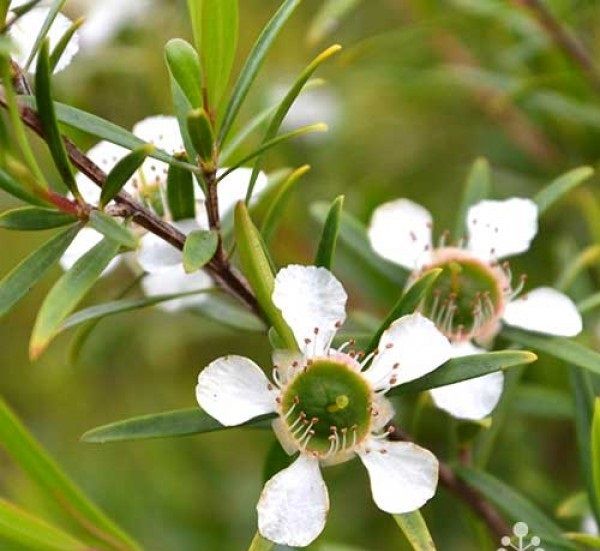
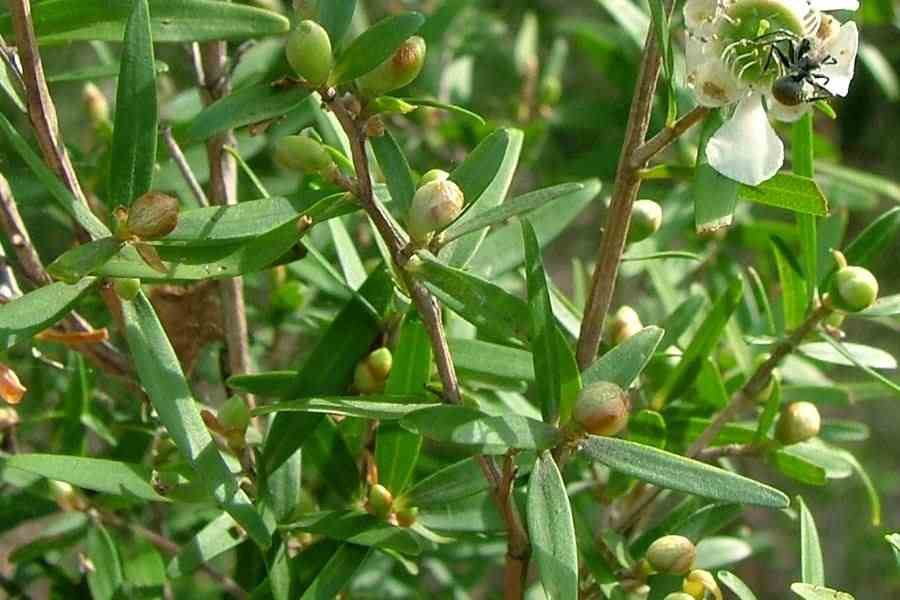
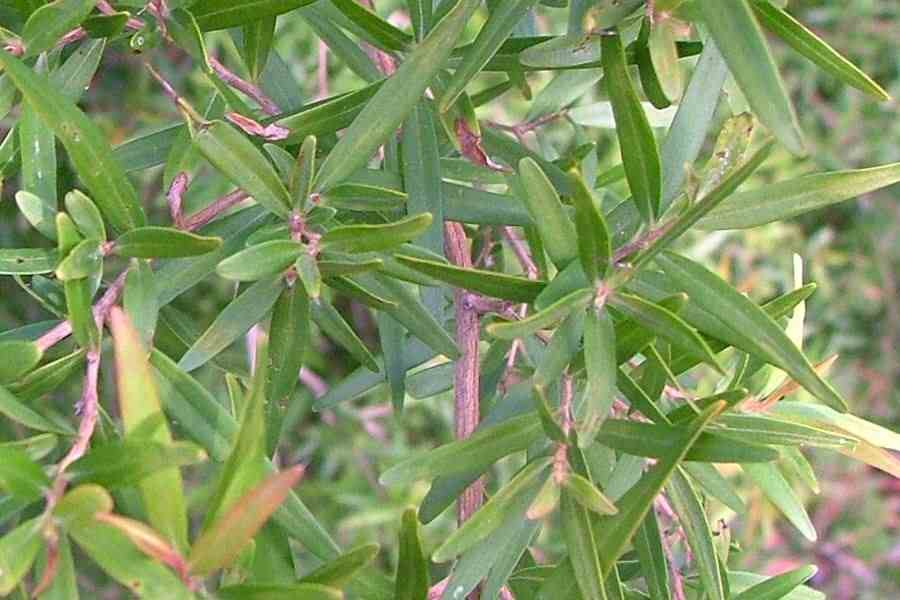
[IMAGE: https://steemitimages.com/DQmdoNiABWaAmXtmbGMxqsx8FG28HDsyEwCEdNAUXTTrzSz/lepe_web_1.jpg]
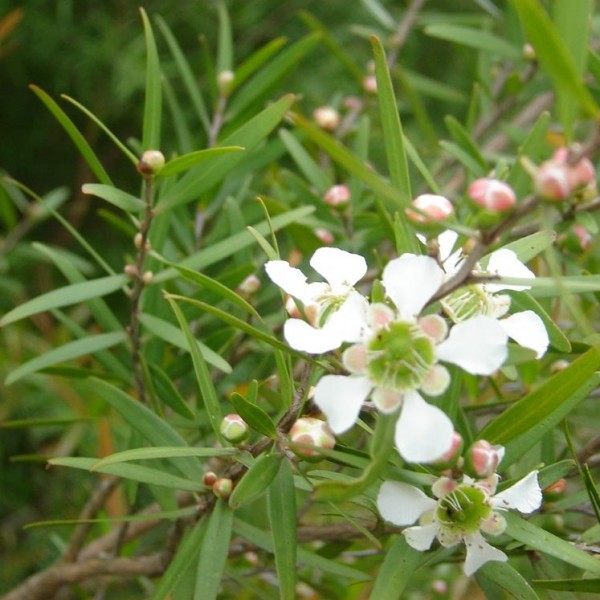
[IMAGE: https://steemitimages.com/DQmNe44zbr29wbRRrtrJ9wfUv7m4WBVQpWhDQ2c3X8rfVcj/img_4150%20(1).png]
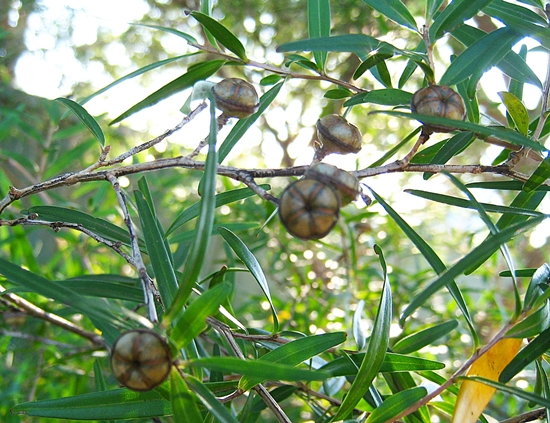.png)
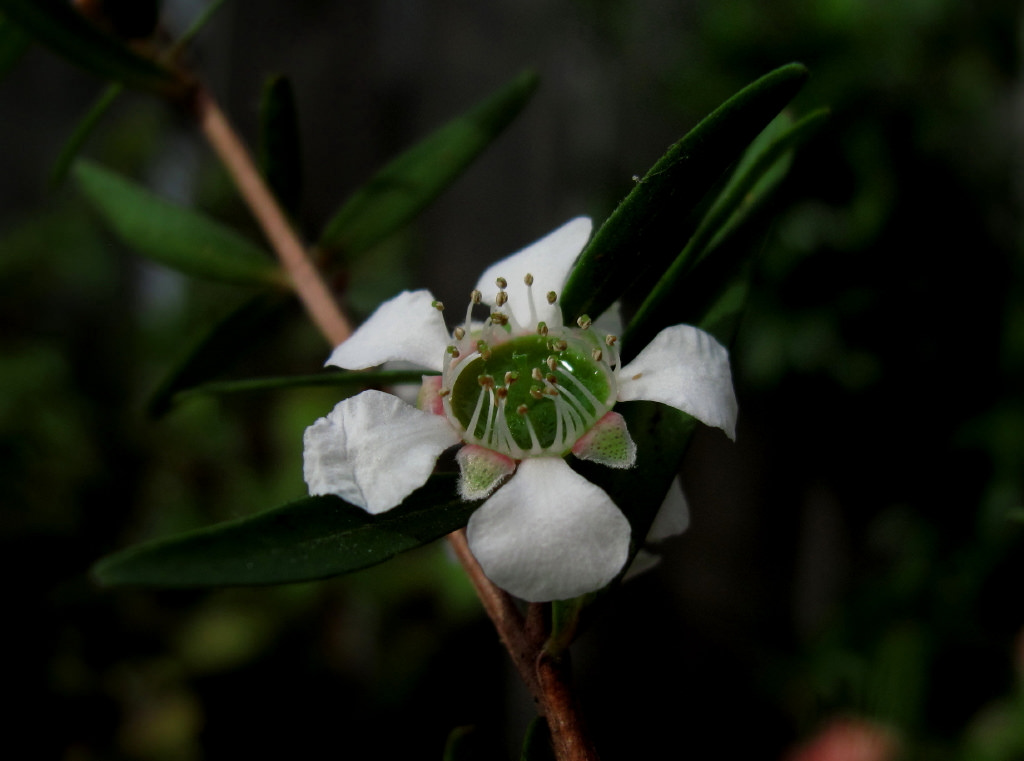
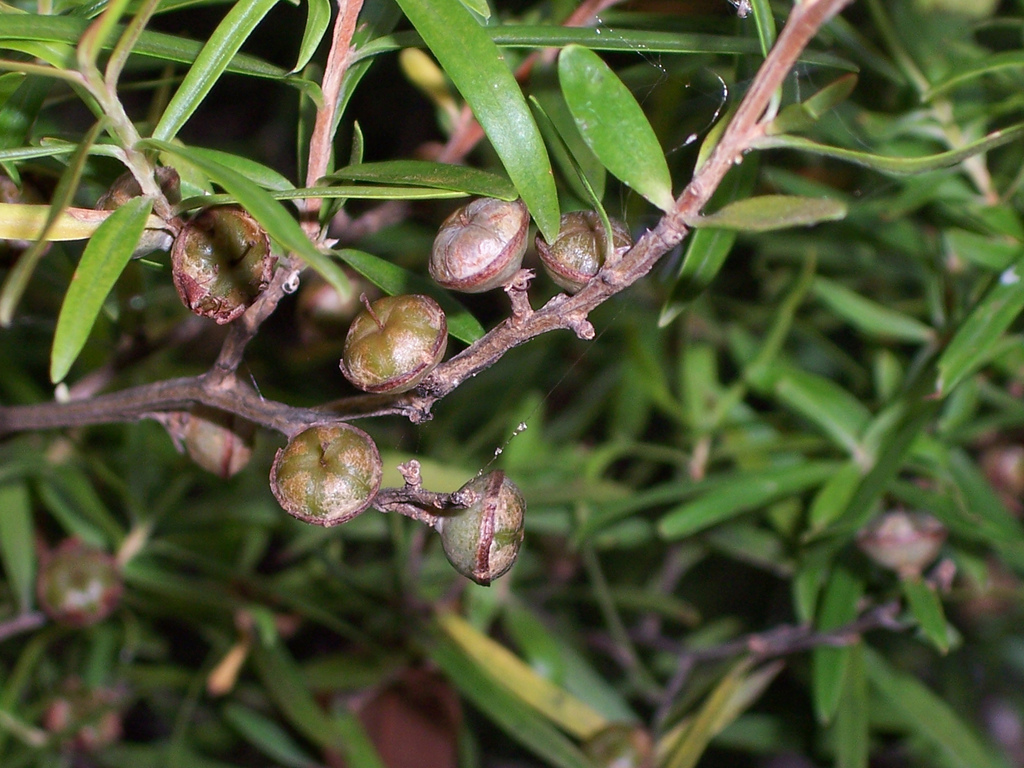
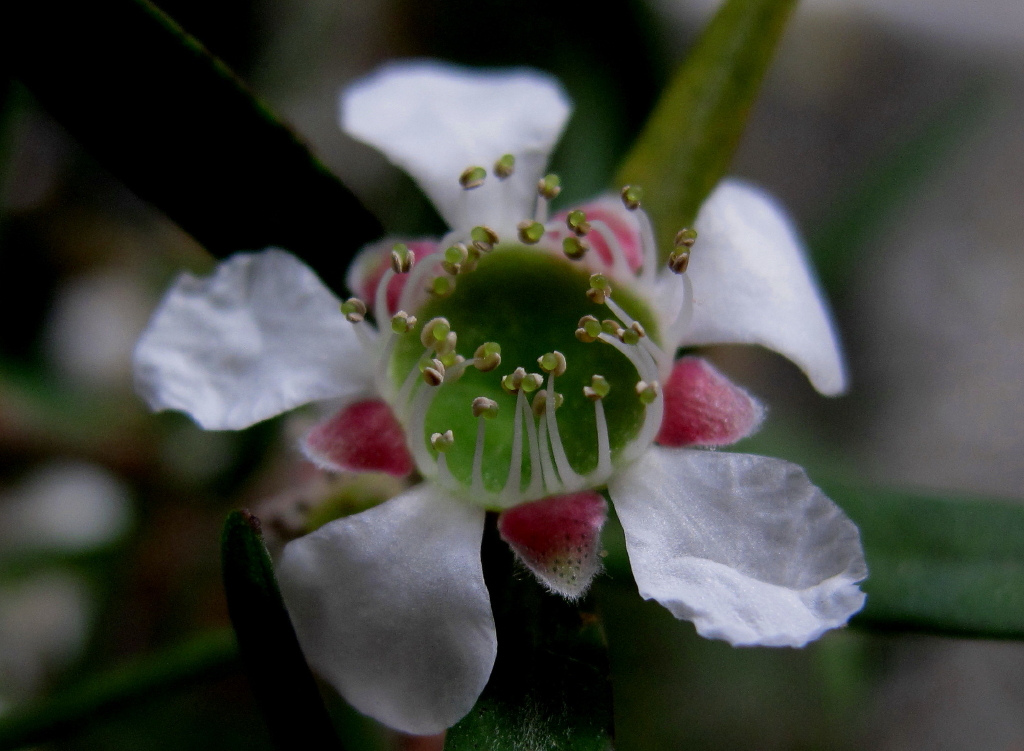
[IMAGE: https://steemitimages.com/DQmbwQ9ytSd4AwcFs5tRzrhWvkQzLj2hiFqHydXyu8cJ6FE/img_0884-960x1280.jpg]
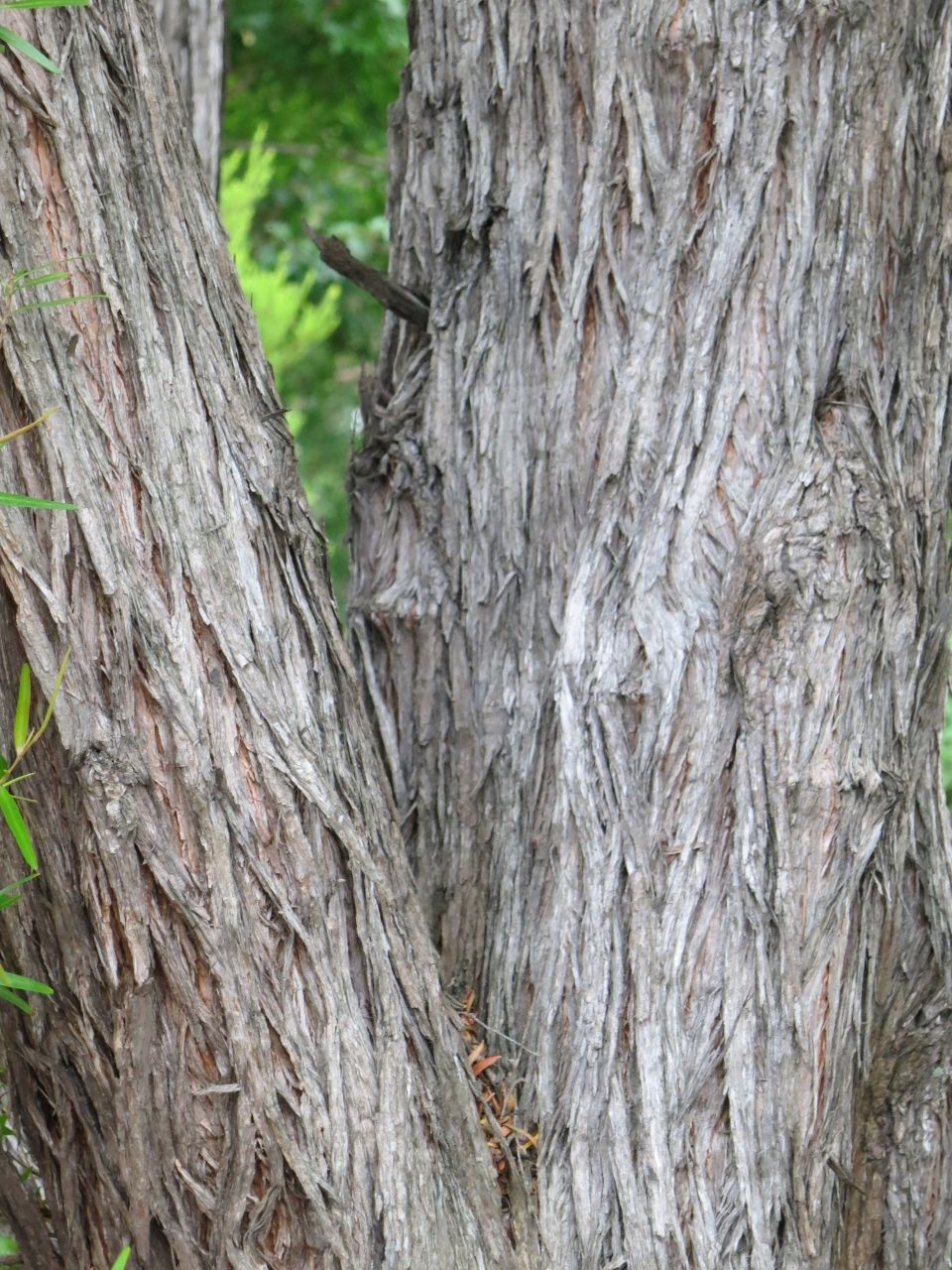
[IMAGE: https://steemitimages.com/DQmQYLwbnio3dpho7TfAnwed8prwXaTV4UZKtTdtS6xQ1PN/1375-834.jpg]
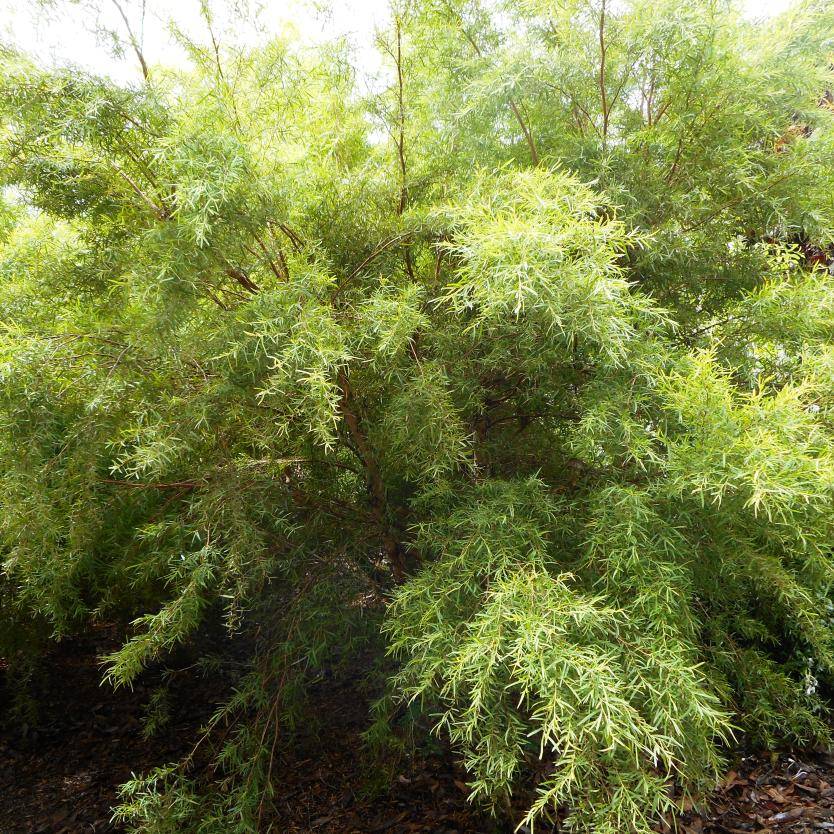
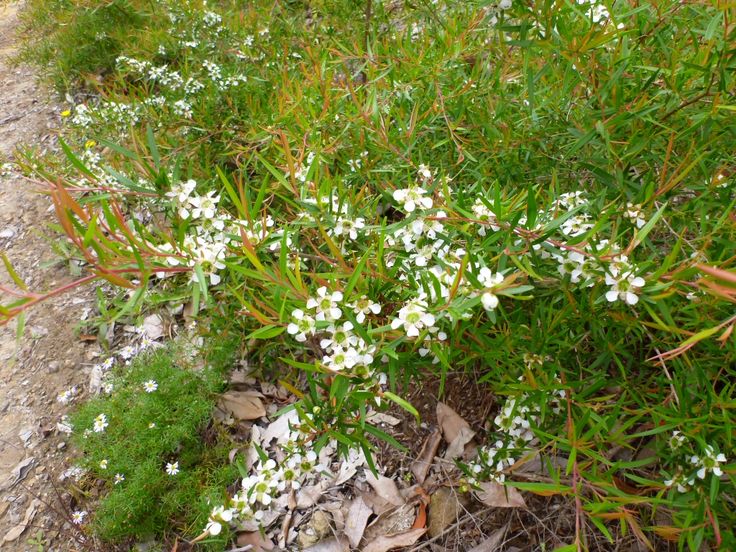
Sources
Source No 1
Source No 2
source No 3
Source No 4
That's all from my side. All the data has been taken from Google and other sources!
Congrats , you have made an outstanding comment, and you won the Fav. comment award. You described and chose pics of the correct plant and also showed the bark, flowers, and leaves with nice pics. Well done!
OMG, can't believe that I'm the one who have done the fav comment. It's my pleasure Sir @ctrl-alt-now. You're best judge indeed. All the best and Thanks for the reward!
Leptospermum petersonii or the Lemon Scented Tea Tree is a vigorous, fast growing, tall shrub with handsome foliage that is intensely aromatic (lemon).
The soft, pendulous branches bear long, slender leaves that start coppery, then turn green.
The small, white flowers are pretty but not very conspicuous and followed by woody capsules.
Although they prefer full sun they will grow in part shade but will tend to have a more open habit. They will tolerate mild drought and marginal frosts.
They are commonly seen in Australian gardens, either as an ornamental feature or as a screen or hedge. Their very fast growth making them ideal for quick screening in new housing areas.
They also attract birds to your garden.
Soil: -.....Any light soil, providing it's well drained in a sunny location.
This is a plant for difficult soils - if nothing else will grow there, then Leptospermum petersonii probably will.
Maintenance:..... Avoid root disturbance.
Otherwise low maintenance ,apart from a trim now and again to keep it tidy and a light sprinkling of blood and bone (or a balance fertiliser for natives) once a year, in spring.
Other Species:..... 80 others - mainly Australian, some NZ, and a couple from Malaysia. Note in particular L. scoparium which has deep pink flowers and bronze foliage.
Comments:.... Name means slender seed. Its name is incorrect as it is no relation to the tea bush (camellai sinensis). Captain Cook and his crew tried to make tea-like infusions from it, believing the citrus aroma would prevent scurvy.
However the oils are now commercially distilled for many purposes including adding to every day black tea.
Lemon scented Tea Trees will grow in any soil Wendy, acid or alkaline. They are well known for attracting bees and tea tree honey is a favourite of mine. As for the minimum rainfall, sorry we have no data on this. Suffice to say though that all shrubs require regular access to water to get established which generally takes around one year. You therefore have to be prepared to water them during this period. They are drought tolerant but not for long periods..
Habit...
[IMAGE: https://steemitimages.com/DQmWwkNeuDmZYzEo3L7yggFnidKKsCRUZt7NwWqJZSD48WB/images%20(19).jpeg]
Bark on main Stem...
[IMAGE: https://steemitimages.com/DQmUAtuppTGbqsn3x4hBGdWrXtYs6LiJDUpPp8kmHzXW9om/leptospermumpetersonii5_sml.jpg]
Leaves.....
[IMAGE: https://steemitimages.com/DQmd1otajeVdH5UNoVNRGH73BWJL3fPzC4YM8B6h4yq8CuB/leptospermumpetersonii3_sml.jpg]
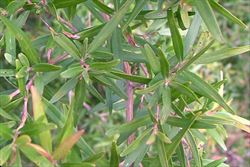
close-up of younger leaves....
[IMAGE: https://steemitimages.com/DQmf552mGVSW42apee9qQvvD4c9c1PHv1NuMEeG2vnB9RWr/leptospermumpetersonii4_sml.jpg]
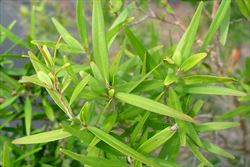
flower buds...
[IMAGE: https://steemitimages.com/DQmZh5yJu4CaaUi8HRikoSDoLzPjef2GaW46md2ZuvNJ4PA/leptospermumpetersonii10_sml.jpg]
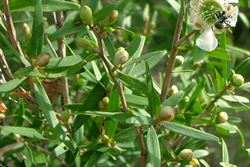
Close up of Flower....
[IMAGE: https://steemitimages.com/DQmNNsHmcs46VqwBXRqx5hcEGLBJGMJcaKpfB97xe3kodtt/Leptospermum-petersonii-flower.jpg]
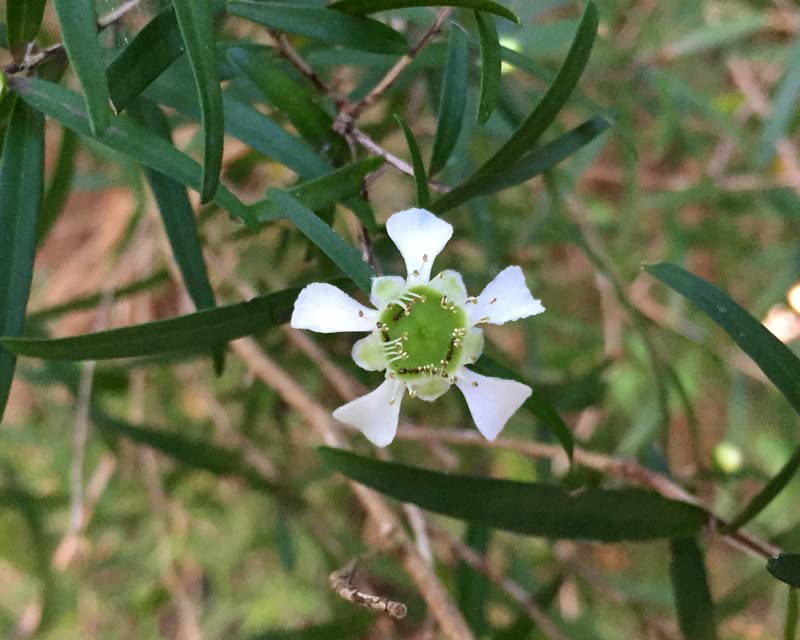
immature fruit....
[IMAGE: https://steemitimages.com/DQmRFnaE1ba3SU6bt61HSgcfzCrpnG2SRKBEKGQ1KNYfYT7/leptospermumpetersonii12_sml.jpg]
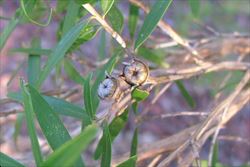
mature fruit....
[IMAGE: https://steemitimages.com/DQmTgVPvLfdTsD66PqvSTuWGPfsYt9pgDh5k3o64hC6Pwpc/leptospermumpetersonii13_sml.jpg]
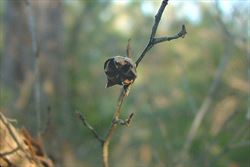
Wel done and perfect work @ctrl-alt-nwo sir...
Cheers====/
Wow amazing & beautiful Garden.
For your post propagation.
Upvote/Resteem
https://aliksir.com/media/catalog/product/cache/1/thumbnail/600x/17f82f742ffe127f42dca9de82fb58b1/l/e/lepe_web_3.jpg
https://s-media-cache-ak0.pinimg.com/originals/bd/6a/5c/bd6a5c96603b52de3e460f2b4d1d9e53.jpg
https://s-media-cache-ak0.pinimg.com/originals/0e/4c/af/0e4caffd66ebcb05ed1091de7ab38365.jpg
So beautiful garden, thanks for sharing
Resteem
http://www.australianplantsonline.com.au/media/catalog/product/cache/1/image/600x600/9df78eab33525d08d6e5fb8d27136e95/l/e/leptospermum-petersonii-lemon-scented-tea-tree-flower.jpg
The lemon Scented Tea Tree
Leptospermum petersonii
[IMAGE: https://plant.daleysfruit.com.au/trees/m/Tea-Tree-Lemon-Scented--3018.jpeg]

A graceful weeping, evergreen compact form of the lemon scented tea tree. It has a spectacular display of snow-white flowers in Spring and the foliage has a delightful fresh lemon scent when crushed. It is a tough plant that will grow in a wide range of soil types and climates as either a feature or screen plant.
Physical Characteristics
Leptospermum petersonii is an evergreen Shrub growing to 4.5 m (14ft 9in). It is hardy to zone (UK) 9. It is in leaf 12-Jan. The flowers are hermaphrodite (have both male and female organs) and are pollinated by Insects.Suitable for: light (sandy), medium (loamy) and heavy (clay) soils and prefers well-drained soil. Suitable pH: acid and neutral soils. It cannot grow in the shade. It prefers moist soil. The plant can tolerates strong winds but not maritime exposure.
[IMAGE: https://i.pinimg.com/originals/ba/e9/18/bae9184656afb3e2f4af8f0956d6430c.jpg]

Habitats
Woodland Garden Sunny Edge; Hedge;
[IMAGE: https://i.pinimg.com/originals/0e/4c/af/0e4caffd66ebcb05ed1091de7ab38365.jpg]

Edible Uses
Edible Uses: Tea.
The leaves are used to brew a strongly aromatic tea, or they can be added as a flavouring to china tea[183]. They are strongly lemon-scented.
[IMAGE: https://i.pinimg.com/originals/c5/6a/d4/c56ad4a45b46827c2d09466c0cc17c49.jpg]

Medicinal Uses
Plants For A Future can not take any responsibility for any adverse effects from the use of plants. Always seek advice from a professional before using a plant medicinally.
Antibacterial.
The leaves, and especially the essential oil obtained from them, is antibacterial.
Other Uses
Essential; Hedge; Hedge.
An essential oil obtained from the leaves is used as a bactericide.
[IMAGE: http://www.fresnogardening.org/PlantMaster/Photos/24332a.jpg]
Cultivation details
Succeeds in almost any neutral or acid soil of good or reasonable quality, preferring a light sandy loam and full sun. Prefers a position sheltered from hot or cold drying winds. This species is not very cold-tolerant, it only succeeds outdoors in the mildest areas of Britain. Plants are slightly frost-tender in Australian gardens. Plants resent root disturbance and should be put out into their permanent positions as soon as possible. Does not regenerate from old wood. Plants in this genus are notably resistant to honey fungus.
[IMAGE: https://www.shiningsunaromatherapy.com/wp-content/uploads/2014/03/tea-tree-lemon.jpg]

Propagation
Seed - sow spring in a greenhouse and only just cover the seed. Prick out the seedlings into individual pots when they are large enough to handle and grow them on in the greenhouse for at least their first winter. Plant out in late spring or early summer, after the last expected frosts, and give some protection from the cold for their first winter or two outdoors. The seed remains viable for many years. Cuttings of half-ripe wood, 5 - 8 cm with a heel, early August in a frame. Over-winter in the greenhouse for its first year. Good percentage. Cuttings of almost mature wood, 4 - 5 cm with a heel, October/November in a frame. Good percentage.
[IMAGE: http://www.lgbotanicals.com/assets/images/Lemon-Tea-Tree-736.jpg]

Congrats, you won the Silly Sausage Award. Nice pics and info !
Beautiful tree, most typical for Australia. I use this oil as it has very pleasant scent. Have a good day @ctrl-alt-nwo
Hi bro ! How are you ? I glad to see you here after many time.
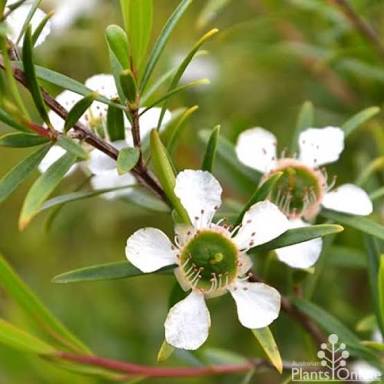
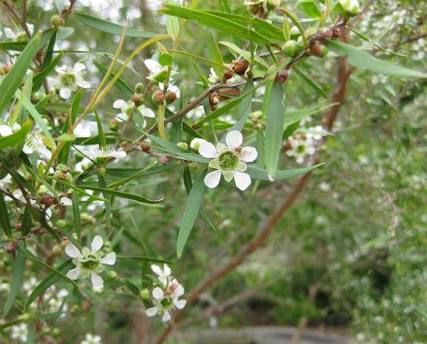
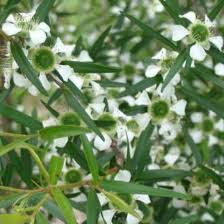
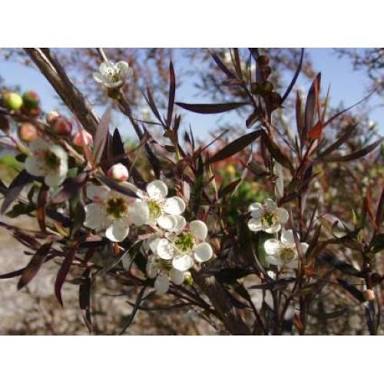
The plants are as interesting as the animals of Australia, the taxonomists have a lot of problems about where to put the plant, the information changes continuously .. Also the general names are surprising. For example, some of these plants are used in the form of cay, they all become trees. In Australia, however, the class Leptospermum which is called tea tree ... On the other hand, the plant Melaleuca alternitifolia which is sold as Tea Tree Oil in the market ...
The plants of both classes are used by Australian aborigines for healing. I have a definition of "Bush Tucker". Plants that the Aborigines used to survive (both for healing and nutrition) in difficult Australian conditions. There are many interesting things. White people have been tied up with information that can not be considered a unique treasure because of the lack of a part of the aboriginal children who have been torn from their families, but this is uncommon in the context of the media reporting (why not consider it different from us?). If the Aboriginal communities that have already reached the water and now have the freedom, they are not too inclined to share something with white people anymore. While there were many things to experience from a society that has survived as a whole without harming it, just as it is in other slaughter societies ...
Thanks for reading. I hope to see you again 😘 @ctrl-alt-nwo
Ooo again an interested plant 😊😊
Hi
I did do something for you. Let me share with u .
[IMAGE: https://steemitimages.com/DQmYEc7YotJ8zfyVp7ikrUnBkV524nXKoaVRvccVRukqPSY/93519F94-A74F-478A-8F57-4A492E1D4C8A.jpeg]
.
.
.
.
[IMAGE: https://steemitimages.com/DQmcXWqe84fepsw1Zm71LVZuuVn2neGVi7HVcPCwi1saeRm/B0DC31CC-DB1B-4C53-A227-1815348A02B5.jpeg]
.
.
.
The plant, commonly called Cay Agaci, has spread to Leptospermum Australia, South East Asia (Malaysian Peninsula, Sumatra, Borneo, Java, Philippines, Sulawesi, Thailand, Flores, South Burma and New Guinea) and New Zealand. Although it is found in different habitats, from beach areas to high mountain peaks, it is generally wet or seasonally wet; acidic and nutrient content in weak substrates.
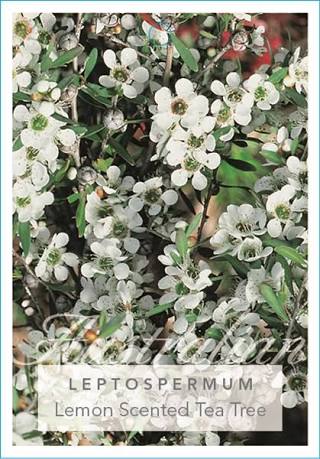
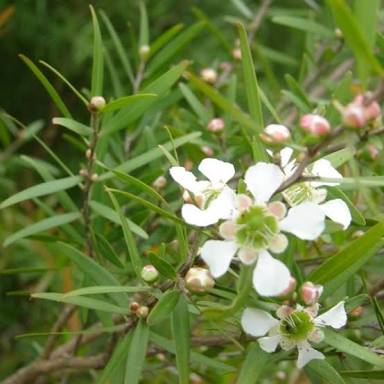
Leptospermum is located in the Leptospermoideae sub-class of the Myrtaceae family, and there are 86 species known to date. About 83 of these species are found in Australia and two of them are endemic. The Leptospermum sinus was first found by Johann Reinhold Forster and his son Johann Georg Adam Forster; The name L. scoparium was first published in 1776.
These plants are classically defined for the first time by George Bentham in 1880 in the Flora of Australia. Bentham has described 20 different tours and I find it difficult to discern the different characteristic features of the tours, from the dried examples to the problematic nature of the tours of the tours, which are difficult to distinguish between 'tours'. "One of these difficulties is that of Bentham Leptospermum class, water and Homalospermum Schauer, Pericalymma belong to the class has been included.
The Cay Agaci general name comes from the early migratory birds throwing the leaves of some of the tours of this plant into boiling water. Most of the Leptospermum are desirable plants. Larger flowers can reach up to 3 cm in diameter, varying soil constructions and edgy, resistant to tough conditions.
It is easy to produce from seed or steel. In the last four years, some cultures have been cultivated and added. Most of them come from L. scoparium, which is grown in Australia and New Zealand. Many cultivars have been developed in New Zealand, and from here they have reached the greenhouse in America, Ireland and England. As such, in comparison to efora, hybrids made up of Australian tours are extremely popular in terms of growth speed and tolerance to diseases. Very well known, L. sciparuim cultivar is very sensitive to crustacean bits. Many leptosperm plants are preferred as cit plants because of their compact and compact growth properties. Flowers seen on new branches can also be used as cut flowers.
.
.
[IMAGE: https://steemitimages.com/DQmPzTdhboCM6394yZujucdowrtbJ2iQMmDN5A2YMinUFaU/0BD85F69-EA96-4877-A002-5A65C46874DA.jpeg]
.
.
.
[IMAGE: https://steemitimages.com/DQmZFdtN2vq17yK5HkQgH44Jg1RCF7dUwnMiXWvn5VP6Mkn/47BB3C59-B27F-4FA1-A277-36DFB260B67F.jpeg]
.
.
.
[IMAGE: https://steemitimages.com/DQmben28qgNvirimRcoh6pWT2QWodww7uMdLNjxJxb4aWZi/55B1C194-2E9C-4AB6-8987-F5E3E35F8052.jpeg]
.
.
.
[IMAGE: https://steemitimages.com/DQmSbRFYxA1gm5js96V4BgGr24UjK3ne7rUYyZeZ8NZ1JW2/71E1FA6C-6C40-4D0B-ADF3-72D793B92B50.jpeg]
.
.
.
[IMAGE: https://steemitimages.com/DQmaD6kAhLTMzpEiT4rJRa3XGAKUdXuw717Yhc5e6X5jytP/443B960F-393D-4736-B93F-9DC519631CEE.jpeg]
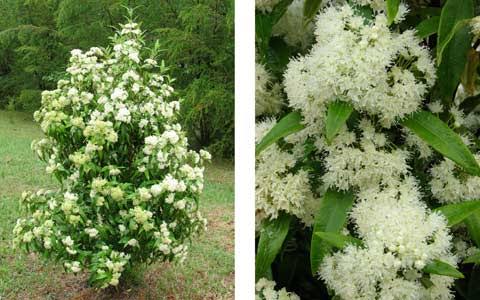
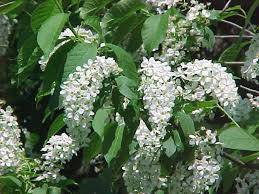
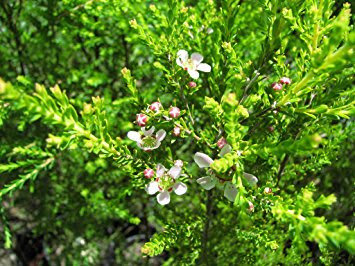
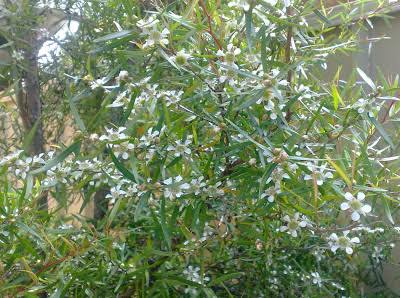
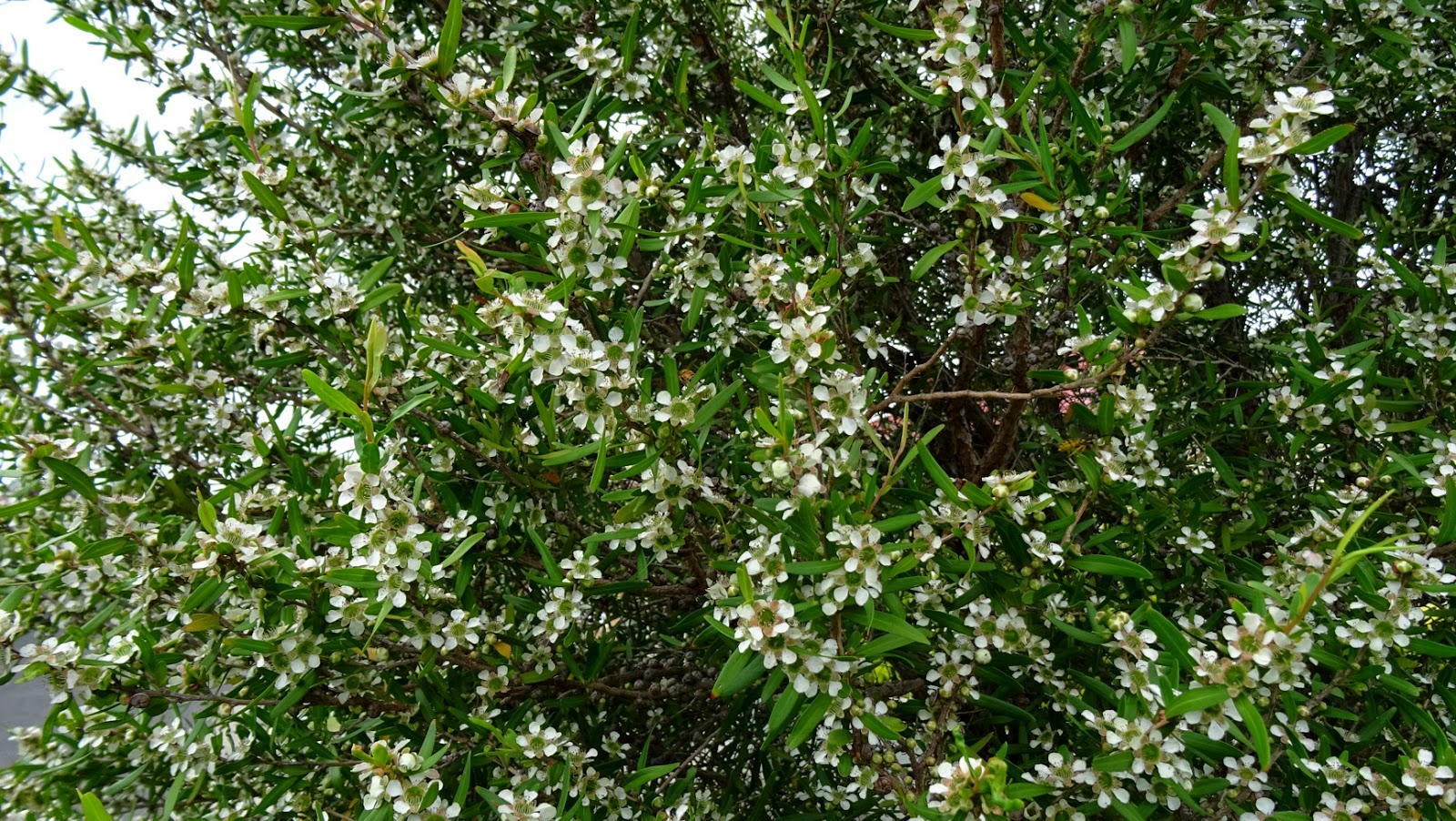
All photos are from the Google.
Thanks for reading @ctrl-alt-nwo
Leptospermum is a plant in the form of a bush of Australian origin, with a subspecies of about 90 myrtle species (Myrtaceae). These boats, which usually range from 1 to 3 meters, have pink, white or red flowers. A special honey is produced from the lemon-scented tea tree (Leptospermum polygalifolium) flowers, a common type of this beautiful plant in Australia that attracts the nectar and the butterflies in its flowers. Maori, a native of New Zealand, used to treat this skin disease and wounds with this special baby. According to an investigation, 1750 milligrams of anti-bacterial compound "methylglucoside" was found in 1 kg of the plant, but this substance became ineffective during honey production.
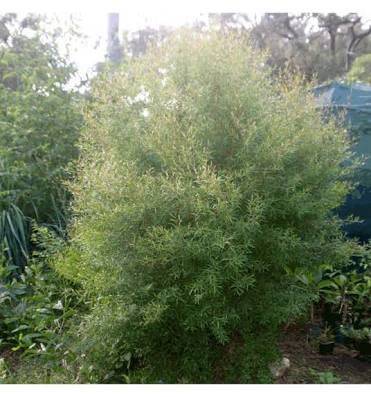
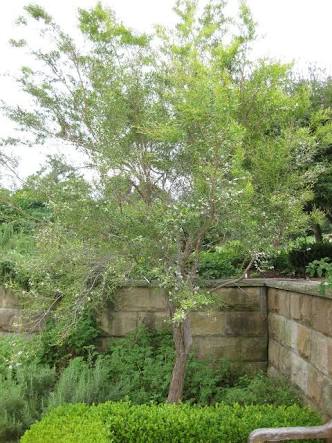
Since the leaves containing vitamin C were consumed as tea by the first Australian immigrants, they also called him "New Zealand tea tree" in his homeland. Leptospermum also used acrid herb tea as an antibacterial drug at the same time. Lacin should not be confused with the Indian burrows (Melaleuca alternifolia), which is also Australian-origin and commonly used in the cosmetic and pharmaceutical sectors and known as "tea tree".
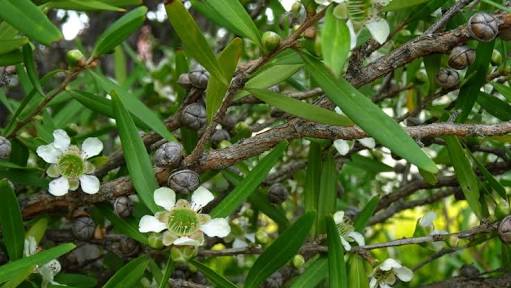
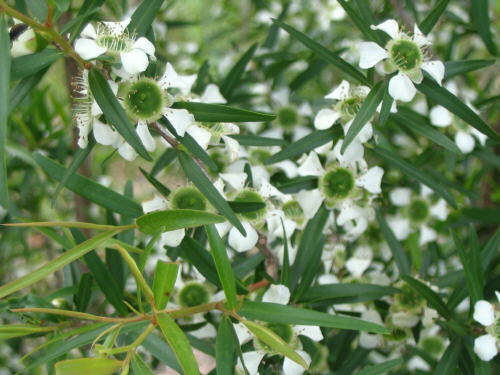
Leptospermum is also used in horticulture as a popular hedge plant. Leptospermum was also a suitable plant for the bonsai technique. L. lanigerum, L. liversidgei, L. polygalifolium, L. rupestre and L. scoparium were the most prevalent species, both resistant to cold and drought, and did not plow their leaves in winter. It is worth remembering that this plant, made of steel and seed, is a warm climate plant. If you want to give her a place in your garden, you should find a corner with plenty of sun, good drainage and no lime calcareous.
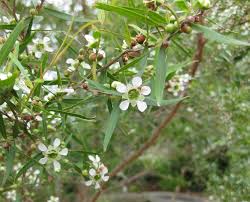
@gifhy
Follow me !
[IMAGE: https://steemitimages.com/DQmbBwPAXsYtDVf9LQF5Zwzqwp3TUZGsUoDw9GKRKRtz4zt/IMG-20180318-WA0012.jpg]
I also share a knowledge of Leptospermum petersonii, I share, the same plant is denızıyoruz insallah.English is also a teabaumöl oil is called a cayagaci yagi. On top of it is also writing in the country of Australia. There is also the inclusion of Melaleuca Alternifolia oil. This medicine, which is also sold in a 30 ml mini sachet, is used for many things. We started using it 10 years ago for the first dental and gingival problems. You put garlic in the water for 3-4 drops once a day and gargle for as long as you can. After mouthwash, it is definitely not calked with mouth water. You do not swallow the spit for a while. Another method is to put a drop on the tooth paste and brush your teeth. An unbelievable thing is that they exterminate their teeth, gum problems 2 or 3 times.
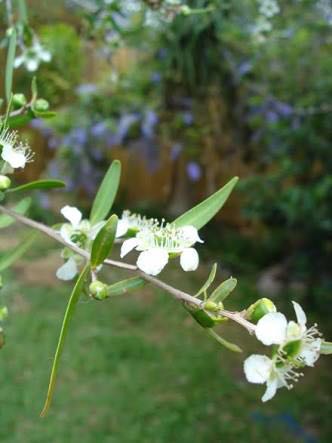
[IMAGE: https://steemitimages.com/DQmc9hNYD8fQeXsPj4Nwc5QGTdvKLxB3GaySDGuWSvj2Acb/IMG-20180318-WA0013.jpg]
You can also use the problems of sheet metal. You can also use 2-3 drops of water to remove the sheets.
Insect stings, wounds, abrasions, acne, skin infections, mushroom infections (including foot mushrooms and thrush).
Agritive problems, tonsils, throat, respiratory tract infections, sinusitis treatment ...
[IMAGE: https://steemitimages.com/DQmUstoRHfWRqWyajaSGWCi4aeajk3Mt2wbm6va65Smgaq8/IMG-20180318-WA0009.jpg]
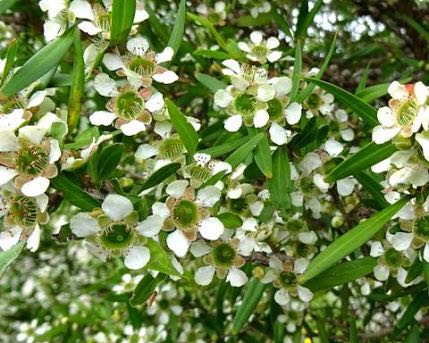
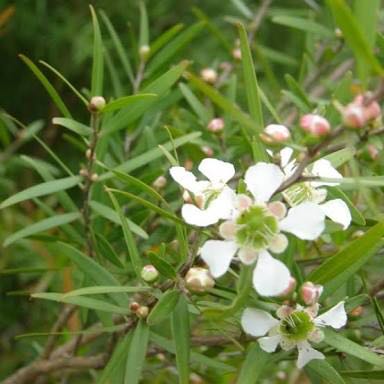
[IMAGE: https://steemitimages.com/DQmZ3pZPQzSd9hNR6oZbcSkpLctQC7cHGoZvrfqmkS5fGca/IMG-20180318-WA0011.jpg]
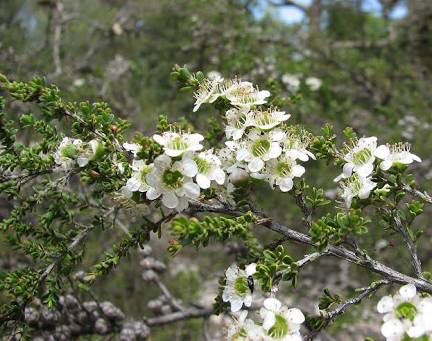
[IMAGE: https://steemitimages.com/DQmbBwPAXsYtDVf9LQF5Zwzqwp3TUZGsUoDw9GKRKRtz4zt/IMG-20180318-WA0012.jpg]
I also share a knowledge of Leptospermum petersonii, I share, the same plant is denızıyoruz insallah.English is also a teabaumöl oil is called a cayagaci yagi. On top of it is also writing in the country of Australia. There is also the inclusion of Melaleuca Alternifolia oil. This medicine, which is also sold in a 30 ml mini sachet, is used for many things. We started using it 10 years ago for the first dental and gingival problems. You put garlic in the water for 3-4 drops once a day and gargle for as long as you can. After mouthwash, it is definitely not calked with mouth water. You do not swallow the spit for a while. Another method is to put a drop on the tooth paste and brush your teeth. An unbelievable thing is that they exterminate their teeth, gum problems 2 or 3 times.
[IMAGE: https://steemitimages.com/DQmc9hNYD8fQeXsPj4Nwc5QGTdvKLxB3GaySDGuWSvj2Acb/IMG-20180318-WA0013.jpg]
You can also use the problems of sheet metal. You can also use 2-3 drops of water to remove the sheets.
Insect stings, wounds, abrasions, acne, skin infections, mushroom infections (including foot mushrooms and thrush).
Agritive problems, tonsils, throat, respiratory tract infections, sinusitis treatment ...
[IMAGE: https://steemitimages.com/DQmUstoRHfWRqWyajaSGWCi4aeajk3Mt2wbm6va65Smgaq8/IMG-20180318-WA0009.jpg]
[IMAGE: https://steemitimages.com/DQmZ3pZPQzSd9hNR6oZbcSkpLctQC7cHGoZvrfqmkS5fGca/IMG-20180318-WA0011.jpg]
Life of the lemon scented tea tree on the set with one bright blue sky and two sunny suns
amazing post sir ..Lemon scented tea tree are very important for us... this tree is very helpful.. thanks sir for sharing thisgreat post[IMAGE: https://steemitimages.com/DQmP6XAvBqxznAqXGDXaPf7BwJXPguMwpU624NiN6k8weL7/27972010_1810836352320405_793215466900153816_n.jpg]
The lemon Scented Tea Tree ( Leptospermum petersonii ) is really a beautiful tree with many benefits. Its beautiful flowers have good fragrance which attract honeybees. Its leaves also have enormous benefits for health.
I have collected some pictures to make your post more beautiful. I hope you will like them.
[IMAGE: https://steemitimages.com/DQmbDvykb1DonWYRnsQ4FebXpw7rz48xvTdkTU2568KdGtD/DQmcXWqe84fepsw1Zm71LVZuuVn2neGVi7HVcPCwi1saeRm_1680x8400.jpg]
[IMAGE: https://steemitimages.com/DQmUvVzYA7mjcnvi2uZsxX7NKZxzUGQV4SNZggKTqmfRVyu/DQmUvVzYA7mjcnvi2uZsxX7NKZxzUGQV4SNZggKTqmfRVyu.jpg]
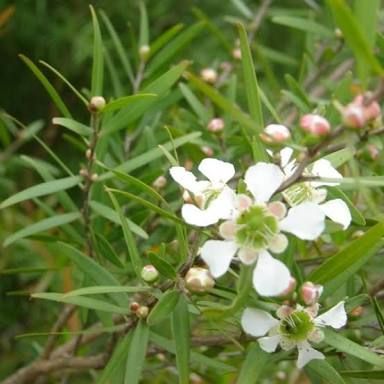
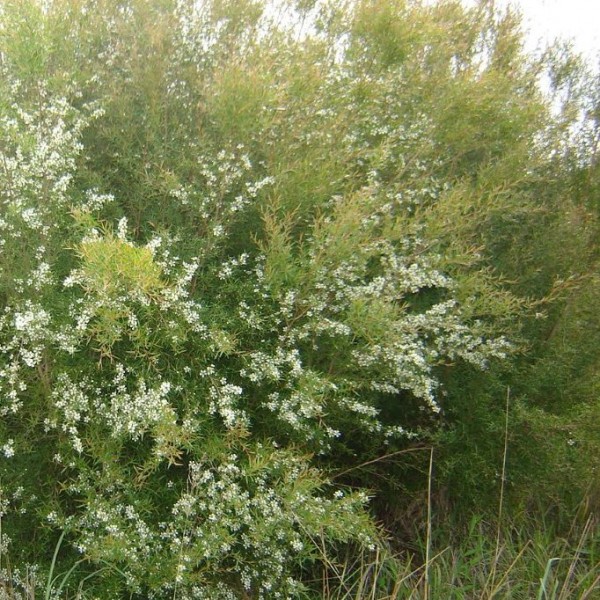
I am grateful for your kind support and attention.
While searching on Google i found that Leptospermum petersonii lemon-scented tea tree is a tall shrub to small tree and grows upto 5 metres. It is very beautiful Australian native tree with a shrubby habit.
Hi dear and respectable @ctrl-alt-nwo
I am very happy to see post of my respectable and generous mentor. Your kind guide gives me inspiration and confidence . You spreading the true nature which is much interesting and also good source of learning for me.
Here are some pictures of
Leptospermum petersonii
[IMAGE: https://steemitimages.com/DQmNR1frZiEoRGruFCxFzW4XgCSZ47sLtobJdUDbUvKymAD/20180316_203902.jpg]
Source Google
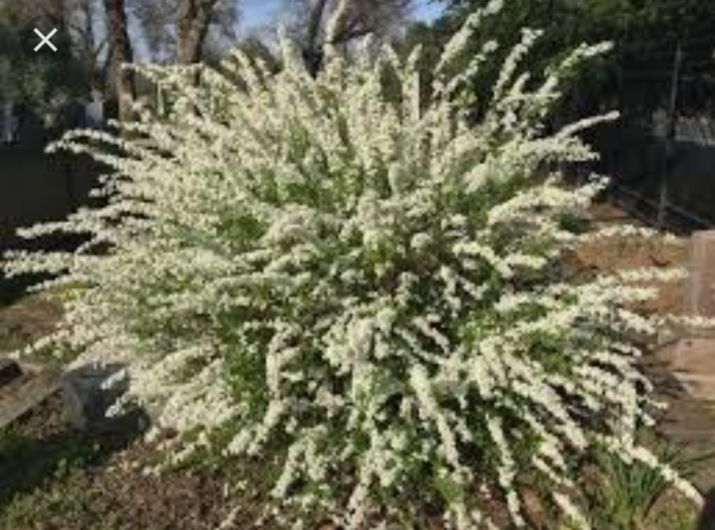
[IMAGE: https://steemitimages.com/DQmPEFASBQzmtv8SsUemLKeYT2iv34FgZ1ooxwF8ufCMk7t/20180316_203847.jpg]
Source Google
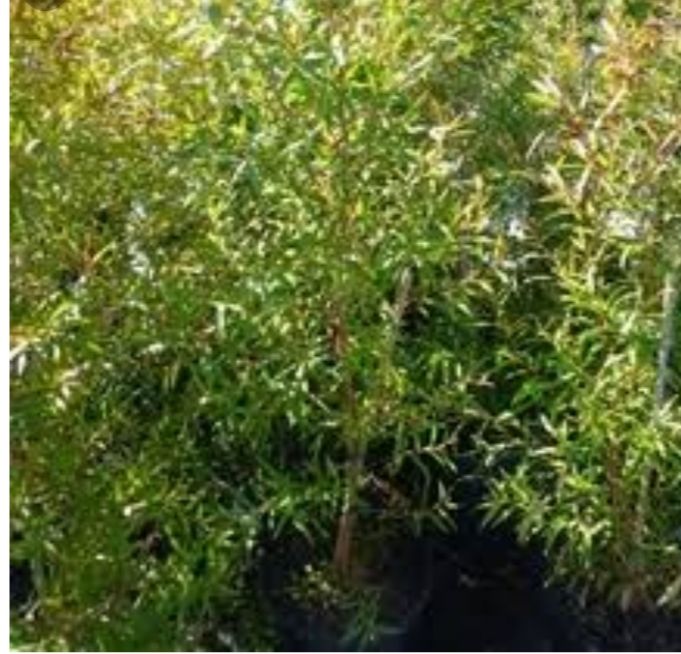
[IMAGE: https://steemitimages.com/DQmcUEwQcxXjcALCNARMkTaMMqGwkft7CHrnDisEkEaKCtd/20180316_203819.jpg]
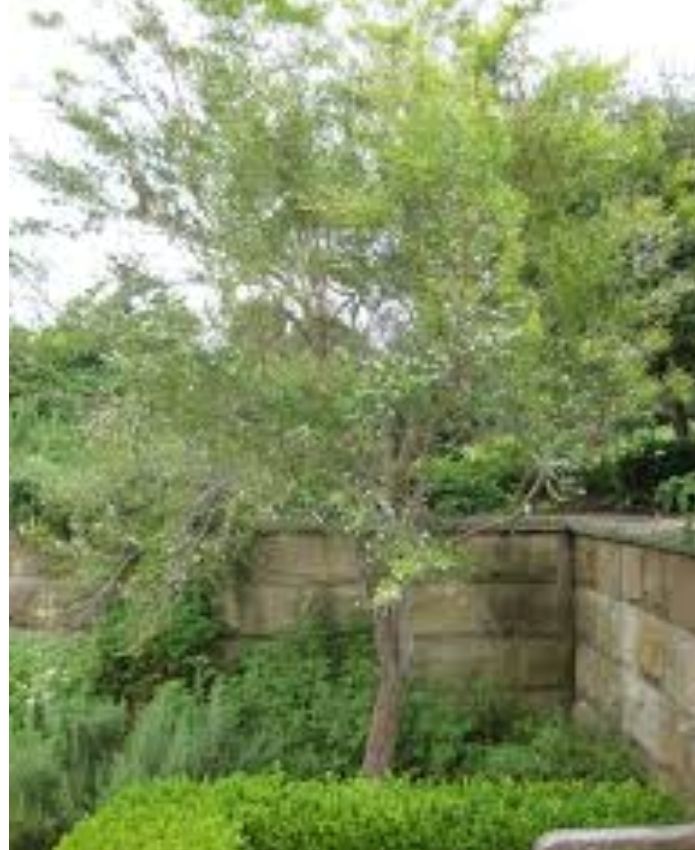
Thanks a lot
Commonly known as 'teatrees'
photoCommonly referred to as Teatree, Leptospermum is distributed in Australia, South East Asia (i.e. the Malay peninsula, Sumatra, Borneo, Java, Philippines, Sulawesi, Thailand, Flores, Moluccas, southern Burma and New Guinea) and New Zealand. Whilst Leptospermum occupies a variety of habitats from coastal dunes to high mountain peaks, it is most commonly found in wet or periodically wet substrates that are acidic and low in nutrient content.
Leptospermum is in the sub-family Leptospermoideae of family Myrtaceae and currently comprises 86 recognized species. About 83 species occur in Australia, all but two endemic. The genus Leptospermum was first recognized by Johann Reinhold Forster and his son Johann Georg Adam Forster when they published the name L. scoparium Forst. & G.Forst. in 1776.
George Bentham was the first to treat the genus in his 1866 Flora Australiensis. Bentham recognized 20 species and his comments that the "... species are very difficult to distinguish" and that from "the dried specimens, whether of the species here admitted or of the varieties or races, I have been unable to discover any positive discriminating characters" are evidence of the problematic nature of the genus. Doubtless, some of these difficulties would have arisen from Bentham's broad concept of Leptospermum, which included species now assigned to Homalospermum Schauer, Neofabricia J.Thompson and Pericalymma (Endl.) Endl. In 1983 Thompson reinstated the genera Homalospermum and Pericalymma, described Neofabricia (based in part upon the genus Fabricia Gaertner) and then in 1989 published a revision of the genus Leptospermum. Thompson recognized 79 species with 27 of these being described as new. In 1992 Bean described another two species and clarified taxonomic problems associated with two northern Australian and Malesian taxa. In 1993 Lyne and in 1996 Lyne and Crisp published descriptions of another two new species.
The common name tea-tree derives from the practice of early settlers of soaking the leaves of several species in boiling water to make a tea substitute. Most Leptospermum species make desirable garden plants. Flowers are mostly large, up to 3 cm in diameter, and they are hardy in most soils and aspects.
They are easy to propagate from seed or cuttings. Several cultivars have been established in the trade for many years. These have originated mainly from L. scoparium, a species that Australia shares with New Zealand. Most of the cultivars have developed from New Zealand stock and have occurred as chance seedlings in nurseries of other countries; that is, the United States, Ireland and the United Kingdom. With concentrated breeding effort, Australian species will produce hybrids far superior to these in terms of vigour and disease resistance. As is well known, most of the L. scoparium cultivars are prone to scale and the associated black smut. Many Leptospermum species make useful screen plants as most have a tight, compact growth. Species that flower on the new wood may be used as cut flowers
Commonly grown . Commonly grown Leptospermum species
Leptospermum amboinense
Leptospermum arachnoides
Leptospermum brachyandrum
Leptospermum brevipes
Leptospermum continentale
Leptospermum coriaceum
Leptospermum deuense
Leptospermum epacridoideum
Leptospermum 'Horizontalis'
Leptospermum juniperinum
Leptospermum laevigatum
Leptospermum lanigerum
Leptospermum liversidgei
Leptospermum luehmannii
Leptospermum macrocarpum
Leptospermum madidum subsp. sativum
Leptospermum minutifolium
Leptospermum multicaule
Leptospermum myrsinoides
Leptospermum nitidum
Leptospermum obovatum
Leptospermum oligandrum
Leptospermum parvifolium
Leptospermum petersonii
Leptospermum 'Pink Cascade'
Leptospermum polygalifolium
Leptospermum polygalifolium 'Pacific Beauty'
Leptospermum purpurascens
Leptospermum rotundifolium
Leptospermum rotundifolium 'Julie Ann'
Leptospermum scoparium
Leptospermum sericeum
Leptospermum speciosum
Leptospermum spectabile
Leptospermum spinescens
Leptospermum squarrosum
Leptospermum trinervium
Leptospermum turbinatum
Leptospermum variabile
[IMAGE: https://steemitimages.com/DQmVPVunE8CudhtaFNXE473vjzrEMMyVUoTJh6fvtavtgfQ/th%5B6%5D.jpg]
Leptospermum wooroonooran .
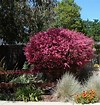
[IMAGE: https://steemitimages.com/DQmPKSzBuon7o4QFc7ASyhfG4wPRBHVPEViF8rjiiJ94wCb/th%5B7%5D.jpg][IMAGE: https://steemitimages.com/DQmcqVhvJgNrcxF7iH7pn36WYEbcMPraWWHRGpZBpSFY9R1/th%5B8%5D.jpg]
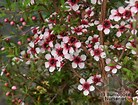

Great post sir. you are awesome. thanks for sharing