+-+-+ +-+ +-+-+-+-+
|G|O| |4| |H|I|V|E|
+-+-+ +-+ +-+-+-+-+

 --- A GOPHER-LIKE INTERFACE FOR HIVE BLOCKCHAIN ---

Un-killable Dietes

BY: @ctrl-alt-nwo | CREATED: Oct. 22, 2018, 2:40 a.m. | VOTES: 100 | PAYOUT: $23.59 | [ VOTE ]

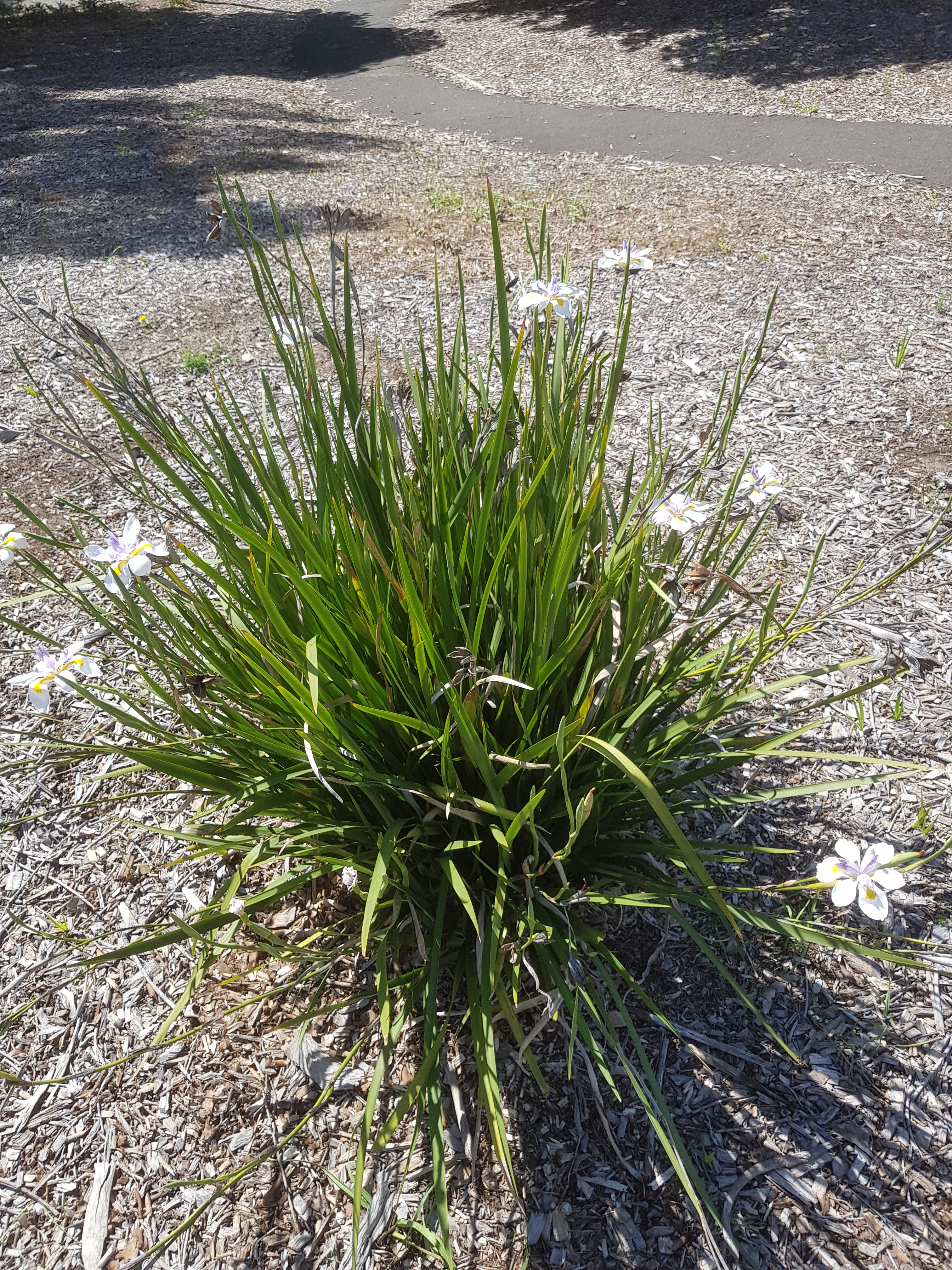
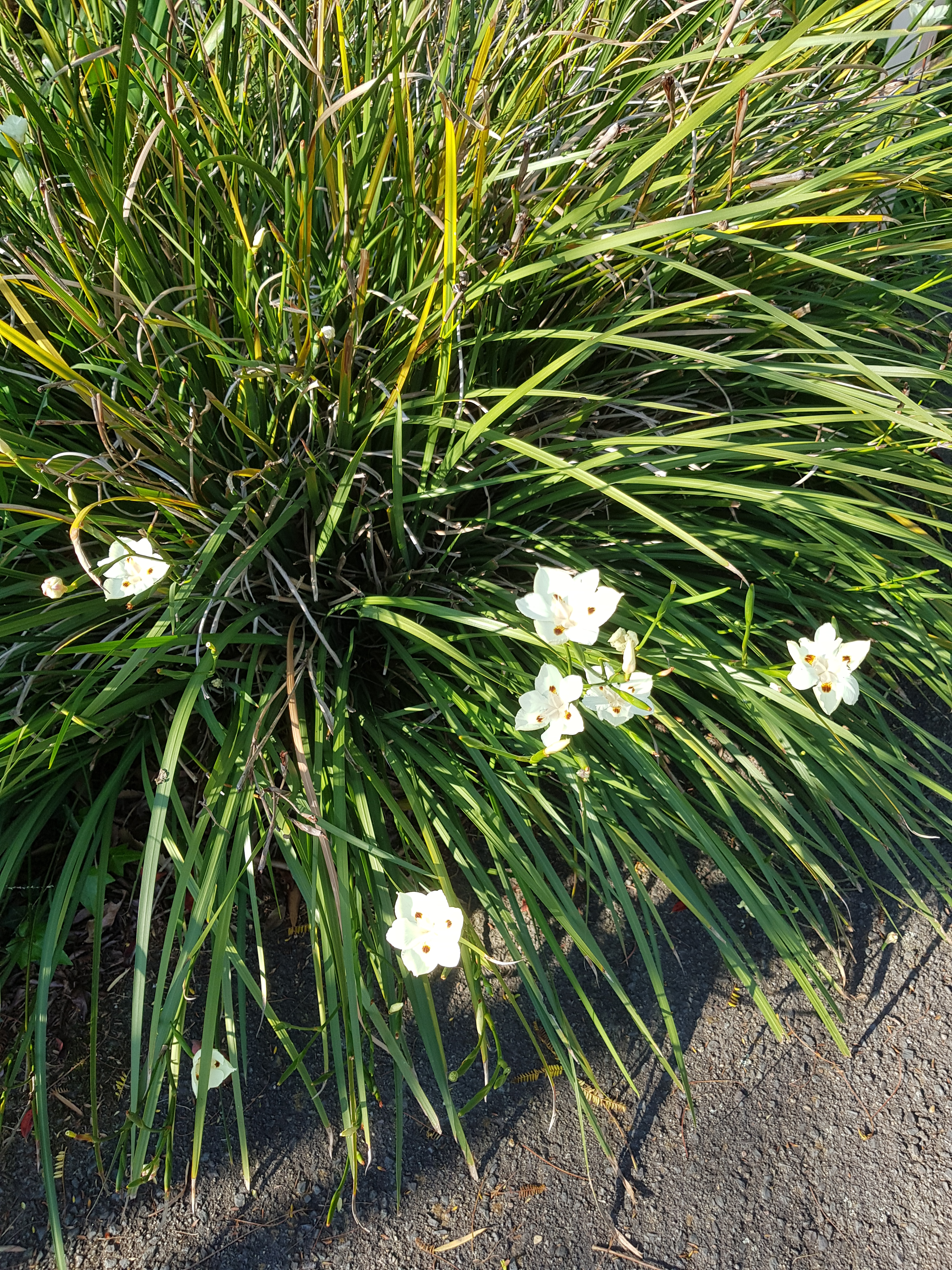
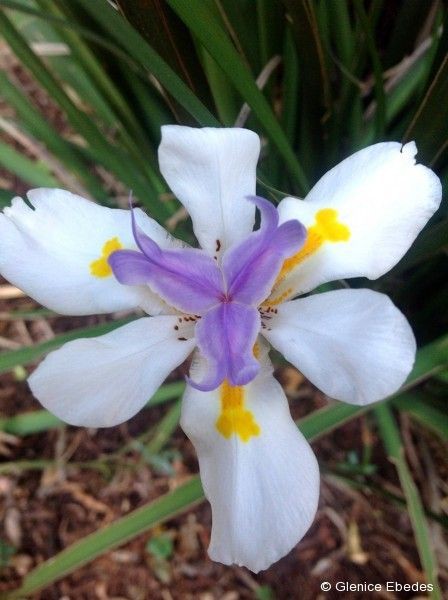
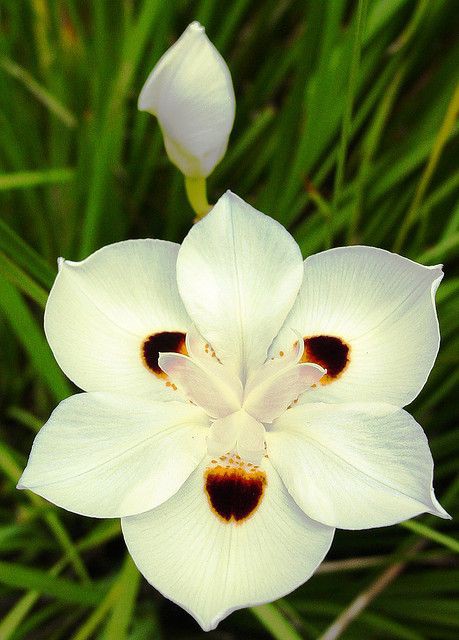
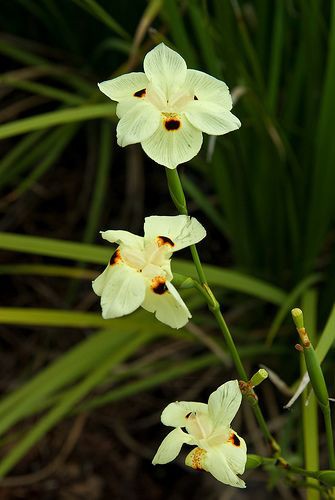
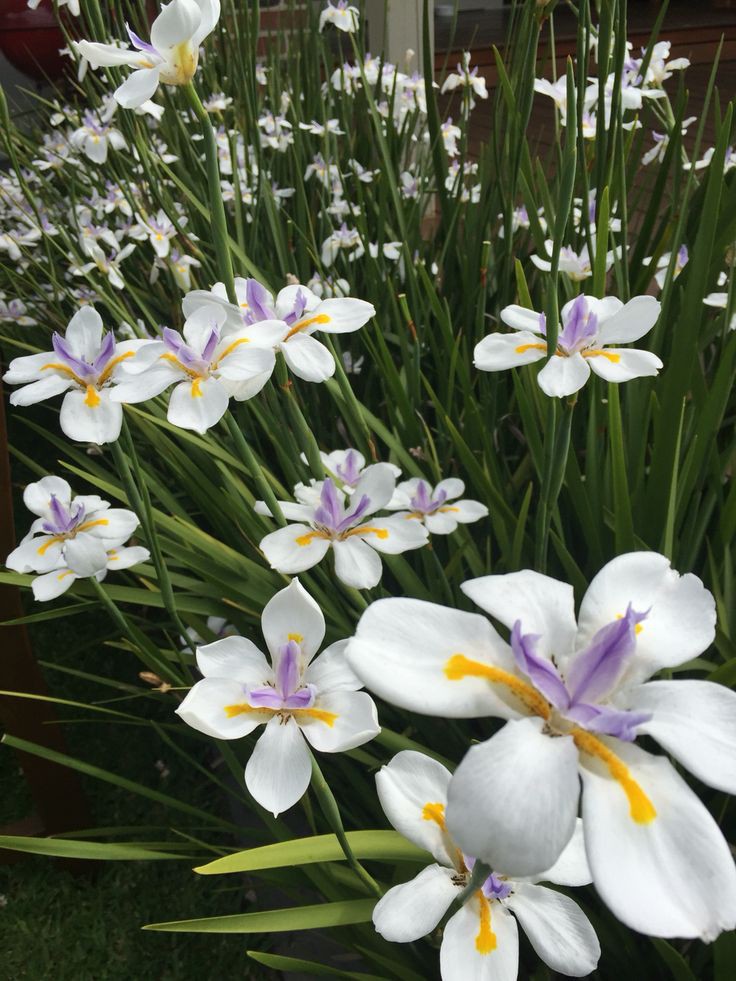
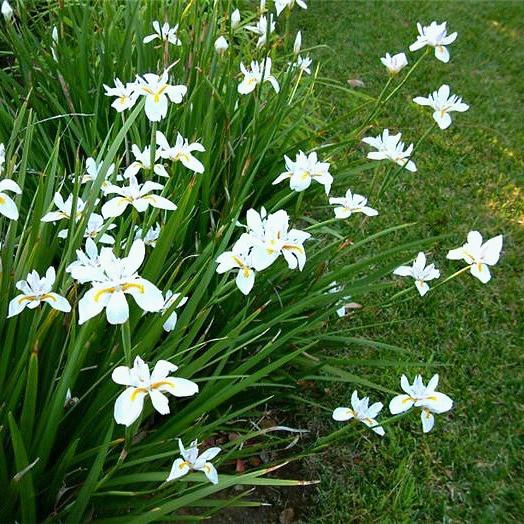
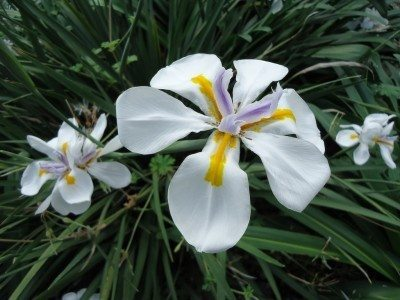
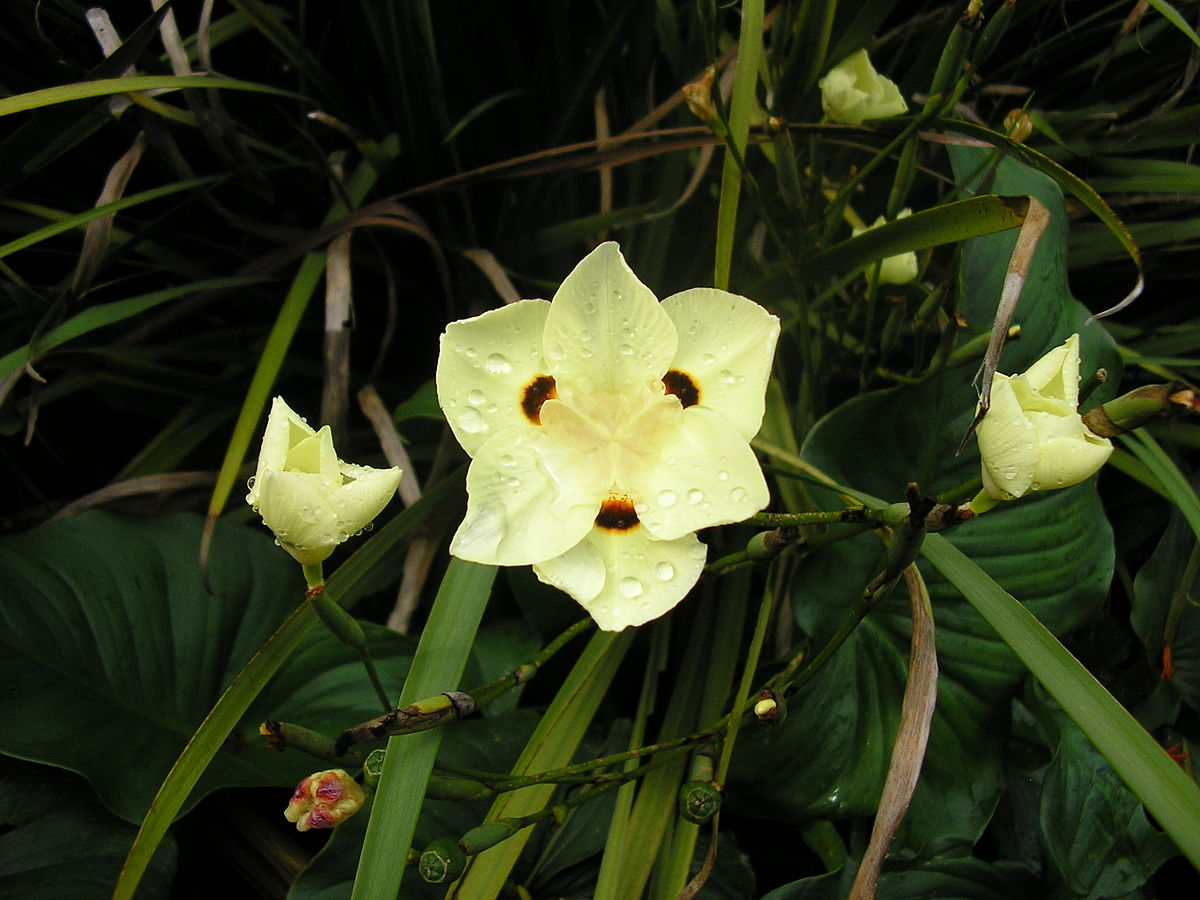
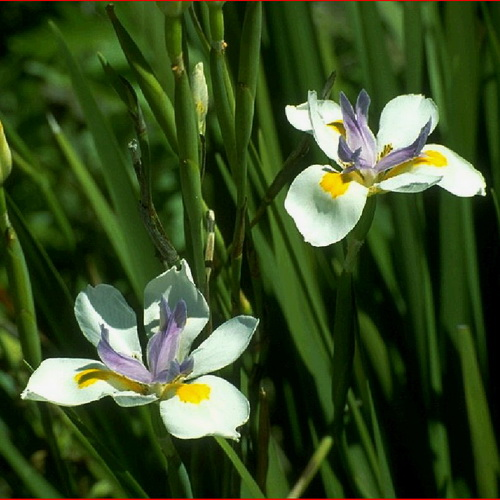
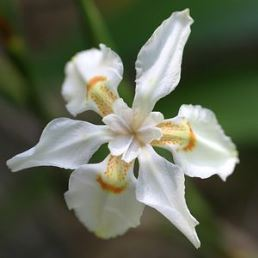
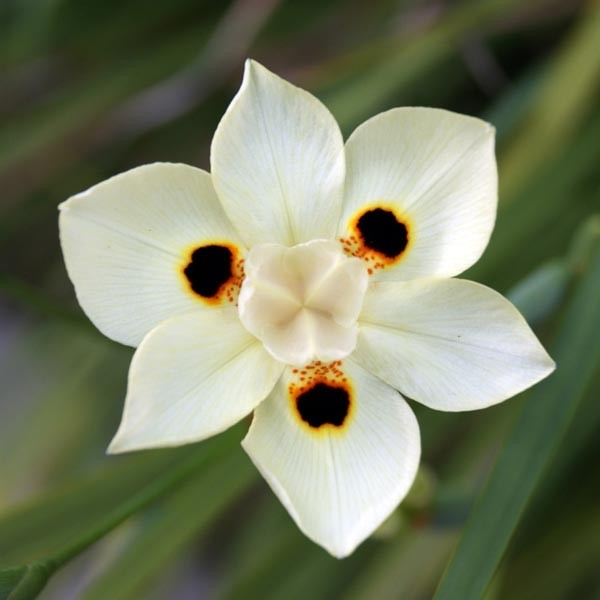
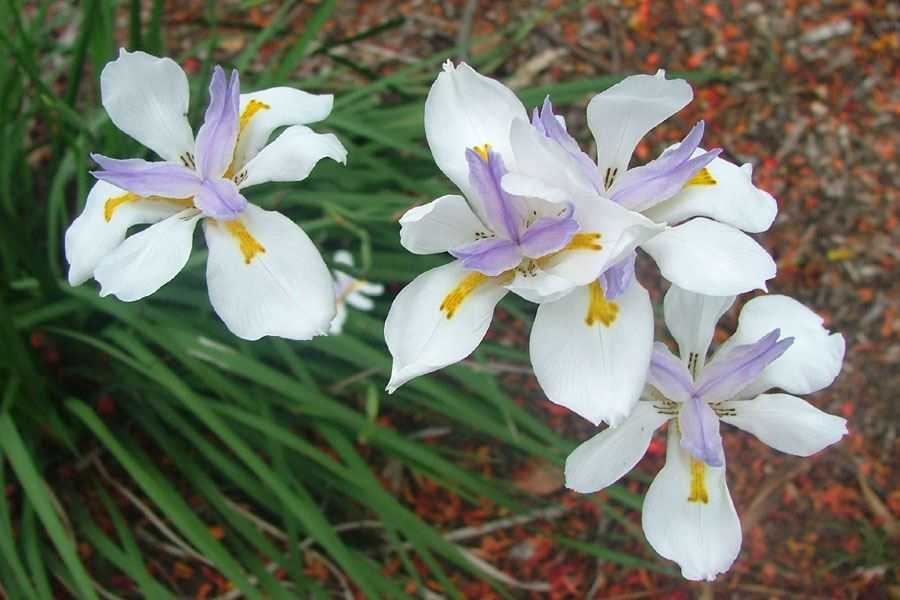
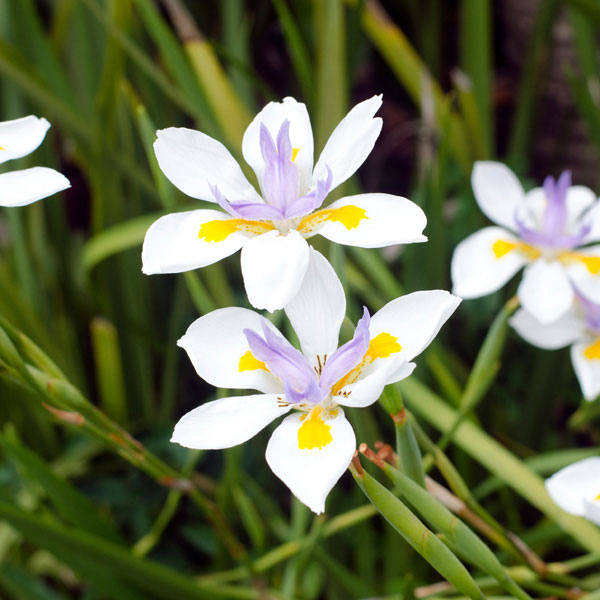
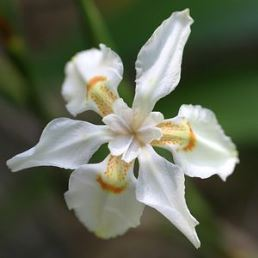
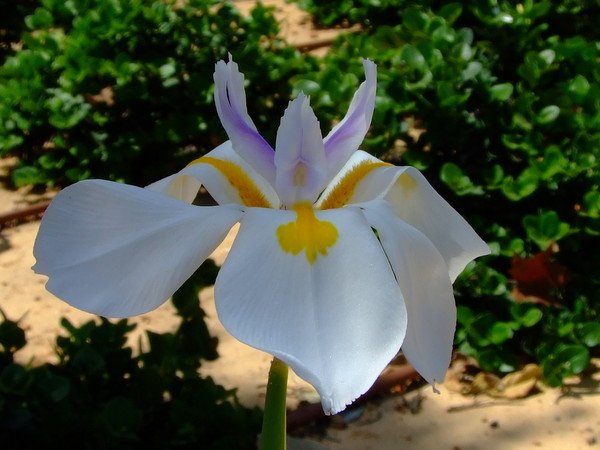
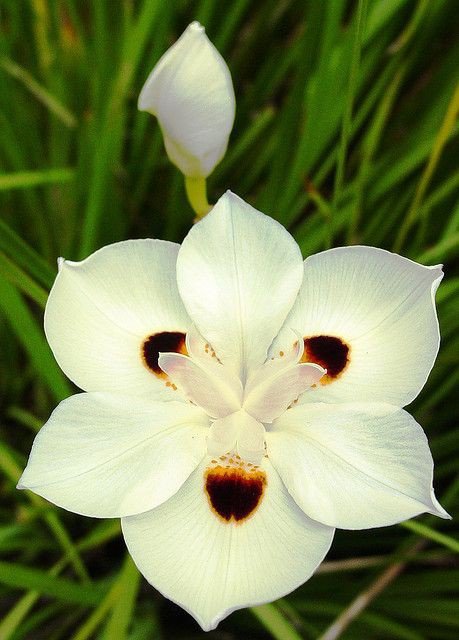
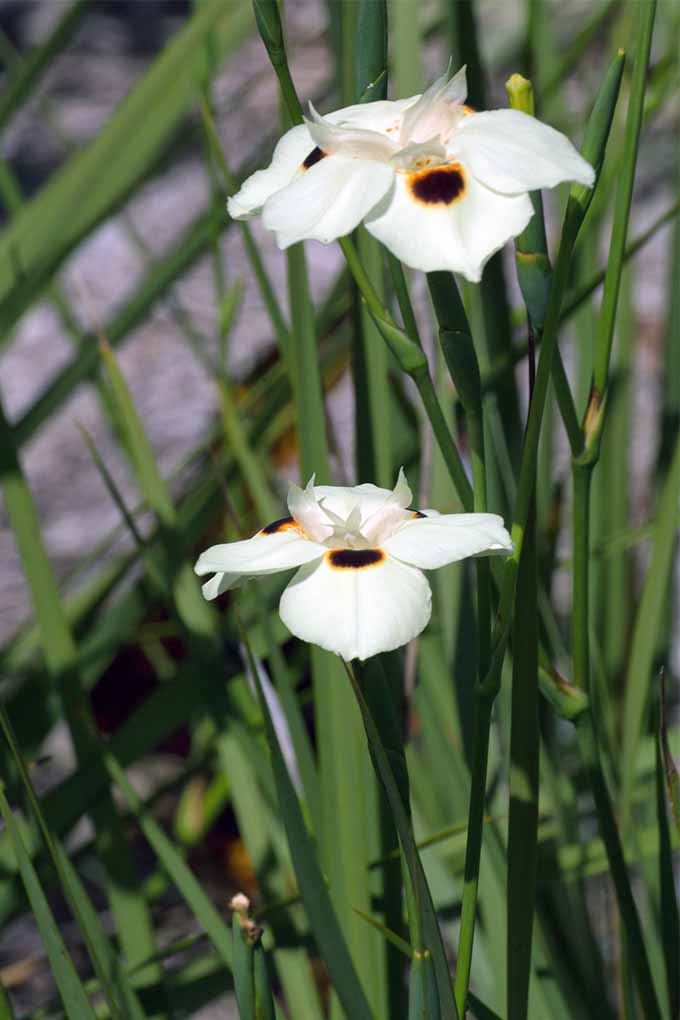
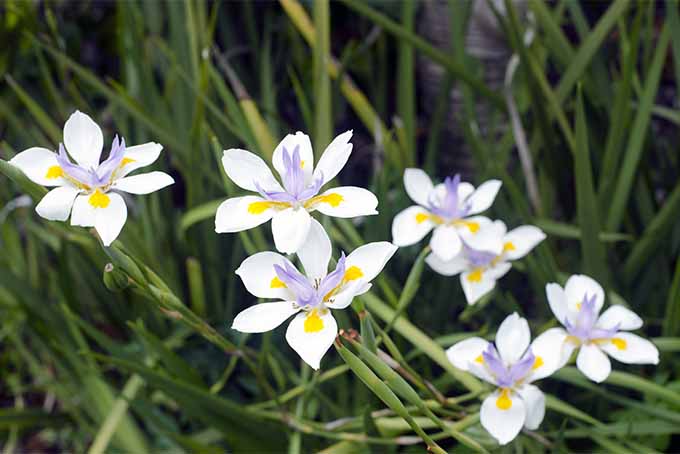
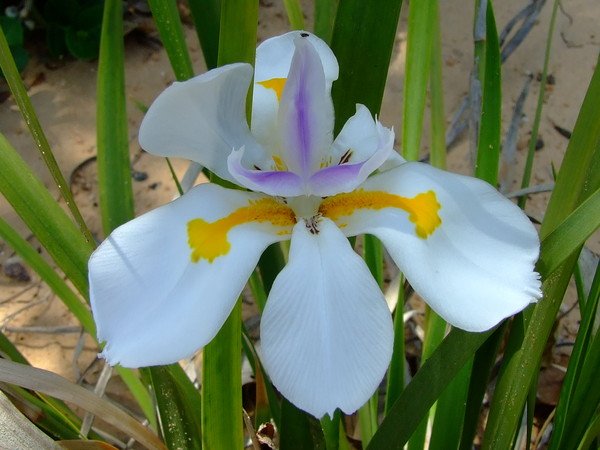
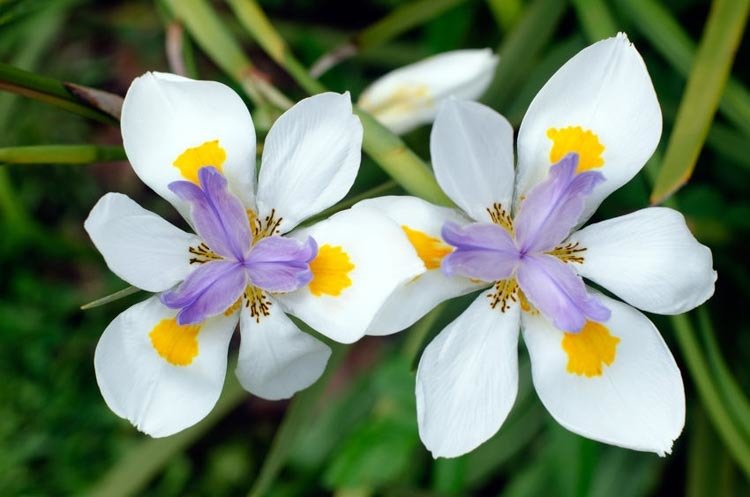
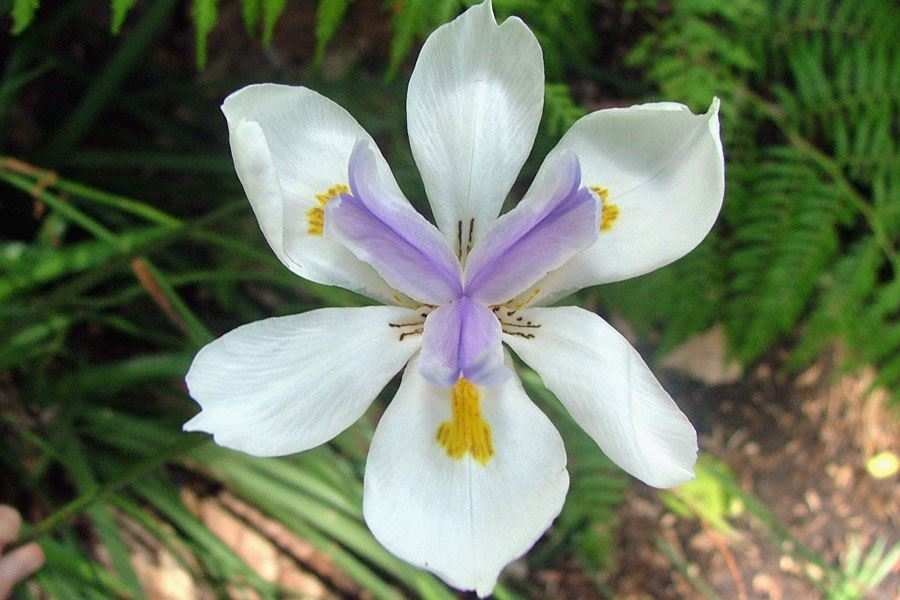
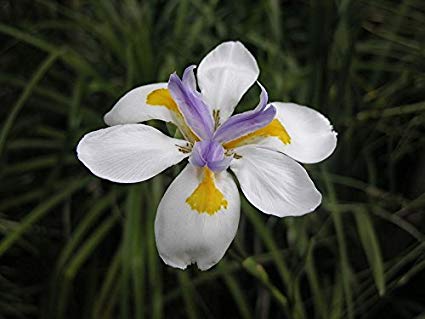
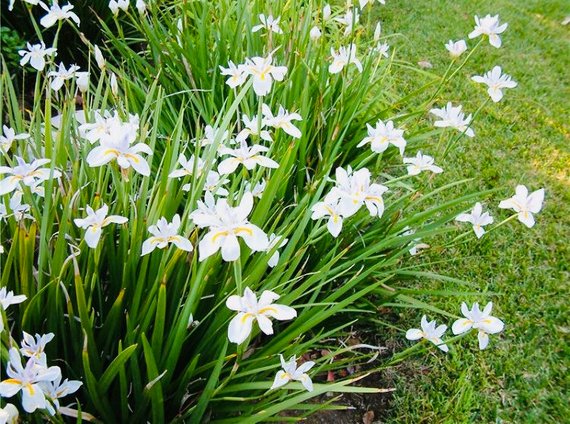
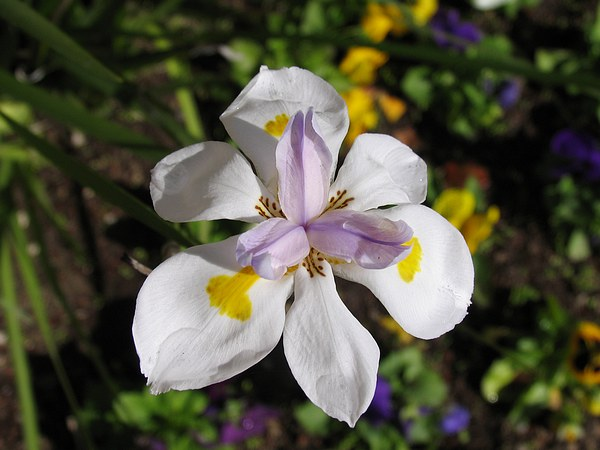
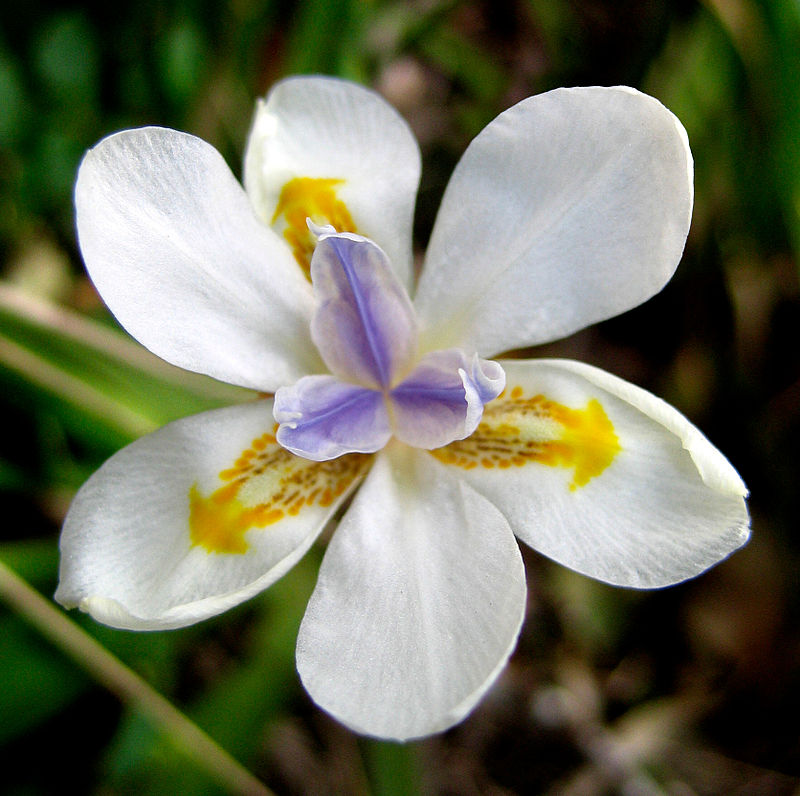
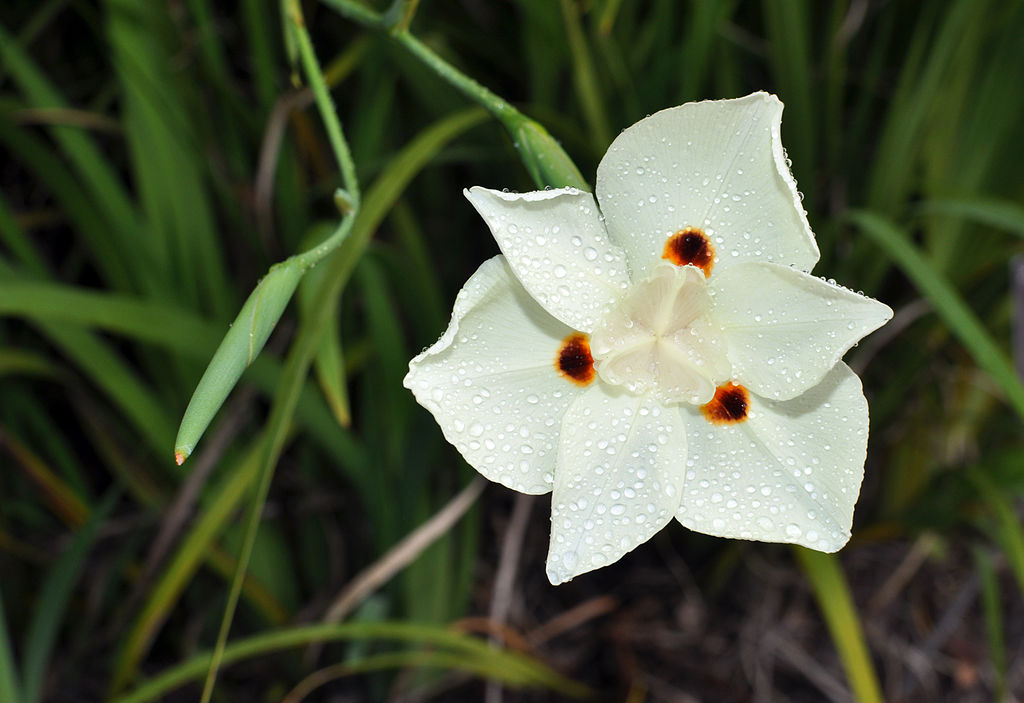
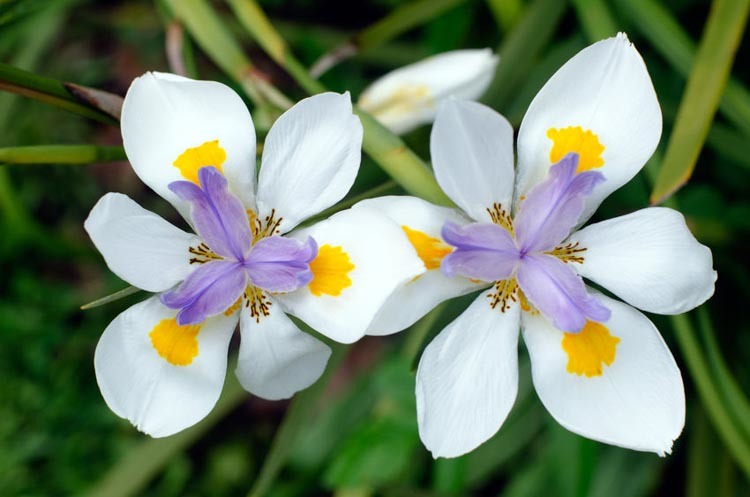
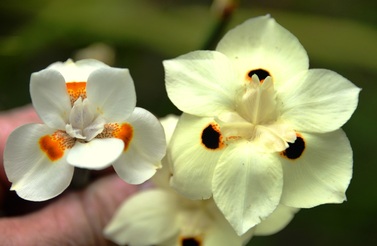
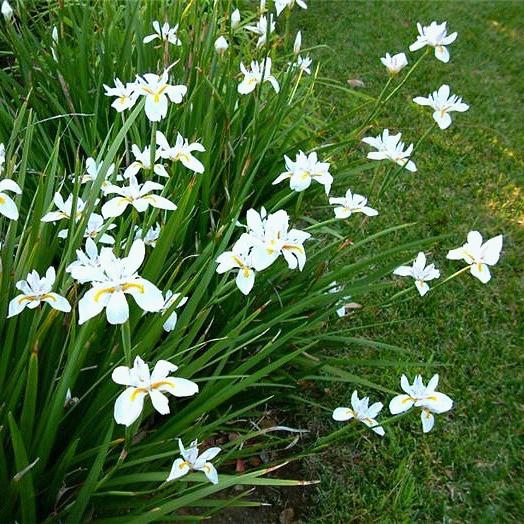
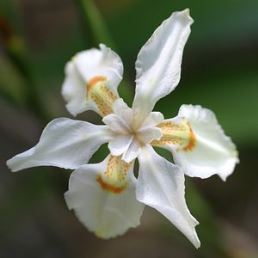
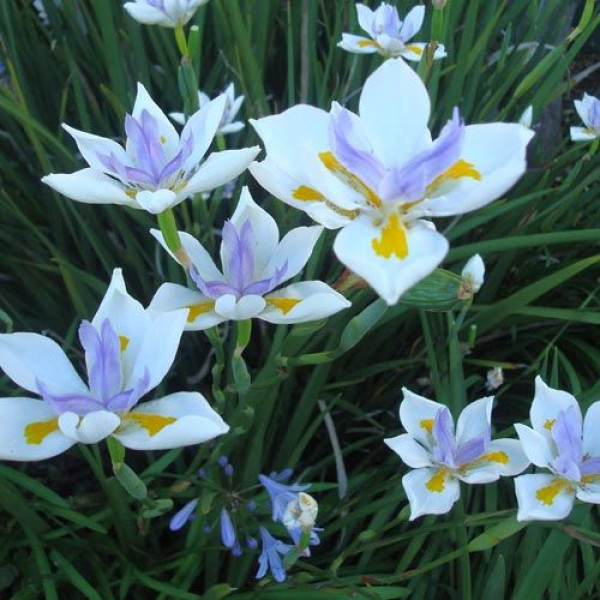
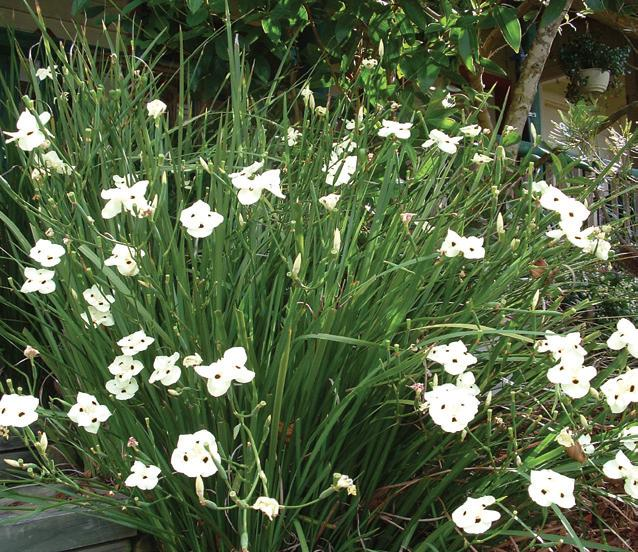
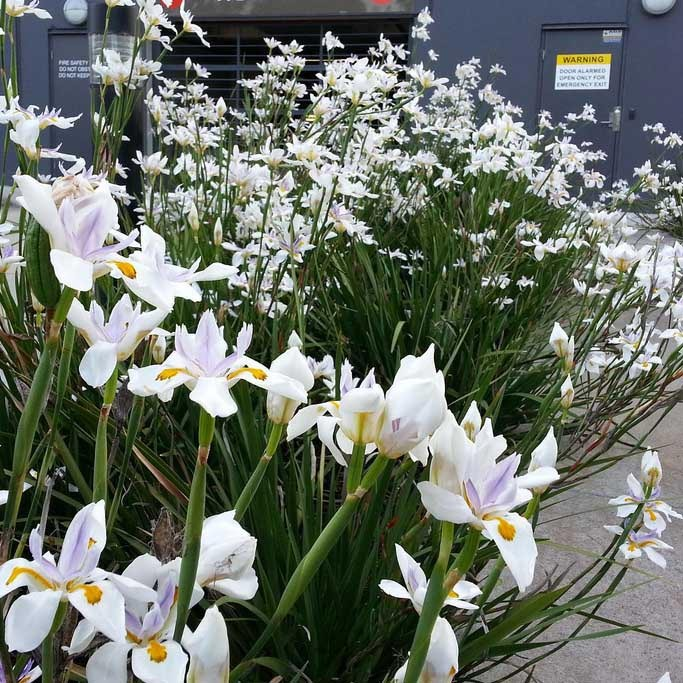
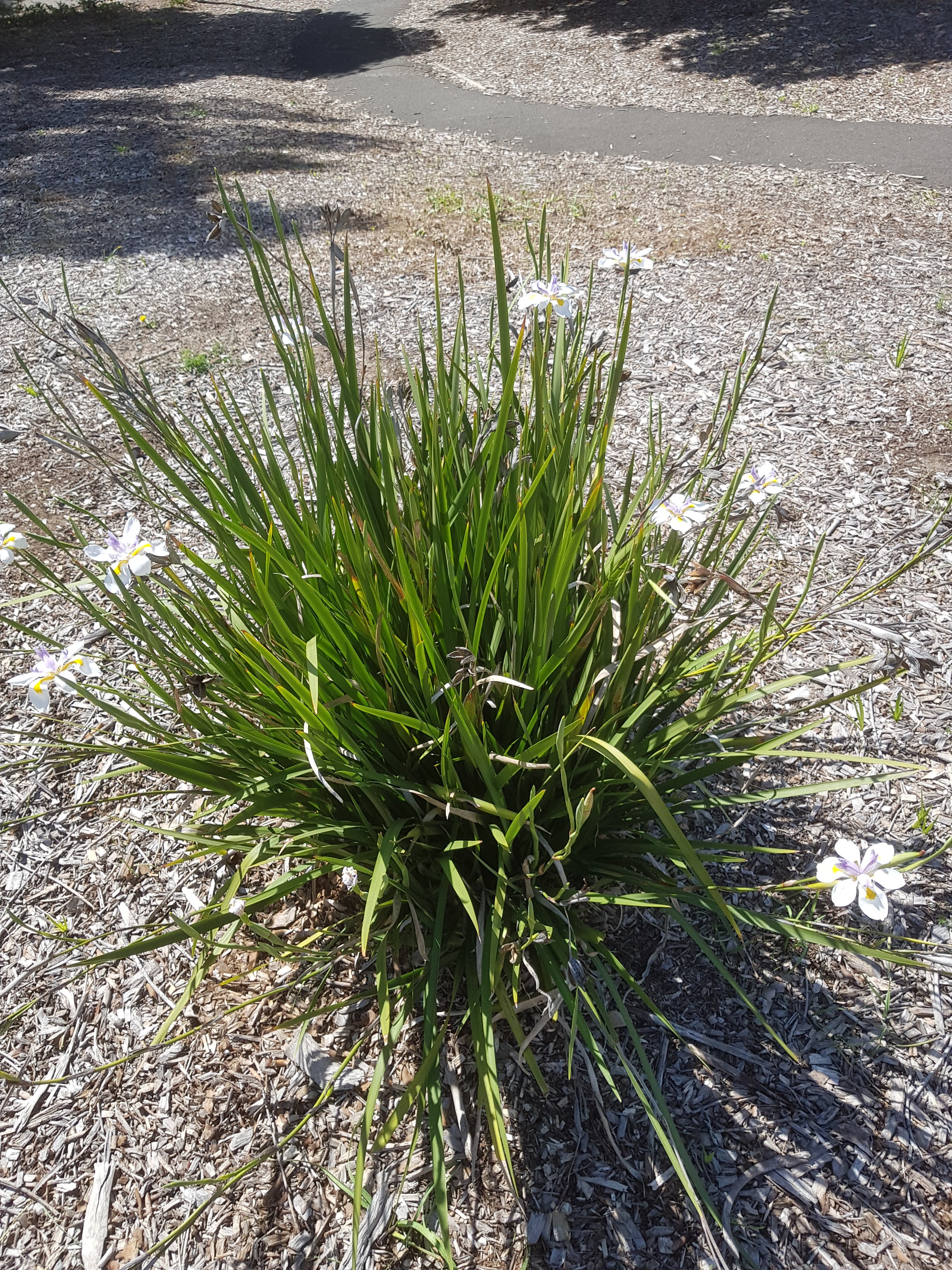
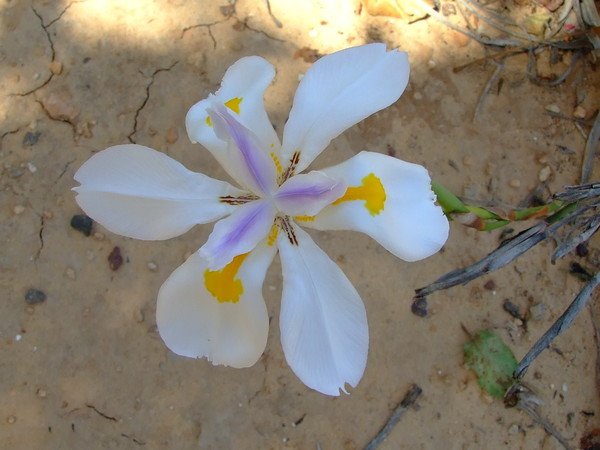
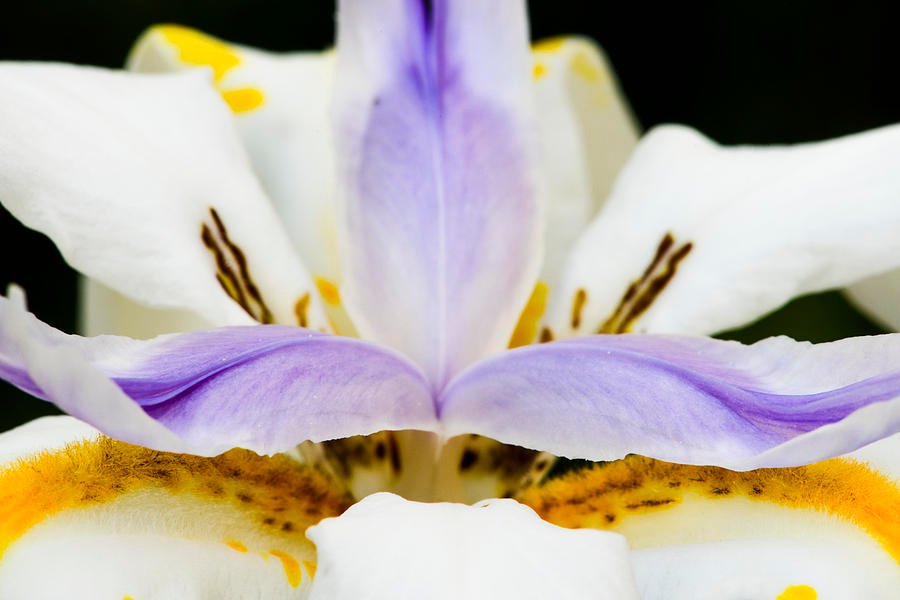
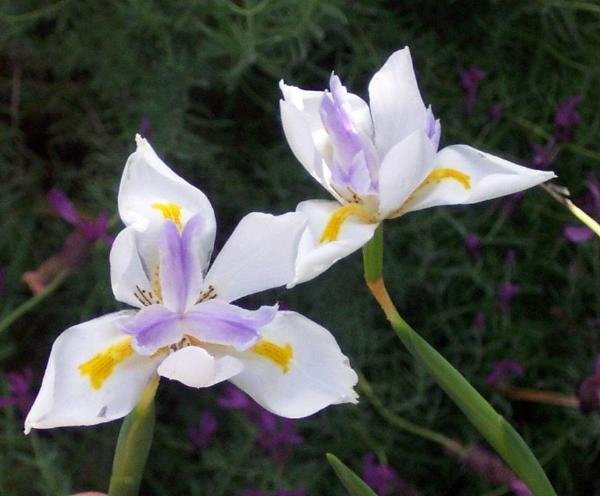
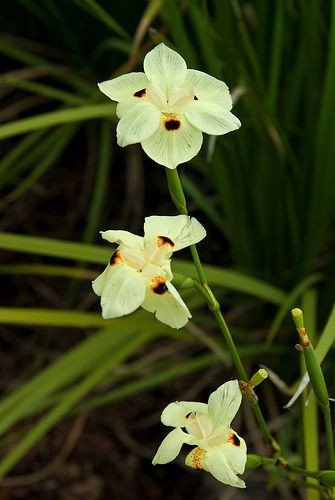
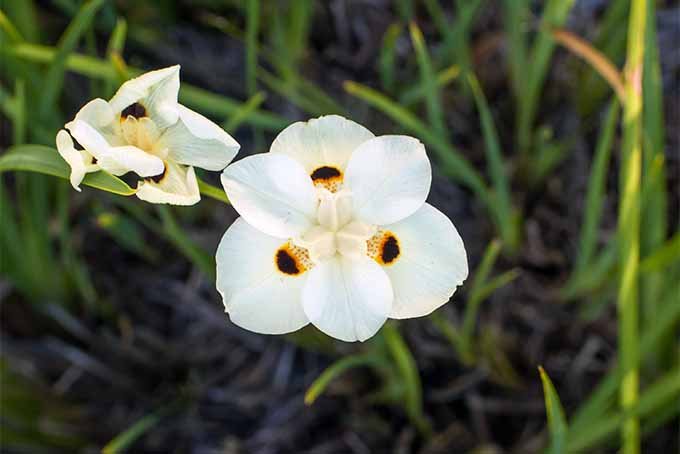
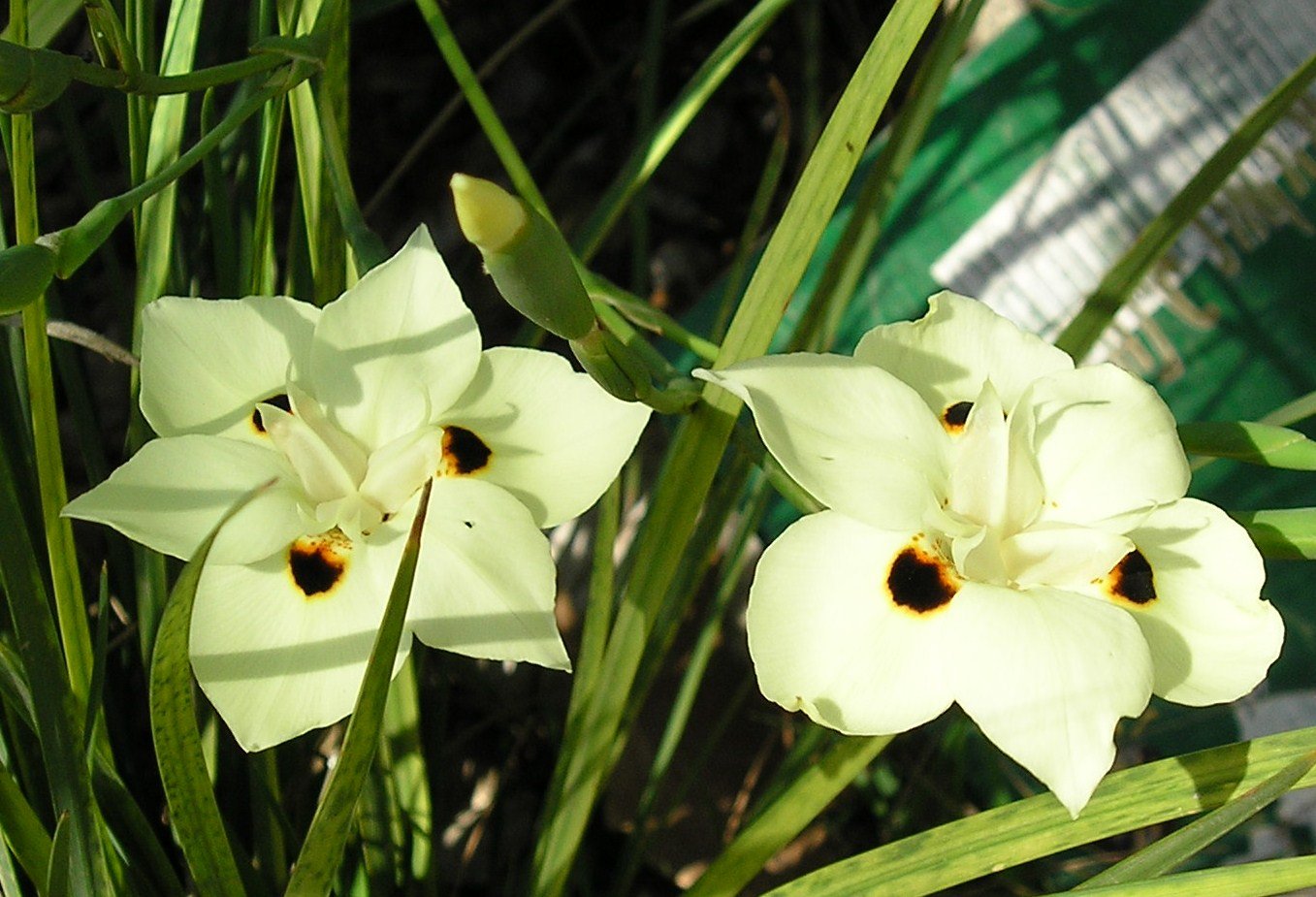
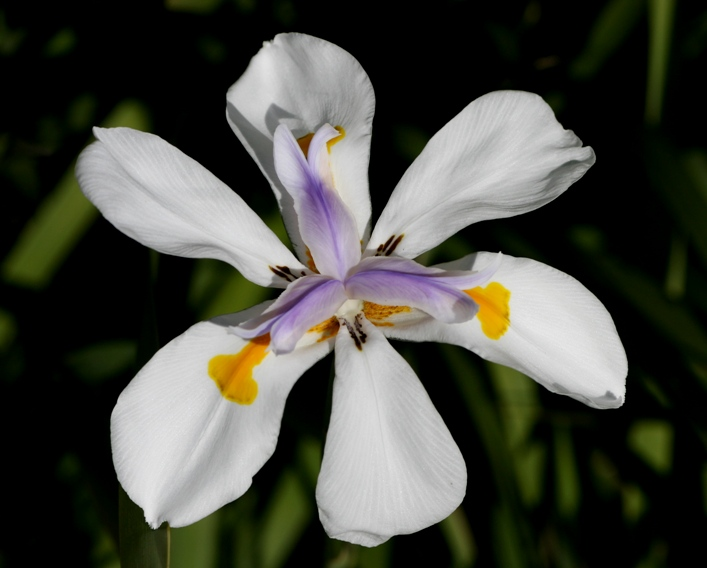
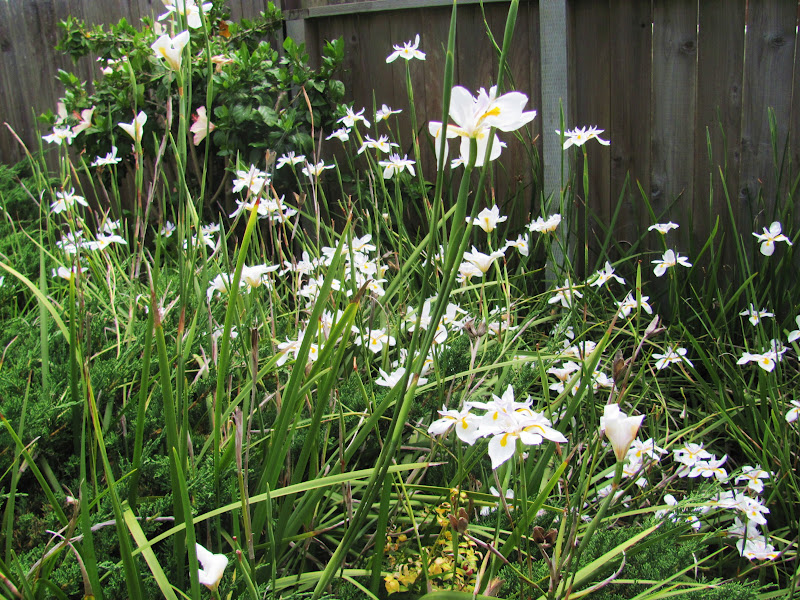
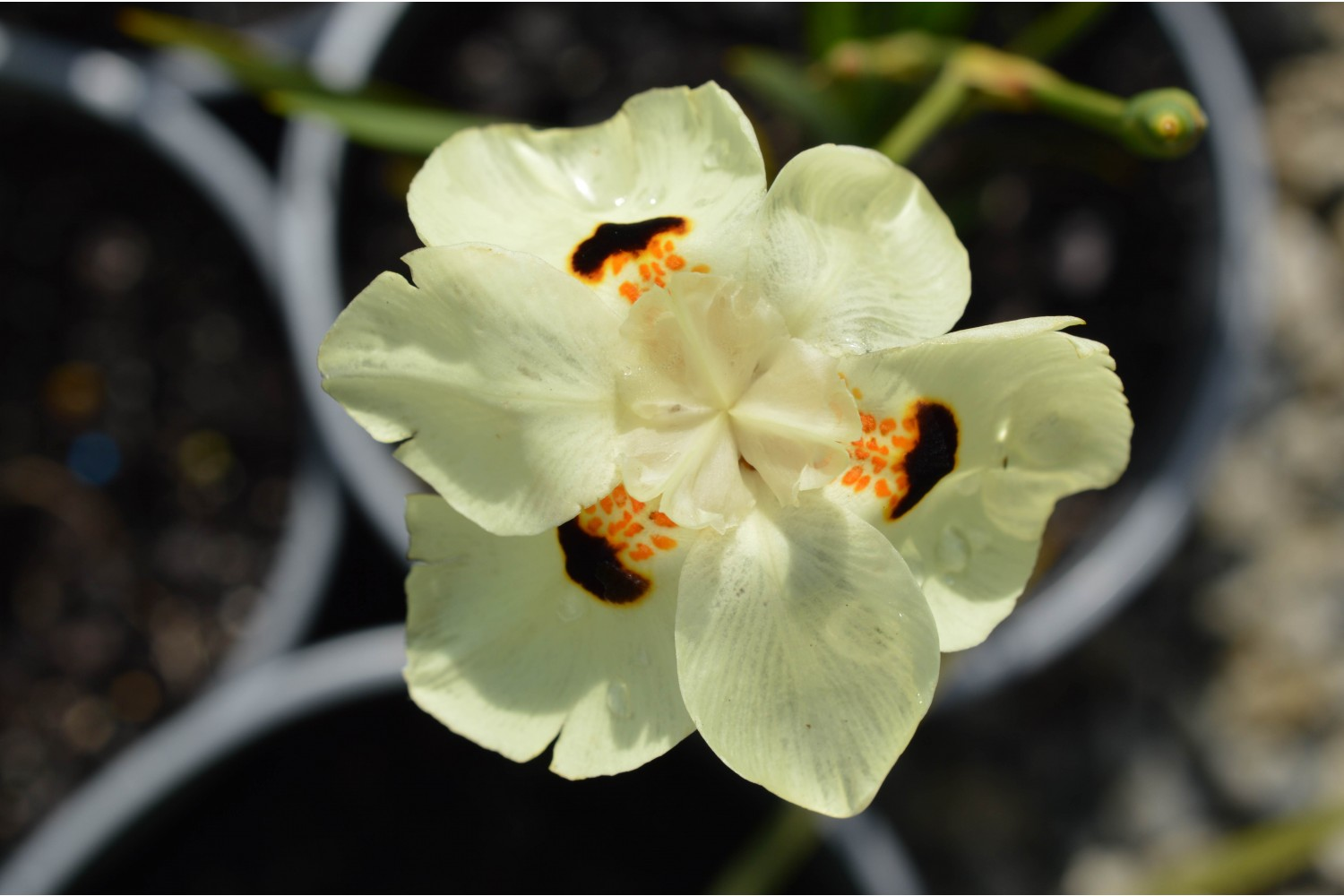
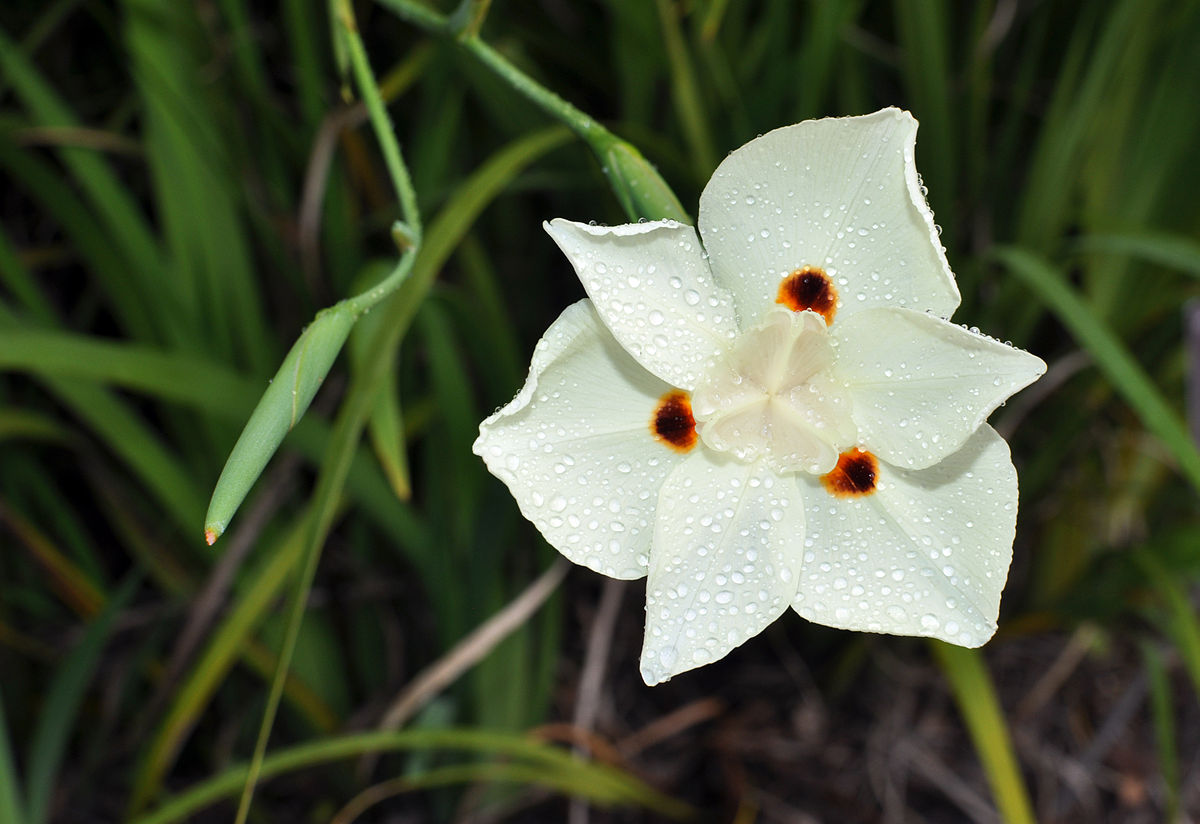
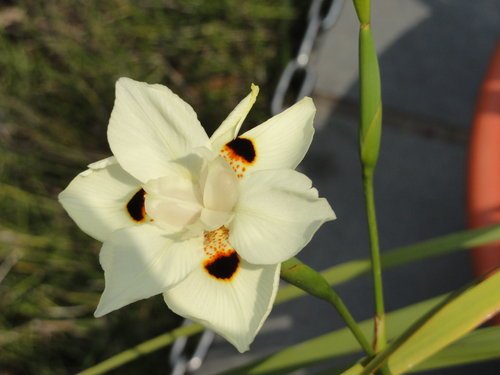
If you kill one of these plants, you have a black thumb, not a green thumb !! :) Dietes is the Botanical name for the plant called the Fortnight Lily, or African Iris, along with several other common names. They are not related to Iris, this is only a common name used for them ! This plant is tough and very hardy, but will always benefit from extra care, and will look better for it. Most species of this plant are from Africa, so it is suited for temperate and warmer climates, and flowers for most of the year. There are only about 6 species of this plant, but two of them, Dietes bicolor and Dietes iridoides are most common in Sydney.

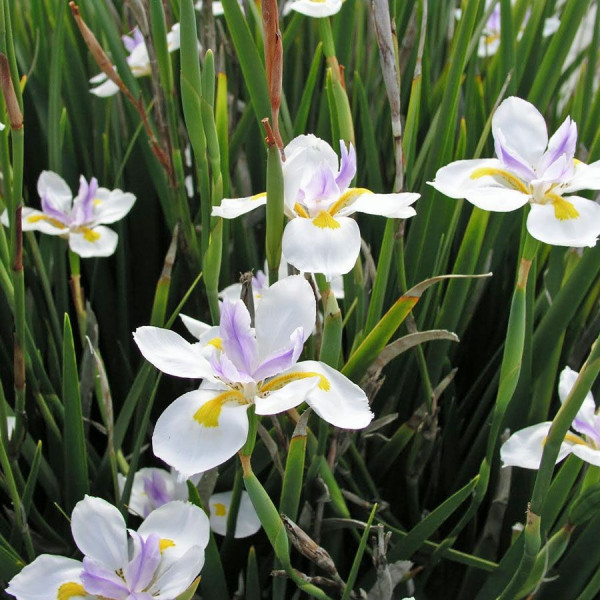
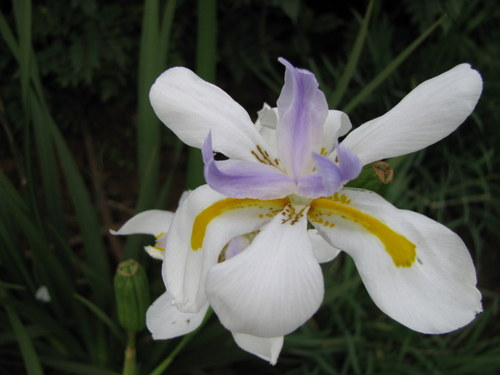
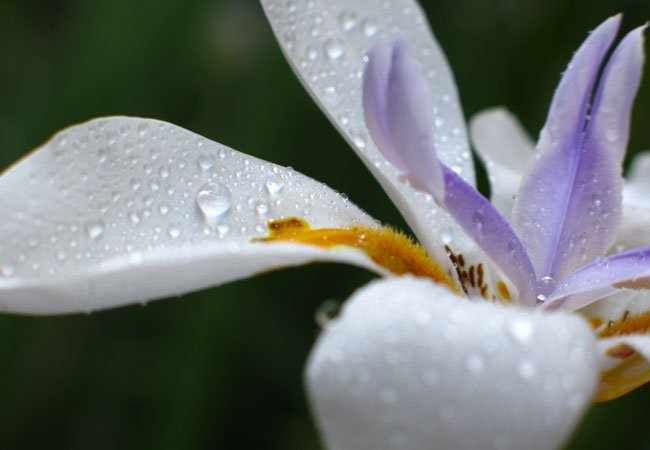
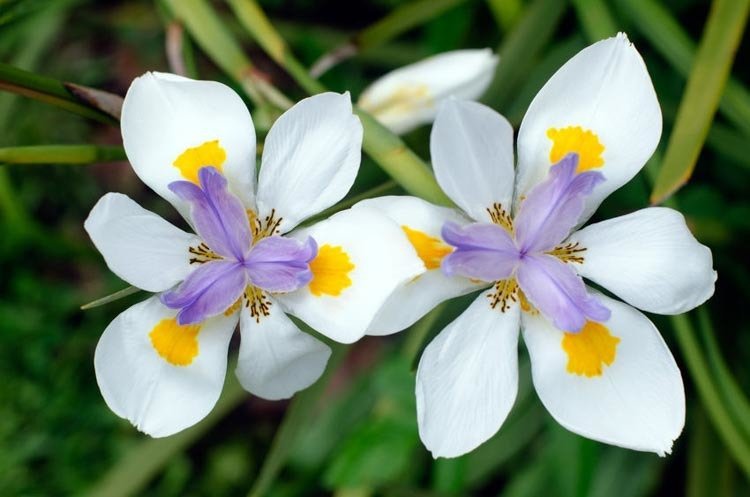
Dietes bicolor is the larger plant of the two, having long arching sword-like leaves with pale yellow flowers and darker brown spots on the petals. The plant grows into a large clump and is very attractive when mature. Dietes iridoides is more of an upright clumping plant, the shorter sword-like leaves pointing straight up. The flowers are an attractive mix of yellow, white and blue.

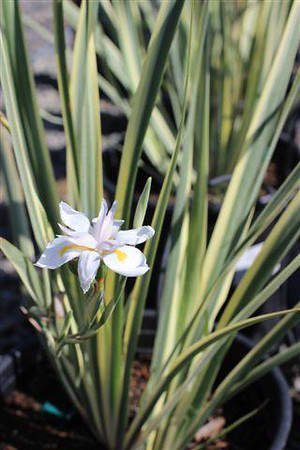
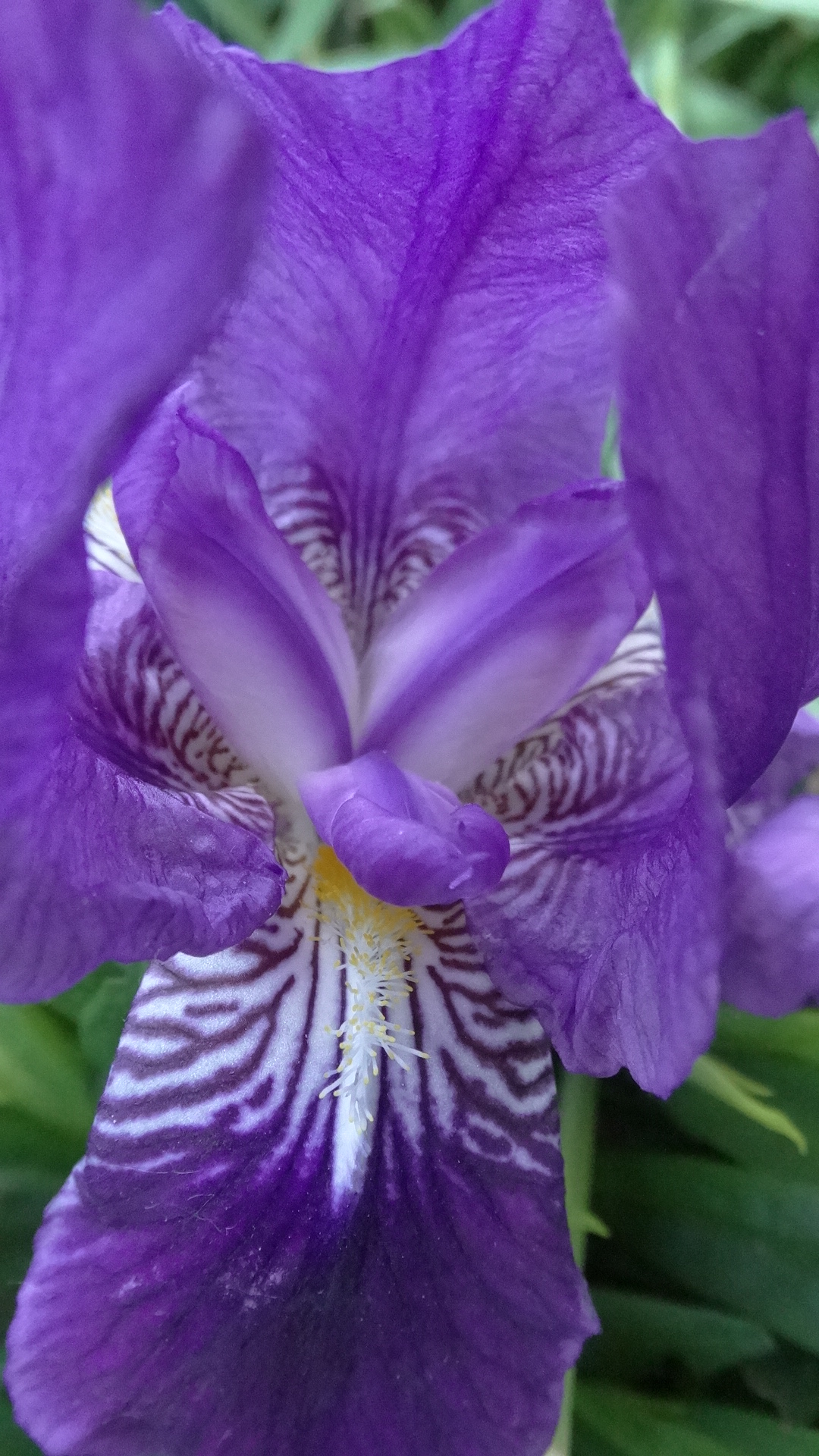
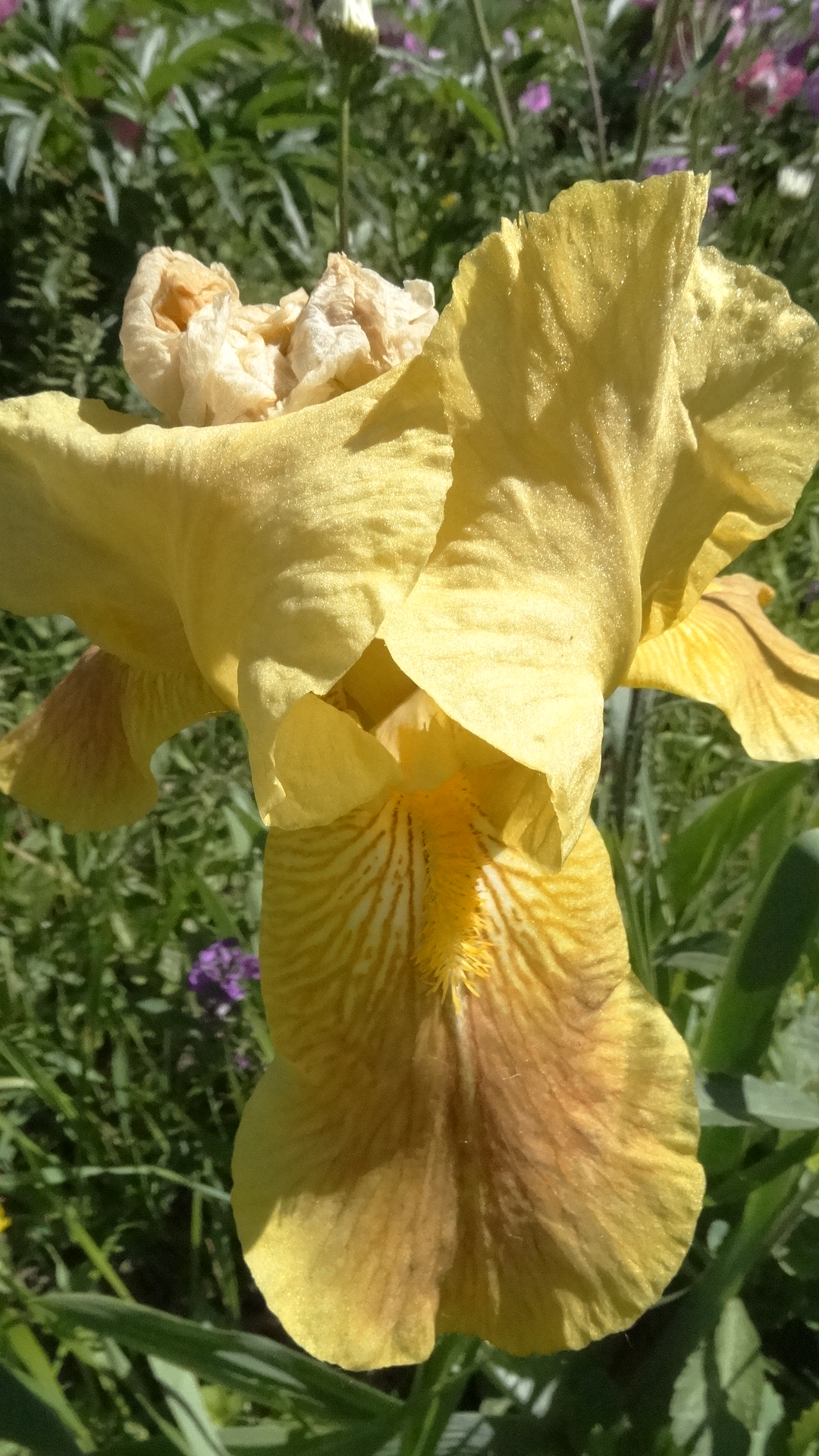
Pruning off the dead foliage and flower heads will improve the look of the plants, and give it a sunny spot and well-drained soil for best results. I took these photos in different locations around Sydney.
[IMAGE: https://cdn.steemitimages.com/DQmWSZ4Qowtvbtti3dpFtdcba1tLNguj8u6XrQEUwAHb7YW/new7%20093.jpg][IMAGE: https://cdn.steemitimages.com/DQmbwwL4Ry1seqawYTi1JdzW6qB9tctrwpkjMczcDB5zkjG/new7%20099.jpg][IMAGE: https://cdn.steemitimages.com/DQmYycTnTGQ6qzyC2Sj5rZp88Km4VtJEweZpbFFLYEiio6p/new7%20153.jpg][IMAGE: https://cdn.steemitimages.com/DQmP6puytXcLefZ2CLY6oWZMgCjN2BwhJGAFSKoQi3cw159/new7%20101.jpg]

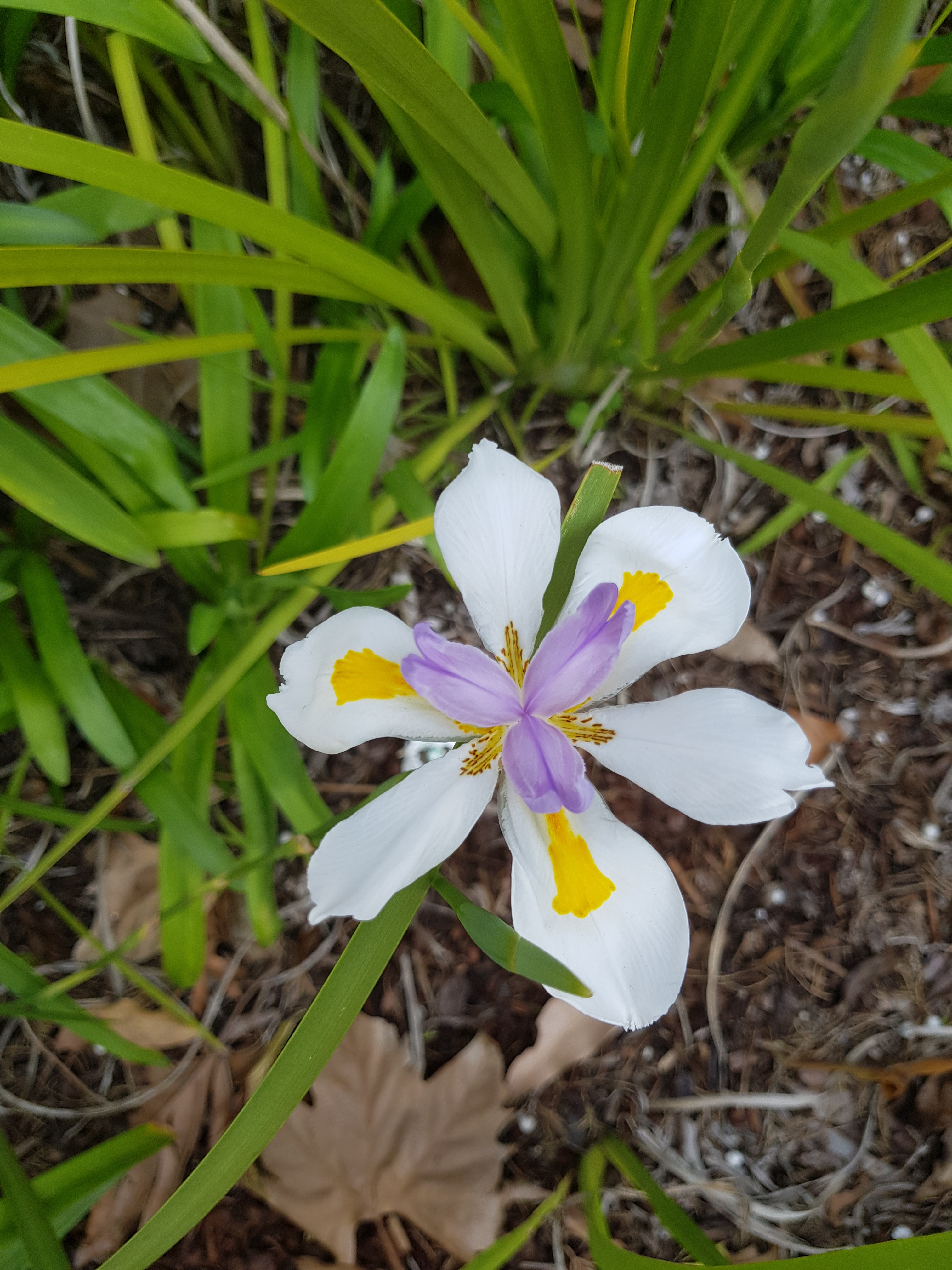
TAGS: [ #dietes ] [ #plants ] [ #garden ] [ #australia ]

Replies

@shiab | Oct. 22, 2018, 2:48 a.m. | Votes: 3 | [ VOTE ]

Wow, wonderful garden photography and I like it your post I love gardening
Thanks for sharing your beautiful garden photo

@magoo-2 | Oct. 22, 2018, 6:46 a.m. | Votes: 5 | [ VOTE ]

magoo-2 found a series of multi accounts of a same owner is following your articles to cheat your generous rewards.

magoo-2 found these accounts are suspicious & can be multi accounts of a single owner. Conclusion is based on last 30 days transactions:

@sharminkona
@jarif
@miakiron
@yasminkotha
@osakadd
@shiab
@rrahim
@rzaman
@konasharmin
@kretorkk
@roky77
@nnajmull
@sucona
@mshakib

magoo-2
Check our latest multi comment spam update report

@konasharmin | Oct. 22, 2018, 2:52 a.m. | Votes: 3 | [ VOTE ]

Beautiful garden photography@ctrl-alt-now
I like it your plans I appreciate your valuable post thanks for sharing this post

@magoo-2 | Oct. 22, 2018, 6:45 a.m. | Votes: 3 | [ VOTE ]

magoo-2 found a series of multi accounts of a same owner is following your articles to cheat your generous rewards.

magoo-2 found these accounts are suspicious & can be multi accounts of a single owner. Conclusion is based on last 30 days transactions:

@triptybarsha
@rakib786
@sujonkhan
@sujonmia
@imamulkhan
@roky77
@dilshan77
@feju
@imu420
@bulet07
@isumona

magoo-2
Check our latest multi comment spam update report

@theguruasia | Oct. 22, 2018, 3:06 a.m. | Votes: 5 | [ VOTE ]

@ctrl-alt-nwo,
I can assure I didn't see these flowers in my country! It's a bush type! Personally I hate bush type plants! Coz sneaks can use it as a hidden place! But I like these flowers! They looks so wonderful and cute! Nice photography and a description about them! Thank you!

Cheers~

@black-horse | Oct. 22, 2018, 3:21 a.m. | Votes: 2 | [ VOTE ]

The bicolor diet is an annual plant that is arranged in a thick clump and has a rhizome. This plant has long, sword-like leaves, pale green leaf color. This plant belongs to the Iridaceae tribe, related to the Iris flower.
[IMAGE: https://cdn.steemitimages.com/DQmWdc9LqxzbUt8pz5mZY5Dr4kPVe1RJ4SxYapNApftSzQX/967e52333e2b45d3931698dcb83e4294.jpg]
Bicolor diet is an ornamental plant with flowers that are cultivated in South Africa, where these plants are often found in city parks and as a garden to beautify buildings.
[IMAGE: https://cdn.steemitimages.com/DQmdn8RzxeythCgsWF55TP9iVEZSULo1TQhj1pRgSg5WeBk/c722b6473d8f7c78fc004ce86212ed0f.jpg]
Diet Bicolor has yellow flowers with three dark purple dots on the flower crown. This plant also has a type of white flowering. Flower diameter of about 60 mm. Average flower strands of three marginal strands. Flowers that have a dark purple color on the bottom (outer) circle.
[IMAGE: https://cdn.steemitimages.com/DQmbNR4E2iTVCPjnMvZQNj3bnQg6oD2LYX8BuHTK2hoXGqf/a0ecae86dc499a501c83d645e153cfd2.jpg]
Flowers from the tip of the flower Nectar stalk are located on the outer edge. Flowers that bloom only last for one day because the number of buds is very large, the Diet plant continues to grow until October or in the spring and summer.
[IMAGE: https://cdn.steemitimages.com/DQmU42KNp7xYWpZwsYEYVPDwWwKk4V3BcLtwGggv7GFm3g7/ffbb4ee8d9919e04f1e844c6296a7eae.jpg]
A bicolor diet is tolerant to dry environmental conditions and also frozen conditions. This plant can also grow easily in soil conditions that do not allow it to grow properly in environmental conditions with partial shade but still full sunlight.

Source:
https://www.google.co.id/url?sa=t&source=web&rct=j&url=https://bibitbunga.com/tanaman-dietes-white-blue/&ved=2ahUKEwi8hszEi5neAhUMuY8KHaV8Dh0QFjALegQIBxAB&usg=AOvVaw2dzyxKXYVnl9cOV2fhTYjX

@zrphotos | Oct. 22, 2018, 3:25 a.m. | Votes: 1 | [ VOTE ]

i like your plan and i am appreciate you to encourge people for garding to control plution

@bankthecrypto | Oct. 22, 2018, 3:28 a.m. | Votes: 7 | [ VOTE ]

This is such a classic and beautiful flower

@magnata | Oct. 22, 2018, 3:29 a.m. | Votes: 2 | [ VOTE ]

Two-color diets and Iris-shaped diets A completely unpretentious rhizomatous plant, practically not damaged by pests, blooms for a long time and abundantly. Can be grown as a houseplant or garden plant.
Perennial, evergreen, rhizomatous plant up to 1 m tall. The leaves are long, narrow, sword-shaped, dark green. The flowers are large, white, cream or yellowish with three dark maroon spots.

Here are some photos from the Internet

http://edenland.com.ua/pictures/semena/dietes-dvukhtsvetnyj_1260_b.jpg

http://edenland.com.ua/pictures/semena/dietes-dvukhtsvetnyj_1265_b.jpg

http://edenland.com.ua/semena/dietes-dvukhtsvetnyj.html

https://content-2.foto.my.mail.ru/inbox/temko/15419/i-16591.jpg

https://content-20.foto.my.mail.ru/inbox/temko/15419/i-16593.jpg

https://content-4.foto.my.mail.ru/inbox/temko/15419/i-16592.jpg

https://m.my.mail.ru/inbox/temko/photo/15419/16592.html

Thank you for sharing a new type of plant for me :)

@ctrl-alt-nwo | Oct. 25, 2018, 9:09 a.m. | Votes: 0 | [ VOTE ]

Fav. comment Award ! Thanks for your good selection of Pics.

@madushanka | Oct. 22, 2018, 3:36 a.m. | Votes: 1 | [ VOTE ]

Dietes grandiflora is a perennial, evergreen plant which grows up to 1.5m in large clumps. The plants grow from underground rhizomes.The long, rigid, sword-shaped leaves, held in a fan shape, are dark green and may reach up to 1m long and 15-20mm wide.The attractive flowers, held on erect slender stems about 1m in length, are large (about 100mm across) and are white with yellow nectar guides and outer tepals and violet central segments.

[IMAGE: https://cdn.steemitimages.com/DQmNeX7VRNp8gkorGxahMswdeHCfBiqCifhQAgGHpmr8erX/image.png]

[IMAGE: https://cdn.steemitimages.com/DQmdytStQNDfnv7Abx8ETHrwDhf4rZzLnJ2VsTt31ko6hg6/image.png]

The flowers are borne in mass at certain periods — often after rain in summer. The individual flowers do not last more than a couple of days (so are of no use in a vase) however, the plant bears so many flowers during the peak period that the plant looks most striking. This plant is occasionally called the "Fairy Iris" because the fragile white petals not only look like fairy wings, but also have a tendency to disappear mysteriously overnight! The large wild iris fruit is a large capsule up to 45mm which is held erect and splits open to release shiny, dark brown seeds.

[IMAGE: https://cdn.steemitimages.com/DQmaEqrox4vPGQmWCT1n9MDCrq6QtZgcXvBNAC21DmbWUmc/image.png]

[IMAGE: https://cdn.steemitimages.com/DQmdWemaxDUu4SQfSRk5AfmLr6iLCXf26rLzZaXeJ59xgX8/image.png]

Source: http://pza.sanbi.org/dietes-grandiflora

@dragonking | Oct. 22, 2018, 3:58 a.m. | Votes: 1 | [ VOTE ]

[IMAGE: https://cdn.steemitimages.com/DQmWNAr8gjzvFds1U5vwcvnPXZcB1yC43BHcZqeLqG782wh/image.png]

[IMAGE: https://cdn.steemitimages.com/DQmaqqFDC6KBZofY5F3uXoR4C4kqkn7PmsJtrhRqEMnNFEH/image.png]

[IMAGE: https://cdn.steemitimages.com/DQmbtjvikbTVLgmicHbpuHiwF2ZHMXdyx5RqGyZwBRuKwXD/image.png]

[IMAGE: https://cdn.steemitimages.com/DQmPmq5Jd9QuqPiGKnFCnjyCfyVVpg3vueCD97Aae5SshEB/image.png]

Wild iris, or butterfly plant, as it is also called, is a delight to grow. It is a tough plant that will grow in most soils and, once established, will survive harsh growing conditions – even tolerating drought. Conversely, wild iris (Dietes spp.) will also grow in boggy gardens. It can be grown in full sun or semi-shade and is usually pest- and disease-free.

There are five indigenous species of wild iris – Dietes bicolor, D. butcheriana, D. flavida, D. grandiflora and D. iridioides. All these species, but especially the yellow wild iris (D. bicolor) and the large wild iris (D. grandiflora), make attractive garden and landscape plants. The blooms of the latter two are borne on top of long flower stalks above 90cm-tall foliage. Their leaves are evergreen and grass-like, and the plants grow to form attractive clumps.

https://www.lifeisagarden.co.za/dietes-pretty-tough-plants/

@ctrl-alt-nwo | Oct. 24, 2018, 3:28 a.m. | Votes: 0 | [ VOTE ]

Fav. comment Award ! Well done on your selection of Pics.

@raselkhan566 | Oct. 22, 2018, 3:58 a.m. | Votes: 1 | [ VOTE ]

I think these are wild flowers. The wild flowers look a little more beautiful.

@magoo-2 | Oct. 22, 2018, 6:56 a.m. | Votes: 3 | [ VOTE ]

magoo-2 found a series of multi accounts of a same owner is following your articles to cheat your generous rewards.

magoo-2 found these accounts are suspicious & can be multi accounts of a single owner. Conclusion is based on last 30 days transactions:

@raselkhan566
@mayna
@joniprins

magoo-2
Check our latest multi comment spam update report

@ashrafashoor | Oct. 22, 2018, 3:59 a.m. | Votes: 1 | [ VOTE ]

Great and informative article thanks increasing our knowledge me it up and stay blessed.

@rumana | Oct. 22, 2018, 4:10 a.m. | Votes: 2 | [ VOTE ]
@imran77 | Oct. 22, 2018, 4:14 a.m. | Votes: 2 | [ VOTE ]

Wow very grateful Australia garden flowers photography.

@stackin | Oct. 22, 2018, 4:23 a.m. | Votes: 1 | [ VOTE ]

Those are rare in las vegas... we only have palm trees and cactuses here haha

@ctrl-alt-nwo | Oct. 22, 2018, 4:42 a.m. | Votes: 0 | [ VOTE ]

I was there about 20 years ago. Loved it !

@pocketrocket | Oct. 22, 2018, 4:37 a.m. | Votes: 1 | [ VOTE ]

Interesting, even more the 2nd photo. Looks like a flower inside flower.

@jerrybanfields | Oct. 22, 2018, 4:37 a.m. | Votes: 4 | [ VOTE ]

Dietes grandiflora DCFamily: IridaceaeCommon names: large wild iris

http://byronshirechemicalfreelandcare.org/wp-content/uploads/2017/08/dietesgrandiflora15.jpg

This well known indigenous large wild iris is commonly grown in gardens and used in large landscapes throughout the country. It is a perennial, evergreen plant which grows up to 1.5m in large clumps.

http://4.bp.blogspot.com/-lI7u_-C_6cs/TmVnWjXuhnI/AAAAAAAAAYQ/qagiz4dunJ4/s1600/7.jpg

Description
Dietes grandiflora is a perennial, evergreen plant which grows up to 1.5m in large clumps. The plants grow from underground rhizomes.

The long, rigid, sword-shaped leaves, held in a fan shape, are dark green and may reach up to 1m long and 15-20mm wide.

The attractive flowers, held on erect slender stems about 1m in length, are large (about 100mm across) and are white with yellow nectar guides and outer tepals and violet central segments.

https://keyserver.lucidcentral.org/weeds/data/media/Images/sparaxis_bulbifera/sparaxisbulbilifera4rfr.jpg

The flowers are borne in mass at certain periods — often after rain in summer. The individual flowers do not last more than a couple of days (so are of no use in a vase) however, the plant bears so many flowers during the peak period that the plant looks most striking.

This plant is occasionally called the "Fairy Iris" because the fragile white petals not only look like fairy wings, but also have a tendency to disappear mysteriously overnight!

The large wild iris fruit is a large capsule up to 45mm which is held erect and splits open to release shiny, dark brown seeds.

http://pza.sanbi.org/dietes-grandiflora

@joniprins | Oct. 22, 2018, 4:39 a.m. | Votes: 1 | [ VOTE ]
@magoo-2 | Oct. 22, 2018, 6:48 a.m. | Votes: 3 | [ VOTE ]

magoo-2 found a series of multi accounts of a same owner is following your articles to cheat your generous rewards.

magoo-2 found these accounts are suspicious & can be multi accounts of a single owner. Conclusion is based on last 30 days transactions:

@raselkhan566
@mayna
@joniprins

magoo-2
Check our latest multi comment spam update report

@rabada2001 | Oct. 22, 2018, 4:42 a.m. | Votes: 1 | [ VOTE ]

Dietes grandiflora
[IMAGE: https://cdn.steemitimages.com/DQmPG7EVsr68CbpDxs2nzAgArdHS2ukQHw1xDD4K7jihRLi/image.png]

Description:

Dietes grandiflora is a very hardy, evergreen, clump-forming plant with sword-shaped leaves arranged in a fan and arising from a rhizome.

It bears beautiful Iris-like white flowers with mauve and yellow markings in spring and summer. Flowers best in sun but also makes a good filler in light shade under trees. Flowers in response to rain.

Do not cut back the flowering stems until they are finished flowering as the flowers are borne in succession along the stem. Use as a different form and texture in a mixed flower bed or very useful mass planted in large landscapes.

Tolerates seasonal inundation of water.

[IMAGE: https://cdn.steemitimages.com/DQmQFeqsKJnaRjgSDsp2bfhdntngwtLtS1LsFjca9ai96pp/i-16593.jpg]

Taxonomy:
Family IRIDACEAE
Genus Dietes
Specie grandiflora
SA Plant Number
Basionym Dietes grandiflora

[IMAGE: https://cdn.steemitimages.com/DQmTVC1HfBULsbuoNAmcX7BYaNtn95dmZ9JKCkZJ3LjZwAU/image%20(3).png]

http://www.randomharvest.co.za/South-African-Indigenous-Plants/Show-Plant/PlantId/262/Plant/Dietes%20grandiflora

@sinha50 | Oct. 22, 2018, 4:44 a.m. | Votes: 1 | [ VOTE ]

Wow,just outstanding.
Thank you so much for sharing dietes suggestion.
This is good the plants of garden and photography very nice.

@bingham | Oct. 22, 2018, 4:48 a.m. | Votes: 1 | [ VOTE ]

Dietes
Dietes is a small rhizomatous genus in the Iridaceae family with currently 6 accepted species. Most of the species are from tropical and South Africa, but there is one that originates on Lord Howe Island. These evergreen plants have long, sword-shaped leaves and white or yellow flowers with three large outer segments. The flowers are similar to Moraea and Iris. South African species are drought tolerant but will produce luxuriant plants with good watering. Because of this property they are often used in city landscaping.

Growing from seed is easy. Sow the seeds in a well drained mix, cover slightly, water, and keep them above 10 °C (50 °F). Treat the seedlings as you would any other irids (Andrew Wilson). They probably respond well to water and fertilizers.

Dietes bicolor (Steud.) Sweet ex Klatt is an evergreen species growing from 60 to 80 cm from a creeping rhizome. It is found on streambanks, often among rocks, in light shade in the Eastern Cape, South Africa. It is a very rewarding species, with a long flowering season, from late April to October in the Northern hemisphere (October to December in habitat). Better in half shade in a Mediterranean climate, it grows to a large clump with time. Flower stalks are perennial and should never be cut, as they make new flowers year after year. The first two photos by Angelo Porcelli and Alan Horstmann. The last photo by Mary Sue Ittner is of a plant flowering January 2010 in the Kirstenbosch National Botanical Garden.

http://cafe.themarker.com/media/t/893/869/file_0_original.jpg

Dietes grandiflora N.E.Br. is an evergreen perennial with a creeping rhizome and sword shaped leaves. It is a popular garden plant with white flowers with a yellow median mark in the lower half and violet style branches. Unlike D. iridioides which has fleeting flowers, each flower lasts several days. It is found on forest margins, in bush or rock outcrops, in the Eastern Cape. Photos by Mary Sue Ittner of the flower and a clump growing in a commercial area that blooms much of the year. The last two photos taken at the Kei River Mouth in the Eastern Cape by Cameron McMaster.

https://upload.wikimedia.org/wikipedia/commons/thumb/5/54/Dietes_grandiflora_or_Fairy_Iris.jpg/1200px-Dietes_grandiflora_or_Fairy_Iris.jpg

Dietes iridioides (L.) Sweet ex Klatt is an evergreen perennial usually found in bush clearings or evergreen forests from the southern Cape of South Africa to Ethiopia. It has white flowers that last a single day with inner petals marked with orange to brown streaks and the style branches lightly flushed with violet. Photo by Cameron McMaster taken in the Eastern Cape.

https://www.gardenia.net/rendition.slider_detail/uploads/plant/1485453607-3be4df9026a4dbd7f/42496992_m.jpg

Dietes robinsoniana (F.Muell.) Klatt is a species from Lord Howe Island, an island off Australia. It has white fragrant flowers to 4 in. in diameter with an orange nectar guide. Photo by Mary Sue Ittner of a flower blooming September 2007 in the Royal Botanic Gardens in Sydney.

http://1.bp.blogspot.com/-K56y6Xi2yfU/Vqq_0Jn4qlI/AAAAAAAACDU/jwtlvi1cP7U/s1600/Dietes_robinsoniana_qtl1.jpg

https://www.pacificbulbsociety.org/pbswiki/index.php/Dietes

@dtube2 | Oct. 22, 2018, 4:51 a.m. | Votes: 1 | [ VOTE ]

Dietes
[IMAGE: https://cdn.steemitimages.com/DQmbhs6izNwvF3EpX7jthf3HYTEUUqRY3cVwtgCvb3AXDPS/c722b6473d8f7c78fc004ce86212ed0f.jpg]

Dietes is a genus of rhizomatous plants of the family Iridaceae, first described as a genus in 1866. Common names include wood iris, Fortnight lily, African iris, Japanese iris and Butterfly iris, each of which may be used differently in different regions for one or more of the six species within the genus.

Most species are native to southern and central Africa, with one (Dietes robinsoniana) native to Lord Howe Island off the coast of Australia. A few species have become naturalized in other parts of the world.[1]

https://www.gardenia.net/rendition.slider_detail/uploads/plant/1485453607-3be4df9026a4dbd7f/42496992_m.jpg

Taxonomy
These plants were formerly placed in the genus Moraea, but were reclassified because they are rhizomatous. Like Moraea, they differ from Iris in having flowers with six free tepals that are not joined into a tube at their bases.

Some references mention the species Dietes vegeta or D. vegeta variegata, springing from some confusion with Moraea vegata (which grows from a corm, not a rhizome). The name D. vegeta is commonly misapplied to both D. grandiflora or D. iridioides.

The genus name is derived from the Greek words di-, meaning "two", and etes, meaning "affinities".[2]

http://www.igarden.com.au/img.jsp?l=dietes_rob_lrg.jpg

Species[1]
Dietes bicolor (Steud.) Sweet ex Klatt (Yellow Wild Iris, Peacock Flower, Butterfly Iris) - Cape Province, KwaZulu-Natal
Dietes butcheriana Gerstner Cape Province, KwaZulu-Natal
Dietes flavida Oberm. - South Africa, Swaziland
Dietes grandiflora N.E.Br. (Wild Iris, Large Wild Iris, Fairy Iris) - Cape Province, KwaZulu-Natal; naturalized in St. Helena, Mauritius, Rodrigues Island in Indian Ocean, Western Australia
Dietes iridioides (L.) Sweet ex Klatt (Wild Iris, African Iris, Cape Iris, Fortnight Lily, Morea Iris) - widespread from Ethiopia to Cape Province; naturalized in Madeira, Mauritius, Réunion, Hawaii, Jamaica
Dietes robinsoniana (F.Muell.) Klatt (Wedding Lily) - Lord Howe Island (part of New South Wales)
Dietes bicolor has cream or yellow flowers. D. grandiflora and D. iridioides both have white flowers marked with yellow and violet, and appear similar in photographs, but they are quite different: those of grandiflora are much larger, last three days, and have dark spots at the base of the outer tepals, while those of iridioides are small, last only one day, and lack the spots. D. grandiflora is also a larger plant overall.

https://upload.wikimedia.org/wikipedia/commons/e/ea/Yellow_Wild_Iris_%28Dietes_bicolor%29.jpg

https://en.wikipedia.org/wiki/Dietes

@wikitextbot | Oct. 22, 2018, 4:51 a.m. | Votes: 0 | [ VOTE ]

Dietes
Dietes is a genus of rhizomatous plants of the family Iridaceae, first described as a genus in 1866. Common names include wood iris, Fortnight lily, African iris, Japanese iris and Butterfly iris, each of which may be used differently in different regions for one or more of the six species within the genus.
Most species are native to southern and central Africa, with one (Dietes robinsoniana) native to Lord Howe Island off the coast of Australia. A few species have become naturalized in other parts of the world.

@magoo-2 | Oct. 22, 2018, 6:49 a.m. | Votes: 2 | [ VOTE ]

magoo-2 found a series of multi accounts of a same owner is following your articles to cheat your generous rewards.

magoo-2 found these accounts are suspicious & can be multi accounts of a single owner. Conclusion is based on last 30 days transactions:

@dtube2
@masud1234

magoo-2
Check our latest multi comment spam update report

@villani | Oct. 22, 2018, 4:54 a.m. | Votes: 1 | [ VOTE ]

Dietes grandiflora
https://www.kings.co.nz/media/catalog/product/cache/1/thumbnail/600x/17f82f742ffe127f42dca9de82fb58b1/p/r/product_4124_20160930_102318.jpg

Dietes grandiflora (large wild iris, fairy iris) is a rhizomatous perennial plant with long, rigid, sword-like green leaves belonging to the Iridaceae family. This species is common in horticulture in its native South Africa, where it is often used in public gardens, beautification of commercial premises and along roadsides.

The blooms are white marked with yellow and violet. Dark markings are found at the base of the outer tepals. These are borne in abundance during summer, especially after rain. Flowers are followed by 5 cm long green capsules that contain very dark brown seeds, these are dispersed when the capsule splits open.

https://australianseed.com/persistent/catalogue_images/products/dietes-irridoides-cape-iris.jpg

Cultivation
Plants prefer dappled shade to full sun where they will flower in profusion, though they will grow in shaded areas (with an accompanying loss of flower production). Under favourable conditions, the clumps multiply rapidly. Dietes grandiflora are drought and frost hardy, making them popular for en masse plantings.

Environmental weed
D. grandiflora is considered an "environmental weed" in parts of Australia, particularly Western Australia, Queensland, and Lord Howe Island.[1]

References
Turner, Sharon (December 2001). "Dietes grandiflora DC". Witwatersrand National Botanical Garden: South African National Biodiversity Institute, South Africa. Retrieved 2008-12-03.
Large wild iris, Dietes grandiflora, Weeds of Australia, Biosecurity Queensland Edition [1]

https://upload.wikimedia.org/wikipedia/commons/thumb/5/54/Dietes_grandiflora_or_Fairy_Iris.jpg/1200px-Dietes_grandiflora_or_Fairy_Iris.jpg

https://gardenerspath.com/wp-content/uploads/2017/04/Pruning-Bicolor-Iris-Plants-social.jpg

https://en.wikipedia.org/wiki/Dietes_grandiflora

@wikitextbot | Oct. 22, 2018, 4:54 a.m. | Votes: 0 | [ VOTE ]

Dietes grandiflora
Dietes grandiflora (large wild iris, fairy iris) is a rhizomatous perennial plant with long, rigid, sword-like green leaves belonging to the Iridaceae family. This species is common in horticulture in its native South Africa, where it is often used in public gardens, beautification of commercial premises and along roadsides.
The blooms are white marked with yellow and violet. Dark markings are found at the base of the outer tepals.

@magoo-2 | Oct. 22, 2018, 6:49 a.m. | Votes: 3 | [ VOTE ]

magoo-2 found a series of multi accounts of a same owner is following your articles to cheat your generous rewards.

magoo-2 found these accounts are suspicious & can be multi accounts of a single owner. Conclusion is based on last 30 days transactions:

@rik432
@ratul8940
@rahul72
@villani
@Wilson
@masud90
@purepinag
@sumonsha
@taylor10

magoo-2
Check our latest multi comment spam update report

@chrelye1989 | Oct. 22, 2018, 4:59 a.m. | Votes: 1 | [ VOTE ]

Dietes grandiflora
Wild Iris

https://upload.wikimedia.org/wikipedia/commons/thumb/5/54/Dietes_grandiflora_or_Fairy_Iris.jpg/1200px-Dietes_grandiflora_or_Fairy_Iris.jpg

Notes
Uses: Hardy plant often used in mass plantings. Can also make a distinctive feature. Flowers are only short lived but plants produce impressive displays during it's peak period. The flowers attract lots of bees and other pollinators.

https://gardenerspath.com/wp-content/uploads/2017/04/Pruning-Bicolor-Iris-Plants-social.jpg

Height
0.8-1
m
Spread
0.8-1
m
Position
position-fullsun
Full Sun
position-partshade
Part Shade
Family
Iridaceae
Botanical Name
Dietes grandiflora
Common Name
Wild Iris
Origin
South Africa
Habit
Clumping, Spreading
Landscape
Coastal cliffs, Coastal dunes, Coastal footslopes, 2nd line coast, Plains, Footslopes, Hills
Soil Texture
Clay, Loam, Sand
pH
Acidic, Alkaline, Neutral
Tolerates
Drought, Moderate frost
Supplementary Watering
Minimal
Flower Colour
White
Flowering Time
Spring, Summer
Flower Type
Star
Purpose
Habitat, Ornamental
Evergreen/Deciduous
Evergreen
Form
Strap-leaved

https://keyserver.lucidcentral.org/weeds/data/media/Images/dietes_grandiflora/dietesgrandiflora15.jpg

http://plantselector.botanicgardens.sa.gov.au/Plants/Details/3520

@elva1999 | Oct. 22, 2018, 5:01 a.m. | Votes: 1 | [ VOTE ]

I can guarantee I did not see these blooms in my nation! It's a hedge compose! By and by I detest hedge compose plants! because sneaks can utilize it as a shrouded place! Be that as it may, I like these blossoms! They looks so superb and charming! Decent photography and a depiction about them! Much obliged to you. ctrl-alt-nwo

@jacqueline2 | Oct. 22, 2018, 5:04 a.m. | Votes: 1 | [ VOTE ]

Dietes bicolor

https://upload.wikimedia.org/wikipedia/commons/e/ea/Yellow_Wild_Iris_%28Dietes_bicolor%29.jpg

Botanical Name
Dietes bicolor
Family
Iridaceae - The iris family.
Pronunciation
dy-AY-teez BY-kul-ur
Common Name(s)
English: Yellow wild iris; Peacock Flower
Afrikaans: Uiltjie; Poublom
Plant Group
Bulb / Corm / Rhizome / Tuber / Epigeal bulb
Ground Cover
Plant Size
Medium to Large
Position
Light or Dappled Shade
Partial Shade
Sun
General Information
Drought Tolerance: High
Evergreen
Frost: Hardy
Sand tolerant
Water Wise
Wind Tolerant
Specific Information
​Dietes bicolor​ is an erect clump forming perennial which grows from a rhizome situated reasonable shallowly beneath the soil. The meter long, light green, sword shaped leaves are arranged in a fan. In a very dry situation the leaves become yellowed, adding colour and interest.

Ad Break

Flowers
Description
flattened, about 60mm in diameter with three brown markings or 'eyes'

Season
Spring to Summer
Colour
yellow
Growth Rate
Moderate to Fast
Plant Uses
Attracts bees, butterflies or other insects
Attracts Birds
Border
Filler
Ground Cover
Mass Planting
Pioneer for new gardens
Rock Garden
Stabilize Banks
Suitable for coastal gardens
Water Features
Wild Garden
Windbreak
Distribution and Habitat
in the Eastern Cape from the Grahamstown and Bathurst region to East London, near streams and in marshy places

Planting Suggestions
Dietes is able to grow easily in very poor soil with little water and can be useful when plants need to be established quickly, for example, after earth moving has taken place. For optimal results plant in soil containing plenty of compost and water regularly. Plant in light shade only in hot, inland regions. When separated and re-planted, these plants take a while to recover, but once established they are very fast growing. Mulch well and water regularly and generously until obvious signs of new growth are evident.

Medicinal Uses
The roots of Dietes bicolor were traditionally worn to protect and strengthen the wearer.

https://entresemillas.com/semillas/1056/dietes-bicolor-sobre-20-semillas.jpg

https://upload.wikimedia.org/wikipedia/commons/thumb/1/1e/Iris_carthaliniae_%2810%29.jpg/1024px-Iris_carthaliniae_%2810%29.jpg

https://kumbulanursery.co.za/plants/dietes-bicolor

@masud91 | Oct. 22, 2018, 5:08 a.m. | Votes: 1 | [ VOTE ]

Growing A Dietes Iris Plant: Info On The Care Of Dietes Flowers

https://www.gardeningknowhow.com/wp-content/uploads/2013/05/dietes-iris-400x300.jpg

More gardeners are growing a Dietes iris (Dietes iridioides) than in the past, especially in USDA hardiness zones 8b and higher. Dietes cultivation is growing more popular because of the plant’s attractive, stiff, spiky foliage and multiple, showy blooms. The plant is more widely available at local garden centers in these areas. Add to it the ease of care and fact that that Dietes cultivation is possible in a range of growing situations.

https://australianseed.com/persistent/catalogue_images/products/dietes-irridoides-cape-iris.jpg

About Dietes Flowers Dietes plant information says this plant is commonly called African iris or Butterfly iris. Dietes plant blossoms are showy and last just a day, sometimes two. Dietes iris normally has a long period of bloom, so you can expect continued blossoms for several weeks.

Learning how to take care of Dietes flowers is not difficult, but will vary depending upon the location in which they’re planted. Multiple blooms appear on upright stalks during the bloom season in spring and early summer and often sporadically throughout the year. Three-inch flowers are white, often marked with yellow and blue.

How to Grow Dietes Growing a Dietes iris, which is actually an herbaceous ornamental grass that flowers, is simple. Growing Dietes iris is adaptable to the amount of sun it gets, although blooms are more prolific in sunny spots. You can grow a Dietes iris successfully in either soil or as a water plant. Plants grown in water may reach 5 feet in height, while those growing in soil normally grow to just 2 to 3 feet. Learning how to grow dietes in your water garden is not different from other plants that grow in water. Plant it in a boggy area of the landscape or anywhere near the outdoor faucet. When growing the plant in an area other than a bog, regular watering accelerates performance. This plant will even grow well in sandy soil, with enough watering. Dietes vegeta may be grown indoors, as well. Other than watering the soil grown plant, limited fertilization is another aspect in the care of Dietes flowers. Use a high phosphorus flower food at the beginning of bloom season.

https://www.gardenia.net/rendition.slider_detail/uploads/plant/1503513779-4d269ad5acc52245e/83079588_m.jpg

https://www.gardenia.net/rendition.slider_detail/uploads/plant/1485453607-3be4df9026a4dbd7f/42496992_m.jpg

https://www.gardeningknowhow.com/ornamental/flowers/dietes-plants/growing-dietes-flowers.htm

@aleks433 | Oct. 22, 2018, 5:10 a.m. | Votes: 25 | [ VOTE ]

As always, I was pleased to learn about new plants for me.

https://ic.pics.livejournal.com/ri48ta/55376874/801833/801833_original.jpg

https://ic.pics.livejournal.com/ri48ta/55376874/801776/801776_original.jpg

http://www.plantarium.ru/dat/plants/2/239/414239_d979a8f2.jpg

http://www.plantarium.ru/page/image/id/414239.html

Diets bicolor (Dietes bicolor) Rhizome perennial 60-90 cm tall. Leaves are basal, narrowed-xiphoid, light green, 60 cm long. Light yellow to bright yellow, flowers 4 cm in diameter with 3 large perianth petals and brown spots at the base. Flowering in May and June.

http://lvgira.narod.ru/im2/dietes_irridoides.jpg

http://www.balandin.net/Flora/Dietes_Grandiflora3.jpg

http://www.balandin.net/Flora/Flora-cult-D.htm

@desikaamukkahani | Oct. 22, 2018, 5:14 a.m. | Votes: 1 | [ VOTE ]

Is this true that our thumb turns black upon killing them

Posted using Partiko Android

@ctrl-alt-nwo | Oct. 24, 2018, 3:22 a.m. | Votes: 0 | [ VOTE ]

Not really, "black thumb" means bad gardener :)

@priya1 | Oct. 22, 2018, 5:15 a.m. | Votes: 1 | [ VOTE ]

DO I NEED TO CUT BACK BICOLOR IRIS?

https://gardenerspath.com/wp-content/uploads/2017/04/Cutting-Back-Bicolor-Iris.jpg

You might wonder if it’s also necessary to cut back grassy irises such as bicolor (Dietes bicolor) or African (D. vegeta) — plants that also sport the long, slender leaves common to grasses.

We’ll look at the taxonomy of these plants, and then get down to brass tacks about whether you should be cutting them back.

[IMAGE: https://cdn.steemitimages.com/DQmPG7EVsr68CbpDxs2nzAgArdHS2ukQHw1xDD4K7jihRLi/image.png]

WHAT’S IN A NAME?
Just so we’re on the same page about what plants we’re talking about, let’s get some confusing nomenclature business sorted out. The genus for this group of rhizomatous plants is Dietes, which is a part of the family Iradeceae.

https://gardenerspath.com/wp-content/uploads/2017/04/When-and-How-to-Cut-Back-Bicolor-Iris.jpg

These plants were once classified in the genus Moraea but were kicked out because they have rhizomes, as opposed to Moraea, which have corms. Corms are a different type of underground plant stem, one that’s more bulbous.

START WITH ROUTINE MAINTENANCE
On an as-needed basis, cut brown or yellow leaves back to the base of the greenery with pruning shears. Cut sharply and cleanly straight across the leaf blade, near the crown of the plant.

https://gardenerspath.com/wp-content/uploads/2017/04/Cut-Back-Your-Bicolor-Iris.jpg

If you want to prevent the plant from self-seeding, cut just under the green seedpod with scissors to remove it.

You can pinch or clip spent blooms, but don’t remove a healthy-looking flower stalk. It will continue to produce many more blooms.

THE BIG CHOP: YES OR NO?
The short answer is yes, it’s perfectly okay to completely cut back your Dietes.

https://gardenerspath.com/wp-content/uploads/2017/04/Pruned-Bicolor-Iris.jpg

https://gardenerspath.com/how-to/pruning/bicolor-iris/

@ctrl-alt-nwo | Oct. 24, 2018, 3:24 a.m. | Votes: 0 | [ VOTE ]

No need to cut back, just cut off the dead flowers and leaves to keep tidy.

@mulder2000 | Oct. 22, 2018, 5:19 a.m. | Votes: 1 | [ VOTE ]

Dietes grandiflora - wild iris
Grassy plant, ideal for landscaping, weed suppressing and erosion control. Hardy, ideal around waterways or soaks. Charming white iris-like flowers with lilac centres, on tall 120cm stems. Larger plant than the similar-looking iridiodes, with longer-lasting larger flowers.

[IMAGE: https://cdn.steemitimages.com/DQmTqSpJ6b3LEtnCrTQvWxTtN88a2qMd63SzY8BJA29YSPi/Cutting-Back-Bicolor-Iris.jpg]

DESCRIPTION: Clumping grassy plant with tall straight flowering stems. Flowers are white, open, iris-like hence the name; large and white.
USES: Companion planting, erosion control, weed suppression, low maintenance gardens, landscaping, borders and edging, waterway banks.
CARE: Drought and frost hardy so little maintenance is needed after initial care.
PLANTING: Does well in most situations and tolerates wet but well drained soil. Responds to fertiliser and can be lifted and divided to get numbers.
HEIGHT: 1.2 x 1.2 metre
PLEASE NOTE: These plants are tube-stock plants, with the benefit of being a young plant they will establish quickly in your garden. The average size of your plants will be 15 -25 cm in height with a pot size of 42 mm wide and 80 mm high.

[IMAGE: https://cdn.steemitimages.com/DQmThiiT19cHhfAL3Ex7eMPVBmaj1iC9aijr4TwvrH3Cpx3/Cut-Back-Your-Bicolor-Iris.jpg]

https://www.gardenia.net/rendition.slider_detail/uploads/plant/1485453607-3be4df9026a4dbd7f/42496992_m.jpg

http://www.australianplantsonline.com.au/dietes-grandiflora.html

@rachel1998 | Oct. 22, 2018, 5:26 a.m. | Votes: 1 | [ VOTE ]

Butterfly Iris (Dietes grandiflora)

https://jardindesigndotorg1.files.wordpress.com/2014/01/sa-2014-324.jpg?w=1280

Common names
Butterfly Iris
Fairy Iris
Fortnight Lily
Wild Iris
Large Wild Iris

https://assets2.oderings.co.nz/assets/Dietes-Grandiflora-2_91823_2.jpg

General Plant Information (Edit)
Plant Habit: Grass/Grass-like
Life cycle: Perennial
Sun Requirements: Full Sun
Full Sun to Partial Shade
Partial or Dappled Shade
Plant Height: 3 to 4 feet
Plant Spread: 2 to 3 feet
Leaves: Evergreen
Flowers: Showy
Blooms on old wood
Flower Color: White
Multi-Color: white petals with violet styles. Outer petals have golden markings near the base and the inner petals have dark brown markings.
Bloom Size: 2"-3"
Flower Time: Spring
Late spring or early summer
Summer
Late summer or early fall

https://kumbulanursery.co.za/sites/kumbulanursery/files/styles/plant-large/public/plant_pictures/dietes_grandiflora_1_0.jpg?itok=cG3kRBim

https://garden.org/plants/view/124199/Butterfly-Iris-Dietes-grandiflora/

@cryptotrader84 | Oct. 22, 2018, 5:28 a.m. | Votes: 3 | [ VOTE ]

This is my favorite flower

@magoo-2 | Oct. 22, 2018, 6:50 a.m. | Votes: 1 | [ VOTE ]

magoo-2 found a series of multi accounts of a same owner is following your articles to cheat your generous rewards.

magoo-2 found these accounts are suspicious & can be multi accounts of a single owner. Conclusion is based on last 1 year transactions:

@cryptotrader84
@mrme1984

magoo-2
Check our latest multi comment spam update report

@ramela | Oct. 22, 2018, 5:30 a.m. | Votes: 1 | [ VOTE ]

Scientific Name
Dietes grandiflora

http://gilowveld.sites.caxton.co.za/wp-content/uploads/sites/97/2017/09/Wild-iris-1.jpg

https://http2.mlstatic.com/dietes-vegeta-3-l-herbacea-planta-exterior-canteros-D_NQ_NP_882864-MLA28091393639_092018-F.jpg

Family
Iridaceae

Synonyms
Dietes vegeta auct.

Common Names
butterfly iris, fairy iris, large wild iris, native iris, Spanish iris, wild iris

Origin
Native to southern Africa (i.e. Cape Province and Natal in South Africa).

Naturalised Distribution
Naturalised in south-western Western Australia and on naturalised on Lord Howe Island. Also sparingly naturalised in south-eastern Queensland.

Notes
Large wild iris (Dietes grandiflora) is regarded as an environmental weed in Western Australia and as a potential environmental weed New South Wales (particularly in the wider Sydney and Blue Mountains region). Though it is currently not very widely naturalised, it is showing invasive tendencies and is thought to pose a threat to natural habitats. For example, it has been reported to have spread from garden plantings or dumped garden waste into Jarrah-Marri forest in south-western Western Australia.

https://www.gardenia.net/rendition.slider_detail/uploads/plant/1503513779-4d269ad5acc52245e/83079588_m.jpg

https://keyserver.lucidcentral.org/weeds/data/media/Html/dietes_grandiflora.htm

@lararose | Oct. 22, 2018, 5:35 a.m. | Votes: 2 | [ VOTE ]

Scientific Name
Dietes iridioides (L.) Sweet ex Klatt

https://keyserver.lucidcentral.org/weeds/data/media/Images/dietes_iridioides/thumbs/dietesiridioides20_sml.jpg

Synonyms
Dietes vegeta auct.

Family
Iridaceae

Common Names
African iris, butterfly iris, Cape iris, dietes, fortnight lily, rock iris, wild iris

https://www.evergreengrowers.com.au/wp-content/uploads/images/plants/DieIri50_thumbnail.jpg

Origin
Native to eastern and southern Africa (i.e. Ethiopia, Kenya, Tanzania, Uganda, eastern Zaire, Malawi, Mozambique, Zambia, Zimbabwe, Swaziland and South Africa).

Naturalised Distribution
This species has recently become locally naturalised in south-eastern South Australia. It is also sparingly naturalised south-eastern Queensland and southern Victoria, and possibly also naturalised in the coastal districts of central New South Wales.

Notes
Wild iris (Dietes iridioides) is regarded as a potential environmental weed or a "sleeper weed" in many parts of southern Australia. It has been reported from urban bushland in the Hornsby Plateau region to the north of Sydney Harbour and also from remnant patches of native woodlands in the Maranoa Gardens in suburban Melbourne.

https://upload.wikimedia.org/wikipedia/commons/thumb/5/54/Dietes_grandiflora_or_Fairy_Iris.jpg/1280px-Dietes_grandiflora_or_Fairy_Iris.jpg

https://www.awanursery.co.nz/wp-content/uploads/Dietes-Grandiflora-Dec-2014.jpg

https://keyserver.lucidcentral.org/weeds/data/media/Html/dietes_iridioides.htm

@magoo-2 | Oct. 22, 2018, 6:51 a.m. | Votes: 2 | [ VOTE ]

magoo-2 found a series of multi accounts of a same owner is following your articles to cheat your generous rewards.

magoo-2 found these accounts are suspicious & can be multi accounts of a single owner. Conclusion is based on last 1 year transactions:

@sony1992
@melissa1999
@max1994
@tania12
@lararose

magoo-2
Check our latest multi comment spam update report

@masud1234 | Oct. 22, 2018, 5:39 a.m. | Votes: 1 | [ VOTE ]

DIETES

https://www.bushlandperth.org.au/wp-content/uploads/2018/07/Dietes-grandiflora-DSCN7429-K_Sarti.jpg

Common name
Dietes

Scientific Name
Dietes grandiflora

Type of plant
Bulbs or Corms

[IMAGE: https://cdn.steemitimages.com/DQmTqSpJ6b3LEtnCrTQvWxTtN88a2qMd63SzY8BJA29YSPi/Cutting-Back-Bicolor-Iris.jpg]

About this weed
Unfortunately, this perennial plant is still widely sold in plant nurseries throughout the Perth Region. Whilst it was introduced as a waterwise garden plant it also has invaded urban bushland. The plant will spread by seed as it produces massive amounts of seed each year or through the dumping of garden waste in bushland. Control in bushland is usually done by digging the rhizomes and removing flower heads before the seeds develop.

http://www.prestoimages.com/store/rd2772/2772_pd1741702_1.jpg

Description
Dietes are rhizomatous perennial plants with long, rigid, sword-like green leaves. They can grow to 1.2 m in height. The flowers are white with yellow and violet markings. They are produced in abundance during summer, especially after rain. Flowers are followed by 5 cm long green capsules that contain the seeds. This species is common in horticulture in its native South Africa, where it is often used in public gardens, beautification of commercial premises and along roadsides.

Impact on Bushland
If left Dietes will spread over bushland and impact on ecological processes and plant communities.

http://www.gardien.co.nz/wp-content/uploads/2013/09/31_Native-Iris.jpg

Location
Dietes has become a weed of bushland close to urban areas. It is still widely used as a waterwise plant.

Flowering month/s
January, February, November, December

Flower colour/s
White

https://www.bushlandperth.org.au/weeds/dietes/

@magoo-2 | Oct. 22, 2018, 6:50 a.m. | Votes: 2 | [ VOTE ]

magoo-2 found a series of multi accounts of a same owner is following your articles to cheat your generous rewards.

magoo-2 found these accounts are suspicious & can be multi accounts of a single owner. Conclusion is based on last 30 days transactions:

@dtube2
@masud1234

magoo-2
Check our latest multi comment spam update report

@max1994 | Oct. 22, 2018, 5:43 a.m. | Votes: 1 | [ VOTE ]

Gardening in the Coastal Southeast

[IMAGE: https://cdn.steemitimages.com/DQmThiiT19cHhfAL3Ex7eMPVBmaj1iC9aijr4TwvrH3Cpx3/Cut-Back-Your-Bicolor-Iris.jpg]

The Genus Dietes
Family Iridaceae

This is a small genus of herbaceous plants mostly native to Africa with one species far to the east, on Lord Howe Island in the south Pacific. Three species are cultivated in Coastal Southeast gardens. Dietes was formerly included in the genus Moraea and the species are sometimes found under that name in literature.

http://www.boynegardencentre.ie/images/products/Dietes_iridioides_127.jpg

The family, Iridaceae, ranges widely around the world and is common in our gardens. Well known genera include crocus (Crocus,) freesia (Freesia,) gladiolus (Gladiolus,) iris (Iris) and blue-eyed grass (Sisyrinchium.)

Dietes bicolor
yellow African iris

http://southeastgarden.com/uploads/3/4/1/4/34141123/9853108.jpg?303

This is a herbaceous perennial with subterranean stems and upright, slender, iris-like leaves to about two feet tall. The rather flat flowers are yellow with brown spots in the center stand above the foliage on upright stalks. It grows and flowers best in a moist, well-drained soil in full sun. This is the cold hardiest of the species that are cultivated in our area. It is reported to be moderately salt tolerant. It is recommended for zone 8b and south.

Plants are available in local nurseries. Propagation is by seeds or division.

white African iris
http://southeastgarden.com/uploads/3/4/1/4/34141123/7166415.jpg?293

This is a herbaceous perennial with subterranean stems and upright, iris-like leaves to two to three feet tall. The flowers stand above the foliage and look a little more like bearded iris with upright standards in the middle. The falls are white with yellow centers and the standards are blue to violet. Each individual flower remains open for a few days. Seeds are dark brown. It grows well in full sun in a well-drained site. It is fairly drought tolerant and is reported to be moderately salt tolerant. It is recommended for zone 9a and south.

http://southeastgarden.com/dietes.html

@magoo-2 | Oct. 22, 2018, 6:51 a.m. | Votes: 1 | [ VOTE ]

magoo-2 found a series of multi accounts of a same owner is following your articles to cheat your generous rewards.

magoo-2 found these accounts are suspicious & can be multi accounts of a single owner. Conclusion is based on last 1 year transactions:

@sony1992
@melissa1999
@max1994
@tania12
@lararose

magoo-2
Check our latest multi comment spam update report

@tania12 | Oct. 22, 2018, 5:44 a.m. | Votes: 1 | [ VOTE ]

Dietes iridioides
http://southeastgarden.com/uploads/3/4/1/4/34141123/5138929.jpg
Plant taxonomist Marc Frank alerted me to this species. It is similar in appearance to Dietes grandiflora and is sometimes confused with it. I have seen individuals mixed into beds of D. grandiflora. The plants I have seen have smaller flowers, narrower foliage and makes a denser, more upright clump. Flowers are flatter and less blue than those of D. grandiflora. Each flower lasts one day. Flowering times and overall height are similar. Seeds are black (compared to brown in D. grandiflora). Reading about this species, I read that it can spread by runners and by viviparous shoots on the flowering spikes. I have not seen these traits in cultivated plants. Because of the confusion between these species in the literature, I am not sure about the cold hardiness of this plant. It has survived winter lows in the mid-20's F at the University of North Florida.

I have not seen this species sold by name in local nurseries but it is obviously mixed with D. grandiflora at times. To add to the confusion, both of these plants are commonly sold as D. vegeta. Propagate by seeds or division.

My plants grow much like D. grandiflora. They show no damage with winter lows in the mid-20's. I will try to obtain a plant to trial in my colder home garden where winter temperatures frequently drop into the upper teens F.

@magoo-2 | Oct. 22, 2018, 6:51 a.m. | Votes: 1 | [ VOTE ]

magoo-2 found a series of multi accounts of a same owner is following your articles to cheat your generous rewards.

magoo-2 found these accounts are suspicious & can be multi accounts of a single owner. Conclusion is based on last 1 year transactions:

@sony1992
@melissa1999
@max1994
@tania12
@lararose

magoo-2
Check our latest multi comment spam update report

@taylor10 | Oct. 22, 2018, 5:46 a.m. | Votes: 1 | [ VOTE ]

Dietes x 'Nola Alba'
http://southeastgarden.com/uploads/3/4/1/4/34141123/9649802.jpg?333

Katrina African iris

This plant was patented as Dietes x 'Nola Alba' and is being marketed as Katrina African iris. The patent description says that it is a hybrid of Dietes bicolor and D. iridioides. It is reported to have more flowers per stalk and have a longer flowering season because it produces few seeds than the parents. The leaves are similar to those of D. iridioides but are longer, wider and darker green. The flower is similar in shape to that of D. bicolor but is smaller and opens pale yellow. Each flower is open for one to two days. The plants are reported to be cold hardier and more resistant to crown rot in moist soils - like D. bicolor. The plant is listed for zone 8 and south. Based in its parentage, I suspect that plants will be more reliably cold hardy in zone 8b than in zone 8a.

I found plants recently in a local nursery. It is being distributed by a large national wholesale nursery. Since it is patented, this plant may not be propagated for sale or distribution without approval by the patent holder. 'Lemon Drop' and 'Orange Drop' are reported to be similar hybrids with the same parentage. They are uncommon but may be found in mail order catalogs.

I purchased a plant of 'Nola Alba' recently to try in my upper zone 9a garden. It was in flower when I got it in late May. It continued flowering into August and began flowering again in November.

https://keyserver.lucidcentral.org/weeds/data/media/Images/dietes_grandiflora/dietes_grandiflora14.jpg

https://keyserver.lucidcentral.org/weeds/data/media/Images/dietes_iridioides/dietesiridioides22.jpg

@magoo-2 | Oct. 22, 2018, 6:52 a.m. | Votes: 3 | [ VOTE ]

magoo-2 found a series of multi accounts of a same owner is following your articles to cheat your generous rewards.

magoo-2 found these accounts are suspicious & can be multi accounts of a single owner. Conclusion is based on last 30 days transactions:

@rik432
@ratul8940
@rahul72
@villani
@Wilson
@masud90
@purepinag
@sumonsha
@taylor10

magoo-2
Check our latest multi comment spam update report

@melissa1999 | Oct. 22, 2018, 5:48 a.m. | Votes: 1 | [ VOTE ]

Dietes bicolor
yellow African iris

http://www.plantmaster.com/PlantMaster/Photos/24208a.jpg

This is a herbaceous perennial with subterranean stems and upright, slender, iris-like leaves to about two feet tall. The rather flat flowers are yellow with brown spots in the center stand above the foliage on upright stalks. It grows and flowers best in a moist, well-drained soil in full sun. This is the cold hardiest of the species that are cultivated in our area. It is reported to be moderately salt tolerant. It is recommended for zone 8b and south.

https://www.pacificbulbsociety.org/pbswiki/files/Dietes/Dietes_bicolor_2_AH.jpg

Plants are available in local nurseries. Propagation is by seeds or division.

Plants in my zone 9a garden flower from mid-April through July. It has survived drought but grows and flowers best in rainy years or with irrigation. These plants have survived a winter low of 18° F in my garden with no obvious damage.

https://www.kings.co.nz/media/catalog/product/cache/1/thumbnail/600x/17f82f742ffe127f42dca9de82fb58b1/p/r/product_61966_20160930_101457.jpg

http://southeastgarden.com/dietes.html

@magoo-2 | Oct. 22, 2018, 6:52 a.m. | Votes: 1 | [ VOTE ]

magoo-2 found a series of multi accounts of a same owner is following your articles to cheat your generous rewards.

magoo-2 found these accounts are suspicious & can be multi accounts of a single owner. Conclusion is based on last 1 year transactions:

@sony1992
@melissa1999
@max1994
@tania12
@lararose

magoo-2
Check our latest multi comment spam update report

@sony1992 | Oct. 22, 2018, 5:50 a.m. | Votes: 1 | [ VOTE ]

This is such a work of art and excellent blossom

@magoo-2 | Oct. 22, 2018, 6:56 a.m. | Votes: 3 | [ VOTE ]

magoo-2 found a series of multi accounts of a same owner is following your articles to cheat your generous rewards.

magoo-2 found these accounts are suspicious & can be multi accounts of a single owner. Conclusion is based on last 1 year transactions:

@sony1992
@melissa1999
@max1994
@tania12
@lararose

magoo-2
Check our latest multi comment spam update report

@nanoz | Oct. 22, 2018, 6:05 a.m. | Votes: 1 | [ VOTE ]

Wonderful post Sir, i love flowers

@maisha | Oct. 22, 2018, 6:06 a.m. | Votes: 3 | [ VOTE ]

http://byronshirechemicalfreelandcare.org/wp-content/uploads/2017/08/dietesgrandiflora15.jpg

https://c1.staticflickr.com/6/5470/7434500696_f17b29fa59_b.jpg

https://c1.staticflickr.com/2/1803/41572463880_db71d9f767_b.jpg

https://www.mygardenlife.com/uploads/2011/10/7270_42.jpg

Although seed can be sown most of the year in Australia seed is generally best sown in spring or autumn, avoid the coldest and hottest months of the year. The optimum germination temperature for germination is around 15-20°C.

Seeds germinate readily, however they do have a hard outer coating which is impervious to water and generally germination will normally not occur unless the seed is scarified by abrading or pre-treated with boiling water first.

Soak seed overnight in water.
Sow on the surface and cover lightly. Do not bury deeply as seed requires a degree of light to germinate.
Water with fine mist spray to avoid disturbance of the seed.
Place in a warm shaded or semi shaded position to avoid dying out.
Keep warm & moist, avoid drying out or waterlogging the growing mix.
Germination should occur in 21-18 days @ 15-20°C.
General note: Seeds of many species are dormant and require specific conditions or pre-treatment for germination.
Do not be too hasty to discard seed that does not germinate, seeds will often lay dormant until the conditions are similar to their natural requirements for germination to occur. Containers put to one side will often surprise long after they were discarded.

https://australianseed.com/shop/item/dietes-iridioides

@magoo-2 | Oct. 22, 2018, 6:47 a.m. | Votes: 3 | [ VOTE ]

magoo-2 found a series of multi accounts of a same owner is following your articles to cheat your generous rewards.

magoo-2 found these accounts are suspicious & can be multi accounts of a single owner. Conclusion is based on last 1 year transactions:

@jacqueline5
@african1
@merina
@marizanne
@miller1
@jerry1994
@aarshi
@nawmi
@maisha
@jenifer2
@masud1
@jerry2
@selina2

magoo-2
Check our latest multi comment spam update report

@msena | Oct. 22, 2018, 6:10 a.m. | Votes: 3 | [ VOTE ]

Dietes is a genus of rhizomatous plants of the family Iridaceae, first described as a genus in 1866. Common names include wood iris, Fortnight lily, African iris, Japanese iris and Butterfly iris, each of which may be used differently in different regions for one or more of the six species within the genus.
[IMAGE: https://cdn.steemitimages.com/DQmVzo6FxZvbZktefjSYKDNeT6X5yV5YJYFr1iirQ3JfkgV/i-16592.jpg]
Source
[IMAGE: https://cdn.steemitimages.com/DQmbhs6izNwvF3EpX7jthf3HYTEUUqRY3cVwtgCvb3AXDPS/c722b6473d8f7c78fc004ce86212ed0f.jpg]
Source
[IMAGE: https://cdn.steemitimages.com/DQmXVLTjq9kqoBc1zSha3EE7f79TDQV64hLtVsF45sURTEQ/42496992_m.jpg]
Source
Most species are native to southern and central Africa, with one (Dietes robinsoniana) native to Lord Howe Island off the coast of Australia. A few species have become naturalized in other parts of the world.
Source

@magoo-2 | Oct. 22, 2018, 6:48 a.m. | Votes: 3 | [ VOTE ]

magoo-2 found a series of multi accounts of a same owner is following your articles to cheat your generous rewards.

magoo-2 found these accounts are suspicious & can be multi accounts of a single owner. Conclusion is based on last 30 days transactions:

@alves
@devid1996
@mhyeasin
@sadikulaziz
@msena
@kilee
@ripon1
@googlefighter
@melianasagita
@ashasikder
@hichako

magoo-2
Check our latest multi comment spam update report

@jenifer2 | Oct. 22, 2018, 6:13 a.m. | Votes: 3 | [ VOTE ]

http://viveroarguello.com.ar/wp-content/uploads/2016/10/Dietes.jpg

https://photos.smugmug.com/Nature/Plants-and-Flowers/i-k75hsBM/1/0650a302/L/122%20Fortnight%20Lily%20-%20April%2016%2C%202008-L.jpg

https://photos.smugmug.com/Nature/Plants-and-Flowers/i-rxCLxdW/1/ad9698f3/L/123%20Fortnight%20Lily%20-%20April%2016%2C%202008-L.jpg

https://photos.smugmug.com/Nature/Plants-and-Flowers/i-xZ3R2Kv/2/01014388/L/124%20Fortnight%20Lily%20-%20April%2016%2C%202008-L.jpg

There are five indigenous species of wild iris – Dietes bicolor, D. butcheriana, D. flavida, D. grandiflora and D. iridioides. All these species, but especially the yellow wild iris (D. bicolor) and the large wild iris (D. grandiflora), make attractive garden and landscape plants. The blooms of the latter two are borne on top of long flower stalks above 90cm-tall foliage. Their leaves are evergreen and grass-like, and the plants grow to form attractive clumps.

https://newenglander.smugmug.com/Nature/Plants-and-Flowers/i-xZ3R2Kv

@magoo-2 | Oct. 22, 2018, 6:46 a.m. | Votes: 1 | [ VOTE ]

magoo-2 found a series of multi accounts of a same owner is following your articles to cheat your generous rewards.

magoo-2 found these accounts are suspicious & can be multi accounts of a single owner. Conclusion is based on last 1 year transactions:

@jacqueline5
@african1
@merina
@marizanne
@miller1
@jerry1994
@aarshi
@nawmi
@maisha
@jenifer2
@masud1
@jerry2
@selina2

magoo-2
Check our latest multi comment spam update report

@selina2 | Oct. 22, 2018, 6:16 a.m. | Votes: 2 | [ VOTE ]

https://photos.smugmug.com/Nature/Plants-and-Flowers/i-LCL3Mmz/2/5383bf40/L/117%20Fortnight%20Lily%20-%20April%206%2C%202008-L.jpg

https://photos.smugmug.com/Nature/Plants-and-Flowers/i-WKjFfVm/1/ca9cfed0/L/119%20Fortnight%20Lily%20-%20April%206%2C%202008-L.jpg

https://photos.smugmug.com/Nature/Plants-and-Flowers/i-jrSfDKQ/1/dbd8bbd0/L/119c%20Fortnight%20Lily%20-%20April%2015%2C%202008-L.jpg

There are five indigenous species of wild iris – Dietes bicolor, D. butcheriana, D. flavida, D. grandiflora and D. iridioides. All these species, but especially the yellow wild iris (D. bicolor) and the large wild iris (D. grandiflora), make attractive garden and landscape plants. The blooms of the latter two are borne on top of long flower stalks above 90cm-tall foliage. Their leaves are evergreen and grass-like, and the plants grow to form attractive clumps.

https://newenglander.smugmug.com/Nature/Plants-and-Flowers/i-jrSfDKQ

@magoo-2 | Oct. 22, 2018, 6:48 a.m. | Votes: 2 | [ VOTE ]

magoo-2 found a series of multi accounts of a same owner is following your articles to cheat your generous rewards.

magoo-2 found these accounts are suspicious & can be multi accounts of a single owner. Conclusion is based on last 1 year transactions:

@jacqueline5
@african1
@merina
@marizanne
@miller1
@jerry1994
@aarshi
@nawmi
@maisha
@jenifer2
@masud1
@jerry2
@selina2

magoo-2
Check our latest multi comment spam update report

@jerry1994 | Oct. 22, 2018, 6:23 a.m. | Votes: 2 | [ VOTE ]

https://garden.org/pics/2014-05-23/jmorth/34906c.jpg

https://garden.org/pics/2015-03-02/bonitin/974be7.jpg

https://garden.org/pics/2014-07-16/OldGardener/75f364.jpg

Cultivation
Plants prefer dappled shade to full sun where they will flower in profusion, though they will grow in shaded areas (with an accompanying loss of flower production). Under favourable conditions, the clumps multiply rapidly. Dietes grandiflora are drought and frost hardy, making them popular for en masse plantings.

Environmental weed
D. grandiflora is considered an "environmental weed" in parts of Australia, particularly Western Australia, Queensland, and Lord Howe Island.

https://garden.org/plants/photo/299947/

@magoo-2 | Oct. 22, 2018, 6:47 a.m. | Votes: 3 | [ VOTE ]

magoo-2 found a series of multi accounts of a same owner is following your articles to cheat your generous rewards.

magoo-2 found these accounts are suspicious & can be multi accounts of a single owner. Conclusion is based on last 1 year transactions:

@jacqueline5
@african1
@merina
@marizanne
@miller1
@jerry1994
@aarshi
@nawmi
@maisha
@jenifer2
@masud1
@jerry2
@selina2

magoo-2
Check our latest multi comment spam update report

@jerry2 | Oct. 22, 2018, 6:27 a.m. | Votes: 2 | [ VOTE ]

https://mobileimages.lowes.com/product/converted/011068/011068339506.jpg

https://encrypted-tbn0.gstatic.com/images?q=tbn:ANd9GcQ-hbvAJ8SDk7ug6m3IZMkFPLUQhidoleA9HlOz5XYhXYhI5bAsew

https://encrypted-tbn0.gstatic.com/images?q=tbn:ANd9GcQ-hbvAJ8SDk7ug6m3IZMkFPLUQhidoleA9HlOz5XYhXYhI5bAsew

https://mobileimages.lowes.com/product/converted/090346/090346097802.jpg

https://www.lowes.com/pd/3-43-Gallon-Fortnight-Lily-L9397/4759448

@magoo-2 | Oct. 22, 2018, 6:47 a.m. | Votes: 1 | [ VOTE ]

magoo-2 found a series of multi accounts of a same owner is following your articles to cheat your generous rewards.

magoo-2 found these accounts are suspicious & can be multi accounts of a single owner. Conclusion is based on last 1 year transactions:

@jacqueline5
@african1
@merina
@marizanne
@miller1
@jerry1994
@aarshi
@nawmi
@maisha
@jenifer2
@masud1
@jerry2
@selina2

magoo-2
Check our latest multi comment spam update report

@kaminchan | Oct. 22, 2018, 6:28 a.m. | Votes: 1 | [ VOTE ]

Very dainty and beautiful flowers looking very much like iris! I haven’t seen these here yet though. Good to know that they come from Africa originally. They can gris in hot and humid condition here!

Posted using Partiko iOS

@merina | Oct. 22, 2018, 6:31 a.m. | Votes: 1 | [ VOTE ]

Origin
Native to southern Africa (i.e. Cape Province and Natal in South Africa).

Naturalised Distribution
Naturalised in south-western Western Australia and on naturalised on Lord Howe Island. Also sparingly naturalised in south-eastern Queensland.

https://steemitimages.com/0x0/https://cdn.steemitimages.com/DQmbwwL4Ry1seqawYTi1JdzW6qB9tctrwpkjMczcDB5zkjG/new7%20099.jpg

http://byronshirechemicalfreelandcare.org/wp-content/uploads/2017/08/dietesgrandiflora15.jpg

Begonia is another pesky species, germinating in cracks in the pavement, in the rose bed, in pot plants and anywhere it feels like it. Its gnarly root is hard to completely remove so it keeps coming back. The good news is, according to Green Deane of Eat the Weeds, begonia flowers and stems are all edible. He suggests frying the leaves like chips.

Plenty of native species around here also readily produce seed, germinate in numbers and act like weeds. Wattle, Acacia melanoxylon, Macaranga, Macaranga tanarius, Bangalow Palm, Archontophoenix cunninghamiana, Red Cedar, Toona australis, Sandpaper Fig, Ficus coronata, Red Kamala, Mallotus philippensis, Native Tamarind, Diploglottis australis,also pop up in the rose bed, the vegetable garden and even in pot plants. Most of these can be dug up and potted whilst young, creating a source of seedlings to re-plant in bush revegetation areas or share with friends.

When purchasing a rural property, a detailed vegetation survey is a wise and necessary investment, especially if you are not familiar with local native species and the incumbent weeds. You don’t want to buy your dream home, or weekender, in the country and then have to spend all your spare time managing major invasive and already entrenched infestations of a tenacious woody weed like giant devil fig or a vigorous scrambler like cat’s claw. Species declared ‘noxious’ require landholders to eradicate, suppress and/or prevent them from spreading. Beware the cheap block.

Bush regeneration and other gardening activities are rewarding. Plants exude chemicals, phytoncides, which promote good health and boost the immune system. And it’s great to see natural recruitment and the forest returning as it loses its shroud of lantana and begins to form a canopy.

http://byronshirechemicalfreelandcare.org/techniques-2/weed-notes/triny-roes-weed-words/save-vegetation-survey/

@magoo-2 | Oct. 22, 2018, 6:57 a.m. | Votes: 6 | [ VOTE ]

magoo-2 found a series of multi accounts of a same owner is following your articles to cheat your generous rewards.

magoo-2 found these accounts are suspicious & can be multi accounts of a single owner. Conclusion is based on last 1 year transactions:

@jacqueline5
@african1
@merina
@marizanne
@miller1
@jerry1994
@aarshi
@nawmi
@maisha
@jenifer2
@masud1
@jerry2
@selina2

magoo-2
Check our latest multi comment spam update report

@serkagan | Oct. 22, 2018, 6:53 a.m. | Votes: 2 | [ VOTE ]

Lovely plant my friend and Dietes bicolor produces fan shaped clumps of iris like narrow sword-shaped basal evergreen leaves. Attractive Iris like flowers appear on the branched stalks from spring to autumn and intermittently throughout winter.
Each flower has three light yellow petals with dark brown blotches 5cm wide.

Extremely hardy plant that requires little care.

Native to South Africa.

Prefers a light to medium well-drained soil in an open sunny position, drought and frost resistant.

https://australianseed.com/persistent/catalogue_images/products/dietes-african-iris.jpg

https://keyserver.lucidcentral.org/weeds/data/media/Images/dietes_grandiflora/dietesgrandiflora6.jpg

Although seed can be sown most of the year in Australia seed is generally best sown in spring or autumn, avoid the coldest and hottest months of the year. The optimum germination temperature for germination is around 15-20°C.

Seeds germinate readily, however they do have a hard outer coating which is impervious to water and generally germination will normally not occur unless the seed is scarified by abrading or pre-treated with boiling water first.

Soak seed overnight in water.
Sow on the surface and cover lightly. Do not bury deeply as seed requires a degree of light to germinate.
Water with fine mist spray to avoid disturbance of the seed.
Place in a warm shaded or semi shaded position to avoid dying out.
Keep warm & moist, avoid drying out or waterlogging the growing mix.
Germination should occur in 21-18 days @ 15-20°C.

https://keyserver.lucidcentral.org/weeds/data/media/Images/dietes_grandiflora/dietesgrandiflora15.jpg

General note: Seeds of many species are dormant and require specific conditions or pre-treatment for germination.
Do not be too hasty to discard seed that does not germinate, seeds will often lay dormant until the conditions are similar to their natural requirements for germination to occur. Containers put to one side will often surprise long after they were discarded.

https://keyserver.lucidcentral.org/weeds/data/media/Images/dietes_bicolor/dietesbicolor4.jpg

https://www.gardenia.net/rendition.slider_detail/uploads/plant/1485453607-3be4df9026a4dbd7f/42496992_m.jpg

Thank you @ctrl-alt-nwo

A source of information: https://australianseed.com/shop/item/dietes-bicolor-

@megafart | Oct. 22, 2018, 7:07 a.m. | Votes: 2 | [ VOTE ]

Amazing flowers @ctrl-alt-nwo! A very hardy landscaping plant with a clumping grass-like appearance which produces pale yellow flowers during Spring and Summer. Great for borders in full sun positions.

Synonyms (AKA): Peacock Fower, Wild Iris

http://www.bambooland.com.au/assets/alt_2_thumb/DIEBIC.jpg

https://images.fineartamerica.com/images-medium-large-5/dietes-grandiflora-close-up-david-waldo.jpg

http://www.bambooland.com.au/assets/thumbL/DIEBIC.jpg

https://www.sa-venues.com/plant-life/graphics/dietesgrandiflora/5.jpg

http://www.bambooland.com.au/assets/alt_3/DIEBIC.jpg

Typical height: 60 to 80cm
Minimum temperature tolerance: Tolerates frost
Climate: Grows well in most parts of Australia
Light conditions: Full sun to part shade
Growth habit: Clumping
Growing conditions: Well drained soil
Flowers: Spring / Summer
Origin: South Africa

A source: http://www.bambooland.com.au/dietes-bicolour

@ctrl-alt-nwo | Oct. 24, 2018, 3:05 a.m. | Votes: 0 | [ VOTE ]

Silly sausage Award ! Great choice of Pics, thanks.

@naim444 | Oct. 22, 2018, 7:32 a.m. | Votes: 1 | [ VOTE ]

This well known indigenous large wild iris is commonly grown in gardens and used in large landscapes throughout the country. It is a perennial, evergreen plant which grows up to 1.5m in large clumps.
[IMAGE: https://cdn.steemitimages.com/DQmSaTmUpF6hEnasWUF8uaJGQeRUxjPWmv7qoUk8THs3kBw/dietesgrandiflora6.jpg]
image source
Dietes grandiflora is a perennial, evergreen plant which grows up to 1.5m in large clumps. The plants grow from underground rhizomes.
[IMAGE: https://cdn.steemitimages.com/DQmVzo6FxZvbZktefjSYKDNeT6X5yV5YJYFr1iirQ3JfkgV/i-16592.jpg]
image source
The long, rigid, sword-shaped leaves, held in a fan shape, are dark green and may reach up to 1m long and 15-20mm wide.
[IMAGE: https://cdn.steemitimages.com/DQmXVLTjq9kqoBc1zSha3EE7f79TDQV64hLtVsF45sURTEQ/42496992_m.jpg]
image source
The attractive flowers, held on erect slender stems about 1m in length, are large (about 100mm across) and are white with yellow nectar guides and outer tepals and violet central segments.
content source

@intricate | Oct. 22, 2018, 7:47 a.m. | Votes: 1 | [ VOTE ]

Wow this plant is very different and beautiful.

@chireerocks | Oct. 22, 2018, 9:40 a.m. | Votes: 1 | [ VOTE ]

@ctrl-alt-nwo, Un-killable Dietes Plant for sure sounding unique and very exciting to read about this for sure. But here i want to say one thing and that is I've never seen these kind of Beautiful flower pieces which are naturally designed in an Artistic way and i am sure that these are reflecting as Art Pieces and just see that second flower which is purely reflecting as it have many layers of beautiful creations. And i can call it as Random Plant because in one of the picture we can see that this plant is growing sideway of that road and in my opinion these kind of Random Plants makes our outer journey more explorative.

Wishing you an great day and stay blessed. 🙂

@cranium | Oct. 22, 2018, 12:29 p.m. | Votes: 1 | [ VOTE ]

Very beautiful plant, one more which I see for the first time thanks to you. Thank you for that.

@blazing | Oct. 22, 2018, 1:07 p.m. | Votes: 1 | [ VOTE ]

Never seen those nearby me but looks pretty cool hopefully one day i will see that :)

@pardeepkumar | Oct. 22, 2018, 1:12 p.m. | Votes: 1 | [ VOTE ]

Three colors flowers gives this plant a different look. Tall green leave is looking nice. Useful plant with beautiful flowers . Thanks

@magoo-2 | Oct. 22, 2018, 6:45 p.m. | Votes: 4 | [ VOTE ]

magoo-2 found a series of multi accounts of a same owner is following your articles to cheat your generous rewards.

magoo-2 found these accounts are suspicious & can be multi accounts of a single owner. Conclusion is based on last 1 year transactions:

@pardeepkumar
@sami100

magoo-2
Check our latest multi comment spam update report

@manishkalia | Oct. 22, 2018, 1:28 p.m. | Votes: 1 | [ VOTE ]

Flowers are beautiful. But it's long green leaves are very sharp like a knife . So we need care to touch this plant . Thanks

@ctrl-alt-nwo | Oct. 24, 2018, 3:19 a.m. | Votes: 0 | [ VOTE ]

Don't worry, they're not very sharp leaves.

@spiritualpower | Oct. 22, 2018, 1:39 p.m. | Votes: 1 | [ VOTE ]

This plant is really a tough plant. It will be found only on the outskirts of the city. It has three colors of flowers which look good. But there are also its sharp leaves that can cause harm.

@ctrl-alt-nwo | Oct. 24, 2018, 3:20 a.m. | Votes: 0 | [ VOTE ]

The leaves are not very sharp, quite safe to be around.

@manorvillemike | Oct. 22, 2018, 1:51 p.m. | Votes: 1 | [ VOTE ]

Always like those attractive plants that only require a brown thumb. :-)

@stephenkendal | Oct. 22, 2018, 2:30 p.m. | Votes: 1 | [ VOTE ]

Thanks again for sharing some lovely photographs.

Shared on twitter promoting great quality content on #Steemit.

Promo-Steem #steemtalent #JoinSteemit #Steemit

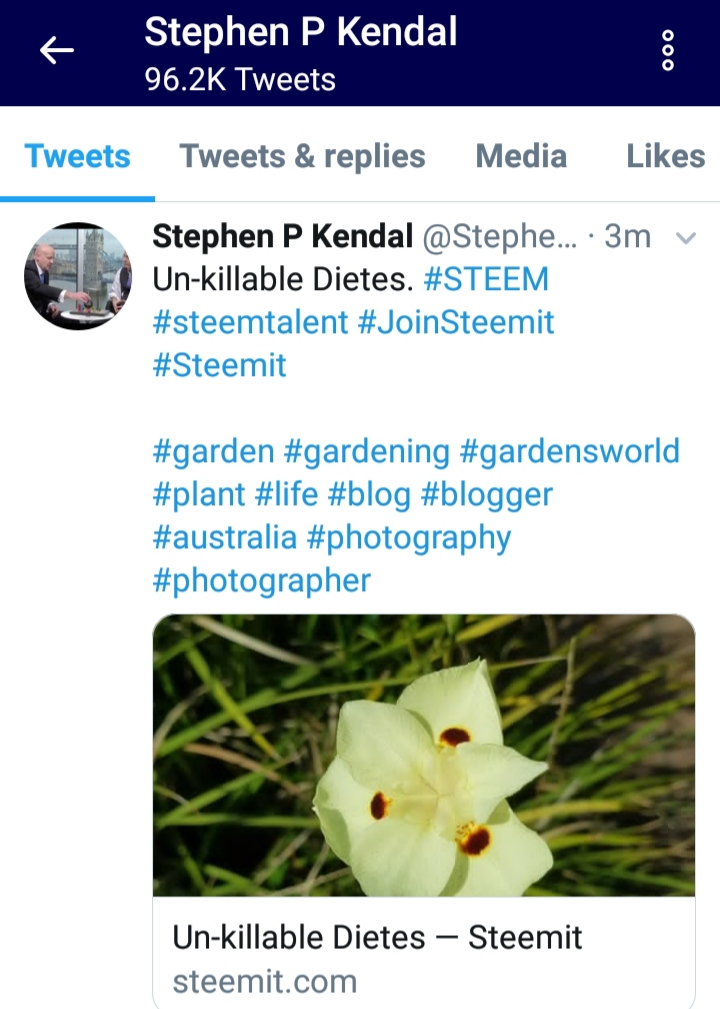
Un-killable Dietes. #STEEM #steemtalent #JoinSteemit #Steemit

garden #gardening #gardensworld #plant #life #blog #blogger #australia #photography #photographer

https://twitter.com/StephenPKendal/status/1054378491666415618

[IMAGE: https://cdn.steemitimages.com/DQme3Q3srfFfeHxdLr1RwsaADwQhELVNucAT2L2RhkHm3pa/20181022_153100.jpg]

@ctrl-alt-nwo | Oct. 24, 2018, 2:53 a.m. | Votes: 0 | [ VOTE ]

Thanks for sharing on Twitter again too !

@rezalhok | Oct. 22, 2018, 4:14 p.m. | Votes: 1 | [ VOTE ]

Wow... Beutiful in flowers @ctrl-alt-nwo

@ahmad4 | Oct. 22, 2018, 4:21 p.m. | Votes: 2 | [ VOTE ]

Fortnight lilies (Dietes bicolor) are adaptable plants that can survive drought or grow in water. In addition, they bloom from spring to fall and in frost-free areas, even bloom intermittently during the winter. For these reasons, fortnight lilies are often used in commercial landscapes and other areas that receive little maintenance.

[IMAGE: https://cdn.steemitimages.com/DQmfZiq7WK83CxfHSxhLYyN2r5P6yBt884tr9KnabkxcdZA/41HxD6Kf9PL._SX425_.jpg]

Description
The foliage of fortnight lilies resembles that of irises, which are in the same family. They have fan-shaped clumps of long narrow spiky leaves that slowly spread by rhizomes. The flowers are creamy white or pale yellow with brownish violet splotches near the centers. Each bloom lasts only a day or two, but each plant has an abundance of flowers. The plants typically grow 2 to 3 feet wide and tall, but can grow as tall as 4 feet in moist soil or water.

[IMAGE: https://cdn.steemitimages.com/DQmRkFzLfeDNXfVhKkp2tAAZXz8E1ChPGMP6UMcQX2B3Q8T/il_570xN.1349628690_dciz.jpg]

Care
Plant fortnight lilies 2 to 3 feet apart and fertilize twice during the first year. The flower stalks will produce more flowers if the seedpods are removed as they begin to form. Once a flower stalk stops blooming, do not cut them back like other perennial irises.

[IMAGE: https://cdn.steemitimages.com/DQmfKfKmYqk79xTcUdURsnUC3W9WRvJv8kvr4iJt51NWX7J/Fortnight_lily_or_Morea_iris_--_Dietes_iridioides,_D._bicolor.jpg]

Trivia
Fortnight lilies are so called because their flowering often occurs in two-week periods. They are also called African iris because they are native to South Africa. Other common names are butterfly iris and butterfly flag.

Content Source

@salmanbukhari54 | Oct. 22, 2018, 4:47 p.m. | Votes: 1 | [ VOTE ]

Hello Mr. Botanist aka @ctrl-alt-nwo :)

Dietes is a genus of rhizomatous plants of the family Iridaceae, first described as a genus in 1866. Common names include wood iris, Fortnight lily, African iris, Japanese iris and Butterfly iris, each of which may be used differently in different regions for one or more of the six species within the genus.

[IMAGE: https://cdn.steemitimages.com/DQmPkJs9W9vLAFXS1w2JcieENAe2MesN2Up5beNFr2KXynQ/image.png]
Source

Most species are native to southern and central Africa, with one (Dietes robinsoniana) native to Lord Howe Island off the coast of Australia. A few species have become naturalized in other parts of the world.

[IMAGE: https://cdn.steemitimages.com/DQmRsVA7f9jeBt5G85aZP3U6QEZSXVad8mC7wvPNjRCLg3j/image.png]
Source

These plants were formerly placed in the genus Moraea, but were reclassified because they are rhizomatous. Like Moraea, they differ from Iris in having flowers with six free tepals that are not joined into a tube at their bases.
[IMAGE: https://cdn.steemitimages.com/DQmf9Y4vWQhB7s4U5GEWxu3RJf4Yac2CCgjDEnKXYsMK6st/image.png]
Source

Dietes bicolor has cream or yellow flowers. D. grandiflora and D. iridioides both have white flowers marked with yellow and violet, and appear similar in photographs, but they are quite different.

[IMAGE: https://cdn.steemitimages.com/DQmfJWfXtSDDp7DpX3T5Y4wNduCfgeNj7d2h81j1VA4476i/image.png]
Source

Those of grandiflora are much larger, last three days, and have dark spots at the base of the outer tepals, while those of iridioides are small, last only one day, and lack the spots. D. grandiflora is also a larger plant overall.

[IMAGE: https://cdn.steemitimages.com/DQmYaQ1QoZxK92Xk7MM5wSGUyCCVYTNVAxyrWJeQiLtgtua/image.png]
Source

Source of Information: 1, 2

@avagado | Oct. 22, 2018, 4:54 p.m. | Votes: 2 | [ VOTE ]

Wow so very beautiful garden, thanks for sharing.really nice forWine Magnolia flowers.....
Resteem

@voteman | Oct. 22, 2018, 4:58 p.m. | Votes: 3 | [ VOTE ]

[-]voteman (53) · yesterday
Wow really amazing photography. nice color flowers garden. i love look.
For your post propagation.
Upvote/Resteem

@asadchughtai | Oct. 22, 2018, 9 p.m. | Votes: 2 | [ VOTE ]

Dietes is a genus of rhizomatous plants of the family Iridaceae, first described as a genus in 1866. Common names include wood iris, Fortnight lily, African iris, Japanese iris and Butterfly iris, each of which may be used differently in different regions for one or more of the six species within the genus.
[IMAGE: https://cdn.steemitimages.com/DQmWUJPw6SmfkjP4enqbx8Q2FFLskKcYp8XuqAXSGikdUQz/42496992_m.jpg]
Most species are native to southern and central Africa, with one (Dietes robinsoniana) native to Lord Howe Island off the coast of Australia. A few species have become naturalized in other parts of the world.These plants were formerly placed in the genus Moraea, but were reclassified because they are rhizomatous. Like Moraea, they differ from Iris in having flowers with six free tepals that are not joined into a tube at their bases.
[IMAGE: https://cdn.steemitimages.com/DQmVZTHamxJvefFhQTVGJSuv1b841hfaeAmwsKR9vEZsqsa/downloadfile-1.jpg][IMAGE: https://cdn.steemitimages.com/DQmUNzrhVESer3snHswXEP8JgD4NohQvMD73swDk91odP1g/downloadfile.jpg]
Some references mention the species Dietes vegeta or D. vegeta variegata, springing from some confusion with Moraea vegata (which grows from a corm, not a rhizome). The name D. vegeta is commonly misapplied to both D. grandiflora or D. iridioides.[IMAGE: https://cdn.steemitimages.com/DQmSBRj1efgkykxbb1bumk9Yyriz5wxtDBpmpfAo2P4tsV2/p-5148-dietes-butcheriana.jpg]
Source.

@templeflower | Oct. 23, 2018, 1:48 a.m. | Votes: 1 | [ VOTE ]

[IMAGE: https://cdn.steemitimages.com/DQmVB6hVm7mGYdVuXv68tY31L6XcQ9EPFM36hq87z3sJi32/image.png]

Wild iris, or butterfly plant, as it is also called, is a delight to grow. It is a tough plant that will grow in most soils and, once established, will survive harsh growing conditions – even tolerating drought. Conversely, wild iris (Dietes spp.) will also grow in boggy gardens. It can be grown in full sun or semi-shade and is usually pest- and disease-free.

There are five indigenous species of wild iris – Dietes bicolor, D. butcheriana, D. flavida, D. grandiflora and D. iridioides. All these species, but especially the yellow wild iris (D. bicolor) and the large wild iris (D. grandiflora), make attractive garden and landscape plants. The blooms of the latter two are borne on top of long flower stalks above 90cm-tall foliage. Their leaves are evergreen and grass-like, and the plants grow to form attractive clumps.

[IMAGE: https://cdn.steemitimages.com/DQmdPMiXp12HNCaa9Cg9u9Sdbgr3YzvCEmnQab6QvgZJLFx/image.png]

[IMAGE: https://cdn.steemitimages.com/DQmaKqDDFvHgAGf8APN7XbYsTdjXDp7uHR9cH4TfL7ap3xM/image.png]

Dietes are sensitive to long periods of frost, with the exception of D. grandiflora and some D. iridioides varieties that can withstand moderate frost as long as it is not for an extended period of time. Although tolerant of a variety of growing conditions, dietes perform best when planted in well-composted, slightly acid soil and need regular watering in summer.

https://www.lifeisagarden.co.za/dietes-pretty-tough-plants/

@kingsberry | Oct. 23, 2018, 6:33 a.m. | Votes: 1 | [ VOTE ]

One of the most versatile plants around and a great plant for beginning gardeners. This African native can tolerate virtually any soil conditions from drought to moist soil found at the water’s edge. Requires little maintenance to maintain a neat appearance. Just remove faded flowers to keep plant looking fresh. The spiky foliage adds great texture and interest to formal settings or plants can be naturalized for a casual, carefree look. Blooms last only a day or two but are produced over a long season through the spring and summer.

Prepare the garden by breaking up the existing soil (use a hoe, spade, or power tiller) to a depth of 12-16” (30-40cm). Add organic matter such as manure, peat moss or garden compost until the soil is loose and easy to work. Organic ingredients improve drainage, add nutrients, and encourage earthworms and other organisms that help keep soil healthy. Give plants an extra boost by adding a granulated starter fertilizer or all-purpose feed that encourages blooming (for example fertilizers labeled 5-10-5).

[IMAGE: https://cdn.steemitimages.com/DQmNeX7VRNp8gkorGxahMswdeHCfBiqCifhQAgGHpmr8erX/image.png]

[IMAGE: https://cdn.steemitimages.com/DQmV5rZZDBvKbz8QBGMbPg7BXpoqXp1HAhhJZPZhV3AtNR9/image.png]

[IMAGE: https://cdn.steemitimages.com/DQmbh2hLFewtUSY8tgKDg5rAynGHXTRDKrGmZ8BcSdPw8KB/image.png]

[IMAGE: https://cdn.steemitimages.com/DQmRFXu7tysHgW1xPLJVu7a4KtLAb7B7yY29BDaHfFGcQ9J/image.png]

https://www.mygardenlife.com/plant-library/6661/dietes/iridioides

@zohaib336 | Oct. 23, 2018, 9:22 a.m. | Votes: 3 | [ VOTE ]

About Dietes Flowers Dietes plant information says this plant is commonly called African iris or Butterfly iris. Dietes plant blossoms are showy and last just a day, sometimes two. Dietes iris normally has a long period of bloom, so you can expect continued blossoms for several weeks.

Learning how to take care of Dietes flowers is not difficult, but will vary depending upon the location in which they’re planted. Multiple blooms appear on upright stalks during the bloom season in spring and early summer and often sporadically throughout the year. Three-inch flowers are white, often marked with yellow and blue.

[IMAGE: https://cdn.steemitimages.com/DQmU5Fpyqy5At14uTPchAZiiSDoyyApNMjyGf218EghkE3n/new7%20153.jpg]
Dietes is a genus of rhizomatous plants of the family Iridaceae, first described as a genus in 1866. Common names include wood iris, Fortnight lily, African iris, Japanese iris and Butterfly iris, each of which may be used differently in different regions for one or more of the six species within the genus.

[IMAGE: https://cdn.steemitimages.com/DQmcJbuv8ovvwENgaH7NHfcV8WA4znfkdBShnm4Xh9ufefZ/i-16591.jpg]

[IMAGE: https://cdn.steemitimages.com/DQmUxEeyMguETj5YhXeiTAprA49gcgrCSNn9em7qKChBQs6/Fortnight_lily_or_Morea_iris_--_Dietes_iridioides,_D._bicolor.jpg]

[IMAGE: https://cdn.steemitimages.com/DQmXVLTjq9kqoBc1zSha3EE7f79TDQV64hLtVsF45sURTEQ/42496992_m.jpg]
Although seed can be sown most of the year in Australia seed is generally best sown in spring or autumn, avoid the coldest and hottest months of the year. The optimum germination temperature for germination is around 15-20°C.

[IMAGE: https://cdn.steemitimages.com/DQmW6ZTxqJthvZUuCgvpA4NktTAPAM19PLUWDY5kjcsYEYs/dietes-grandiflora-close-up-david-waldo.jpg]
source

@magoo-2 | Oct. 23, 2018, 1:37 p.m. | Votes: 1 | [ VOTE ]

magoo-2 found a series of multi accounts of a same owner is following your articles to cheat your generous rewards.

magoo-2 found these accounts are suspicious & can be multi accounts of a single owner. Conclusion is based on last 1 year transactions:

@faizazohaib
@faraz33
@zohaib336
@shoaib721

magoo-2
Check our latest multi comment spam update report

@faraz33 | Oct. 23, 2018, 9:53 a.m. | Votes: 3 | [ VOTE ]

The bicolor diet is an annual plant that is arranged in a thick clump and has a rhizome. This plant has long, sword-like leaves, pale green leaf color. This plant belongs to the Iridaceae tribe, related to the Iris flower
[IMAGE: https://cdn.steemitimages.com/DQmXZQDiGLw7WKwQ6reSNnSksmi5ahUFPBysbH3zrM8xHt4/42496992_m%20(1).jpg]
Diets bicolor (Dietes bicolor) Rhizome perennial 60-90 cm tall. Leaves are basal, narrowed-xiphoid, light green, 60 cm long. Light yellow to bright yellow, flowers 4 cm in diameter with 3 large perianth petals and brown spots at the base. Flowering in May and June.

[IMAGE: https://cdn.steemitimages.com/DQmanqEbF8nXRwia1TGKNG41CbBnUJ8MffYoE2RUkf6mCZA/Dietes.jpg]
Flowers from the tip of the flower Nectar stalk are located on the outer edge. Flowers that bloom only last for one day because the number of buds is very large, the Diet plant continues to grow until October or in the spring and summer.

[IMAGE: https://cdn.steemitimages.com/DQmVeUZkVgJiotstKgmyzpKGx3VK2hSDuQ6sNPLUw6Ybzur/a0ecae86dc499a501c83d645e153cfd2.jpg]
A bicolor diet is tolerant to dry environmental conditions and also frozen conditions. This plant can also grow easily in soil conditions that do not allow it to grow properly in environmental conditions with partial shade but still full sunlight.

[IMAGE: https://cdn.steemitimages.com/DQmTHtrzBrJZwkXeWzG4v3jnd1cSh2Y8kzPGiSqN6h13mEM/5.jpg]
source

@magoo-2 | Oct. 23, 2018, 1:37 p.m. | Votes: 3 | [ VOTE ]

magoo-2 found a series of multi accounts of a same owner is following your articles to cheat your generous rewards.

magoo-2 found these accounts are suspicious & can be multi accounts of a single owner. Conclusion is based on last 1 year transactions:

@faizazohaib
@faraz33
@zohaib336
@shoaib721

magoo-2
Check our latest multi comment spam update report

@shoaib721 | Oct. 23, 2018, 10:10 a.m. | Votes: 3 | [ VOTE ]

Lovely plant my friend and Dietes bicolor produces fan shaped clumps of iris like narrow sword-shaped basal evergreen leaves. Attractive Iris like flowers appear on the branched stalks from spring to autumn and intermittently throughout winter.
Each flower has three light yellow petals with dark brown blotches 5cm wide.
[IMAGE: https://cdn.steemitimages.com/DQmT8yjuFXEL7a2taDyc6zdrL2otJb6keycaF6NALQtjDJg/When-and-How-to-Cut-Back-Bicolor-Iris.jpg]
Seeds germinate readily, however they do have a hard outer coating which is impervious to water and generally germination will normally not occur unless the seed is scarified by abrading or pre-treated with boiling water first.

[IMAGE: https://cdn.steemitimages.com/DQmanqEbF8nXRwia1TGKNG41CbBnUJ8MffYoE2RUkf6mCZA/Dietes.jpg]

[IMAGE: https://cdn.steemitimages.com/DQmXZQDiGLw7WKwQ6reSNnSksmi5ahUFPBysbH3zrM8xHt4/42496992_m.jpg]
Cultivation
Plants prefer dappled shade to full sun where they will flower in profusion, though they will grow in shaded areas (with an accompanying loss of flower production). Under favourable conditions, the clumps multiply rapidly. Dietes grandiflora are drought and frost hardy, making them popular for en masse plantings.

[IMAGE: https://cdn.steemitimages.com/DQmbhs6izNwvF3EpX7jthf3HYTEUUqRY3cVwtgCvb3AXDPS/c722b6473d8f7c78fc004ce86212ed0f.jpg]
Notes
Wild iris (Dietes iridioides) is regarded as a potential environmental weed or a "sleeper weed" in many parts of southern Australia. It has been reported from urban bushland in the Hornsby Plateau region to the north of Sydney Harbour and also from remnant patches of native woodlands in the Maranoa Gardens in suburban Melbourne.

[IMAGE: https://cdn.steemitimages.com/DQmUNxCVo92BzVswp5DH1N3M3mtsHZQNjHJkPVPhmmjrPDD/file_0_original.jpg]
source

@magoo-2 | Oct. 23, 2018, 1:37 p.m. | Votes: 3 | [ VOTE ]

magoo-2 found a series of multi accounts of a same owner is following your articles to cheat your generous rewards.

magoo-2 found these accounts are suspicious & can be multi accounts of a single owner. Conclusion is based on last 1 year transactions:

@faizazohaib
@faraz33
@zohaib336
@shoaib721

magoo-2
Check our latest multi comment spam update report

@shoaib721 | Oct. 23, 2018, 10:20 a.m. | Votes: 1 | [ VOTE ]

Lovely plant my friend and Dietes bicolor produces fan shaped clumps of iris like narrow sword-shaped basal evergreen leaves. Attractive Iris like flowers appear on the branched stalks from spring to autumn and intermittently throughout winter.
Each flower has three light yellow petals with dark brown blotches 5cm wide.
[IMAGE: https://cdn.steemitimages.com/DQmT8yjuFXEL7a2taDyc6zdrL2otJb6keycaF6NALQtjDJg/When-and-How-to-Cut-Back-Bicolor-Iris.jpg]
Seeds germinate readily, however they do have a hard outer coating which is impervious to water and generally germination will normally not occur unless the seed is scarified by abrading or pre-treated with boiling water first.

[IMAGE: https://cdn.steemitimages.com/DQmanqEbF8nXRwia1TGKNG41CbBnUJ8MffYoE2RUkf6mCZA/Dietes.jpg]

[IMAGE: https://cdn.steemitimages.com/DQmXZQDiGLw7WKwQ6reSNnSksmi5ahUFPBysbH3zrM8xHt4/42496992_m.jpg]
Cultivation
Plants prefer dappled shade to full sun where they will flower in profusion, though they will grow in shaded areas (with an accompanying loss of flower production). Under favourable conditions, the clumps multiply rapidly. Dietes grandiflora are drought and frost hardy, making them popular for en masse plantings.

[IMAGE: https://cdn.steemitimages.com/DQmbhs6izNwvF3EpX7jthf3HYTEUUqRY3cVwtgCvb3AXDPS/c722b6473d8f7c78fc004ce86212ed0f.jpg]
Notes
Wild iris (Dietes iridioides) is regarded as a potential environmental weed or a "sleeper weed" in many parts of southern Australia. It has been reported from urban bushland in the Hornsby Plateau region to the north of Sydney Harbour and also from remnant patches of native woodlands in the Maranoa Gardens in suburban Melbourne.

[IMAGE: https://cdn.steemitimages.com/DQmUNxCVo92BzVswp5DH1N3M3mtsHZQNjHJkPVPhmmjrPDD/file_0_original.jpg]
source

@magoo-2 | Oct. 23, 2018, 1:38 p.m. | Votes: 3 | [ VOTE ]

magoo-2 found a series of multi accounts of a same owner is following your articles to cheat your generous rewards.

magoo-2 found these accounts are suspicious & can be multi accounts of a single owner. Conclusion is based on last 1 year transactions:

@faizazohaib
@faraz33
@zohaib336
@shoaib721

magoo-2
Check our latest multi comment spam update report

@arcange | Oct. 23, 2018, 4:52 p.m. | Votes: 1 | [ VOTE ]

Congratulations @ctrl-alt-nwo!
Your post was mentioned in the Steemit Hit Parade in the following category:

  • Comments - Ranked 2 with 102 comments
@ctrl-alt-nwo | Oct. 24, 2018, 3:32 a.m. | Votes: 0 | [ VOTE ]

Thanks for the mention again !

@arcange | Oct. 24, 2018, 4:57 a.m. | Votes: 0 | [ VOTE ]

You're welcome

@sgbonus | Oct. 23, 2018, 5:32 p.m. | Votes: 1 | [ VOTE ]

Fortnight lily
Formerly classified in the genus Moraea, and is still called morea iris by some gardeners. These are evergreen perennials with spreading fans of stiff, leathery sword shaped leaves up to 2 ft (0.6 m) in length but only 0.75 in (1.9 cm) wide. The upright clumps of leaves are held in a vertical fanlike plane and they spread on creeping rhizomes which sometimes ascend a few inches. The 2-4 ft (0.6-1.2 m) flowering stalks, which are perennial, are branched and stiffly wiry, bearing a succession of short-lived irislike flowers throughout spring and summer.

[IMAGE: https://cdn.steemitimages.com/DQmWkPiSnzmdcNspJvBNoAmYNtNn8qeoJ3vc87KyE2LqA5S/image.png]

The flowers, rather flattened and nearly 3 in (7.6 cm) across, are milky white with yellow markings on the three larger tepals. (The three petals and three similar sepals of iris flowers are collectively called tepals.) Fortnight lily fruits are 1-2 in (2.5-5.1 cm) football shaped, three-sided capsules.

[IMAGE: https://cdn.steemitimages.com/DQmUTVu42CPTUrcARKWPyPAgG6U4EQqEkLSoSobBdRUPuCv/image.png]
The fortnight lilies are often grown in borders because the narrow leaves are evergreen, and provide a strong vertical element. They're good along foundations, too. Fortnight lilies eventually form dense fan shaped clumps of leaves, and make a dramatic ground cover under large, tall trees. The flowers are beautiful, and although each lasts only a day, they are produced in profusion over an extended period from spring until late summer. They usually come in bursts, with a fortnight (two weeks) of rest between flowering events. Fortnight lilies seem to perform best in the light dappled shade of tall, open trees.

[IMAGE: https://cdn.steemitimages.com/DQmRhx1oJGd6ioEKQaHxd6TmxrDZocLEzu423QCa7yuFvrT/image.png]
References1234

@cryptopie | Oct. 23, 2018, 8:29 p.m. | Votes: 1 | [ VOTE ]

It is amazing how it is very resilient @ctrl-alt-nwo but who wants to kill a plant with some fantastic flowers?

@ctrl-alt-nwo | Oct. 24, 2018, 3:09 a.m. | Votes: 0 | [ VOTE ]

You would be surprised, i have seen some really bad gardeners :)

@humzafida | Oct. 23, 2018, 10 p.m. | Votes: 2 | [ VOTE ]

Dietes is a genus of rhizomatous plants of the family Iridaceae, first described as a genus in 1866. Common names include wood iris, Fortnight lily, African iris, Japanese iris and Butterfly iris, each of which may be used differently in different regions for one or more of the six species within the genus.

[IMAGE: https://cdn.steemitimages.com/DQmNeX7VRNp8gkorGxahMswdeHCfBiqCifhQAgGHpmr8erX/image.png]

Most species are native to southern and central Africa, with one (Dietes robinsoniana) native to Lord Howe Island off the coast of Australia. A few species have become naturalized in other parts of the world

[IMAGE: https://cdn.steemitimages.com/DQmcXbkLBt9h9s6MWReChQqRXhQyUJpwANPJbsGXtv6n16A/image.png]

These plants were formerly placed in the genus Moraea, but were reclassified because they are rhizomatous. Like Moraea, they differ from Iris in having flowers with six free tepals that are not joined into a tube at their bases.

[IMAGE: https://cdn.steemitimages.com/DQmRqpZwkwxCV9ZopNEREAZewUWaGFqevqnuiM21Fq45U2E/image.png]

Dietes bicolor has cream or yellow flowers. D. grandiflora and D. iridioides both have white flowers marked with yellow and violet, and appear similar in photographs, but they are quite different: those of grandiflora are much larger, last three days, and have dark spots at the base of the outer tepals, while those of iridioides are small, last only one day, and lack the spots. D. grandiflora is also a larger plant overall.

[IMAGE: https://cdn.steemitimages.com/DQmbtjvikbTVLgmicHbpuHiwF2ZHMXdyx5RqGyZwBRuKwXD/image.png]

source

@barski | Oct. 27, 2018, 3:11 p.m. | Votes: 1 | [ VOTE ]

Surprisingly, I have seen a lot of irises, but with such a shape of flowers I have never met. In irises, which grow in our flower shape resembles a snapdragon.

Here are the usual irises to me

[IMAGE: https://cdn.steemitimages.com/DQmf7vjpueGCYjy4jqWKjMjZtKcMFwHEU5gaLm6tWjVbxgC/DSC00707.JPG]

[IMAGE: https://cdn.steemitimages.com/DQmaVoy9JKBwW8evYAJuvMvtsMJvEgLx2uJGNrzuQiFv2p7/DSC00728.JPG]

In the first photo, the flower in color resembles exactly the flower of the plant, which we call night blindness. he has a poisonous milky sap that can take away his eyes if he gets into his eyes.

On the second photo of the flower is a completely different form. This plant is an imitator)))

Thank you for the interesting pictures and useful information!

@ctrl-alt-nwo | Oct. 28, 2018, 11:56 a.m. | Votes: 0 | [ VOTE ]

Dietes are not really a true Iris, this is just another common name for them.

[ BACK TO TRENDING ] [ BACK TO MENU ]
CMD>