Greetigs @emjoe
TURMERIC
This tasty oriental seasoning that is included as an ingredient in curry and works as a good substitute for saffron in rice, is a great ally of health.
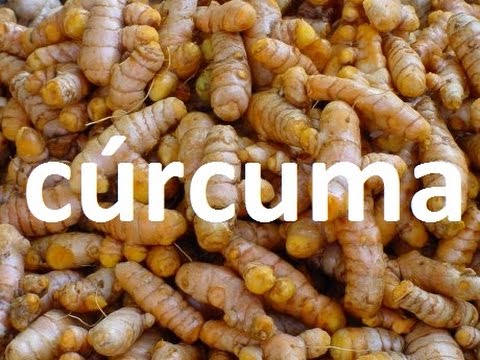
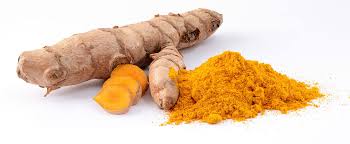
Turmeric is obtained from the rhizome of the Curcuma longa plant, belonging to the same family as ginger and is a basic condiment of oriental cuisine.
Main ingredient of curry, turmeric is one of the healthiest spices. It has an intense, bitter and somewhat spicy aroma, and a golden yellow color that is given by the curcumoides.
Turmeric is native to Southeast Asia, where its culinary use is at least twenty-five centuries old. Its beneficial effects on health and preservation of food, together with its bright yellow color that links it with the Sun, should have favored its symbolic and ceremonial use.
In India, turmeric is considered a symbol of prosperity and a physical and spiritual purifier. A mixture of turmeric and lime water is still used in worship rituals in numerous temples.
Also, the bridal bath includes smearing the bride with that mixture. A thread dyed yellow with turmeric is considered a good omen and worn as a bracelet.
Other times it is a piece of the rhizome that is tied directly on the wrist. In Polynesia, turmeric is spread over the shoulders during ritual dances to scare away evil spirits.
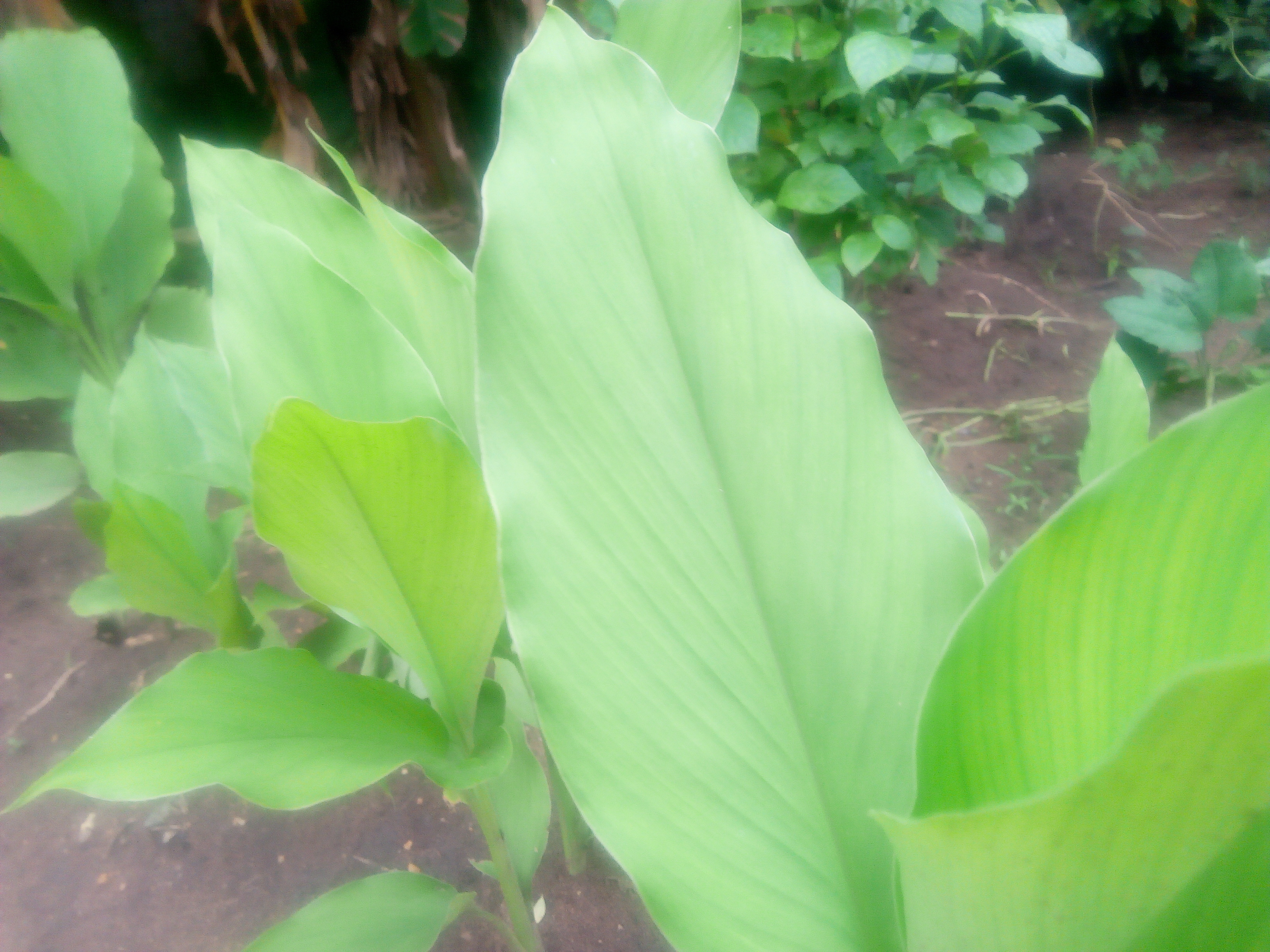
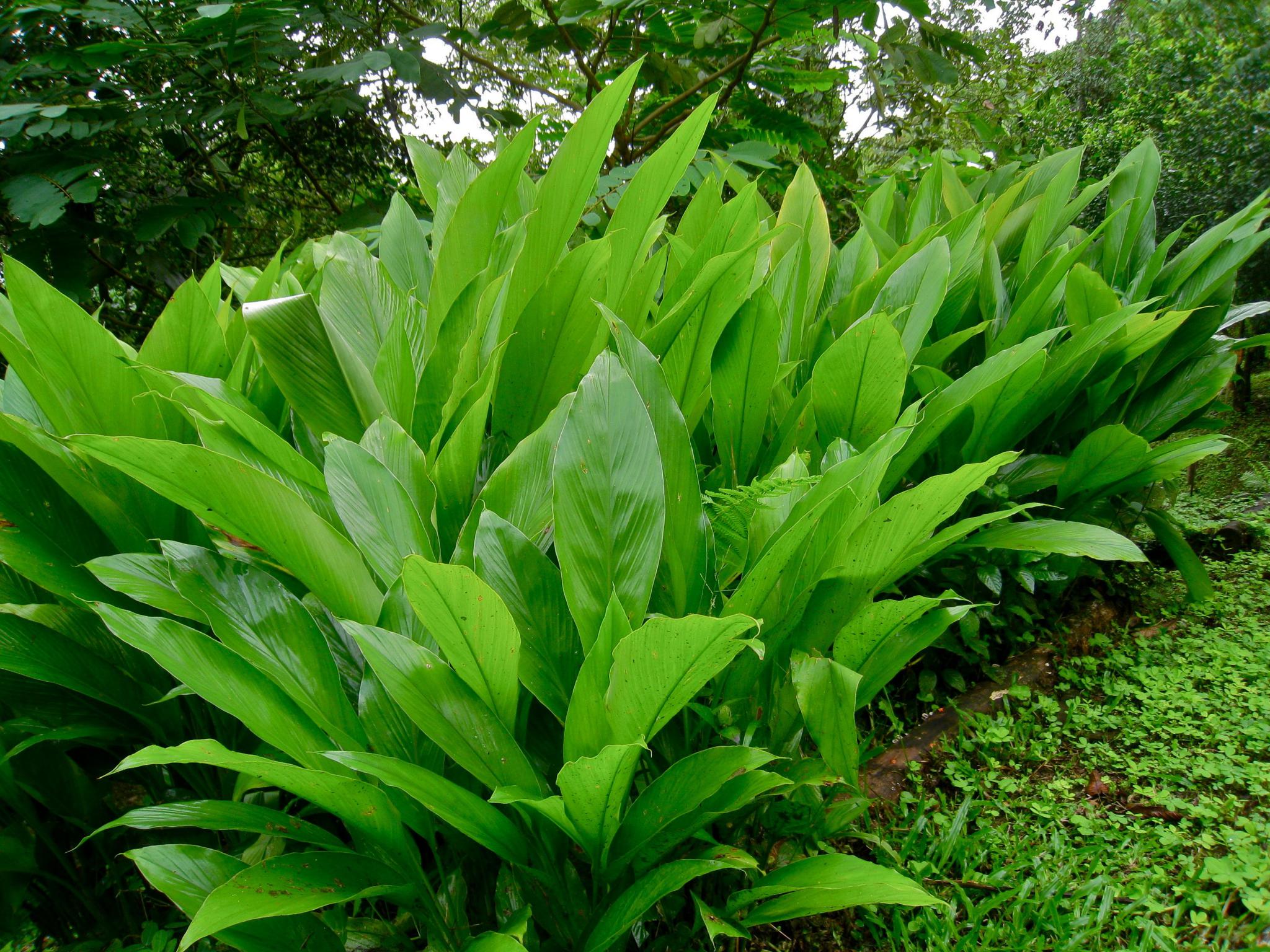
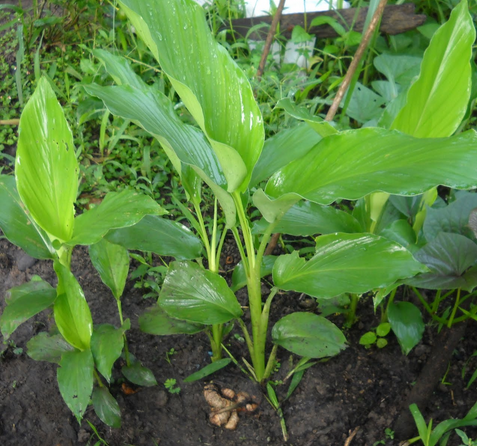
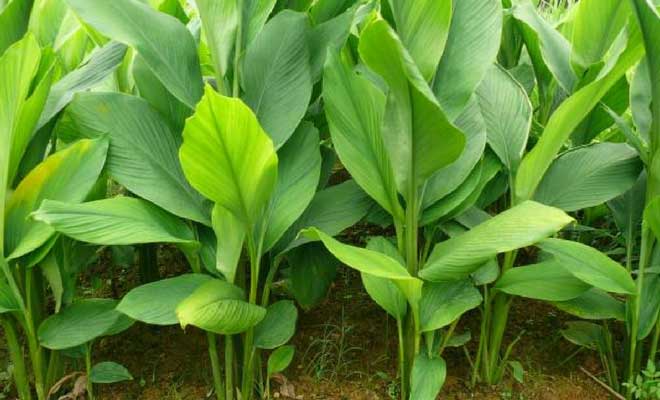
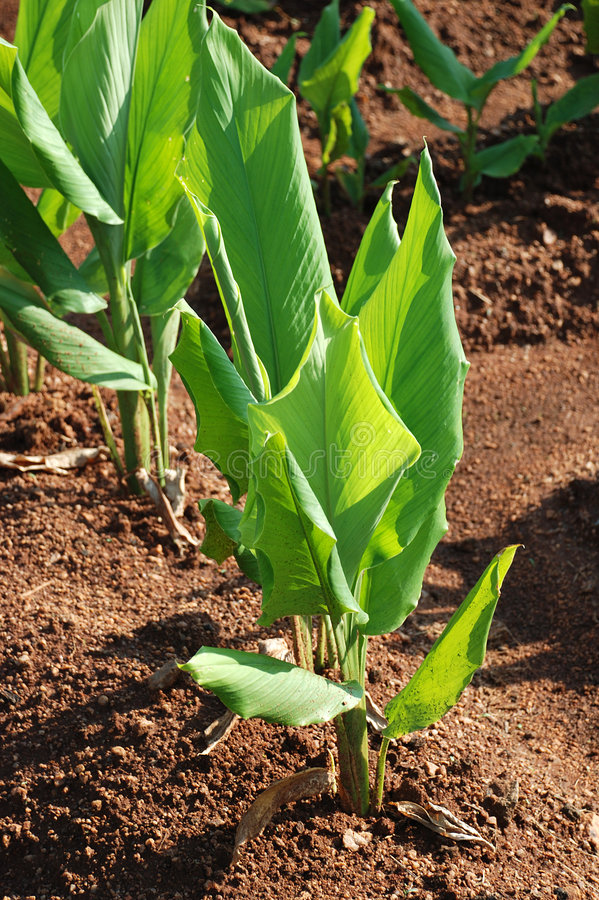
The turmeric of India is a perennial plant, one meter or more high, with tuberous roots, cylindrical rhizomes and large leaves, elliptical in shape and yellowish green, with long petioles that start directly from the soil.
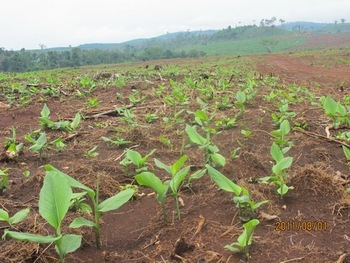
The entire rhizome bush, which grows best in a hot, humid climate, is carefully raised to prevent any damage, and the "fingers" are cut from the larger rhizomes.
The turmeric is boiled or steamed and then left to dry. The outer shell peels off and the rough brown "fingers" turn orange yellow and waxy in texture.
Properties of turmeric
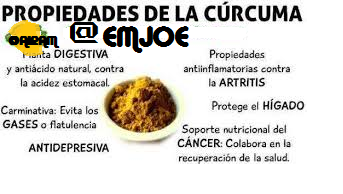
The root and rhizome of turmeric contain curcumoids and curcumins, dyes to which are attributed clear antioxidant and anti-inflammatory effects.
They also contain an essential oil with zingiberene, polysaccharides and mineral salts such as iron and potassium.
Curcumin, which is not soluble in water, does have a great capacity to dissolve in fats and stimulate the secretion of bile.
Benefits of turmeric
Western herbalists use it for its anti-inflammatory qualities, but in India it is prescribed as a general tonic and Chinese medicine advises it for digestive disorders, especially liver problems.
Curcumin is a powerful antioxidant that significantly reduces the damage that free radicals do to cells and is therefore useful in preventing cancer.
Great help against arthritis
Its anti-inflammatory virtues make it an aid against arthritis, irritable bowel syndrome or any inflammatory process.
Its anti-inflammatory power has been compared with drugs as potent as hydrocortisone and phenylbutazone, but unlike drugs, turmeric has virtually no toxicity.
Its anti-inflammatory properties indicate it for other health problems, such as Crohn's disease and ulcerative colitis.
It also promotes digestion (help with gas or swelling), because it stimulates the secretion of bile and promotes the proper functioning of the liver.
Detoxifying and anticancer effects
Some types of cancer develop after a time when the tissues have been subjected to the stress of inflammation.
In the laboratory it has been observed that curcumin is able to inhibit the multiplication of cancer cells in lung cancer.
The University of Texas is investigating its effect on cancers of the skin, pancreas and mouth.
In addition other physiological effects that can help have been discovered:
It strengthens the liver, raising the rates of enzymes that eliminate toxic compounds.
It inhibits the synthesis of proteins necessary for tumors to develop.
Prevents the development of the blood vessels that feed them.
Epidemiological studies show that those who consume turmeric often enjoy a lower risk of breast, prostate, lung and colon cancer.
Encourages circulation
Curcumin is also advantageous for the cardiovascular system. It also has something to contribute to neurodegenerative diseases and Alzheimer's especially.
It is a safe food, even in high doses. It is not irritating or allergenic.
However, in case of gallbladder disorder it is recommended not to abuse and consult with the doctor.
It is also not indicated in high doses if anticoagulant medications are taken, such as warfarin or even aspirin, because it could potentiate its effect.
[IMAGE: https://cdn.steemitimages.com/DQmeWJM3JWxQ2m6h5knM9NEidc1X9SgRErKDqTZeeEvULPv/turmeric-plant-3139488.jpg]
[IMAGE: https://cdn.steemitimages.com/DQmPJDVJAQuAdGoy3qSmwatBuphBB1ZqMDkH8pcW3YhiZK1/JUIIII.png]
[IMAGE: https://cdn.steemitimages.com/DQmd3rg3TRagG5phbRzKEeSZKkzn9fFboXgMxKrU9Kfm1oU/curcuma0924-1000%20(1).jpg]
[IMAGE: https://cdn.steemitimages.com/DQmY38RhhhdRsq6iGS4bJnXbTFzDXHcMJoCCZzmE9WyVL4Y/hqdefault.jpg]




.jpg)