[IMAGE: https://images.ecency.com/DQmbhJk49injoHpBPTtJXZwYeA8TFDncuiivERnBV7QMrtF/img_0.4974985557568137.jpg]

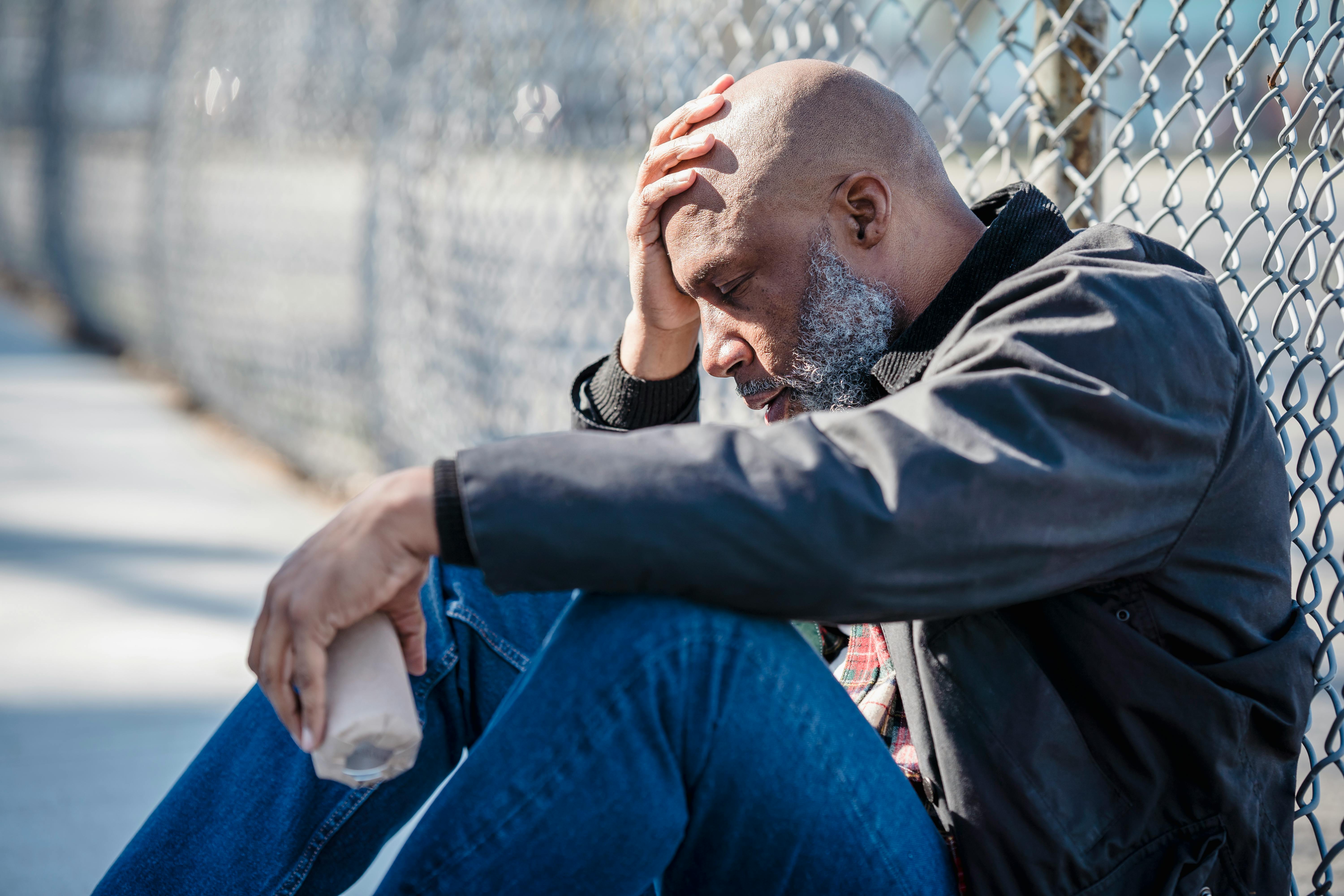
In our society, depression is frequently misunderstood.
Too many people are depressed but keep it to themselves.
Depression is a mood condition characterized by persistent sorrow and a lack of interest.
It's sometimes referred to as clinical depression or serious depression.
Depression comes in a variety of forms
Bipolar Disorder, Psychotic Depression, Postpartum Depression, and Seasonal Affective Disorder are all examples of major depressive disorders.
CLINICAL DEPRESSION SYMPTOMS
* Sadness, tears, emptiness, or a sense of helplessness.
* Angry, irritable, or frustrated outbursts, especially over minor matters.
* Loss of interest or enjoyment in most or all typical activities, including sex, hobbies, and sports.
* Sleep issues, such as insomnia or sleeping excessively.
* Fatigue and lack of energy, requiring extra effort to complete even simple chores.
* A decrease in appetite and weight loss, or an increase in hunger and weight gain
Slowed thinking, speaking, or body motions due to anxiety, excitement, or restlessness.
* Self-blame, feelings of worthlessness or remorse, preoccupation on previous misdeeds
* Difficulties thinking, concentrating, making judgments, and recalling information.
* Thoughts of death, suicidal thoughts, suicide attempts, or suicide on a regular or repeated basis.
* Physical issues that aren't explained, such as back discomfort or headaches.
DEPRESSION CAUSES
- Biological differences, brain chemistry, hormone changes, and hereditary features are all variables that contribute to it.
THE FACTORS OF RISK
-
Self-esteem, reliance, self-criticism, and pessimism are examples of personality qualities.
-
Physical or sexual abuse, the death or loss of a loved one, a tough relationship, or financial difficulties are all examples of traumatic or stressful experiences.
- Depression, bipolar disorder, alcoholism, or suicide in the family.
*Anxiety disorder, eating disorders, or post-traumatic stress disorder are all examples of mental health disorders. - Alcohol or recreational drug abuse.
- Cancer, stroke, and heart disease are examples of serious or chronic illnesses.
*Certain medications, such as B. some blood pressure medications or sleeping pills.
PREVENTION
Take the following steps to reduce stress:
This is said to increase your self-esteem and resilience.
- Steps such as doing what you enjoy, listening to music, and so on.
[IMAGE: https://images.ecency.com/DQmbucjbsTuuaockH9Ddra9jkTNV68r6m93rTXuYtDEnqiL/img_0.6798884762080063.jpg]
Source

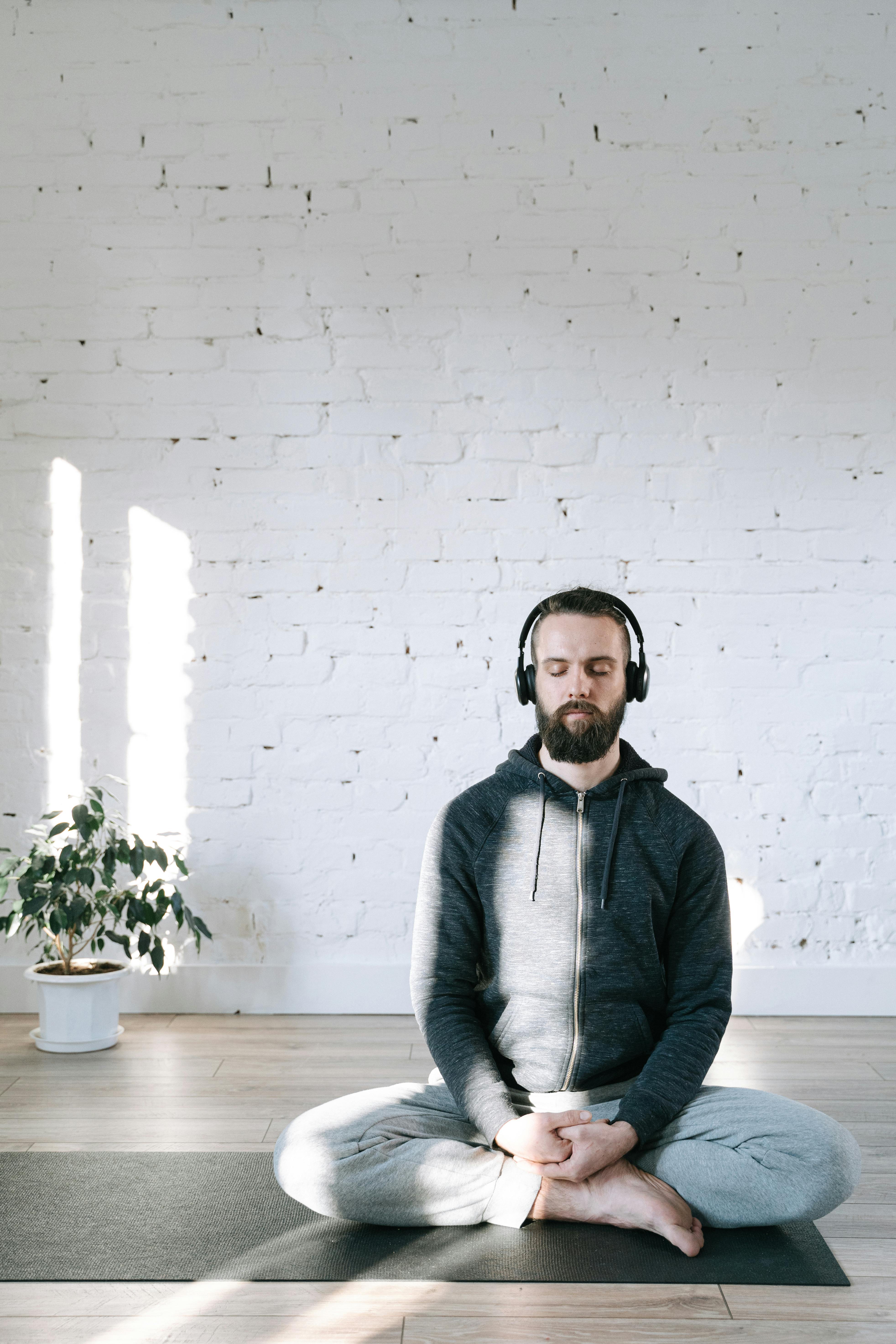
* Reach out to family and friends for support, especially during times of difficulty.
[IMAGE: https://images.ecency.com/DQmXh4tfQEiooUx4E4sBvG1XHTjNtBtzz1vsjAw3Q5biQXF/img_0.8612500246069352.jpg]


- Seek treatment as soon as you notice a problem to avoid a worsening of depression.
[IMAGE: https://images.ecency.com/DQmSyuatWxyz3883R1p7PzLZ6ezwZAYdbRsSc8vDQbaFKBv/img_0.9989831479492507.jpg]


- To avoid symptom recurrence, consider long-term maintenance therapy.
Thanks for your time