[IMAGE: https://ipfs-3speak.b-cdn.net/ipfs/bafybeibxsgcvvrprk5s5w6zvdcdjxb7wvysldvk4eb57hiin7fs4h7b25a/]

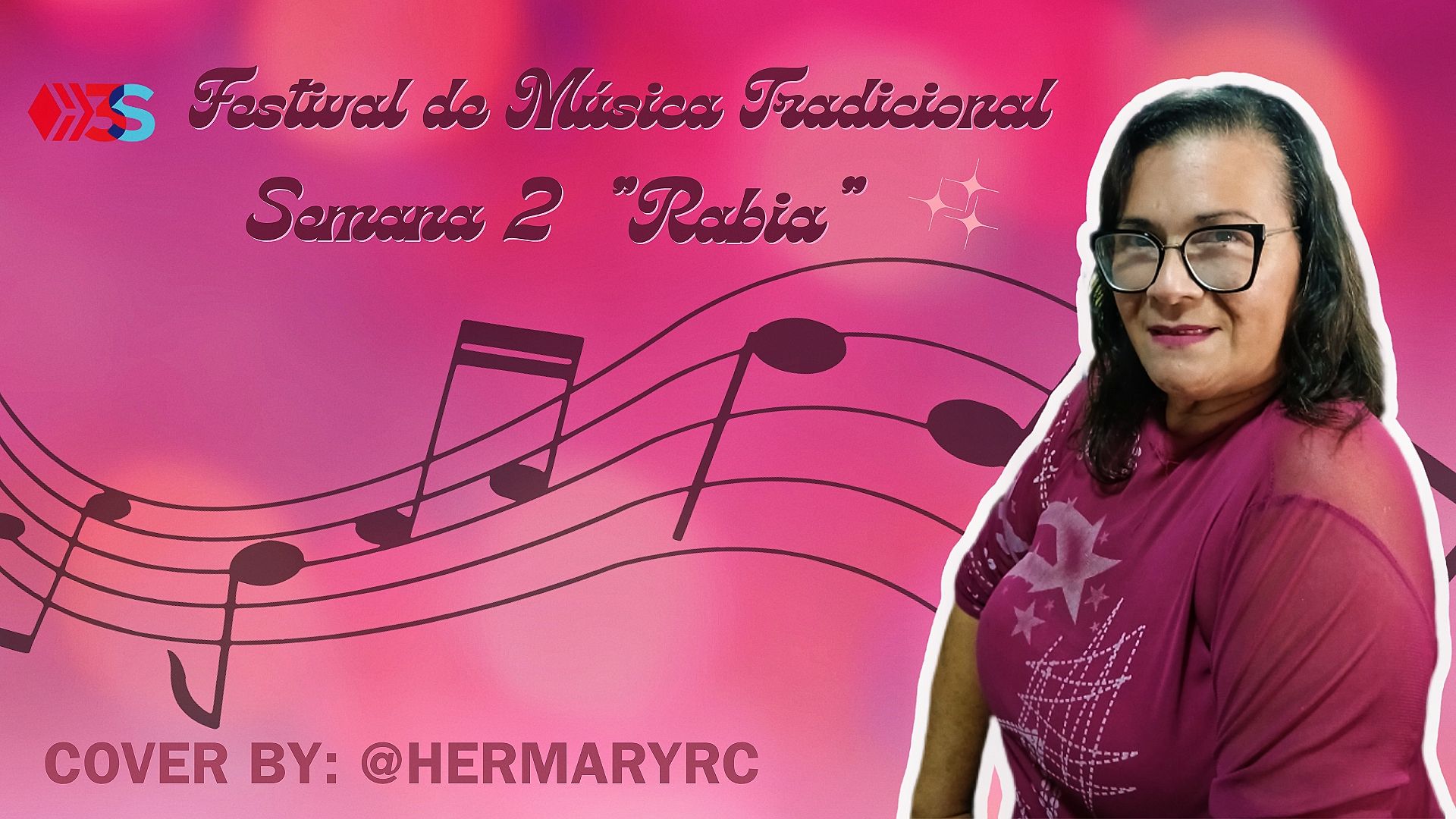
Saludos cordiales a toda la comunidad @vdc es un gran placer estar presente en su festival de Música tradicional, que entra en su segunda semana. Mis mejores deseos de salud y alegría para ustedes y sus familias. En esta oportunidad elegí esta canción, porque siempre desde mi adolescencia, cuando la escuchaba en la radio, a pesar de ser una adolescente, sin experiencia en el amor, yo me colocaba debajo de la mata de mango, de mi hermana Aracelys, que en paz descanse, y me inspiraba de tal forma, que los vecinos luego le comentaban a mi hermana, pero de buenas maneras. En realidad considero que soy una mujer apasionada en todo lo que hago, diría mas que apasionada, intensa.. y esta canción me encanta, espero que a ustedes les haya gustado mi presentación.
"Rabia" interpretada por la cantante venezolana Maritza Marchena, es una canción emblemática de la música llanera que destaca por su intensidad emocional y la fuerza de su mensaje.

Es una poderosa expresión de despecho y dolor, característica del subgénero del pasaje llanero. La canción se distingue por una letra cruda y honesta que aborda la traición amorosa desde una perspectiva de empoderamiento femenino, algo distintivo en la voz de Maritza Marchena, conocida como "La Recia" por su estilo vocal potente y su carácter indomable. La letra narra la historia de una mujer que, a pesar de haber entregado por completo su vida, su cuerpo y sus sueños a un hombre, se encuentra sola y traicionada. La protagonista no oculta su frustración y la "rabia" que siente por haber sido engañada y por haber perdido una "batalla" en la que el hombre, en cambio, luce "otra medalla", refiriéndose a una nueva relación.
Musicalmente, la canción se apoya en el ritmo del joropo, con el arpa y las maracas creando una atmósfera a la vez festiva y melancólica que contrasta con la intensidad de la letra. La interpretación de Maritza Marchena es el alma de la canción, transmitiendo cada fragmento de dolor, frustración y, finalmente, la rabia que da título al tema. Su voz, llena de matices, pasa de la melancolía a la fuerza desbordada, haciendo de cada verso una declaración de emociones.
"Rabia" es más que una simple canción de despecho; es un himno de la mujer llanera que no se resigna a la derrota. Aunque reconoce el dolor de la traición, el tema se enfoca en la catarsis de expresar el sentimiento de injusticia, mostrando la fortaleza de un espíritu que, a pesar de estar herido, se niega a ser callado.
https://youtu.be/XPEGwi5KoTo?si=llMZCg33uvBKpK63
> Fuente
Mucha salud y bendiciones para todos 🙏🏻 y mil gracias por el apoyo.
Agradezco el gran apoyo de @barbyjr en edición y publicación de post.
Invito a participar a mis amigas @sayury y @elioe
Todas las fotos y vídeos son de mi autoría, captados con mi teléfono 📲 Samsung Galaxy A16.
Edición: Cap Cut / Canva.
Locación:
Villa de Cura/Estado Aragua ( Venezuela)
> English Versión:
> Warm greetings to the entire @vdc community. It's a great pleasure to be present at your Traditional Music Festival, which is now in its second week. My best wishes for health and joy to you and your families. This time, I chose this song because, ever since my adolescence, whenever I heard it on the radio, despite being a teenager with no experience in love, I would sit under my sister Aracelys's mango tree, may she rest in peace, and it would inspire me so much that the neighbors would later tell my sister about it, but in a nice way. I truly consider myself a passionate woman in everything I do. I'd say more than passionate, intense... and I love this song. I hope you enjoyed my performance.
> "Rabia," performed by Venezuelan singer Maritza Marchena, is an emblematic song of llanera music that stands out for its emotional intensity and the strength of its message.
> It is a powerful expression of heartbreak and pain, characteristic of the llanero passage subgenre. The song is distinguished by raw and honest lyrics that address romantic betrayal from a perspective of female empowerment, something distinctive in the voice of Maritza Marchena, known as "La Recia" (The Recia) for her powerful vocal style and indomitable character. The lyrics tell the story of a woman who, despite having completely given her life, her body, and her dreams to a man, finds herself alone and betrayed. The protagonist doesn't hide her frustration and the "rage" she feels for having been cheated on and for having lost a "battle" in which the man, on the other hand, wears "another medal," referring to a new relationship.
> Musically, the song is based on the rhythm of joropo, with the harp and maracas creating an atmosphere that is both festive and melancholic, contrasting with the intensity of the lyrics. Maritza Marchena's performance is the soul of the song, conveying every fragment of pain, frustration, and, ultimately, the rage that gives the song its title. Her voice, full of nuances, moves from melancholy to overwhelming strength, making each verse a declaration of emotions.
"Rabia" is more than a simple song of heartbreak; it is an anthem for the plainswoman who refuses to resign herself to defeat. While acknowledging the pain of betrayal, the song focuses on the catharsis of expressing the feeling of injustice, showing the strength of a spirit that, despite being hurt, refuses to be silenced.
> Source
> Much health and blessings to everyone 🙏🏻 and a thousand thanks for the support.
> I appreciate the great support from @barbyjr in editing and publishing this post.
> I invite my friends @sayury and @elioe to participate
> All photos and videos are my own, captured with my Samsung Galaxy A16 phone 📲.
> Edited by: Cap Cut / Canva.
> Location:
> Villa de Cura/Aragua State ( Venezuela)


▶️ 3Speak
https://images.hive.blog/0x0/https://files.peakd.com/file/peakd-hive/threespeak-es/RlWpfCcf-Sin-tC3ADtulo-12.gif