[IMAGE: https://images.hive.blog/DQmaY28WA4cSD3XPyaeCvgBRM2ABK3FkbXJtdkpwpVtikHx/gael-mcgill-cellularlandscape-digizyme-4180880132.jpg]
Branched-Chain Amino Acid
https://en.m.wikipedia.org/wiki/Branched-chain_amino_acid
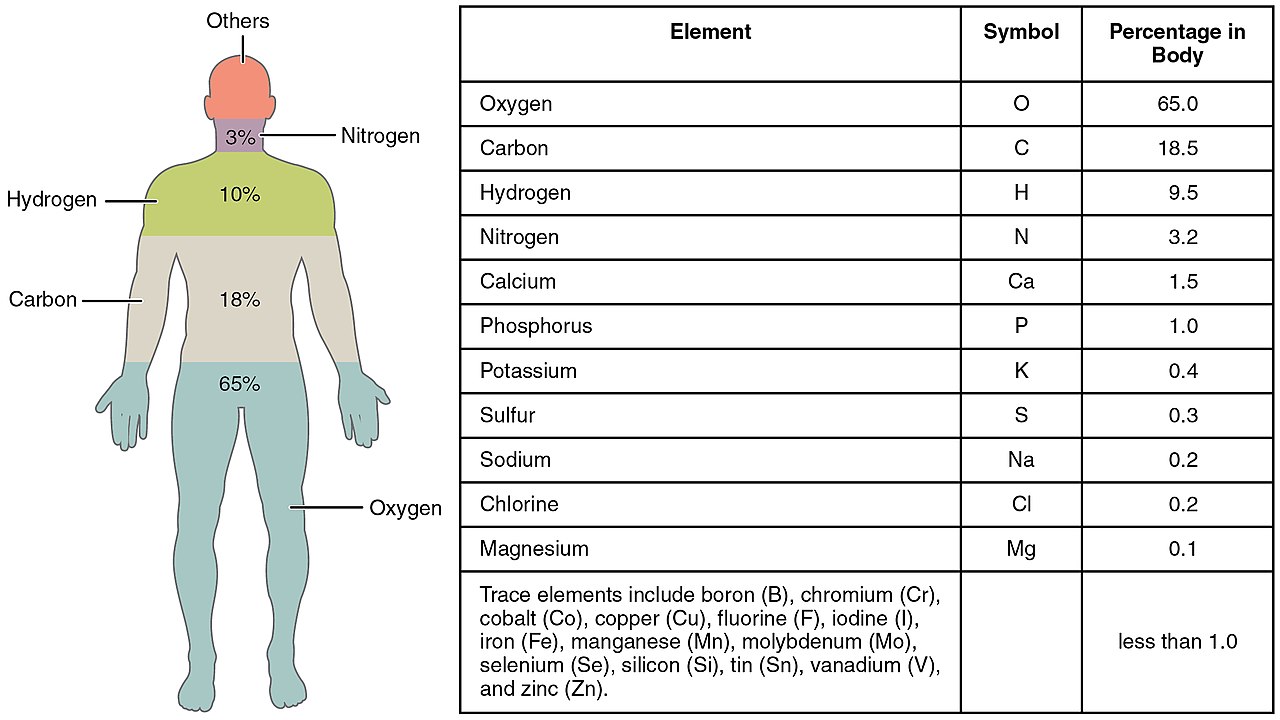
CHONS
Amino Precursor
Nixtamalization
Neutral pH 7.40
Castor
Olive Leaf & Oil
Rosemary
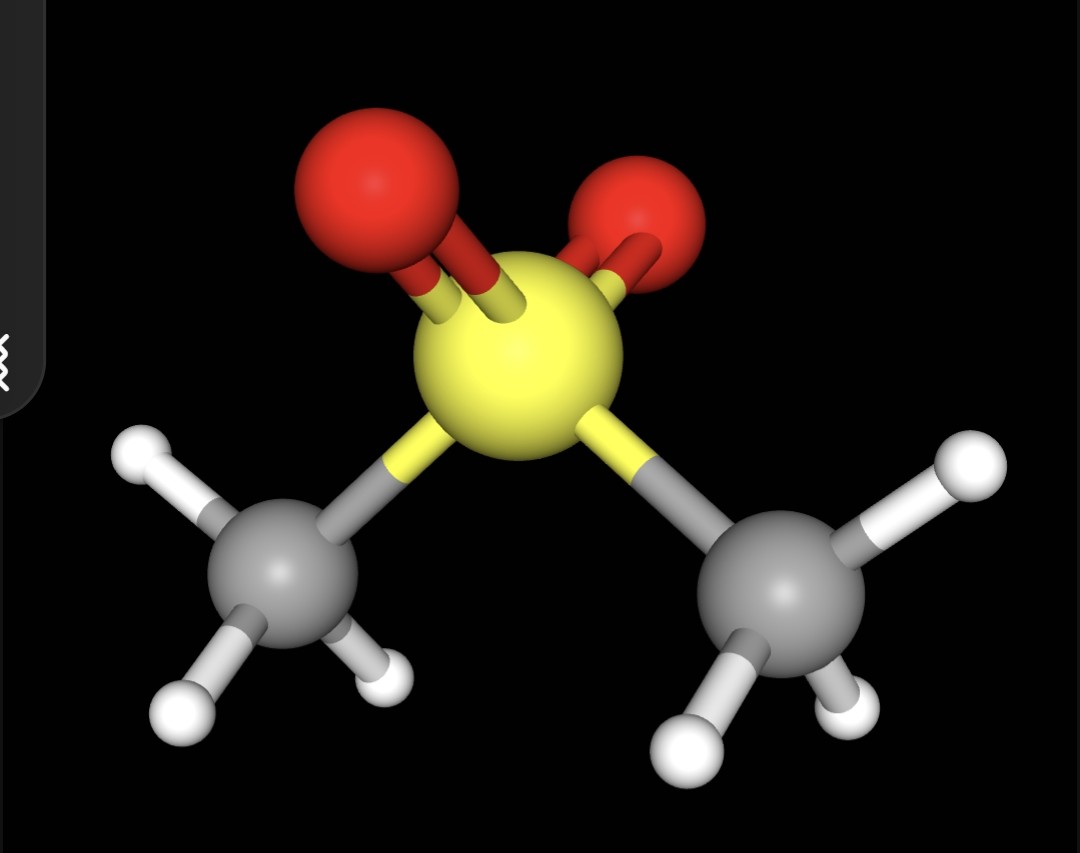
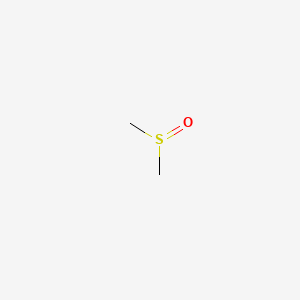
DMSO
Ascorbate
Magnesium
Sea Salt
..
Castor
DMSO
Betaine HCL
Glycerol
Glycine
Magnesium Chloride
Vitamin C
..
all the Nitrogen & Sulfur combinations seem to require MG2+ "Magnesium" to function correctly.
Thiamine
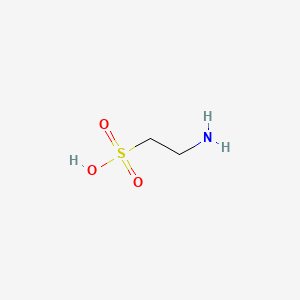
Taurine
Cysteine
Methionine
Methylene Blue
Fenbendazole
NAC
SAM-e
Glutathione
..
Molecular Motors
Cellular Rotation
F0 F1 Synthase
Proton Hydrogen
Magnesium Ion
NAD ATP DNA
..
Sulfur Toxicity
Hyperhomocysteinemia
Cysteine
Phosphorus Toxicity
Choline
Trimethylaminuria
Nitrogen Toxicity
[Sulfur Toxicity]
Hyperhomocysteinemia
Methyl-Hydrogen-Folate
MTHFR
Methionine
Histamine
Homocysteine
Cysteine
Choline
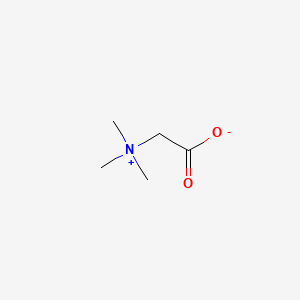
Betaine
Methylamine
Trimethylamine
Trimethylaminuria
[Nitrogen Toxicity]
TMAO
TMAU
Acetaldehyde Dehydrogenase
Fomepizole (Nitrogen)
Disulfiram (Sulfur)
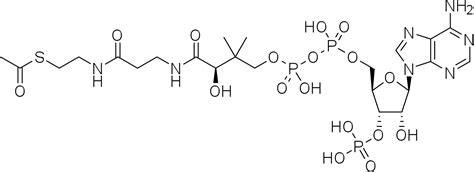
Acetyl-CoA
N-Acyl Amide Acetyl Amine Amino Acid
Aldehyde
Acetaldehyde
Histamine
Homocysteine
..
pH Alkaline
Detox
Bath Salts
Baking Soda
Epsom Salt
Sodium Bicarbonate Magnesium Sulfate
..
Olive Oil (95%)
DMSO (4%)
Magnesium Chloride
Potassium Citrate
Citric Acid
Pine Terpinene
Vinegar
Honey
Gluconate
Dextran
Carbanion
Caramelization
Decarboxylation
..
Fenbendazole
Castor Oil
Pine Terpinene
NAC
Niacin
TMG
MSM/DMSO
Quercetin
Magnesium Chloride
..
Sodium Sulfate
Vs
Sodium Sulfide
https://en.m.wikipedia.org/wiki/Sodium_sulfate
https://en.m.wikipedia.org/wiki/Sodium_sulfide
https://en.m.wikipedia.org/wiki/Sodium_citrate
https://en.m.wikipedia.org/wiki/Chondroitin_sulfate
https://en.m.wikipedia.org/wiki/Dodecanol
https://en.m.wikipedia.org/wiki/Sodium_dodecyl_sulfate
https://en.m.wikipedia.org/wiki/Thrombocytopenia
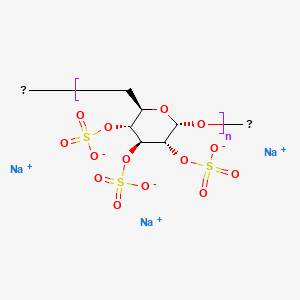
https://en.m.wikipedia.org/wiki/Dextran_sulphate_sodium
..
DSS
Dextran Sodium Sulfate
Colitis
Thrombocytopenia
Familial Alopecia
https://en.m.wikipedia.org/wiki/Thrombocytopenia
Coagulation Disorder
Low levels of platelets (thrombocytes) in the blood.
Bone marrow not making enough platelets, body destroying platelets, spleen holding too many platelets.
..
Small Cell Lung Cancer Presenting as Severe Thrombocytopenia and Refractory Hypokalemia
https://pmc.ncbi.nlm.nih.gov/articles/PMC4052468/
platelet count had dropped with mild pain in extremities. Serum potassium was low.
..
might have figured this DSS puzzle out, all of the negative side effects Sodium causes in the tests, Potassium reverses them.
so by doing the exact same thing but swapping buffered 7 pH Potassium Citrate instead of high Alkaline Sodium.
this may bind up HIV & also heal the body.
..
DSS
Dextran Sodium Sulfate
Negatively Charged
Alkaline
Electrophilic Compound
Carboxylic Acid
Positively Charged
Acidic
https://pubchem.ncbi.nlm.nih.gov/compound/Dextran-Sulfate-Sodium
Dextran Sulfate Sodium Salt: A Game-Changer in Antiviral Research
https://www.losanglesnewswire.com/dextran-sulfate-sodium-salt-a-game-changer-in-antiviral-research
Unveiling Colitis: A Journey through the Dextran Sodium Sulfate-induced Model
https://pmc.ncbi.nlm.nih.gov/articles/PMC11063560/
The Alleviation of Dextran Sulfate Sodium (DSS)-Induced Colitis Correlate with the logP Values of Food-Derived Electrophilic Compounds
https://pmc.ncbi.nlm.nih.gov/articles/PMC9774124/
Lithospermic acid alleviates oxidative stress and inflammation in DSS-induced colitis through Nrf2
https://www.sciencedirect.com/science/article/abs/pii/S001429992500144X
..
dextran sulphate owes its anti-HIV-1 activity mainly to inhibition of virus binding to its target cells. The anti-HIV-1 activity of dextran sulphate is highly dependent on its sulphate content.
..
Gluconate
Gluconic Acid
C6H12O7
Dextran
Alpha Glucan
C18H32O16
..
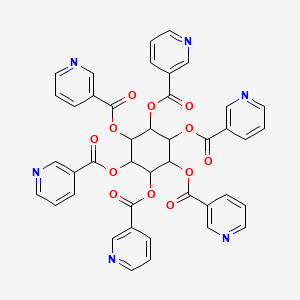
IHN
Inositol Hexanicotinate
MSM
Methylsulfonylmethane
NAC
N-Acetyl Cysteine
Vitamin C (Buffered)
Ascorbate Potassium
..
The Biomedical Uses of Inositols: A Nutraceutical Approach to Metabolic Dysfunction in Aging and Neurodegenerative Diseases
https://pmc.ncbi.nlm.nih.gov/articles/PMC7554709/
..
Redox Rhythms
Biorhythm Reset
Intercellular Homeostasis
Inositol (Sugar)
Hexanicotinate Nicotinate (Nitrogen)
MSM (Sulfur)
Potassium Citrate
found the combination that works best for all my random problems.
Inositol Hexanicotinate
Methylsulfonylmethane
its like a wave of cool ocean wind, amazing.
Grapefruit Juice
Potassium Citrate
to break up any Calcification or excess Sodium in mitochondria.
it appears to be the combination to unlock Coenzyme-A, that is disrupted by toxins & pesticides.
rain water has both Nitrogen & Sulfur drawn up from the ocean, and the right amout of Oxygen to make it perfect.
nobody knows about this and the connection to Coenzyme-A, and it looks identical to NAC N-Acetyl Cysteine, except NAC dosnt have the same calming effect.
once Coenzyme-A is unlocked, all the poisons fall out almost instantly.
Chelation Therapy seem to always drop the toxic load across the entire body, requiring lots of perfectly timed medication?
what ive noticed is one capsule each of MSM & IHN, both white powders, and urine comes out dark, totally chelated out toxins.
IHN releases Niacin for 12 hours, Methylated Niacin.
Inositol Nicotinate, Non-flush Niacin, Inositol is a Methyl Doner.
Niacin needs a Methyl Doner as a buffer, and Sulfate to metabolize toxic sludge, pesticides ect..
Methylated Niacin & MSM
Methyl Donor
Methylation
Osmolyte
Inositol
Betaine
i didnt ever make that connection, all of the years learning, it never occurred to me.
Methylated Niacin
Buffered Niacin
thats crazy, all this time fiddling with Betaine, and Inositol is basically a Osmolyte & Methyl.
and the only difference between this & Methylene Blue is the blue part is Chloride folding a Polyphenol into a specific spectrum.
the non-flush Inositol Niacin is totally under reported, almost no significant documented test results, it normally feels like nothing is happening at all, until the MSM is applied.
and it only takes a single capsule of each, for 12 hours of metabolic movements.
Niacin needs a Methyl Doner as a buffer, and Sulfate, to metabolize toxic sludge, pesticides ect..
Methylated Niacin
Buffered Niacin
Betaine and Inositol basically a Osmolyte & Methyl.
Niacin is required break down Formaldehyde.
Aldehyde
Acetaldehyde
Formaldehyde
Acetaldehyde Dehydrogenase
Niacin with MSM (Sulfate) helps make Coenzyme-A (CoA) for Glutathione & Redox.
add some good minerals to that breaks up kidney & liver sludge.
Potassium Citrate
Magnesium Citrate
Calcium Citrate
Sodium Bicarbonate
..
Reversing Chronic Kidney Disease with Niacin and Sodium Bicarbonate
https://www.orthomolecular.org/resources/omns/v17n22.shtml
Niacin Was, Is, and Always will be Essential to Life and the Prevention of Cardiovascular Disease
https://www.orthomolecular.org/resources/omns/v20n03.shtml
..
GPR109A
Niacin Receptor 1 (NIACR1)
Hydroxycarboxylic Acid Receptor 2
https://en.m.wikipedia.org/wiki/Hydroxycarboxylic_acid_receptor_2
Butyric Acid
https://en.m.wikipedia.org/wiki/Butyric_acid
..
Nicotinic Acid Decarboxylation
https://chempedia.info/info/nicotinic_acid_decarboxylation/
..
apparently stomach acids get weak as we get older, Hydrogen Chloride HCL needs to be higher to metabolize Magnesium into MG2+ & split water molecules into free Hydrogen, for the Proton Pumps to pumup out MG2+ at 400 cycles a second, that makes NAD & ATP for cellular energy.
all the medications that really get down & kill cancers & parasites use the Nitrogen Sulfur combo, and thats what breaks down carbohydrates into energy via Coenzyme-A.
problem is for that to even happen seems to requires Magnesium to do anything for NAD & ATP cellular metabolism.
so my take is Magnesium is step one, Nitrogen Sulfur is like step ten.
Magnesium blood tests are inaccurate, and is difficult to get into the cells with the correct ion state MG2+, so it needs a binder component like amino acids or Vitamin C.
then Magnesium flips Triglycerides & LGL into HDL (good Cholesterol), then converts into Hormones, Steroids & Myelin.
..
Methylene Blue
Potential side effects include headache, diarrhea, and low potassium and magnesium levels.
Warning in patients with G6PD deficiency and those taking medications that affect serotonin levels.
Magnesium acts as a cofactor for tryptophan hydroxylase, an enzyme involved in serotonin synthesis. It also plays a role in serotonin receptor binding.
Magnesium is involved in regulating other important neurotransmitters like GABA (inhibitory) and glutamate (excitatory). It helps regulate their release and interacts with NMDA receptors.
Potassium, Magnesium, and Calcium is associated with a reduced risk of stroke.
..
anything to do with Nitrogen & Sulfur requires extra Magnesium & Potassium.
oil based vitamins (ADEK) require Magnesium & Potassium to form good cholesterol like Myelin.
Molecular Motors, Cellular Rotation & Proton Pumps that form NAD ATP DNA, require Magnesium & Potassium Ions.
magnesium naturally fixes Potassium deficiency.
..
Myelin Myelitis refers to inflammation of the spinal cord that damages the myelin sheath, a protective covering of nerve fibers.
..
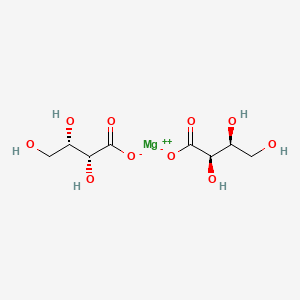
Magnesium L-Threonate
Magnesium L-threonate is a magnesium salt of L-threonic acid having the formula Mg(C4H7O5)2.
Threonic acid is a sugar acid derived from threose. The l-isomer is a metabolite of ascorbic acid (vitamin C).
..
Magnesium regulates activity of the renal outer medullary potassium (ROMK) channel. Intracellular magnesium is inversely proportional to the open ROMK channel pore. Therefore low intracellular magnesium causes more ROMK channels to open, allowing more K+ efflux into the urine.
Magnesium's Role in Retinol Metabolism: Magnesium is required for the activation of enzymes involved in vitamin A metabolism. This suggests that adequate magnesium levels are necessary for optimal vitamin A function.
Magnesium deficiency can lead to an accumulation of nitrogen in the form of nitrates and amides, rather than their incorporation into proteins.
..
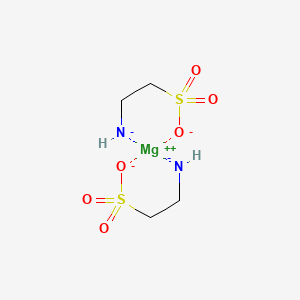
Magnesium Taurinate
Taurinate = NAC
Threonate = Ascorbate
https://pubchem.ncbi.nlm.nih.gov/compound/Magnesium-taurinate
..
Synergistic Protection of N-Acetylcysteine and Ascorbic Acid 2-Phosphate on Human Mesenchymal Stem cells Against Mitoptosis, Necroptosis and Apoptosis
https://www.nature.com/articles/srep09819
The Role of Oral Ascorbic Acid Administration in Combination With IV N-acetylcysteine in Delaying Inflammatory Cascade in Sepsis: A Case Report
https://www.cureus.com/articles/199550-the-role-of-oral-ascorbic-acid-administration-in-combination-with-iv-n-acetylcysteine-in-delaying-inflammatory-cascade-in-sepsis-a-case-report#!/
..
L-Ascorbic Acid 2-Phosphate Magnesium Salt Hydrate
Magnesium Ascorbyl Phosphate (MAP)
N-Acetylcysteine
..
Oxymel
Honeygar
D.C. Jarvis
DeForest Clinton Jarvis
Vinegar and honey are often combined, either in a drink called an "oxymel" or in homemade skincare remedies.
A traditional herbal remedy, Greek for "acid and honey" (oxy-meli), made by infusing herbs in honey and vinegar.
Ancient Honey-and-Vinegar Combo Could Actually Treat Infected Wounds
https://www.scientificamerican.com/article/ancient-honey-and-vinegar-combo-could-actually-treat-infected-wounds/
..
Persian Sekanjabin
How to make the drink
Make the syrup: Simmer honey/sugar, water, and vinegar until syrupy. Add mint, let it steep, then strain and cool.
Mix the drink: Combine the cooled syrup with cold water to taste.
Garnish: Add grated cucumber and fresh mint leaves.
..
Molecular hydrogen (H2) gas is produced through the reaction of calcium and magnesium with water or acidic environments, such as hydrochloric acid (HCl), often in the context of dietary supplements designed to provide antioxidant benefits. Betaine HCl is used to supplement low stomach acid, creating a similar acidic environment that can produce hydrogen H2.
Molecular hydrogen: a preventive and therapeutic medical gas for various diseases
https://pmc.ncbi.nlm.nih.gov/articles/PMC5731988/
..
John McAfee
I'm 74. How do I survive 2 quarts of whiskey and 3 packs of unfiltered cigarettes every day?
Because I also take 3,000 mg of N-Acetyl-L-Cysteine, inject 5,000 mcg. of Cyanicobalamin and take massive amounts of milk thistle extract, magnesium, calcium and thiamine daily.
Vitamin C and MSM (Methylsulfonylmethane) taken together mimic NAC (N-acetylcysteine) and Thiamine (B1) by creating a powerful, synergistic partnership that drives glutathione synthesis, reduces oxidative stress, and manages cellular metabolism, similar to the roles played by NAC and B1.
..
Applying castor oil to the belly button, known in Ayurveda as Nabhi Purana or "navel oiling," is a traditional practice believed to stimulate the vagus nerve
..
The classification of amino acids into L and D isomers is based on the spatial arrangement of the amino group around the alpha-carbon, which determines their biological roles, susceptibility to enzymatic degradation, and interactions within proteins.
While L-amino acids are the building blocks of proteins in eukaryotes, D-amino acids are found in bacterial cell walls, specialized signaling molecules, and some food products, often influencing protein folding and stability.
They are often distinguished by their optical rotation of polarized light.
Biological Synthesis: Ribosomal synthesis only uses L-amino acids, while D-amino acids can be produced by racemases.
Environment Influence (Racemization): High pH, high temperature, or specific food processing methods can turn L-amino acids into D-amino acids.
Differentiating Sulfur Compounds
Sulfa Drugs, Glucosamine Sulfate, Sulfur, and Sulfiting Agents
http://www.itmonline.org/arts/sulfa.htm
The Down Side to High Oxalates – Problems with Sulfate, B6, Gut, and Methylation
https://www.beyondmthfr.com/side-high-oxalates-problems-sulfate-b6-gut-methylation/
Oxalates could be the reason for your inflammation
https://nutritionalhealingworks.com/oxalates/
KIDNEY STONE TYPES
https://kidneystones.uchicago.edu/2014/06/20/kidney-stone-types/
Nutritional Management of Kidney Stones (Nephrolithiasis)
https://pmc.ncbi.nlm.nih.gov/articles/PMC4525130/
Oxalate
Histamine
Salicylate
Sulfate (MSM)
Oxalates and Chronic Disease
https://price-pottenger.org/journal_article/oxalates-and-chronic-disease/
Magnesium as a new player in CKD: too little is as bad as too much?
https://www.kidney-international.org/article/S0085-2538(17)30460-X/fulltext
Oral Magnesium Supplementation in Chronic Kidney Disease Stages 3 and 4
https://pmc.ncbi.nlm.nih.gov/articles/PMC5678662/
Sulfate V: An Introduction To Oxalate Toxicity & Gut Dysbiosis
https://www.eonutrition.co.uk/post/sulfate-v-an-introduction-to-oxalate-toxicity-gut-dysbiosis
..
just seems like the very exact ingredients dont require very much to do a lot, so slamming random supliments is not the correct direction.
something is blocked, and the remedy is just to unblock something, and a little goes a long way.
it also has to do with Melatonin & Serotonin metabolism, it an important part.
i did a pretty effective test using NAC, because it so close to the general formula that seems to work best, except for the single Nitrogen, found that excess NAC seems to trigger a Histamine reaction.
the best seems to be ..
MSM (Sulfate)
Citric (or Vitamin C)
Quercetin (Polyphenol)
Magnesium
Potassium
Calcium
Epsom Salt is so close to the correct formula, Magnesium & Sulfur (MSM).
but need Potassium & Citrate
bypassing any need for a Nitrogen, is what it appears, just needs a Citric to activate the MSM.
MSM & Minerals without Citric Acid makes skin dry from excess Alkali, so apparently skin needs to be at Ph of 5 (acidic), requiring Citric acid.
All plants vegetation & all animal protein & blood are loaded with Nitrogen, B-Vitamins are Nitrogen ect..
beginning to suspect B-Vitamin formation & metabolism is completely dependent upon MSM Sulphur & Citric Acid Cycle, along with Magnesium & Potassium for enzyme formation.
all of these ingredients together, they are from Trees & the Ocean.
its like the medicine is all in a tree, after removing the Nitrogen, and Coral Reef Calcium, its got all the elements in it.
pathogenic microbes are slowly killing us, but cant be fixed by "fight fire with fire" approach.
all meat & vegetables are already loaded with Nitrogen, our blood is basically Nitrogen, so the next conclusion is to convert excess Nitrogen into cellular metabolites by using things like Sulfate & Magnesium.
MSM, Citrate, Magnesium, Potassium, Quercetin ect.. appear to make latent Nitrogen already in the body more bio-available for mitochondria, and allowing the body immunity to kill off pathogens naturally?
tried a few different ways to make MSM or DMSO combine with oil, some old recipes said to put it in the sun for a few weeks, like sun tea.
acupuncturist just cooks it in directly, the Sulfur from onion & garlic, along with the apple Sugars carmalized into an oil based polyphenol.
tested DMSO Magnesium/Potassium Oil.
made my skin dry at Ph-8, discovered skin Ph-5, needs acidic.
Sulfur Citric give the good acid boost.
NAC is good for athletes & lung support.
what ive found is NAC has that one Nitrogen element, triggers my Histamine with daily dose.
NAC replacement is Citric & MSM, replaced without the Nitrogen.
for whatever reason the Vinegar Citric activates the Sulfur MSM/DMSO.
MSM is responsible for breaking up all of the toxic acid plaques.
Oxalate
Creatinine
Histamine
Salicylate
Quercetin & Bromelain seem to work well with MSM, break up plaque & Histamine.
found a clue that Sulfate deficiency is the very first cause to trigger Amyloid Plaque.
MSM activation does seem to require a Citric-like acid, Vinegar or Vitamin C may be capable of filling this role, Magnesium & Potassium help enzyme operate breaking down toxic acids.
MSM repairs Gut lining, Gout, Kidney Stones & Gallstones.
just a suspension, MSM seems to replace B-Vitamins synthesis by converting excess Nitrogen into intracellular ATP, cell food.
..
MSM powder in juice or just the capsules, seems tp work best with Citrus.
what caught my attention is how it fixes Cholesterol, Vitamin D & converts excess Nitrogen into Nitric Oxide.
Sunlight may be part of the process, possibly even Red Light or Sauna may do the same thing.
MSM & Citric is helping a lot of things, but wont blend with oil.
So by taking the MSM & Getting sun, red lamp or sauna may be enough.
kind of leans into the idea a few months ago, DMSO or MSM in Olive Oil & Citric, in a glass bottle in thw sun, like a sun tea, the idea is that it would somehow convert the Oil into something similar to activated Vitamin D, but never got around to it.
one of these days, the reason was because the Sulfur wont blend with Oil, it seperates, so the sunlight would maybe fix that.
the original idea for B Vitamins to make Nitric Oxide, but apparently requires sunlight, and we already have plenty of Nitrogen in our blood already, so Sulfur & Sunlight.
still testing MSM & DMSO, so apparently Coenzyme-A requires a high pH to function, baking soda is feeling pretty good lately, always worried about the Sodium levels, but it dosnt seem to be a problem.
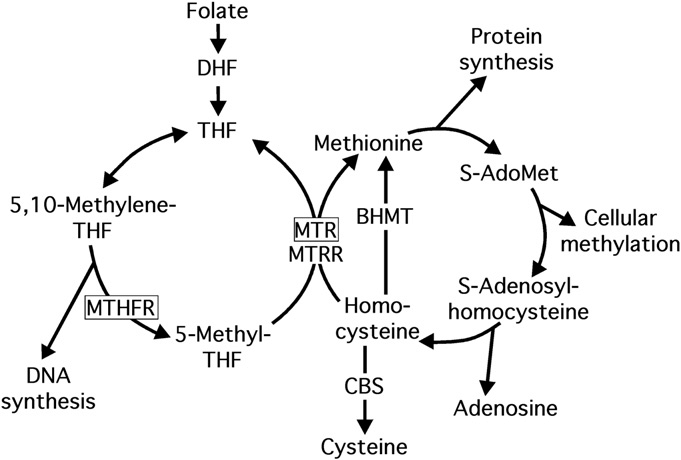
[IMAGE: https://images.hive.blog/DQmXyes12kLSL97Y4kyjenxNCkENUAJ5dYpCG4fdUSZm6DA/The-folate-and-methionine-cycles-are-interconnected-and-are-required-for-many-cellular-73012275.ppm.png]
[IMAGE: https://images.hive.blog/DQmQEeaXWrrzpgWWh3xxAUWj5EoJvA6D4a1xPwHeDZNRqcD/nihms851187f1.jpg]
Redox
Chelation
Enzyme
Metabolism
Detoxify
OCM
One-Carbon Metabolism
Coenzyme-A
Nitrogen
Redox
Enzyme
Folate
Serine
Folate Cycle
Methionine Cycle
Regulatory mechanisms of one-carbon metabolism enzymes
https://www.sciencedirect.com/science/article/pii/S0021925823024857
..
Folate
C19H19N7O6
NAC
C5H9NO3S
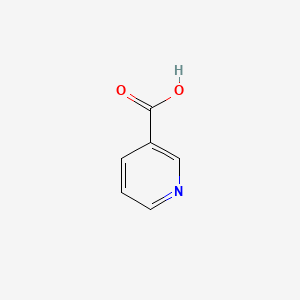
Niacin
C6H5NO2
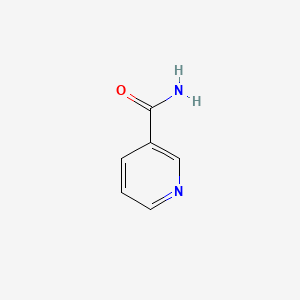
Niacinamide
C6H6N2O
Inositol Niacinate
C42H30N6O12
Nicotinate
C6H4NO2
Inositol
C6H12O6
Dimethyl Sulfone
C2H6O2S
..
Melanins (good)
C18H10N2O4
Melatonin (good)
C13H16N2O2
Tryptophan
C11H12N2O2
Serotonin
C10H12N2O
Indoxyl Sulfate (Indican)
C8H7NO4S
Indoxyl Glucuronide
C14H15NO7
Indoxyl-Beta-D-Glucoside
C14H17NO6
..
A Mathematical Model of the Folate Cycle
NEW INSIGHTS INTO FOLATE HOMEOSTASIS
https://www.jbc.org/article/S0021-9258(18)66253-2/fulltext
5-methyltetrahydrofolate (the “methyl trap”), high homocysteine concentrations.
Toxic Medications
Methotrexate
https://en.m.wikipedia.org/wiki/Methotrexate
..
Overmethylation and Undermethylation: Case Study
https://mthfr.net/overmethylation-and-undermethylation-case-study/2012/06/27/
Methyl-Free vs. Methylated: Do you Need a Non-Methylated Supplement?
https://support.seekinghealth.com/en-US/methyl-free-vs-methylated-do-you-need-a-non-methylated-supplement-996460
Creatine and Creatinine Metabolism
https://journals.physiology.org/doi/full/10.1152/physrev.2000.80.3.1107
Creatine
Creatinine
Indoxyl Sulfate
How the use of creatine supplements can elevate serum creatinine in the absence of underlying kidney pathology
https://pmc.ncbi.nlm.nih.gov/articles/PMC4170516/
..
Methyl Doner
Methylation
Methylfolate
Methylcobalamin
The Biomedical Uses of Inositols: A Nutraceutical Approach to Metabolic Dysfunction in Aging and Neurodegenerative Diseases
https://pmc.ncbi.nlm.nih.gov/articles/PMC7554709/
..
Uremic Toxins
Uremic Salts
Indoxyl Sulfate
https://en.m.wikipedia.org/wiki/Indoxyl_sulfate
Redefining Roles: A Paradigm Shift in Tryptophan–Kynurenine Metabolism for Innovative Clinical Applications
https://www.mdpi.com/1422-0067/25/23/12767
..
Stem Cell Regeneration
Aloe Macroclada
Blue Green Algae
Kidney
..
Stem Cell
Coenzyme-A
Histone Crotonylation
N-acetylcysteine regulates dental follicle stem cell osteogenesis and alveolar bone repair via ROS scavenging
https://stemcellres.biomedcentral.com/articles/10.1186/s13287-022-03161-y
Vitamin C and B3 as New Biomaterials to Alter Intestinal Stem Cells
https://pmc.ncbi.nlm.nih.gov/articles/PMC6626554/
..
Stem Cells
Telomere
Telomerase
Telosome
Shelterin
MSC
Mesenchymal Stem Cells
HGH
Human Growth Hormone
The contribution of growth hormone to mammary neoplasia
https://pmc.ncbi.nlm.nih.gov/articles/PMC2665193/
Niacin in the Central Nervous System: An Update of Biological Aspects and Clinical Applications
https://pmc.ncbi.nlm.nih.gov/articles/PMC6412771/
Niacin Cures Systemic NAD+ Deficiency and Improves Muscle Performance in Adult-Onset Mitochondrial Myopathy
https://www.sciencedirect.com/science/article/pii/S155041312030190X
..
CH3
Methyl Doner
Single/One-Carbon
Osmolyte
..
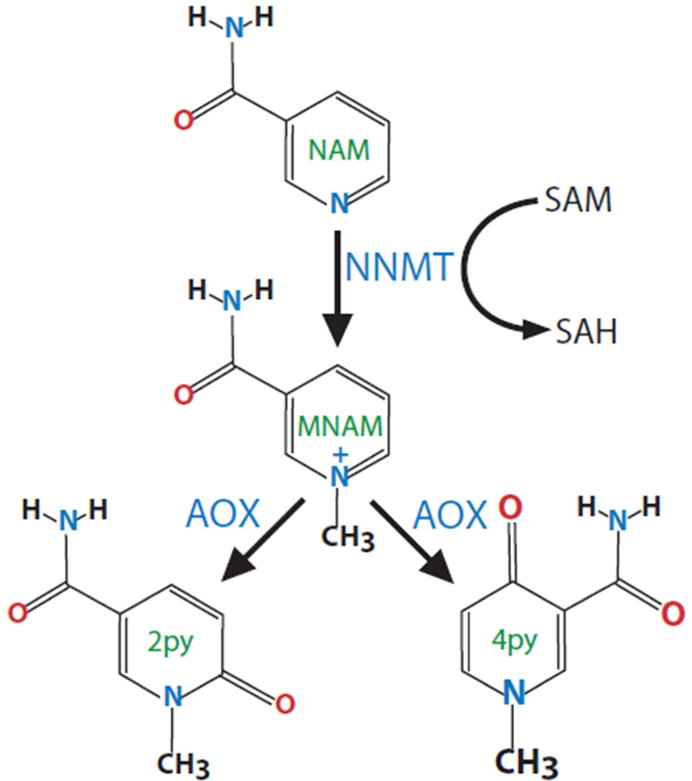
NAM
Methylation
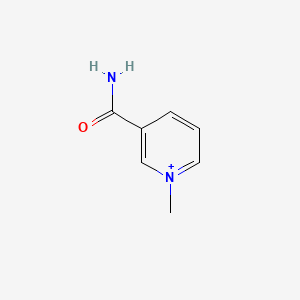
Nicotinamide
Methylnicotinamide
MNA
2PY 4PY
Pyridone
Indoxyl Sulfate
Inositol
Hexanicotinate Niacinate
The Biochemical Pathways of Nicotinamide-Derived Pyridones
https://pmc.ncbi.nlm.nih.gov/articles/PMC7866226/
The significance of NAD + metabolites and nicotinamide N-methyltransferase in chronic kidney disease
https://www.sciencedirect.com/science/article/abs/pii/S0168365922008732
Delivery of nitric oxide with a pH-responsive nanocarrier for the treatment of renal fibrosis
https://www.nature.com/articles/s41598-022-10476-6
Nicotinamide N-methyltransferase: more than a vitamin B3 clearance enzyme
https://pmc.ncbi.nlm.nih.gov/articles/PMC5446048/
An unusual nicotinamide derivative, 4-pyridone-3-carboxamide ribonucleoside (4PYR), is a novel endothelial toxin and oncometabolite
https://www.nature.com/articles/s12276-021-00669-w
Synthesis, Detection, and Metabolism of Pyridone Ribosides, Products of NAD Overoxidation
https://pubs.acs.org/doi/10.1021/acs.chemrestox.3c00264
..
GPR109A
Niacin Receptor 1 (NIACR1)
Hydroxycarboxylic Acid Receptor 2
https://en.m.wikipedia.org/wiki/Hydroxycarboxylic_acid_receptor_2
Butyric Acid
https://en.m.wikipedia.org/wiki/Butyric_acid
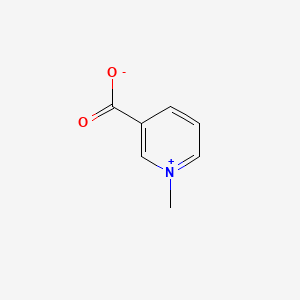
Trigonelline
Methylated Niacin
https://en.m.wikipedia.org/wiki/Trigonelline
..
Niacin
Nicotinic
NAD
ATP
pH Alkaline 7
Enzyme Reactions
Cell Life Versus Cell Longevity: The Mysteries Surrounding the NAD+ Precursor Nicotinamide
https://pmc.ncbi.nlm.nih.gov/articles/PMC2248696/
..
Nitrogen into Nitric Oxide requires a Ph 7 to activate enzymes.
Nician triggering enzyme reactions at more alkaline ph 7, makes mitochondria ATP & NAD, breaks up toxic acid buildup.
Inositol Niacin buffered with a Methyl Carbon & pinch of Electrolyte Citrate-Buffered Minerals & Bicarbonate.
DMSO/MSM helps with the coenzyme & metabolism, but needs much less then Niacin.
trying to see if niacin contributions to many different things, and why.
because Niacin Inositol is buffered with a Methyl, making it have both Methyl Doner & Nitrogen Doner.
making it very similar to the Nitrogen that comes in rain water, exactly like DMSO/MSM as a Sulfur Doner, in the most natrual form.
the Nitrogen in the simplest form is doing is a Heterocycle scaffolding linking Methyl Carbon lattice assembly into DNA & muscles.
apparently its the Nitrogen with Carbon that builds the framework of the body tissues.
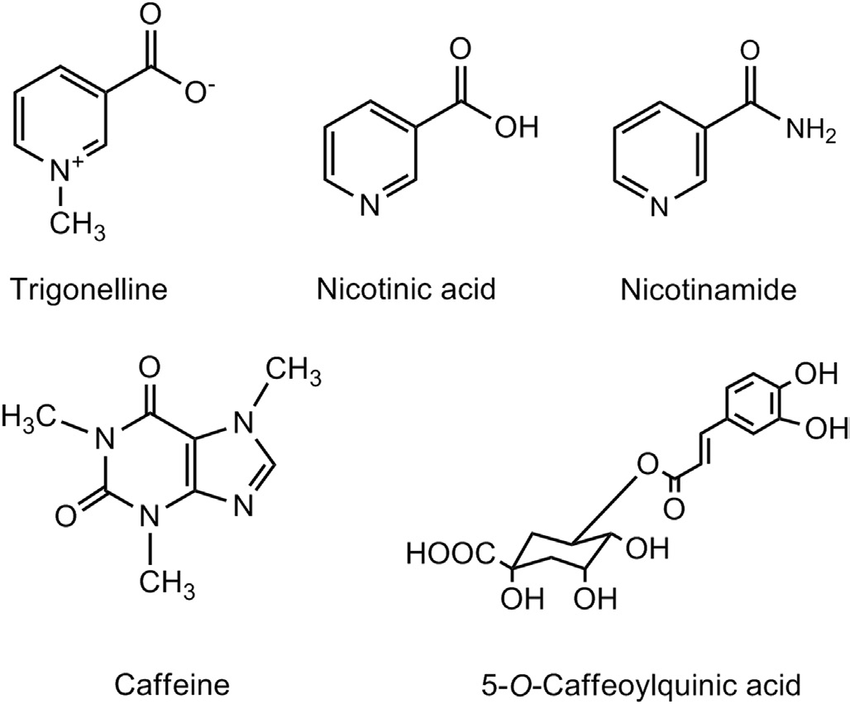
Trigonelline is Methylated Niacin, found in Fenugreek & Coffee bean.
it appears almost identical to the Niacin Inositol, excess Niacin is converted into Trigonelline.
Trigonelline reverses Sarcopenia (muscle loss).
Niacin is the smallest vitamin & most effective Nitrogen N-Donor, and just needs a CH3 Methyl attached & its basically Trigonelline.
..
Honey 70%
Castor 10%
Niacin 5%
MSM 5%
Citrus 5%
Minerals 5%
apparently health all to do with Amino Acids, instead of supplementing 20 different amino acid powders, hotrod honey to duplicate them.
its very complex biology & chemistry, but apparently its all about Amino, and not in the way science explains it, they totally missed something & its very difficult to explain.
the reason Niacin both helps & makes worse, is because its not buffered correctly, and eventually just make more inflammation.
it literally needs to be buffered onto exactly what the healthy cell wants.
the Ph significantly changes how the Nitrogen of Niacin reacts, acidic is hot flushing, alkaline is cooling calming.
but this does not apply to raw supliments in pill or powder, it seems needs this foaming reaction with the honey & MSM.
last night & this morning, what is usually a kind of slow flushing feeling threw out the day, is now a cooling & calm effect.
this was a success in transforming the flush into something that feels like its actually doing something good.
i really hate Niacin fluch, always have, but keep pushing along regardless, because something kept nagging me to power on.
Niacin is documented to be drastically altered with high Ph, and its true.
the honey was giving me a few unusual feeling symptoms, then it occured to me to match up with the target ..
nicotinamide riboside nad overdose symptoms
its identical, the side effects are a positive confirmation, on the correct path.
..
the idea that Niacin can act as a Nitrogen Donor, in the same way Betaine acts a Methyl & Glycine Donor for proto-Amino Acids, along with DMSO for Coenzyme-A & Glutathione, plus the addition of Glucose from Honey to build all the levels of Amino Acids into Protein.
the idea is to use something like Niacin just as a Nitrogen source, Betaine CH3 Methyl source replaced by Honey (C) & Oil (H).
making a complete Amino Acid repository for all biological functions.
testing Niacin with Honey, Alkaline & Castor Oil.
i want to see if the Glucose is absolutely required with Nitrogen to manufacture Amino Acids into muscle & energy metabolism.
how i figured it out was just Niacin alone knocked out my Methyl, so then tried using MSM/DMSO to Dimethyl Sulfate to replace the missing Methyl, but then that knocked out the Nitrogen from the Niacin, ultimately both are needed but a Glucose or Sugar is required to maintain the Aminos & Protein, with an Oil to make Methyl.
[IMAGE: https://images.hive.blog/DQmUELrsDKgeLqqGM3g8c1e1vPyAtvmCsvPdVMEbgAscsAf/Structure-of-major-secondary-metabolites-and-related-compounds-in-coffee-seeds.png]
[IMAGE: https://images.hive.blog/DQmU4Vg3Sj5toZwZUjp3MDDYuAZoC7K6qEAfnSqCBKvKmVT/cshperspect-MBM-040592_F2.jpg]
Trigonelline
Nicotinate
Methylnicotinate (NM)
Methyltransferase
One-Carbon Group
Transferase
Nicotinate (N)
Sulfate (S)
Methyltransferase
Adenosyl (Adenosine)
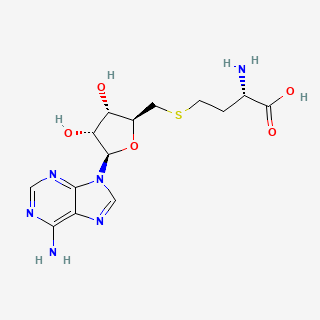
S-Adenosyl Methionine
N-Methyl Nicotinate (NM)
Eicosanoid
Prostaglandin
Nicotinamidase
Nicotinate Phosphoribosyltransferase
Magnesium Dependent
Pyridine Alkaloid
Fenugreek
Coffee Bean
Pumpkin Seed
Nikomet
Prostaglandin Pathway
Prostaglandin D2
Prostaglandin DP2 Receptor
https://pubchem.ncbi.nlm.nih.gov/compound/Methyl-nicotinate
NRF2, a Transcription Factor for Stress Response and Beyond
https://pmc.ncbi.nlm.nih.gov/articles/PMC7369905/
Niacin modulates depressive-like behavior in experimental colitis through GPR109A-dependent mechanisms
https://www.sciencedirect.com/science/article/abs/pii/S0024320523006392
Recent Developments and Challenges in the Enzymatic Formation of Nitrogen–Nitrogen Bonds
https://pubs.acs.org/doi/10.1021/acscatal.4c05268
compounds containing N–N bonds, mainly aromatic or nonaromatic heterocycles, because of their diverse range of antiviral, antibacterial, antimalarial and anticancer activities.
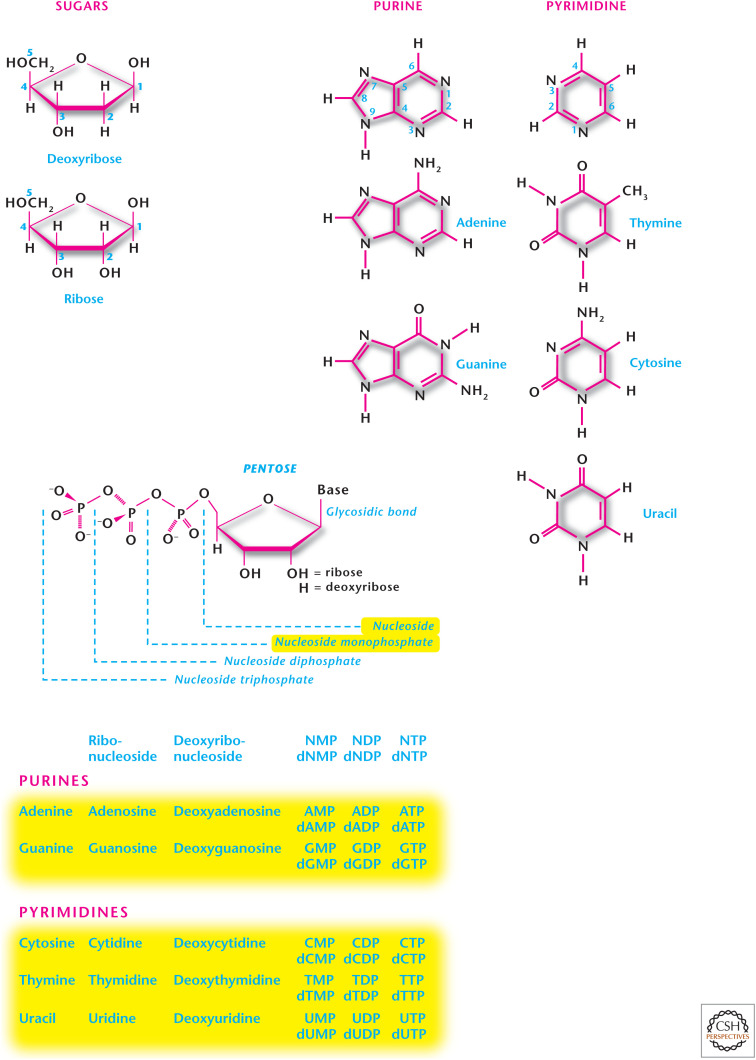
Nucleotide Metabolism
https://pmc.ncbi.nlm.nih.gov/articles/PMC8247561/
There are two kinds of nitrogen-containing bases: purines and pyrimidines.
The chemistry of the vitamin B3 metabolome
https://pmc.ncbi.nlm.nih.gov/articles/PMC6411094/
Upon high NA intake, excess NA is converted to nicotinuric acid, in phase 2 metabolic process conjugated to glycine.
Trigonelline is N-methyl nicotinic acid, a catabolite found in tissues but less often measured and for which the physiological properties remain unexplored.
Trigonelline reverses high glucose-induced proliferation, fibrosis of mesangial cells via modulation of Wnt signaling pathway
https://pmc.ncbi.nlm.nih.gov/articles/PMC8827266/
Defining NAD(P)(H) Catabolism
https://www.mdpi.com/2072-6643/15/13/3064
Trigonelline is an NAD+ precursor that improves muscle function during ageing and is reduced in human sarcopenia
https://www.nature.com/articles/s42255-024-00997-x
Niacin Cures Systemic NAD+ Deficiency and Improves Muscle Performance in Adult-Onset Mitochondrial Myopathy
https://www.cell.com/cell-metabolism/fulltext/S1550-4131(20)30190-X
Trigonelline
https://pubchem.ncbi.nlm.nih.gov/compound/Trigonelline
Nicotine
https://pubchem.ncbi.nlm.nih.gov/compound/3-%281-methylpyrrolidin-2-yl%29pyridine
Trigonelline and related nicotinic acid metabolites
https://link.springer.com/article/10.1007/s11101-014-9375-z
Trigonelline prevents kidney stone formation processes by inhibiting calcium oxalate crystallization, growth and crystal-cell adhesion, and downregulating crystal receptors
https://pubmed.ncbi.nlm.nih.gov/35367760/
Overview to Pyridine Nucleotides
https://pmc.ncbi.nlm.nih.gov/articles/PMC3523884/
The power to reduce: pyridine nucleotides – small molecules with a multitude of functions
https://pmc.ncbi.nlm.nih.gov/articles/PMC1798440/
Pyridinecarboxylic Acid
https://en.m.wikipedia.org/wiki/Pyridinecarboxylic_acid
Methyltransferase
https://en.m.wikipedia.org/wiki/Methyltransferase
Nicotinate N Methyltransferase
https://en.m.wikipedia.org/wiki/Nicotinate_N-methyltransferase
Acetylserotonin Methyltransferase (ASMT)
https://en.m.wikipedia.org/wiki/Acetylserotonin_O-methyltransferase
Xanthine
https://en.m.wikipedia.org/wiki/Xanthine
..
When NAD+ picks up 2 hydrogen electrons it makes NADH. NADH has a special role generating ATP (energy) through the oxidation of food molecules.
NADH is a coenzyme involved in the manufacture of energy in the Krebs or citric acid cycle. NADH is an important electron carrier. Niacin (nicotinic acid) is converted to nicotinamide (niacinamide), which is converted in the body to NAD. When NAD+ picks up 2 hydrogen electrons it makes NADH.
..
Elucidation of the trigonelline degradation pathway reveals previously undescribed enzymes and metabolites
https://www.pnas.org/doi/10.1073/pnas.1722368115
Enhanced accumulation of trigonelline by elicitation and osmotic stresses in fenugreek callus culture
https://link.springer.com/article/10.1007/s11240-021-02055-w
Risk Assessment of Trigonelline in Coffee and Coffee By-Products
https://pmc.ncbi.nlm.nih.gov/articles/PMC10146819/
Inhibition of Key Digestive Enzymes Related to Diabetes and Hyperlipidemia and Protection of Liver-Kidney Functions by Trigonelline in Diabetic Rats
https://pmc.ncbi.nlm.nih.gov/articles/PMC3617660/
Trigonelline, a naturally occurring alkaloidal agent protects ultraviolet-B (UV-B) irradiation induced apoptotic cell death in human skin fibroblasts via attenuation of oxidative stress, restoration of cellular calcium homeostasis and prevention of endoplasmic reticulum (ER) stress
https://www.sciencedirect.com/science/article/abs/pii/S1011134419304476
Immunomodulatory effects and potential clinical applications of dimethyl sulfoxide
https://www.sciencedirect.com/science/article/pii/S0171298519303729
Amyloidosis has been treated with DMSO as it breaks down amyloid fibres into small subunits which are then excreted in the urine
A Novel N-Methyltransferase in Arabidopsis Appears to Feed a Conserved Pathway for Nicotinate Detoxification
https://academic.oup.com/plphys/article/174/3/1492/6117425?login=false
..
nicotinate N-methyltransferase (EC 2.1.1.7) is an enzyme that catalyzes the chemical reaction
two substrates of this enzyme are S-adenosyl methionine and nicotinate, whereas its two products are S-adenosylhomocysteine and N-methylnicotinate.
This enzyme belongs to the family of transferases, specifically those transferring one-carbon group methyltransferases.
Stimulants
Toxicity
xanthine: caffeine, theophylline, and theobromine.
Methylxanthines (methylated xanthines), which include caffeine, aminophylline, IBMX, paraxanthine, pentoxifylline, theobromine, theophylline, and 7-methylxanthine (heteroxanthine).
..
Prostaglandin D2
https://en.m.wikipedia.org/wiki/Prostaglandin_D2
Potential inhibitors of PGD2 synthase:
Acteoside
Amentoflavone
Ricinoleic acid
Rutin
Hinokiflavone
Vitamin K
Vitamin D3
..
methyl-nicotinate and Prostaglandin-D2
methyl-nicotinate has been researched along with Prostaglandin-D2, and Schizophrenia
https://www.chemdatabank.com/lists/compounds/compound-by-topic/methyl-nicotinate-and-Prostaglandin-D2.html
Eicosanoid
Arachidonic Acid
https://en.m.wikipedia.org/wiki/Eicosanoid
[IMAGE: https://images.hive.blog/DQmYFbKCs3VAKJGJuM3WrzPceEmRupcZLKXvUh9UhFubrn6/Schematic_2.jpg]
OSF3 Niosomes
Ketogenesis
Ketone Bodies
Acetate
Citrate
Mitochondria
Acetoacetate
ketones produced from omega-3 fatty acids may reduce cognitive deterioration in old age.
Ketoacidosis is known to occur in untreated type I diabetes (see diabetic ketoacidosis) and in alcoholics after prolonged binge-drinking without intake of sufficient carbohydrates (see alcoholic ketoacidosis).
..
Emulsify
Emulsification
Surfactant
Fats
Oil
Water
Salts
Broth
Emulsification in cooking refers to mixing oil and water-based liquids like broth, where the oil is dispersed into tiny droplets within the water, forming a stable mixture.
Broth:
In broth-based dishes, the fat released during cooking can emulsify with the water, creating a creamy or opaque texture.
Salt's Role:
While salt doesn't directly emulsify, it can influence the stability of an emulsion by affecting the interactions between the oil and water phases.
..
Honey
Olive Oil
Lemon
Squeeze 3-4 lemons and place the juice in a glass jar. Add the honey and the olive oil, and with a wooden spoon mix the ingredients until a smooth blend is obtained. Keep the remedy in the fridge with a lid on the jar.
Pour the oil into a small saucepan and gently heat. Add the honey and slowly stir until the honey and oil are combined. Leave to cool, after which it will thicken. Give it a good whisk to transform it into a thick satiny syrup.
Caramelization of glucose, a chemical process involving sugar breakdown under heat, can impact polyphenol synthesis. This interaction is complex, with studies showing both enhancement and reduction of polyphenol-related reactions.
..
Olive Oil
Olive Leaf
Oleuropein
Oleocanthal
monounsaturated fatty acids MUFA triglyceride glycerol
polyphenol phenol phenylethanoid phenethyl alcohol benzene secoiridoid glycoside hydroxytyrosol elenolic acid glucose glycolipid glucoside
..
Phenolic Compounds in Honey and Their Relationship with Antioxidant Activity, Botanical Origin, and Color
https://pmc.ncbi.nlm.nih.gov/articles/PMC8614671/
..
Peroxiredoxin, a family of enzymes, relies on a key cysteine residue within its active site for its catalytic activity. This cysteine, often referred to as the "peroxidatic cysteine," is crucial for reducing peroxides like hydrogen peroxide (H2O2). The active site cysteine undergoes oxidation by H2O2, forming a sulfenic acid, which is then recycled back to the thiol form, distinguishing the three enzyme classes.
Neutralization of Trace Metals:
During the refining of edible oils, citric acid can be added to neutralize trace metals that can catalyze oxidation reactions.
How Citric Acid and Citrus Essential Oils Combat Lipid Oxidation:
Citric Acid:
Citric acid, found in many citrus fruits, is a natural antioxidant that can scavenge free radicals and inhibit lipid oxidation. It can also enhance the nutritional value of the oil.
Antioxidants:
Antioxidants are reducing agents that play a crucial role in preventing oxidation reactions, especially by neutralizing free radicals. In a redox reaction, antioxidants donate electrons to unstable free radicals, stabilizing them and preventing damage to other molecules. This process makes the antioxidant itself the reducing agent, as it is oxidized by donating electrons.
..
Trihydroxy
Benzoic Acid
Alpha-Glucoside
Diglucosyl
Gallic Acid
Syringic Acid
Quercitannic Acid
Tannin
https://en.m.wikipedia.org/wiki/Syringic_acid
..
Caramelized Glucose
Glucose caramelization products (GCPs), can undergo polyphenol synthesis under specific conditions.
Caramelization can lead to the formation of compounds that exhibit antioxidant activity, often similar to that of polyphenols.
Caramelization products, especially those formed in the presence of amino compounds, can exhibit antioxidant activity, polyphenols and reductones as key components in these products.
While true polyphenols are not necessarily formed directly during caramelization, the resulting compounds often have similar properties to polyphenols, such as radical scavenging activity and antioxidant capacity against lipid oxidation.
Reductones are reducing agents (antioxidants). Some are fairly strong acids.
Examples of reductones are glucic acid, reductic acid and ascorbic acid.
Glucic acid is an acid produced by the action of acids on cane-sugar or of alkalis on glucose.
https://en.m.wikipedia.org/wiki/Reductone
https://en.m.wikipedia.org/wiki/Glycolic_acid
https://en.m.wikipedia.org/wiki/Glucic_acid
https://en.m.wikipedia.org/wiki/Phloroglucinol
https://en.m.wikipedia.org/wiki/Salicylic_acid
https://en.m.wikipedia.org/wiki/Ceramide
..
N-Acetyl Cysteine and Catechin-Derived Polyphenols: A Path Toward Multi-Target Compounds Against Alzheimer's Disease
https://journals.sagepub.com/doi/10.3233/JAD-200067?url_ver=Z39.88-2003&rfr_id=ori:rid:crossref.org&rfr_dat=cr_pub%20%200pubmed
Results: We found that EPIC-PYR, CAT-PYR, and CAT-PhG inhibit human tau aggregation and significantly increase neuritogenesis in a dose-dependent manner. Interestingly, modification with a phloroglucinol group yielded the most potent molecule of those evaluated, suggesting that the phloroglucinol group may enhance neuroprotective activity of the catechin-derived compounds. Also, as observed with cathechins, NAC promotes neuritogenesis and inhibits tau self-aggregation, possibly through a different pathway.
..
Potent Thrombolytic Effect of N-Acetylcysteine on Arterial Thrombi
https://www.ahajournals.org/doi/10.1161/circulationaha.117.027290
Impact on Von Willebrand Factor (VWF): Research suggests NAC can affect VWF, a protein involved in platelet aggregation and blood clot formation. By reducing VWF's ability to bind platelets, NAC may help prevent clots.
A Heterocycle is a cyclic compound (ring structure) where some of the atoms in the ring are not carbon. Combining NAC with polyphenols to form heterocycles can potentially enhance their individual benefits by creating new molecules with unique properties.
Some studies suggest that glycolic acid can enhance the antioxidant activity of certain polyphenols, potentially improving their effectiveness when combined in skincare formulations.
Vitamin E and melatonin have been shown to have a synergistic effect with glycolic acid, potentially improving their antioxidant activity and protection against liposome peroxidation.
Salicylic acid is a colorless (or white), bitter-tasting solid, it is a precursor to and a metabolite of acetylsalicylic acid (aspirin).
..
has to be broken up almost at the atomic level, the Reducing Agents do one thing, but its also the Benzene Rings of the Polyphenol that seem to act as atomistic fish hooks & Reducing Agents the bait to the radical misfolding.
and somehow the Sulfur gets the fish hooks into the deep waters.
..
Strong acids induce amyloid fibril formation of β2-microglobulin via an anion-binding mechanism
https://pmc.ncbi.nlm.nih.gov/articles/PMC8564678/
anions in promoting fibril formation of amyloid protein
..
Oxidative
Strong Acids
Anion
Hydrochloric Acid
Sulfuric Acid
vs
Antioxidant
Cations
Cation-π
Polyphenol
Cation-π interactions are noncovalent attractive forces between a positively charged entity (cation) and the π-electron cloud of an aromatic ring. In the context of cation-π interactions and chloride, the interaction between a cation (e.g., Na+, K+) and a chloride ion (Cl-) is driven by the attraction of the positive charge of the cation to the negative charge of the chloride ion.
Cation-π interactions are a type of non-covalent interaction between a cation and a π system (a system of shared electrons, often found in aromatic molecules).
Antioxidants often interact with metal ions (cations) in their mechanisms, for example, some antioxidants can bind to metal ions and prevent them from participating in free radical reactions.
Cations are positively charged ions, such as Na+, K+, and Mg2+.
Na+, K+, and Mg2+ salts are compounds containing sodium, potassium, and magnesium ions, respectively, paired with a counterion (like chloride, sulfate, etc.) to form a neutral compound.
Cation-π interactions are a type of non-covalent interaction where a positively charged cation (like an alkali metal ion or an organic cation) interacts with the π-electron cloud of an aromatic ring.
π-electron cloud:
Aromatic rings, like benzene, have delocalized electrons that form a cloud above and below the ring, which can interact with other molecules.
In biological systems:
Cation-π interactions play a role in protein folding, channel blocking, and biomolecular condensates.
Chloride ion (Cl-):
A negatively charged ion, it's one of the main anions in body fluids and plays a role in maintaining electrolytic balance and nerve function.
..
Cation Metals +
Chloride Acids -
Sodium Chloride (NaCl, common table salt).
Potassium Chloride (KCl).
Magnesium Chloride (MgCl2)
..
Weak & Strong Acids
vs
Soft & Hard Acids
..
Cation–π Interaction
Origin of the effect
https://en.m.wikipedia.org/wiki/Cation%E2%80%93%CF%80_interaction
Benzene, the model π system, has no permanent dipole moment, as the contributions of the weakly polar carbon–hydrogen bonds cancel due to molecular symmetry. However, the electron-rich π system above and below the benzene ring hosts a partial negative charge. A counterbalancing positive charge is associated with the plane of the benzene atoms, resulting in an electric quadrupole (a pair of dipoles, aligned like a parallelogram so there is no net molecular dipole moment). The negatively charged region of the quadrupole can then interact favorably with positively charged species; a particularly strong effect is observed with cations of high charge density.
..
Progressive fuzzy cation-π assembly of biological catecholamines
https://www.science.org/doi/10.1126/sciadv.aat7457
Tannic acid- and N-acetylcysteine-chitosan-modified magnetic nanoparticles reduce hepatic oxidative stress in
https://www.sciencedirect.com/science/article/pii/S0927776524000493
[IMAGE: https://images.hive.blog/DQmWCswgEYCotQbS1yW4C6kMvanoCCTgxpQHHAP4nN3jTMi/media_21e_21e90b60-86c7-4af0-a6e7-a10a49e5cfc7_phphN2hEb.png]
[IMAGE: https://images.hive.blog/DQmWj1eUekegCsS5fXxSEv8HXHbcX9SnSSkYCwKRT2Ry4ye/images.jpeg]
[IMAGE: https://images.hive.blog/DQmT5q7YCz1muTESQ92iun9L9bNHu9in9qJhAw9VzjH3LHs/3-s2.0-B9780123944474100227-f10022-07-9780123944474.jpg]
Electron-Donor
Methyl-Donor
Hydrogen-Donor
Nitrogen-Doner
DMSO (Sulfur)
Monounsaturated Oil (Hydrogen)
Niacin (Nitrogen)
Antioxidant
Reducing Agents
Hydrogen Atom Transfer (HAT):
Single Electron Transfer (SET)
..
Oil
[ DMSO ]
[ Castor Oil ]
Carbon Hydrogen
Monounsaturated Oil
Water
[ Niacin ]
[ Honey ]
Carbon Nitrogen
Amino Protein
..
amylin islet amyloid polypeptide (IAPP) autophagy pancreas
MUFA PUFA DMSO sulfur antioxidant solvent oxidation squalene triterpene triterpenoid oleanolic acid
sulfur-based functional groups with unsaturated polymer chains.
Thioesters (Sulfur) formed from coenzyme A, for fatty acid synthesis.
Mono- and bicyclic squalene derivatives as potential proxies for anaerobic photosynthesis in lacustrine sulfur-rich sediments.
The double bonds (unsaturated chains) in squalene provide the basis for its cyclization into various triterpenoid structures.
Squalene: A Triterpene with Unsaturated Chains Synthesized from Acetyl-CoA
Squalene is a naturally occurring, highly unsaturated hydrocarbon that belongs to the class of triterpenes. It is a precursor molecule for the biosynthesis of all animal and plant steroids, including cholesterol.
Biosynthesis: Squalene is synthesized through the mevalonic acid (MVA) pathway or, in some prokaryotes, through the 2-C-methyl-D-erythritol 4-phosphate (MEP) pathway. In eukaryotes, the MVA pathway begins with the condensation of three acetyl-CoA molecules.
Cholesterol synthesis, also known as cholesterologenesis, is a multistep enzymatic process that occurs in the liver's hepatic cells. It starts with acetyl-CoA and takes place in both the cytosol and endoplasmic reticulum (ER) of the hepatocytes. The ER is the primary site of synthesis.
Lacustrine
Lanosterol
Cholesterol
Carotenoid
Hydroxyl & Ketone
Functional Groups
Cyclization: Two farnesyl pyrophosphate molecules combine to form squalene, which is then cyclized to form lanosterol.
Conversion: Lanosterol is converted to cholesterol through a series of steps.
HDL (High-Density Lipoprotein) Cholesterol:
DMSO has been shown to increase levels of apolipoprotein A-I (apoA-I), a key protein component of HDL.This increase in apoA-I is associated with a corresponding increase in secreted HDL.
Sulfur-containing amino acids (SAAs) are potent modulators of lipid metabolism.
SAAs have been shown to increase HDL cholesterol levels.
..
https://en.m.wikipedia.org/wiki/Oleanolic_acid
https://en.m.wikipedia.org/wiki/Organosulfur_chemistry
Terpenoid Synthesis
https://www.sciencedirect.com/topics/chemistry/terpenoid-synthesis
..
Methylene Blue (MB):
Mechanism:
MB acts as a cofactor for the enzyme methemoglobin reductase, which converts methemoglobin back into hemoglobin, allowing it to carry oxygen.
Mainly used for methemoglobinemia, especially in cases of acetaminophen overdose.
Effectiveness:
NAC is generally considered the best treatment for acetaminophen overdose, and it can reduce methemoglobin levels.
NAC is generally considered a safer alternative to MB for individuals with G6PD deficiency.
Elaboration:
Methemoglobin:
When the iron in hemoglobin is oxidized, it becomes methemoglobin, which cannot carry oxygen.
Studies have demonstrated that NAC can significantly reduce DMSO-induced intracellular and mitochondrial reactive oxygen species (ROS) generation.
Solubility in DMSO vs. Other Solvents:
Nicotinic acid is more soluble in DMSO than in water, ethanol, acetone, or diethyl ether.
Highly Soluble:
DMSO is a good solvent for niacin, offering a solubility that is higher than what would be expected based on ideal behavior.
..
getting some good outcomes lately, testing the idea that Castor or Olive oil & DMSO not only make HDL (good) Cholesterol, but converts the bad Cholesterol into good, because of the Antioxidant activity of being an Electron/Hydrogen Donor.
the reason for this is not clearly explained on the internet, but according to the definition of "Antioxidant", DMSO & Castor Oil.
seems to appear to match the requirements, at the smallest atomic level, hydrogen is the main component of oil.
hydrogen is a proton (electron), and HDL cholesterol is synthesized via coenzyme-A (sulfur).
found evidence that DMSO & Castor (any oil) is capable of neutralize & reversing amyloidosis & prion misfolding, specifically because of the powerful antioxidant properties of this Hydrogen Sulfur combination.
i noticed eye floaters after using Fenbendazole, killed parasites living in my eyes, the remains never dissolved.
so the eye dosnt seem to generate the enzymes to break it down, this reminds me of amyloid plaque, in that its exceptionally tough.
DMSO does a lot of different things by itself, but may require the Hydrogen from the oil to work on really tough proteins.
the eye tests are interesting because eyes are natural microscopes, so immediate confirmation its does or does not break things up.
DMSO & Castor may be acting as both an Electron & Hydrogen Donor, making it a very potent antioxidant plus, something else is going on.
trying to get an answer, does DMSO & MSM bind toxic Reactive Nitrogen/Oxygen Species, and restructure them back into antioxidants & amino acids.
ive drank a shot of DMSO at 50/50 raito in both water & oil.
the water does not dilute the almost instant gut punch & bathroom gunpowder blowout.
but with the oil mixed it goes everywhere in the body, almost instantly from head to toe.
DMSO alone appears to strip the oil attributes of Hydrogen, dries everything out, with water its just for topical.
i dont think DMSO alone is key, needs the oil too, otherwise it makes me feel flushed & i think pure DMSO stripes away the body oils, so add it along to make it more neutral to cells.
DMSO Dimethyl sulfoxide, it has the "Methyl" part, but not the 3 Hydrogen Atoms to make "Methyl Doner" (CH3) in the oil, without it it may even accept Hydrogen, essentiality striping the cholesterol & fatty acids required for cellular homeostasis.
too much DMSO & Oil seems to trigger Mass Cell Activation of Histamine &/or Reductive Stress, by the antioxidant activity of taking too much ROS & RNS, requiring Hydrogen Peroxide to neutralize the Sulfur.
..
Antioxidative reductive stress, also known as reductive stress, is a condition where there's an excess of reducing equivalents, like NADH and glutathione, compared to oxidized equivalents, disrupting normal cell processes.
Reductive stress, while seemingly the opposite of oxidative stress, is a state where the cellular environment is too "reduced," leading to imbalances in redox reactions and potentially causing various harmful effects. While oxidative stress is often associated with high levels of reactive oxygen species (ROS) like hydrogen peroxide, reductive stress can also lead to the production of ROS.
Excessive antioxidant activity, prolonged antioxidant signaling, mitochondrial dysfunction, and overactivation of NRF2 pathways can all contribute to reductive stress.
Reductive Stress (RS)
https://en.m.wikipedia.org/wiki/Reductive_stress
Antioxidative Stress
https://en.m.wikipedia.org/wiki/Antioxidative_stress
Reductive stress in cancer: coming out of the shadows
https://www.sciencedirect.com/science/article/abs/pii/S2405803323002133
A dose-dependent effect of dimethyl sulfoxide on lipid content, cell viability and oxidative stress in 3T3-L1 adipocytes
https://pmc.ncbi.nlm.nih.gov/articles/PMC6197677/
..
[Cold Shock protection]
Hydrogen
Sulfur
Carbon
Oxygen
Nitrogen
[Heat Shock protection]
Oxidizing Agents:
Citric Acid
Hydrogen Peroxide
Peroxy-Citric Acid
[IMAGE: https://images.hive.blog/DQmRjbXT1bL99PZ2bHEsJw2ayg344L3Tu1ZFQ6RLiiT3JxL/Screenshot_20250608-124300_Samsung%20Internet_1.jpg]
MSM
[IMAGE: https://images.hive.blog/DQmfP8RwfoCbDQk3dqWzgqXWCT4bQvpFcWVVpbGc6RUtQBx/imgsrv-50.png]
DMSO
[IMAGE: https://images.hive.blog/DQmQedQWtYmHAvgmuMLQLiNqLyzhED8G8fWNEegGpwVnE2L/imgsrv-51.png]
Taurine
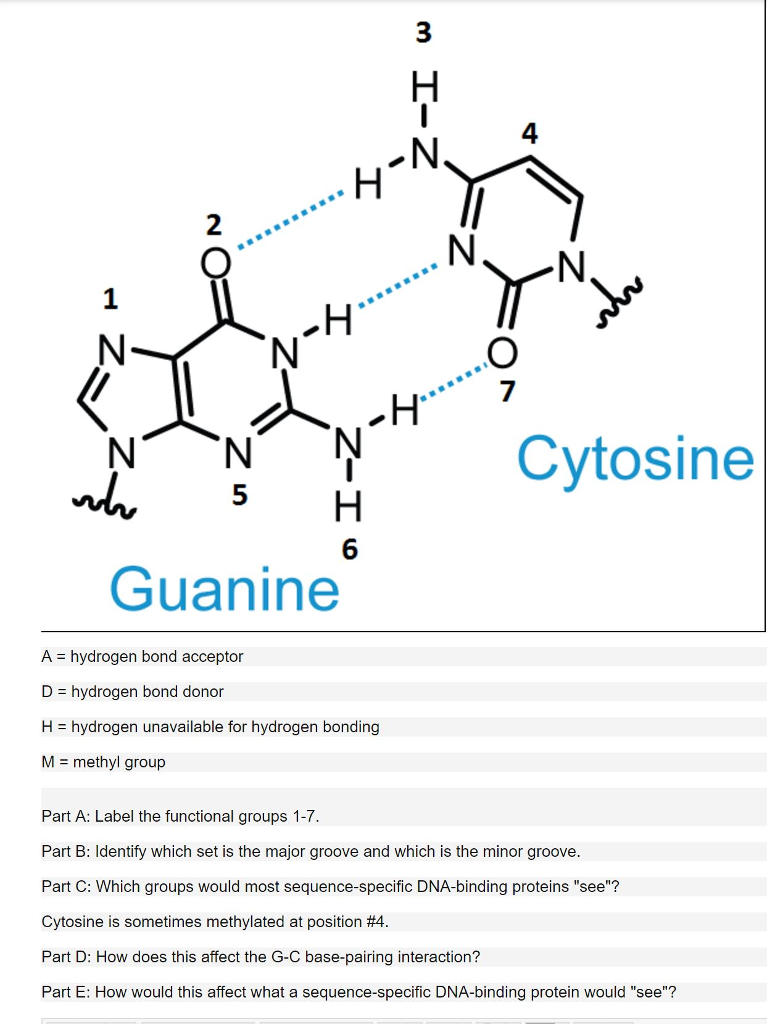
Hydrogen Bond Donors and Acceptors:
Hydrogen Bond Donors:
Molecules or groups that provide a polarized hydrogen atom bonded to a highly electronegative atom, typically nitrogen, oxygen, or fluorine.
Hydrogen Bond Acceptors:
Electronegative atoms with lone pairs of electrons that can interact with the hydrogen bond donor.
Role:
Crucial for the structure and function of biomolecules like proteins and DNA, as well as the properties of water.
Methyl Donors and Acceptors:
Methyl Donors: Compounds that can donate a methyl group (-CH3) to another compound, often in enzyme-catalyzed reactions called methylation.
Examples:
S-adenosyl-L-methionine (SAM), methanol, and certain forms of tetrahydrofolate.
Role:
Essential for biological processes like gene regulation, neurotransmitter synthesis, and detoxification.
Antioxidants and Reducing Agents:
Antioxidant Function:
Antioxidants neutralize free radicals by donating electrons or hydrogen atoms, thus protecting cells from damage.
Mechanisms:
Antioxidants can act through various mechanisms, including:
Hydrogen Atom Transfer (HAT):
Directly donating a hydrogen atom to a free radical.
Single Electron Transfer (SET):
Donating an electron to a free radical.
Antioxidants, often reducing agents, work through two main mechanisms: Hydrogen Atom Transfer (HAT) and Single Electron Transfer (SET). HAT involves the antioxidant donating a hydrogen atom to a free radical, while SET involves the antioxidant donating a single electron. These mechanisms neutralize free radicals, which are harmful to cells.
Antioxidants may play a protective role against prion diseases by reducing oxidative stress, which can contribute to the misfolding of the prion protein. Oxidative stress is a hallmark of neurodegeneration, and in prion diseases, it is linked to the conversion of normal prion protein (PrPC) to the misfolded, infectious form (PrPSc).
..
Antioxidants and Methemoglobin Reduction:
Antioxidants like glutathione and NADH have been shown to reduce methemoglobin levels in vitro. These antioxidants can donate electrons to the ferric iron in methemoglobin, reducing it back to the ferrous state and allowing it to bind oxygen again.
Methylene Blue and Other Treatments:
Methylene blue is a commonly used treatment for methemoglobinemia, as it acts as an electron carrier to reduce methemoglobin back to hemoglobin. In addition to methylene blue, other treatments like ascorbic acid and riboflavin have also been used, along with N-acetylcysteine.
Methylene blue's dual solubility makes it a versatile compound with applications in various fields, including medicine and biology, where it's used as a dye and therapeutic agent. This lipid and water-soluble nature is key to its ability to cross the blood-brain barrier.
NAC lipophilicity (oil/fat solubility):
NAC is described as a low lipophilic compound, limiting its ability to easily cross cell membranes.
Some derivatives of NAC, like NACET (N-acetylcysteine ethyl ester) and NACA (N-acetylcysteine amide), have been synthesized to improve lipophilicity and cell permeability.
Combining ethyl ester, glycerol, and amide suggests a molecule incorporating elements of these structures, likely with lipid-like characteristics. This combination could result in molecules that are soluble in lipids (lipid-soluble or lipophilic) due to the presence of fatty acid chains. Lipids are broadly defined as compounds that are insoluble in water but soluble in organic solvents, such as ether.
Methylene Blue
Thioninium
Thionine
Taurine
Amine
Amino
Phenothiazine
Chloride (salt)
Acetate (Vinegar)
Thionine, also known as Lauth's violet, is the salt of a heterocyclic compound. A variety of salts are known including the chloride and acetate. The "ine" ending indicates that the compound is an amine.
Amines are organic compounds that contain carbon-nitrogen bonds. Amines are formed when one or more hydrogen atoms in ammonia are replaced by alkyl or aryl groups.
The nitrogen atom in an amine possesses a lone pair of electrons. Amines can also exist as hetero cyclic compounds.
Aniline (C6H5NH2) is the simplest aromatic amine, consisting of a benzene ring bonded to an amino (–NH2) group.
The breakdown of amino acids releases amines, famously in the case of decaying fish which smell of trimethylamine.
Many neurotransmitters are amines, including epinephrine, norepinephrine, dopamine, serotonin, and histamine.
Protonated amino groups (–NH+3) are the most common positively charged moieties in proteins, specifically in the amino acid lysine.
The anionic polymer DNA is typically bound to various amine-rich proteins. The terminal charged primary ammonium on lysine forms salt bridges with carboxylate groups of other amino acids in polypeptides, which is one of the primary influences on the three-dimensional structures of proteins.
Taurine is synthesized from cysteine, a sulfur-containing amino acid. Cysteine is a building block of proteins and also plays a role in glutathione synthesis, an important antioxidant. While both are involved in sulfur metabolism and can be found in the body, taurine is not considered a proteinogenic amino acid and has unique physiological functions, including osmoregulation and antioxidant action.
Role in nitrogen metabolism: Taurine is involved in various physiological processes, including nitrogen metabolism. Studies in animals have shown that supplementing with taurine can increase nitrogen retention and utilization efficiency.
MSM is primarily a sulfur-containing compound and its relevance to nitrogen lies more in its ability to support the synthesis of other molecules that contain nitrogen, such as amino acids like taurine.
..
Methylene Blue
NAC
DMSO
Ethyl Ester
Glycerol
Amide
Ether
Tryptophan
Serotonin Syndrome
Water/Oil Soluble
Amino Acids
Niacin
Nitrogen
Overdose Symptoms
..
Hydrogen Bonding with Fatty Acids: DMSO can form hydrogen bonds with fatty acids, particularly at the carboxylic acid group.
No Protection Against Lipid Peroxidation in Some Cases: While DMSO can scavenge •OH, it may not always protect against lipid peroxidation in all systems. For instance, some studies suggest that DMSO might not decrease lipid hydroperoxide yield in concentrations where it scavenges •OH in competition with unsaturated fatty acids, possibly because the resulting methyl radicals (•CH3) can initiate lipid peroxidation if their abstraction of hydrogen from fatty acids is faster than other reactions.
DMSO's Hydrogen Atom Transfer Potential: While DMSO is known as an aprotic solvent (generally not donating protons), density-functional theory (DFT) calculations suggest that DMSO can participate in hydrogen atom transfer from alkoxyl radicals via proton-coupled electron transfer.
..
Glutamine synthesis involves the incorporation of nitrogen and carbon, with contributions from sugar metabolism.
Sugar Metabolism: The process of glycolysis, which breaks down glucose, generates intermediates that can feed into glutamine synthesis. For example, glucose can contribute to the carbon skeleton of the precursors required.
glutamine synthesis connects nitrogen and carbon metabolism, allowing for the efficient utilization of these elements for various cellular functions, including biosynthesis and energy production.
Nitrogen and Sulfur are Building Blocks of Life:
Magnesium and Potassium are Essential for Cellular Processes:
Magnesium and potassium are vital for energy production, water regulation, and nerve and muscle function.
Nitrogen and sulfur are structural components of crucial molecules like proteins and nucleic acids, and also contribute to catalytic processes.
..
Health wise Magnesium is responsible for Hydrogen to release from water, both responsible for strengthing DNA & RNA from misfolding.
Magnesium is important for telomere regeneration, protein & carbohydrate metabolism into protein & cartilage.
Magnesium is responsible to keeping Potassium inside cells, and Calcium Sodium outside cell.
getting Magnesium back into cells is difficult, cant be measured, depends upon its ionic state Mg2+.
round-up pesticide in food directly binds Magnesium, thats how it kills plants & makes people deficient & chronic disease.
Magnesium deficiency & Molecular Hydrogen deficiency go together, also low digestive acids from low Chloride, means not breaking down proteins into amino acids.
lucky Magnesium Chloride is the cheapest in bulk, from sea water.
it breaks up toxic sludge buildup, unlocks metabolic blocks like Homocysteine ect..
too much will trigger a Detox reaction, flushing & gut punch.
Nitrogen / Sulfur combination meditations & supliments absolutely require Magnesium.
NAC
B1 Thiamine
Taurine
Methylene Blue
Fenbendazole
while they do fix metabolism malfunction & kill cancers, without Magnesium they cause more trouble, they Chelate it out.
Magnesium Threonate is a derivative of Vitamin C, is said to be most Brain & Spine bioavailable.
this is good for brain metabolism, homeostasis reversing neurological diseases & plaque build-up.
Magnesium needs to be bound correctly to get deep into the body, otherwise gut punch.
also Magnesium is responsible for Calcium retention in bones, otherwise the body will leach put into osteoporosis & cartovasular plaque diseases.
Hydrogen & Magnesium are hand in hand teammates in health & solar dust Filaments between stars.
the Nitrogen & Sulfur that requires Magnesium is specifically for cellular metabolism for making NAD & ATP.
and for all of that to work correctly the stomach acids need to be low enough Ph, meaning Chloride to make Magnesium release Hydrogen from water.
so Magnesium Chloride is good at that part, and they sell that as a table salt alternative, made with sea salt, just a little less Sodium.
its a little Triad that work together.
..
Magnesium Threonate tastes like salty sugar, so i tried the cheaper variety Magnesium Chloride powder & honey, and yep same reaction, head buzzey feeling.
tested the Threonate underneath the tongue for a couple days, to get a really good idea what it feels like & doing, now i can match up taste & reactions.
its doing exactly the same thing.
everything i was testing for the last few years was ultimately for NAD ATP ect.. not realizing that Magnesium is the very first domino of reactions.
..
Magnesium is the very first step in carbohydrate metabolism, whitch is the general hallmark for polymorphism & glyphosate problems.
Magnesium Chloride with the Honey & Lemon kickstarts the reaction, and at the other times Psyllium & Charcoal create an positive environment for good bacteria to flourish.
anything to do with NAD Precursors, Coenzyme-A, Nitrogen & Sulfur, all combinations require Magnesium, otherwise it stops working.
something that keeps making me think, is why Fava beans always comes up regarding metabolism disfunction, what is the actual chemical doing that?
is it similar to what Glyphosate is doing?
seems Glyphosate may enhance the toxic effects of Nightshage.
cant find a direct connection between the toxic properties, but they appear very similar.
GMO properties of some "organic" vinegars must have GMO bacteria to compensate for the Glyphosate Herbicide to be capable of fermentation.
CoA has to do with Sulfate like DMSO & MSM ect.. it requires Magnesium to metabolize correctly.
when research papers say "essential‐for" it should be in giant bold letters or something.
i may have underestimated Magnesium for far too long, mostly because its difficult for it to get into the cells.
when i tasted Magnesium Threonate it was sweet as honey, not sour like Vitamin C.
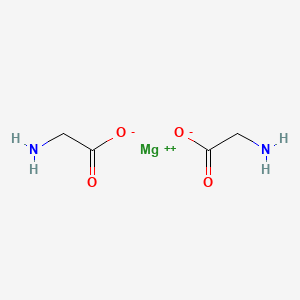
looking at Magnesium Glycinate, many people have unusual reactions, but with Bi-Glycinate it works fine, doubling the sugar to Magnesium Raito makes it absorb correctly.
Magnesium & Chloride is "essential" for Carbohydrate & Fatty Acid (Hydrocarbon Chain) metabolism, and for Vitamin A B D metabolism, otherwise everything backs up into plaque.
the very first step of carbohydrate metabolism & vitamin A being the very first vitamin, everything lockes up from the very beginning into a cascade of problems.
when Magnesium Chloride & sea salt are mixed with Honey, it changes the molecular structure of the flavor into something that tastes really good, like my cells know what it likes.
Vitamin A metabolism problems is like the very first domino that gets blocked up, causing trouble all along the way.
CH3 Methylation is one Carbon with 3 Hydrogen, Magnesium in Water & stomach acid (Chloride) makes free Hydrogen H2 that becomes a Methyl Doner.
regular Methyl Doners dont seem to actually do what its supposed to do.
Magnesium holds tue metabolic key, but need to be the right kind.
Magnesium Chloride checks all the right boxes, but still needs the Honey to become activated, otherwise it binds to everything else & never makes it into the brain & spine, just like Magnesium Threonate.
every form of Magnesium chemistry chart spins in all directions, like a swivel for Amino Acids, like how Protein & DNA can fold correctly, or backwards incorrectly.
..
Nitrogen and sulfur are the building blocks of proteins, including hemoglobin. Magnesium and potassium are essential minerals that support numerous bodily functions vital for maintaining healthy red blood cells, which house hemoglobin and carry out oxygen transport.
..
The Nutritional Relationship Linking Sulfur to Nitrogen in Living Organisms
https://www.sciencedirect.com/science/article/pii/S002231662208302X?via%3Dihub
Parkinson's Link to Gut Bacteria Hints at an Unexpected, Simple Treatment
https://www.sciencealert.com/parkinsons-link-to-gut-bacteria-hints-at-an-unexpected-simple-treatment
Meta-analysis of shotgun sequencing of gut microbiota in Parkinson’s disease
https://www.nature.com/articles/s41531-024-00724-z
..
this article explains how the gut imbalance creates amyloid fibrils & a deficiency in riboflavin and biotin.
Riboflavin has what appears as a Vitamin-C component.
Ribitol (Ribose)
Isoalloxazine
Biotin has a Sulfur molecule.
Alanine
Pimeloyl-CoA
..
ATP modulates self-perpetuating conformational conversion generating structurally distinct yeast prion amyloids that limit autocatalytic amplification
https://pmc.ncbi.nlm.nih.gov/articles/PMC10149227/
this article explains how Magnesium & ATP isolated promotes Amyloid Aggregation.
to me this is why Nitrogen & Sulfur are also required for NAD+ for ATP to fold protein correctly.
similar to how Amino, Taurine & Osmolytes are directly involved with protein folding.
in needs the Nitrogen, Sulfur & Magnesium to do the correct thing.
people on Redit forms talk about the extreme & negative reactions they have with NAC & Magnesium Glycinate.
this puzzled me for months, my conclusion is its triggers a powerful metabolic reactions, and the consequence is powerful redox & detox "Herx" reactions, not very pleasant, but may be beneficial in the long term.
..
long Covid is this perpetual Hypokalemia, an Alkalosis & Acidosis cycling?
what caught my attention is the relationship between magnesium ion, fibrils formation and Glyphosate to Magnesium binding, that causes a Potassium channel collapse.
if we can pinpoint the very first domino, it would help break the cycle of chronic deterioration.
Electrolyte may be the cascade cycle, but the infection part is a completely different part, more leaning towards a Nitrogen & Sulfur via simple amino glucose binder & amyloid neutralizing.
both parts together may be a cure.
im currently testing together
Sodium Chloride
Magnesium Chloride
Potassium Chloride
Glycine (Nitrogen)
DMSO (Sulfur)
basically something like Sea Salt & NAC
only Magnesium Threonate & Taurine seem capable of passing BBB.
Threonate is a Ascorbate derivative, tasts sweet like Glycine.
Taurine is Nitrogen & Sulfur.
all combined appears to unfolds misfolded proteins, for protein remodeling.
Potassium deposits are found around Amyloid plaques, and the Iron fallout makes the radicals.
Potassium has a 90% absorption rate, while Magnesium has 10%, and 1% passes BBB.
the standard supliment ratio of Electrolytes is recommended 3000 mg of Potassium & Sodium and only 300mg of magnesium, yet magnesium is mostly not absorbed.
this seems like an odd raito, likely needs more Magnesium with a chelate buffer to bind it to, like NAC.
just seems like post covid is so many degeneration symptoms, or the previous problems enhanced, whatever regenerates is likely the same thing that kills off the gmo parasites or hybrid viruses.
could it be similar mycotoxins as something like glyphosate in our foods? and glyphosate-like toxins knock out Magnesium, then knock out Potassium, then knock out Iron hemoglobins, like dominos?
a series of events, that have to be fixed in a specific order.
testing NAD Precursors, NAC, Niacin, Coenzyme-A Precursors with MSM ect.. they appear to do nothing without the electrolytes being balanced first.
regeneration begins in a series of steps, Magnesium & Potassium Homeostasis appears to be the first step.
i tested NAC, DMSO, MSM, Niacin, Glycine, Betaine ect.. to attempt to get inflammation down get NAD producing more energy.
handfuls do nothing, just kept getting hotter, sun sensitivity, sweating heat.
only Magnesium with Potassium & Sea Salt caused an instant cooling & calming effect.
years of testing, the very first step to regeneration health is Magnesium & Potassium Homeostasis.
all vitamins are at a metabolic block at an enzyme, starting with Vitamin A on down, everything is dependent upon Magnesium & Potassium Homeostasis.
B1 Thiamine is the same, not only does it require Magnesium to flip enzymes & metabolisms, but also Potassium.
without both everything stops functioning, then begins to chelate both minerals completely out of the cells.
i think its like an old carburetor vs fuel injection, it needs everything perfectly setup for ignition.
..
Metabolic Alkalosis & Iron Fallout.
what it seems is ..
Amyloid, Prion, Mycotoxins & Glyphosate ect.. bind with Magnesium, this triggers Intracellular Potassium loss, triggering Metabolic Alkalosis of the cells, trigger bloos Acidosis, triggering Heme Iron release.
just speculating the first domino is Magnesium disfunction vis toxic binding, triggering a fundamental Ph disruption, electrolyte homeostasis disruption.
seems like the "virus" or mycoplasma infection is very specifically blocking a metabolic process via an enzyme reaction, specifically regarding a Magnesium reaction.
..
DMSO is kind of useless by itself, no matter what people say, but combined correctly is a finely crafted weapon.
DMSO seems best in Castor as a thickener, less likely to spill over, just seems better overall, less hot harsh.
but thats still not the medicine, its not actually doing anything yet.
any ingredients additional should be totally safe in all ways, meaning no Zinc, because an overdose is a little more then a pinch.
Magnesium is ultra safe, so a fantastic candidate.
i really suspect its much better to add a few key things to the DMSO, because pure or even watered down, i suspect it Chelates all the good stuff first, like Magnesium, introduced a deficiency.
an my general idea is.. what does the cell want for registration, what parts are being disturbed by disease, whether parasite, bacteria or virus, what breaks up the biofilm, and if the medicine is connected to what the cell already wants then it makes it easier, break up toxic acids & the feed cells.
likely the cells already have enough of what they already want, like Phosphorus, its just stuck in biofilms.
so maybe instead if Citric use Vitamin C, for a Reducing Agent, because its probably easier for the delicate cellular metabolism.
i suspect Magnesium & Potassium are deficient in chronic disease, so maybe a little of that.
Sea Salt may be good to help flush with the Vitamin C, to get the ions reduced into monoatomic ions.
all the B Vitamins & Amino Acids are heavy in simple Nitrogens, so thats another possibility, it seems like DMSO binds or chelates the to Nitrogen, so might need a little extra of that.
i kind of try to make everything approximately in even amounts.
but if im correct in my imagination, about how all this should work, it should both kill parasites, cancer ect.. & protect the normal cellular functions.
for some reason the Sulfur & Nitrogen with a Charged Ion (Reduced/Redoxed) really whacks parasites & cleans things up in cells.
like a copper tube with a magnet dropped inside, it slowes everything down for disease within the microtubules, enough time for the immune system to locate it & fight it.
https://www.researchgate.net/publication/393884756_Prion_Disease_is_Caused_by_an_Imbalance_of_the_MagnesiumManganese_Ratio-A_Hypothesis
Prion Disease is Caused by an Imbalance of the Magnesium/Manganese Ratio, A Hypothesis
Magnesium/Manganese Imbalance: One hypothesis proposes that an imbalance in the manganese-to-magnesium ratio, rather than solely magnesium deficiency, may contribute to the pathology of prion disease, particularly chronic wasting disease (CWD). This suggests the interplay between these two metal ions may be significant in prion pathogenesis.
Increased risk of chronic wasting disease in Rocky Mountain elk associated with decreased magnesium and increased manganese in brain tissue.
https://en.m.wikipedia.org/wiki/Manganism
The exact neurotoxic mechanism of manganese is uncertain but there are clues pointing at the interaction of manganese with iron, zinc, aluminum, and copper. Based on a number of studies, disturbed iron metabolism could underlie the neurotoxic action of manganese.
Manganese displaces Iron in the COQ7 hydroxylase enzyme required for coenzyme Q10 synthesis.
Mn's essential role and toxicity: Manganese is an essential micronutrient for the brain's normal development and function. However, both insufficient and excessive levels of Mn can lead to neurological dysfunction.
Excess manganese exposure can result in manganism, a permanent neurological disorder with Parkinson's-like symptoms. Manganism involves the accumulation of Mn in the basal ganglia, particularly the globus pallidus.
Research indicates that the binding of calcium enhances the interaction between the fusion peptide of the spike protein and the host cell membrane.
Calcium and magnesium ions interact with the spike protein and influence its function and the overall infection process.
One hypothesis suggests that magnesium ions, acting as natural antagonists to calcium in many cellular processes, might inhibit SARS-CoV-2 infection.
While calcium seems to be involved in facilitating the spike protein's function and viral entry, magnesium may have potential antiviral properties and could be a useful therapeutic target.
..
How pathogens feel and overcome magnesium limitation when in host tissues
https://pmc.ncbi.nlm.nih.gov/articles/PMC7855738/
Benzimidazole and its derivatives as cancer therapeutics: The potential role from traditional to precision medicine
https://pmc.ncbi.nlm.nih.gov/articles/PMC9978992/
..
Benzimidazole
Fenbendazole
Mebendazole
Albendazole
Omeprazole Magnesium
Losec, Prilosec, Zegerid, Miracid, Omez
Benzimidazole
Vitamin B12: Benzimidazole is an integral part of vitamin B12, a crucial coenzyme involved in various metabolic pathways, specifically N-ribosyl-dimethylbenzimidazole, is an integral part of this vitamin, which is essential for various bodily functions.
New Discovery of Unique 13-(Benzimidazolylmethyl)berberines as Promising Broad-Spectrum Antibacterial Agents
Benzimidazole
Benzene C6
Imidazole C5
Methylcobalamin B12
Thiamine (Thiamin) B1
Thiamine and thiamin are two spellings of the same word, which refers to vitamin B1.
Magnesium is involved in enzymatic processes that convert inactive forms of B12, such as cyanocobalamin, into the active forms like methylcobalamin.
A deficiency in magnesium could impact B12's effectiveness within the body.
Methylcobalamin and cobalt are inextricably linked as the active form of vitamin B12 and its central metal ion, respectively. Magnesium, while not directly interacting with them, plays a supportive role in B12 metabolism.
Cobalt-containing ring-contracted modified tetrapyrrole represents one of the most complex small molecules made by nature.
While essential in minute quantities within B12, excess cobalt can be toxic to cells, competing with other metal ions like magnesium and zinc for binding sites in proteins, and potentially causing oxidative stress and DNA damage.
Since cobalt is an integral part of vitamin B12, a deficiency in cobalt is equivalent to a vitamin B12 deficiency, leading to conditions like pernicious anemia, characterized by fatigue, weakness, numbness and tingling in extremities.
Neuroprotective Supplements:
Certain vitamins and minerals, such as vitamin C, vitamin E, and magnesium, may offer protection against excitotoxicity by acting as antioxidants and potentially reducing glutamate levels, protecting against excitotoxicity by reducing calcium influx into neurons and influencing cell survival pathways.
Some antibiotics, such as aminoglycosides like gentamicin and tobramycin, can lead to magnesium loss through urine.
Taking magnesium supplements too close to these antibiotics can reduce their effectiveness.
ATP Production: Mg²⁺ is necessary for the activity of ATP synthase, the enzyme that produces ATP, the main energy currency of cells, during oxidative phosphorylation, a process linked to the citric acid cycle.Energy Metabolism Regulation: Mitochondrial Mg²⁺ concentration can regulate the rate of energy production in response to energy demands. The decrease of mitochondrial Mg²⁺ concentration has been shown to affect the metabolome, particularly reactions in the TCA cycle.
Energy Metabolism Regulation: Mitochondrial Mg²⁺ concentration can regulate the rate of energy production in response to energy demands. The decrease of mitochondrial Mg²⁺ concentration has been shown to affect the metabolome, particularly reactions in the TCA cycle.
Through a series of reactions, citrate is oxidized, releasing energy in the form of NADH and FADH2, which are then used in the electron transport chain to produce ATP (cellular energy).
Citrate is also shuttled out of the mitochondria into the cytoplasm where it can be used for the synthesis of fatty acids, lipids, and cholesterol.
Citrate ions can also act as a stabilizing agent (or capping agent) by adsorbing onto the surface of nanoparticles, preventing aggregation.
..
Cobalt deficiency is essentially a B12 deficiency, and Magnesium & Cobalt compete for the same Protein ion bonds.
what it appears to me, Fenbendazole & Thiamine sharing the same chemical component, is directly linked to B-12, meaning it will bind to both Cobalt & Magnesium, essentiality chelating it out into depletion.
the symptoms of Fenbendazole Toxicity is identical to B12 & Magnesium deficiency.
the most powerful anticancer & anti worm medicines are nearly identical to B1 & B12, and how Cobalt & Magnesium are so similar to be almost interchangeable, and both can be stripped out together.
what i dont know yet for sure, does Magnesium somehow protect B12 via Cobalt stabilizing, meaning its may not be necessary to supliment high dose B12, because Cobalt has a considerably stronger bond?
antibiotics seem to also disrupt Magnesium.
Magnesium appears to require something like a Simple Sugar, an Acid, plus a Nitrogen & Sulfur to chelate into metabolism TCA Citric Acid Krebs Cycle, otherwise its mostly 90% excreted.
thats the same extra ingredients as a dewormer & antibiotic, spike the Magnesium.
Vitamin C with the Magnesium, for whatever reason it appears all metabolic blocks seem to circle around the enzyme humans cant make for Vitamin C.
im loaded upnon Magnesium, Potassium & Sea Salts, feeling pretty good, then decided something is still missing.
loaded up on C, first thing noticed in day three is all my muscles are pumped up, buffed out.
apparently Vitamin C is the metabolic lock for Magnesium to do the thing.
our bodies are like a sewing machine factories, our cells make threads that become encoded with DNA beads.
what i noticed taking the Sea Salts with normal Chloride that salt has, the Vitamin C opened up the salts, i can smell like after swimming in a Chloride swimming pool, my muscles pumped up & loose joints seemed to lock into socket.
its like it pulled all the loose strings together.
1000 enzyme reactions between Magnesium & Niacin, my concern is they dont necessarily feel like those kind of reactions are actually happening without Vitamin C.
Vitamin C is only said to have like 10 enzyme reactions, but seems like they are very important ones.
my suspension is C not being made in human biosynthesis, makes me think its a bigger part of the enzyme flipping then we understand.
C is sensitive to air, water & heat degeneration, difficult to harvest naturally, and the synthetic ascorbic acid is also prone to the same degeneration.
making it a difficult vitamin to be absolutely dependent upon, so i just kind of ignored it.
the best source of Vitamin C in nature appears to be Citrus Peel, also a source of Mannose.
its a Simple Sugar with an unusual hydrogen/proton, acid/base configuration.
to make synthetic requires a chemical factory, its far too dangerous to make in the kitchen.
if in an environment without an abundance of Citrus fruit peels, or Pine nettles, im not sure.
Vitamin C seems to bind to Sugars, making the sweet part of fruits not very bioavailable.
just seems strange humans are required to have Vitamin C, and it being so difficult to supliment naturally.
and how pesticides destroy C & Magnesium.
..
Co2+ Selectivity of Thermotoga maritima CorA and Its Inability to Regulate Mg2+ Homeostasis Present a New Class of CorA Proteins
https://pmc.ncbi.nlm.nih.gov/articles/PMC3091257/
Mitochondrial Mg2+ homeostasis decides cellular energy metabolism and vulnerability to stress
https://www.nature.com/articles/srep30027
Selective molecular transport across the protein shells of bacterial microcompartments.
https://pmc.ncbi.nlm.nih.gov/articles/PMC8286307/
Vitamin C
Ascorbate
Stem Cells
Chromatin Remodeling
DNA/Histone Demethylation
Enzyme Cofactor
Ten-Eleven Translocation (TET)
Dioxygenase
Sodium Dependent Vitamin C Transporter (SVCT)
Jumonji Domain Containing Histone Demethylases (JHDMs)
Epigenetic Regulation
Somatic/Stem Cells
Embryonic Stem Cells
Pluripotent Stem Cells (iPSCs)
DNA
Sugar Phosphate Backbone
Phosphodiester Bond
https://en.m.wikipedia.org/wiki/Sugar_phosphates
https://en.m.wikipedia.org/wiki/Phosphodiester_bond
https://en.m.wikipedia.org/wiki/DNA_synthesis
..
Neuron-Astrocyte Ascorbate Recycling System
Vitamin C Function in the Brain: Vital Role of the Ascorbate Transporter (SVCT2)
https://pmc.ncbi.nlm.nih.gov/articles/PMC2649700/
Reprogramming the Epigenome With Vitamin C
https://pmc.ncbi.nlm.nih.gov/articles/PMC6646595/
Role of vitamin C and SVCT2 in neurogenesis
https://pmc.ncbi.nlm.nih.gov/articles/PMC10324519/
Vitamin C in Stem Cell Biology: Impact on Extracellular Matrix Homeostasis and Epigenetics
https://onlinelibrary.wiley.com/doi/10.1155/2017/8936156
Vitamin C alleviates aging defects in a stem cell model for Werner syndrome
https://pmc.ncbi.nlm.nih.gov/articles/PMC4930768/
Antioxidants N-Acetylcysteine and Vitamin C Improve T Cell Commitment to Memory and Long-Term Maintenance of Immunological Memory in Old Mice
https://pmc.ncbi.nlm.nih.gov/articles/PMC7699597/
Induced pluripotent stem cell
https://en.m.wikipedia.org/wiki/Induced_pluripotent_stem_cell
SVCTs are responsible for bringing vitamin C into the cell, where it acts as a cofactor for JHDMs, the enzymes that modify chromatin by removing methyl groups from histones.
Stem cell reprogramming: Vitamin C significantly enhances the reprogramming of somatic cells into induced pluripotent stem cells (iPSCs). This effect is mediated by the activation of JHDM1a/1b, which drives the removal of repressive H3K36 methylation marks to promote a more open, embryonic-like chromatin state.
Vitamin C influences chromatin fibers through its role as a vital cofactor for several enzymes that modify DNA and histones, which are the fundamental components of chromatin. These enzymatic reactions ultimately regulate gene expression by making chromatin more or less accessible.
Key enzymes influenced by vitamin C
As a cofactor, vitamin C enhances the activity of specific iron(II)- and α-ketoglutarate-dependent dioxygenase enzymes. Its mechanism is thought to involve converting iron(III) to the catalytically active iron(II) state at the enzyme's active site. Two major classes of enzymes that depend on vitamin C are:
Ten-eleven translocation (TET) enzymes: TET proteins (TET1, TET2, and TET3) initiate DNA demethylation, a process that can lead to gene activation.
They catalyze the oxidation of 5-methylcytosine (5mC) into 5-hydroxymethylcytosine (5hmC).
This starts a chain of reactions that ultimately removes the methyl group and replaces it with an unmethylated cytosine via the base excision repair pathway.
Enhanced TET activity due to vitamin C promotes DNA demethylation, making the chromatin more open and transcriptionally active.
Jumonji-C (JmjC) domain-containing histone demethylases (JHDMs): These enzymes remove methyl groups from histone proteins, which can have diverse effects on gene expression.
Vitamin C promotes the activity of specific JHDMs, leading to histone demethylation. For example, it helps demethylate histone H3 at lysine 9 (H3K9me2), a repressive mark that typically keeps chromatin condensed.
By removing these repressive marks, vitamin C can facilitate the transition to a more open chromatin state that is conducive to transcription.
..
controlling the accessibility of bone-specific genes. It also plays a role in neurodevelopment and myogenesis (muscle formation).
Prevention of disease: Chromatin dysregulation is a hallmark of many diseases, including cancer. Vitamin C's ability to modulate epigenetic enzymes is being explored for its potential therapeutic benefits, particularly in resetting the aberrant epigenetic patterns seen in some cancers.
..
Ascorbic acid 2-sulfate (AAS) is a naturally occurring, more stable derivative of vitamin C where a sulfate group is attached to the second carbon of the ascorbic acid molecule. This modification enhances its stability, bioavailability, and ability to function as a long-lasting vitamin C source.
AAS is not directly biologically active but functions as a pro-vitamin. It is hydrolyzed by specific enzymes (like sulfatases) to release active L-ascorbic acid.
Direct conversion to a sulfate ester
In some organisms, vitamin C can be converted into a more stable compound called L-ascorbic acid 2-sulfate (AAS).
Production: This reaction involves the addition of a sulfate group to the second carbon of the ascorbic acid molecule. In mammals, this occurs through the action of a sulfotransferase enzyme, primarily in the liver.
Stability and role: Ascorbic acid 2-sulfate is more stable against oxidation than pure vitamin C. Its exact biological role is not fully established in humans. However, in some animals like fish, it serves as a long-term, stable source of vitamin C. An enzyme called L-ascorbic acid 2-sulfate sulfohydrolase (C2 sulfatase) can later remove the sulfate group to release active vitamin C.
Metabolic pathway: AAS is considered a phase II metabolite of vitamin C in humans, and it has been shown to donate its sulfate group in the body, such as in the formation of cholesterol sulfate.
..
The transformation process Enolization: In an alkaline solution, a base removes a proton from the carbon atom adjacent to the carbonyl group (carbon) of the sugar.
Enediol intermediate: This proton abstraction leads to the formation of a negatively charged enolate intermediate. The rearrangement of electrons in this intermediate creates a double bond between the two central carbon atoms and two adjacent hydroxyl groups, forming an enediol.
Tautomerization: The unstable enediol intermediate can then rearrange to form a more stable keto or aldose form of the sugar. Since the enediol is a common intermediate, it can lead to different sugars.
Glucose to fructose: The enediol intermediate formed from glucose can revert to fructose (a ketose sugar) or revert back to glucose.
Glucose to mannose: The same enediol can also isomerize to mannose, an epimer of glucose. Role of the enediol structure in reducing sugars An enediol is a potent reducing agent because it is easily oxidized.
Oxidation reaction: The enediol intermediate readily donates electrons to an oxidizing agent, causing the sugar to be oxidized to a carboxylic acid.
Enediol functionality: Ascorbic acid is a lactone of 2-ketogluconic acid and features an adjacent enediol group.
Source of reducing power: This enediol structure is responsible for the potent antioxidant and reducing properties of Vitamin C. It readily donates two electrons to neutralize free radicals and reactive oxygen species.
The Reichstein process is the historical method for commercial Vitamin C synthesis, involves converting glucose to sorbitol, then L-sorbose, and finally oxidizing it to 2-oxo-L-gulonic acid, which is then enolized to form ascorbic acid.
..
Histone acetylation (adding acetyl groups) generally promotes gene expression by loosening the chromatin structure, while deacetylation (removing acetyl groups) generally represses gene expression.
Histone acetylation generally leads to a looser chromatin structure and activated gene expression, whereas the removal of methyl groups (demethylation), often in the context of DNA demethylation, can also activate genes by relaxing chromatin to allow transcription factors access to the DNA.
Histone acetylation is a process where histone acetyltransferases (HATs), also known as Lysine Acetyltransferases (KATs), transfer an acetyl group from acetyl-CoA (Ac-CoA) to specific lysine residues on histone proteins. This post-translational modification reduces the positive charge of the histones, leading to chromatin relaxation and promoting gene transcription.
Acetylation pathways: Acetyl-CoA is the primary donor of acetyl groups for acetylation, another crucial epigenetic modification. While vitamin C does not directly interact with acetyl-CoA, its influence on the opposing process of methylation highlights the broad impact of epigenetic regulation on metabolism.
..
Vitamin B3 (niacin) is involved in over 400 enzyme reactions, and magnesium is a cofactor for over 600 enzymatic reactions. This makes them two of the most critical elements in human metabolism, playing distinct but interconnected roles in cellular functions like energy production, DNA repair, and gene expression.
Vitamin B3 Niacin is involved in a vast number of enzyme-catalyzed reactions—totaling over 500, according to some estimates.
..
High-dose intravenous (IV) vitamin C, or ascorbic acid, generates hydrogen peroxide ((H_{2}O_{2})) that can kill cancer cells in laboratory and animal studies. The (H_{2}O_{2}) selectively damages tumor cells, which have a reduced capacity to neutralize it compared to healthy cells.
..
Vitamin C has a longer half-life of roughly 10-20 days in the body's total pool, but this is not a reflection of its presence in the brain, which maintains high concentrations for longer periods through recycling mechanisms like the one involving glutathione in astrocytes. The brain actively pumps and retains ascorbate, even when plasma levels are low, and the duration of vitamin C depletion significantly impacts brain concentrations.
Recycling and Retention:
The brain is particularly adept at retaining vitamin C. It does so by recycling ascorbate (the reduced form of vitamin C) using glutathione and the pentose phosphate pathway in astrocytes.
..
Magnesium-Dependent Enzymes: Lithium's mood-stabilizing and toxic effects are thought to stem partly from its ability to interfere with various enzymes that rely on magnesium for their function, such as adenylate cyclase and ATP-magnesium.
[IMAGE: https://images.hive.blog/DQmeoFVofwGppMQRqnJtLZPwrnVG5jGezdmL236iesa3NHV/imgsrv-57.png]
Astaxanthin (Red)
Hydrogen Electron Donor
[IMAGE: https://images.hive.blog/DQmUWF2ho4VvHD68s3y5u94aByaENfAyKQyY7SryN83SbyR/imgsrv-58.png]
Ellagitannin
Pomegranate (Red)
[IMAGE: https://images.hive.blog/DQmcVTvPjkybH7VzeqrcukFnM9ihf92YWbUpPT7BtKY5p7y/imgsrv-59.png]
Punicalagin
Pomegranate (Red)
..
Vitamin C:
Hydroxyl Group
Hydrogen Donor
Demethylation
CH3:
Methyl Group (Methane)
Methyl Doner
Methylation
..
Powerful Antioxidants
Astaxanthin
Anthocyanin
Hydroxytyrosol
Athocyanins are the pigments that give the fruit its red color, acting as potent antioxidants
..
Carotenoid
Oil-Soluble
Examples: Beta-carotene, lycopene, lutein, zeaxanthin
Dietary sources: Yellow and orange fruits and vegetables (carrots, sweet potatoes, pumpkins), leafy greens
Polyphenol
Water-Soluble
Examples: Anthocyanins, catechins, flavonoids, tannins
Dietary sources: Fruits, vegetables, tea, coffee, red wine, chocolate, and dry legumes
..
Glutathione is regenerated from its oxidized form (GSSG) by the enzyme glutathione reductase, which uses NADPH as a hydrogen and electron donor.
The ascorbate-glutathione cycle regenerates oxidized glutathione (GSSG) back to its reduced form (GSH) using the enzyme glutathione reductase (GR) and the reducing power of (NADPH). This cycle works in tandem with ascorbate (vitamin C) to detoxify harmful reactive oxygen species (ROS) like hydrogen peroxide.
..
Citric Acid Krebs Cycle
Glutamate–Glutamine Cycle
Glutathione-Ascorbate Cycle
SAM Cycle
..
Antioxidants act as hydrogen and electron donors to neutralize harmful free radicals by donating an electron, a hydrogen atom, or both. This donation breaks the chain reaction of damage free radicals can cause.
Mechanisms of action
Hydrogen Atom Transfer (HAT):
The antioxidant donates a hydrogen atom (a proton and an electron together) to the free radical, neutralizing it. This is a direct and efficient process.
Single Electron Transfer (SET):
The antioxidant donates a single electron to the free radical, creating a radical cation. This is often followed by the donation of a proton to complete the neutralization.
Sequential Proton Loss Electron Transfer (SPLET):
The antioxidant first loses a proton, forming an anion. This anion then donates an electron to the free radical to complete the neutralization.
..
Sodium bicarbonate can react with hydrogen peroxide in chemical reactions, and in biological contexts, sodium bicarbonate can suppress the accumulation of hydrogen peroxide and lipid peroxidation.
..
Carotenoid
Beta-Carotene
Lycopene
Hydroxytyrosol
Carotenoids are highly sensitive to oxygen, light, and heat, and they degrade easily in emulsions, which limits their use in the food industry. Polyphenols prevent this degradation through their strong antioxidant properties.
polyphenols act as powerful antioxidants that interact with carotenoids and proteins to significantly improve the carotenoids' stability, bioavailability, and overall shelf life.
A higher concentration of polyphenols can increase the stability and absorption of carotenoids during digestion and greater bioavailability.
..
Pomegranate:
Punicalagin
Ellagitannin
Astaxanthin
Anthocyanin
..
Ellagic acid
Alkaline conditions affect ring stability: The two lactone rings of ellagic acid are stable in acidic conditions but can open and degrade under alkaline conditions.
Phenolic oxidation drives antioxidant activity: Like HHDP, the four phenolic hydroxyl groups on ellagic acid are susceptible to oxidation. This susceptibility is actually key to ellagic acid's function as a potent antioxidant, as it can donate electrons to neutralize free radicals. This process is influenced by pH and the presence of metal ions.
..
https://www.healthline.com/health/carotenoids#typesof-carotenoids
..
Bicarbonates, hydrogen peroxide and malaria.
https://www.malariaworld.org/blogs/bicarbonates-hydrogen-peroxide-and-malaria
pH alteration: Sodium bicarbonate is a base, and its addition increases the pH of a solution, which changes the chemical environment for polyphenols.
Degradation: High concentrations of sodium bicarbonate can cause the rapid degradation of polyphenols, which is sometimes accompanied by the production of hydrogen peroxide.
To kill Plasmodium we need pro-oxidants like artemisinin, chloroquine, ROS, hydrogen peroxide and not anti-oxidants like vitamins or flavonoids.
Hydrogen peroxide is not used therapeutically to treat malaria, but it is a critical component in the body's defense against the malaria parasite, Plasmodium. The parasite is highly susceptible to oxidative stress, and many antimalarial drugs exploit this vulnerability.
..
Anti- and pro-oxidant properties of polyphenols and their role in modulating glutathione synthesis, activity and cellular redox potential: Potential synergies for disease management
https://www.sciencedirect.com/science/article/pii/S2667137924000067
..
Parasite susceptibility
Oxidative damage: Plasmodium parasites are highly sensitive to oxidative stress. Exposure to 𝐻2𝑂2 can cause a loss of critical cellular functions, such as pH control, and significantly inhibit parasite growth.
Vulnerability in G6PD deficiency: Parasites infecting red blood cells with a glucose-6-phosphate dehydrogenase (G6PD) deficiency are more vulnerable to 𝐻2𝑂2 because these cells have lower antioxidant defenses. This is one reason why G6PD deficiency is protective against severe malaria.
Parasite countermeasures and drug mechanisms Antioxidant defense:
The Plasmodium parasite has its own antioxidant systems to counter the oxidative stress from the host and its own metabolism. These include enzymes like peroxiredoxins, which detoxify Hydrogen Peroxide.
Drug action: Many current antimalarial drugs exploit the parasite's vulnerability to oxidative stress.
Artemisinins: This class of antimalarials, used in combination therapies, works by generating free radicals that cause oxidative damage to the parasite's proteins and lipids. Some parasite resistance is linked to an enhanced ability to manage this oxidative stress.
Quinolines: Drugs like chloroquine inhibit the detoxification of free heme within the parasite, increasing the oxidative stress burden.
Glutathione binds to mycotoxins through a strong sulfur bond. This process, called conjugation, makes the fat-soluble toxins water-soluble so they can be excreted through the bile and urine.
..
Glutamine, GABA, and glutamate are all involved in the function of the retina and visual cortex, impacting eyesight. Glutamine is essential for photoreceptor health, while glutamate and GABA are neurotransmitters crucial for processing visual information and maintaining retinal cell health. In conditions like glaucoma, reduced levels of these neurotransmitters are linked to degraded visual function.
6x Ascorbic
3x Citric
3x MSM
3x Glycine / Glutamate
8x Honey (Carbon)
1x Sodium
1x Magnesium
1x Potassium
the baking soda ia not doing the trick, instead replaced it with Citric Acid, for whatever reason makes the minerals more potent, apparently because its a different kind of acid the Ascorbic, they do totally different things and are both important to the end result.
the mineral salts dont seem to react correctly with ascorbic, or with alkaline buffer of sodium bicarbonate, seems to require a citric to flip the salts into a chelate.
Glycine or Glutamate Nitrogen is to counrer MSM Sulphur Chelation, because in my testing too much Sulfur actually chelate or reduce nitrogen of amino acids of protein into muscle loss.
the goal is the opposite is a antibacterial or antibiotic, but an immune system super charge, specifically with antioxidant via Hydrogen/Proton Electron Donors.
appears Honey (Carbohydrate) neutralized the Ascorbic & Citric Acid.. Baking Soda is going the wrong direction, alkaline/acid makes the stomach hurt.
..
Damascus Earth
Borax
&
Citric
(mix separately)
(to fix ph for skin irritation)
the Pomegranate juice is the liquid part, just for red polyphenols, Citric, Ascorbate acids are the hot parts, Magnesium & Potassium the salt parts, but Sodium Bicarbonate is kept separate.
once the Ph is neutralized starts a Hydrogen gas separation, meaning the alkaline part needs to be kept separate.
once put together the bottle keeps puffing out with Carbon Dioxide & Hydrogen Gas.
apparently Magnesium, Potassium with Citrate & Ascorbate trigger bone, stem cell regeneration acting as an enzyme that breaks up biofilms & cancers, then rebuilding skin & bone matrix scaffolds.
apparently our bodies love Carboxylic Tricarboxylic acids alot, but the Ph must be neutralized to be effective, and releases Hydrogen Donor molecules for an extended period of time, making antioxidant regeneration.
..
A flea trap using citric acid and carbon dioxide relies on the chemical reaction between citric acid and a bicarbonate (like sodium bicarbonate or baking soda) to produce CO2 gas, which attracts fleas into soapy water.
Once closer, insects use additional cues like body odor (including lactic acid and ammonia), body heat, and movement to pinpoint their target. Sources for (CO2) include dry ice, compressed gas tanks, and even DIY methods using yeast, sugar, and water to create a fermenting (CO2) generator.
..
all the good minerals, dont active without good acids, from my testing leaning towards more citric acid to mineral raito.
magnesium potassium need acids to make them work.
i was leaning towards alkaline for to long, its the opposite.
just means a magnesium citrate & potassium citrate still needs a lemonade to make it work.
my recipe is loaded with minerals as chloride salt, loads of vitamin C and citric acid, meaning its just syper acidic, so requires a half spoonful of baking soda.
but its still not neutralized ph, its still more acidic and body soaks it all up.
mineral citrate supliments are mostly not digested, pH is neutralized still to alkaline.
what is confusing is Citric & mineral ions release Hydrogen, thats exactly what vitamin c does, donates Hydrogen.. meaning antioxidant.
my recent problem was the msm, vitamin c & citric was just to hot, and couldnt find a way to cool it down, back to fiddling with baking soda, just dosnt work.
what i think is going on is the acids need a sugar, because the acids metabolize, but without a carbon carbohydrate sugar, it strips the tissue of carbon, so the honey seems to calm it down.
to make the 3 acids more similar to nature is by adding sugars, Sulfur needs Nitrogen balanced, to make & strengthen tissue.
and all metabolism requires Magnesium & Potassium to engage enzymes.
what ive found is how Tricarboxylic, Carbonic, Bicarbonate is the structure of tissue structure, how collagen is built, its some kind of mono or single carbon with 3 points, thats holds everything together, and requires acids to tighten everything up.
3 hours made a cup of fresh lemon juice & honey, to see if it helped my stomach, everything seems fine so far, but have that chloride smell when taking vitamin C.
every time the chloride smell, my immune system was much stronger, it was a good side effect, seems to mean my body is metabolizing super active.
all of my skin issues are resolving, practically melting away, with higher levels of acids, seems to be pulling apart salt deposits or plaques.
also found vitamin c (ascorbic) & citric are different because of ascorbic is attached to a simple sugar called Mannose, mostly located on the citrus peel, specifically to protect the fruit from ultra violet UV radiation oxidation.
and how Bicarbonate is naturally manufactured by the body by the lungs breathing & the pancreas stores it to cool down stomach acids & makes pH neutralized enzymes for digestion.
citric Tricarboxylic acids transformation into Bicarbonate offers a full spectrum of acidic to alkaline pH, triggering all enzymes as a result.
the way citric acid hydrogen binds to a carbon sugar like honey and becomes more neutral for biological systems.
by combining a powerful acid with an amino acid like Glycine or carbohydrate sugar like Glucose, the acid can pull out the body elements or burning.
all the data combined & positive results this weekend, all my different combinations, the conclusion is its Vitamin C, MSM & Betaine HCL, plus Magnesium & Potassium.
the Betaine is a simple Amino Acid, Glycine, that replicates how Honey neutralizes acids, without changing the acid pH, called Preferential Exclusion, allowing HCL or Citric Acid to donate Hydrogen H+ without harming biological tissues.
the sugars Carbon bind with the Hydrogen acids, preventing the acids from tissue damage.
Betaine HCL is not the medicine, justs pushes the Vitamin C & MSM, with Magnesium & Potassium, into enzyme reactions, ATP, NAD metabolism.
Dextran Sulphate is the same Negative Polarity as DNA, so no interaction with DNA, but Positive Polarity Viruss & Amyloid Seeding is neutralized.
Magnesium & Potassium are important because toxic acids (pesticides, vaccines ect..) destroy them, its an always deficiency.
the secret is "Preferential Exclusion" Zwitterion reactions of Acids.
just means how to take in more beneficial Organic Acids without tissue or cellular damage.
all of this is directly to do with protein folding stabilization & neutralizing virus binding into DNA.
Vitamin C & MSM are close enough to the Dextran Sulphate, but likely still too slow without a booster, needs more Hydrogen H+ ions to keep up with a collapsed immunity.
my personal mixture is this together:
Pomegranate Juice
Vitamin C
MSM
Citric Acid
Glutamine (Glycine)
Honey
Magnesium Chloride
Potassium Chloride
but the other quick way is this:
Vitamin C
MSM
Betaine HCL
..
testing what helps me, in very specific tests, apparently our bodies love acids, plus magnesium & potassium.. Citric, Vit C, MSM, Amino Nitrogens.
but the stabilized Hydrogen H+ Donors are the best, converting Sulfates & Nitrates flip into L vs D Amino Acids, spin the right direction, unfolding scar like plaque back into real tissue.
may found a simple remedy to reverse all the synthetic diseases, still testing, but its not too crazy.
all the most effective medications are simply Hydrogen Donors H+.
the way to do this simply, without Hydrogen Water Machines, or Lipid Replacement Therapy, is just Lemon & Honey.. Hot Totti.
but to make it much more effective requires Magnesium & Potassium.
to complete the potency requires MSM Methylsulfonylmethane (Sulfur) & an Amino Acid (Nitrogen) like Glycine or Glutamate.
..
i took too much for a few weeks, see what happens, it took Calcium Magnesium supliment to cool down the acid buildup.
while it does kill parasitic elements, it also strips Electrolytes fast.
and adding too much minerals seems to make it too powerful.
so it does work & also is very powerful, dosnt take much, or too often.
Carbonic Acid
Carboxylic Acid
Bicarbonate Ion
Bicarbonate Buffer System
Bicarbonate-Carbonic Acid Buffer System
..
Triplex
Trimethylglycine
Tricarboxylate
Triglycerides
Triterpene
Threonine
Trihydroxy
Triethoxysilyl
Trimethylsilyl
Trimethylamine
..
Organic Acids
Monocarboxylic
Dicarboxylic
Tricarboxylic
Aconitic
Butyric
Isocitric
Itaconic
https://en.wikipedia.org/wiki/List_of_carboxylic_acids
https://en.wikipedia.org/wiki/Butyric_acid
https://en.wikipedia.org/wiki/Itaconic_acid
..
Itaconate
Dicarboxypropylation
Dicarboxypropylcysteine
Citrate Synthase
Aconitase
..
Vitamin C Is Mandatory for the Tricarboxylic Acid Cycle Production of Antiinflammatory Itaconate
https://pmc.ncbi.nlm.nih.gov/articles/PMC10868358/
Itaconic Acid: A Regulator of Immune Responses and Inflammatory Metabolism
https://www.mdpi.com/1467-3045/47/7/534
Itaconate: A key regulator of immune responses and potential therapeutic target for autoimmune and inflammatory diseases
https://www.sciencedirect.com/science/article/abs/pii/S1568997225001454
..
Itaconate
Itaconate is a key regulator of immune responses, and its modification of proteins is a major mechanism for its immunomodulatory effects.
Tricarboxylic acid (TCA) cycle enzymes, especially citrate synthase and aconitase, are highly prone to inactivation by prooxidants.
Aconitase catalyzes the formation of cis-aconitate, the precursor of the antiinflammatory and antimicrobial metabolite itaconate.
Citrate synthase, aconitase, and itaconate are all involved in central metabolism, specifically the Krebs cycle (TCA cycle).
Citrate synthase catalyzes the first step of the cycle, producing citrate from acetyl-CoA and oxaloacetate.
Aconitase then converts citrate to cis-aconitate and subsequently isocitrate.
Itaconate is produced from cis-aconitate via the enzyme cis-aconitate decarboxylase (IRG1) and is known for its role as an anti-inflammatory molecule.
The TCA cycle starts with citrate, which is formed by citrate synthase and then converted to isocitrate by aconitase. A key difference is that IRG1 acts on cis-aconitate, an intermediate from the aconitase reaction, to produce itaconate.
Itaconate Dextran Sulphate refers to an emerging area in biomedical research and materials science, specifically involving the use of the anti-inflammatory metabolite itaconate or its derivatives with the polyanionic polymer dextran sulfate.
..
Colitis
Dextran Sulphate Sodium
Dextran ≈ Wine Sugar
Sulphated polysaccharide with anticoagulant activity used in immunological research to induce colitis.
https://en.wikipedia.org/wiki/Dextran_sulphate_sodium
..
Dextran Sulphate
Negatively Charged
Polyanionic Antiviral
Dextran sulfate (DS) is a strongly and inherently negatively charged polyanionic polysaccharide, regardless of whether the surrounding environment is neutral, acidic, or alkaline.
The negative charge comes from its sulfate groups, which have a pKa well below typical environmental pH ranges, meaning they remain ionized even in highly acidic conditions.
Both dextran sulfate and DNA are strongly negatively charged molecules, so they generally repel each other due to electrostatic repulsion.
Dextran sulfate is a negatively charged polysaccharide that acts as an antiviral agent against HIV by binding to and shielding the positively charged V3 loop of the viral gp120 protein.
Polyanionic molecules can act as a scaffold to protect proteins from unfolding or aggregation.
Dextran = Sugar
Sulphate = MSM
Itaconate = Vitamin C
..
Restoring gut barrier function
Chlorogenic Acid
Quinic Acid
Colitis induced by Dextran Sulfate Sodium (DSS) is a widely used research model because its effects can be ameliorated and partially reversed by certain treatments, including chlorogenic acid (CGA) and trilobatin. These compounds work by reducing inflammation and promoting the restoration of gut barrier function.
DSS induces colitis by damaging the intestinal epithelial monolayer, allowing pro-inflammatory substances like bacteria to penetrate the underlying tissue, which triggers a robust inflammatory response.
Chlorogenic Acid (CGA):
Anti-inflammatory effects: CGA reduces the production of pro-inflammatory cytokines such as TNF-α, IL-1β, and IL-6.
Restoring gut barrier:
It improves the integrity of the intestinal barrier by enhancing the expression of tight junction proteins like ZO-1 and occludin.
Modulating gut microbiota:
CGA can reverse DSS-induced changes in gut microbiota, increasing microbial diversity and the abundance of beneficial bacteria such as Lactobacillus and Akkermansia.
Chlorogenic acid is a natural polyphenol found in many plants, especially coffee beans. A polyphenol and ester of caffeic acid and quinic acid.
Roasting coffee beans increases the amount of free quinic acid due to the breakdown of chlorogenic acids.
Butyrate
Butyrate is a short-chain fatty acid (SCFA) produced by gut bacteria that nourishes colon cells.
Citrate production: During this process, butyrate is converted to acetyl-CoA, which enters the TCA cycle to form citrate.
How butyrate (Butter) helps with colitis
Energy source: Butyrate is the main fuel source for colonocytes (colon cells), which helps them function and repair themselves.
How prebiotics lead to SCFAs
Source of fuel: Prebiotic fibers are complex carbohydrates that humans cannot digest. They pass to the colon intact.
Bacterial fermentation: In the colon, beneficial gut bacteria ferment these fibers, producing SCFAs as a metabolic byproduct.
The most common SCFAs are acetate, propionate, and butyrate.
Oligosaccharides are carbohydrates consisting of monosaccharide, act as prebiotics that feed beneficial gut bacteria and are found in foods like vegetables, fruits, Honey, Butter and milk. They are indigestible in the small intestine, ferment in the colon, and offer benefits such as improved gut health and immune function.
Glutamine is a primary fuel source for intestinal cells and is crucial for maintaining the integrity of the gut barrier. This helps prevent the "leaky gut" phenomenon associated with inflammatory bowel diseases.
Octyl itaconate alleviates dextran sulfate sodium-induced ulcerative colitis.
Coffee
Pomegranate
Olive Oil
Rosemary
Quercetin
Quinic Acid
Prebiotic (Fiber)
Probiotics
Glutamine
Honey
[IMAGE: https://images.hive.blog/DQmZv2ZJsrZaLWiHLuHKYzV5T1b6gWPQvs9WSj9TThZB4Bu/Amino_Acids.svg_.png]
Connective Tissues
Collagen
Elastin
Tropocollagen
Superhelix Fibers
Triple-Helix Structure
Hierarchical
Lattice Network
Three Protein Chains
Covalent Carbon Bonds
Polypeptide Chains
Alpha Chains
Glycine-X-Y
Proline
Hydroxyproline
Lysine
Hydroxylysine
Hyaluronic Acid
Negatively Charged
Polysaccharide
Organic Acids
Tricarboxylic
Examples of Triple Helices:
Triplex DNA
Triplex RNA
Collagen Helix
Collagen-like Proteins
Post-Translational Hydroxy Modification
Post-translationally modified hydroxyproline can enter into favorable interactions with water, which stabilizes the triple helix. Proline hydroxylation requires ascorbic acid (vitamin C).
The individual helices are also held together by an extensive network of amide-amide hydrogen bonds formed between the strands.
Superhelix Electrostatic Interactions
Charged ends: Short N-terminal and C-terminal "triblock" peptides with oppositely charged amino acids.
..
Glycine buffers hydrochloric acid (HCl) by reacting with it to form glycine hydrochloride and by having its own buffering groups resist changes in pH.
Formation of glycine hydrochloride: Glycine and HCl react to form glycine hydrochloride, which is the salt where the glycine molecule is protonated and forms an ionic bond with the chloride ion.
Glycine buffers HCl by using its amino and carboxyl groups to react with and neutralize the strong acid. When HCl is added to a glycine solution, it protonates the negatively charged carboxylate group on the zwitterionic form of glycine, forming the neutral glycine form and the glycine hydrochloride salt. This process resists a large drop in pH because the added 𝐻+ ions from the HCl are consumed by the glycine, which has a pKa value of approximately 2.35 for the carboxyl group.
Glycine's zwitterionic form: In aqueous solution, glycine exists primarily as a zwitterion with a net neutral charge, featuring a positive charge on the amino group (−NH+3) and a negative charge on the carboxylate group (−COO−).
Protonation by HCl: When you add a strong acid like HCl, the 𝐻+ ions from the acid will react with the most basic site on the glycine molecule, which is the carboxylate group (−COO−).
Buffering effect: This reaction consumes the added 𝐻+ ions, preventing a drastic decrease in pH. The buffer capacity is maintained as long as there is a significant concentration of both the carboxylate (−COO−) and the protonated carboxyl (−COOH) forms of glycine present.
..
Amino acids like histidine, arginine, and lysine can help buffer (stabilize) the pH of hydrochloric acid solutions because of their basic side chains that can accept protons. Sugars like glucose, galactose, sucrose, and trehalose can also help stabilize proteins in acidic conditions, but their primary function is not buffering, unlike amino acids.
Sugars can increase the stability of proteins in acidic solutions. However, their stabilizing effect is generally considered a form of preferential exclusion, where the sugar molecules preferentially stay in the bulk solvent, forcing the protein to adopt a more stable conformation that minimizes its surface area exposed to the solvent, rather than acting as a buffer.
..
Explanation of Preferential Exclusion
Mechanism: When certain solutes (like sugars or polyols, known as osmolytes) are added to a protein solution, they are thermodynamically unfavorable in the protein's microenvironment. The system minimizes free energy by "excluding" these solutes from the protein surface, effectively creating a shell around the protein that is richer in water than the bulk solution.Steric and Charge Effects: This exclusion is primarily due to steric hindrance (the size of the solute molecule) and repulsion from charged groups on the protein surface, especially at specific pH values that affect protein charge.Biological Relevance: This process is crucial in biological systems for stabilizing protein structures. The excluded solutes (osmolytes) help prevent protein denaturation by making the unfolded state (which would require a larger exclusion volume) even more thermodynamically unfavorable than the native, folded state.
While solution pH can modulate the charge of a protein and thus affect the magnitude of preferential exclusion, preferential exclusion is a separate thermodynamic concept related to the interaction of macromolecules with cosolvents and water, not a mechanism of pH regulation itself.
Protein Compaction: To minimize this unfavorable interaction, the protein equilibrium shifts towards more compact, ordered native states with the smallest possible surface area exposed to the solution.
Stabilization: This compaction stabilizes the protein against unfolding or aggregation, which typically involves intermediate, expanded states.
HCl acts as a catalyst in the hydrolysis of sucrose into glucose and fructose, a separate chemical reaction that occurs in an acidic environment.
..
HCl is a strong, inorganic mineral acid because it does not contain carbon.
Betaine HCl:
Betaine Trimethylglycine
Glycine Anino Acid (Nitrogen)
Hydrochloride (Hydrogen)
Salammoniac (ammonium chloride) and vitriol (hydrated sulfates of various metals), which he distilled together, thus producing the gas hydrogen chloride. In doing so, al-Razi may have stumbled upon a primitive method for producing hydrochloric acid, dissolving it in water, hydrochloric acid may be produced.
..
Organic acids Oleic acid (OA) and Madecassic acid (MA), have been found to act as potent telomerase activators in research settings, suggesting a direct potential for organic acids to influence telomere biology.
Hyaluronic Acid (HA)
Chemistry: HA is a naturally occurring sugar molecule (glycosaminoglycan or polysaccharide) found in the human body, particularly in the skin, joints, and eyes.
Function: Its primary role is to attract and retain water, providing lubrication and hydration.
..
Tricarboxylic acid (TCA) related post-translational modifications stabilize the collagen triple helix by engaging in hydrogen bonding and coordinating with ions, which effectively increases the structural integrity and thermal stability of the protein.
How Tricarboxylic Acid Modifications Affect Collagen Direct Modification via Intermediates: While not a canonical enzymatic modification within the cell, intermediates from the TCA cycle can interact with collagen. Succinate (succinic acid), a TCA cycle intermediate, has been shown to bind to collagen via hydrogen bonding, encouraging and accelerating the mineralization process in tissues like bone and dentin.
Hydrogen Bonding Enhancement: The carboxylic groups (which can lose H+) ions) in these molecules, such as succinic acid, can form direct or water-mediated hydrogen bonds within the collagen matrix. The increased number and strength of these bonds help "stitch" the individual collagen strands together, significantly raising the thermal stability and overall mechanical strength of the triple helix structure.
Ion Coordination (H+) Ions and Calcium): The presence of multiple negatively charged carboxylate groups (formed by the loss of H+) ions at physiological pH) allows these molecules to coordinate with positive ions, particularly calcium ions. This coordination is a critical factor in regulating the formation and organization of the apatite crystals during bone mineralization, further stabilizing the collagen matrix and the tissue architecture.
..
Mycotoxins
Aflatoxins
Ochratoxin A (OTA)
hydroxylation, oxidation, and sulfation are key biotransformation reactions that living organisms use to detoxify or "neutralize" mycotoxins. The term "electrolyte" is not a specific biotransformation mechanism itself but refers to ions essential for biological processes, which are involved in the overall metabolic environment where these reactions occur.
Biotransformation typically involves two phases to convert fat-soluble mycotoxins into more water-soluble compounds that can be easily eliminated from the body. The goal is often to produce less toxic or non-toxic metabolites.
Phase I reactions introduce or expose polar functional groups (like hydroxyl groups) to increase water solubility.
Hydroxylation: This process adds a hydroxyl (-OH) group to the mycotoxin molecule, often catalyzed by cytochrome P450 (CYP) enzymes. This increases the mycotoxin's polarity and generally reduces its toxicity.
Oxidation: Various oxidoreductase enzymes, such as laccases, oxidases, and peroxidases, catalyze oxidation reactions that modify the mycotoxin's structure, breaking down toxic components.
Other Phase I reactions: The body also employs other reactions like reduction, de-epoxidation, and hydrolysis during this phase.
Phase II reactions involve conjugating the mycotoxin (or its Phase I metabolite) with a large, hydrophilic endogenous molecule, making it highly water-soluble for excretion.
Sulfation: This is a major conjugation pathway where a sulfate group is added to the mycotoxin structure by sulfotransferase (SULT) enzymes. This modification significantly increases water solubility and typically leads to rapid elimination of the much less toxic or non-toxic product.
Glucuronidation: Similar to sulfation, this involves the addition of a glucuronic acid moiety, catalyzed by UDP-glucuronosyltransferases (UGTs), which is another primary route for detoxification and elimination.
fiddling with an idea regarding uncureable disease.
what is the nature of something like a virus, genetic or autoimmune diseases.
found something over years of testing ideas.
my suspension is endosymbiosis, symbiont to symbiogenesis of mitochondria via Maleria from the symbiont relationship from an evolution within chimpanzees in North Western Africa.
meaning the chimps naturally evolved to allow Maleria into their mitochondria, as a form of defense, the immune just allowed it to coexist, within mitochondria.
scientists discovered this symbiogenesis and began to fiddle with it.
what symbiogenesis is, over thousands of years, the parasite loses part of its genome, becomes a co-dependent upon the host, and functions as an extra immune system against other parasites.
but a transfusion of these liver cells into a human would become an autoimmune disease like SV40 HIV.
i have an idea how to reverse it with a simple grandma recipe.. Hot Totti.
simple organic acids like citrus or vinegar, has Hydrogen H+ negatively charged ions.
all Parasites/Viruses operate with a Positive charge to bind with biological tissues & DNA.
a way to spike organic acids with a binder, called a chelate.
its basically Citric &/or Vinegar (acid), with Honey (sugar), and Magnesium & Potassium (base).
the parasites are charged with activated protons & electrons, that our mitochondria used to manufacture ATP & NAD for energy.
yet parasites are overwhelmed via electrical binding.
i suspect this would explain cancer as well, why antiparasitics seem to cure it.
how some viruses can manifest as cancer, its also an endosymbiont.
testing how Vitamin C & MSM work together to cure cancer, the chemistry is similar to Fenbendazole.
but ultimately what are the molecules doing?
i suspect its monoatomic charged ions in zwitterion form, binds up the symbionts, swells them up, allowingvthe normal immune system to identify them.
they make mimicking chemicals & biofilms, hide in bone marrow & mitochondria plaques.
takes something very small to flush them out, and just so happens to be a supercharged food for natural cells.
..
while both ingredients are technically acidic, they convert into an alkalizing outcome, the chemical reactions are complex, but in doing this spans the spectrum of all the pH dependent enzymez, unlocks the toxic non-organic acids & plaques.
i was trying with Citrus instead of Vinegar, but ultimately its doing the same thing.
Honey seems to buffer the acid by acting as a Carbon donor to the extra Hydrogen.
i dont exactly know why Honey buffers Acid, but it does.
Nitrogen exists in phase cycles, onlyba very narrow spectrum is regenerative, in the other phases its toxic.
plants make Nitrates that need to be converted into Amino Acids, then degrading into Ammonia.
my suspension is the honey vinegar keeps the Nitrogen in the correct phase, similar to the Polarity Spin of D vs L Amino Acids, one os good the other is bad.
meaning the honey vinegar is making metabolism similar to how a cow can convert Nitrates into Amino Acids via stomach acids & microbiome, charging the correct spectrum & polarity into bioavailable Nitrogen.
our bodies appear to love acids when everything is balanced correctly, and fungus hates it.
and my suspension all chronic & government disease is a symbiotic relationship between endo-symbiont & parasitic yeast, knock out the fungus & the xeno symbiont behaves itself.
without the parasitic yeast around for long enough, the zeno symbiont may actually mutate or symbiogenesis into a genetic immunity against the original parasitic relationship.
adding Silicon Dioxide (Amorphous Quartz) from Diatomaceous Earth to the honey/vinegar, think its converted to Orthosilicic acid (OSA).
looking at the size a bull, horse or buffalo, and looking at the grass they eat.
its loaded with Carbon/Carbohydrate Cellulose, Nitrogen, Magnesium, Potassium, Silicon.
digested with multiple stomachs.
..
all this time i never understood why people were drinking Diatomaceous Earth, never looked into it, just seemed stupid.
beginning to reverse my opinion.
other then the general helth benefits, it reinforces connective tissues, including bone & marrow.
the bone had piezoelectric properties, because Silicon is Quartz.
Body Electric
Bioelectric
Robert O. Becker
..
but in the most simplest words, its exactly what a cow multiple stomachs does to grass.
regular healthy grass has all the same ingredients as kelp, just need a whole lot of it.
bacteria vinegar simulates cow stomach, honey is the cellulose carbon.
Carbon, Oxygen, Hydrogen & Silicon are the most abundant elements in the world.
the idea is to heal faster then parasites & disease destroy?
like racoons can eat anything, and metabolize everything, thats kind of the goal.
CHON'S is the general standard, but the N for Nitrogen..
what im thinking is the most abundant elements is Silicon, not Nitrogen.
purely looking at the planetary elemental raito.
how much Silicon is in grass, and how many stomachs a cow needs to break it down.
..
if fleas eat silicon mixed with honey & vinegar, will they retain moisture enough to swell the exoskeleton?
insects are usually sensitive to pressure changes?
..
the previous idea for fleas just dried out doggie skin, but for some reason this stuff seems to have worked, online data says Orthosilicic Acid has no effect on fleas, but im noticing with Honey Vinegar compound it does.
Diatomaceous Earth is supposed to only be effective dry, but somehow it seems tonwork, suspect the fleas go to the topical application and cannot digest it.
Diatomaceous Earth is converted into Orthosilicic Acid via stomach acids, and vinegar helps this along , but apparently insects dont convert it.
doggie fleas got him chewing his foot into an infection, a few drops dried & closed it up, somehow the molecules of Sugar Acids & Silicon close wounds damn near instantly.
is just like using medical Clay, Honey & Vinegar, plus the Electrolytes, MSM & Glycine or Glutamate for the Nitrogen & Sulfur parts.
using it raw unheated could only take one tablespoon a day, without getting upset stomach, once heated that problem seems to have gone away, seems the molecules need some heat to bind and metabolize correctly.
uncooked raw, when walking could notice it would fluctuate my pH sweat was salty from the Electrolytes, muscles kind of stiff, once heated strength is high, hours of full sunlight no problem, soreness is minimal after jogging, seems to handle better cooked.
when walking in sunlight, sweat is now earthly like a very thin oil & clay like texture.
skin barrier epidermis is smooth and overall thicker, direct sunlight no sunburn or redness.
also found how Silicon & Vitamin C work together synergistic for Collagen & UV Light protection.
and how Vitamin C is a Sugar Acid called Reducing Agents, that Honey & Vinegar most likely replicates, or close enough.
my skin is stronger now i weeks then taking Vitamin C for months.
a deep little cut on my skin stops bleeding instantly & forms a smooth strong barrier is made within a day, no giant scab that bleeds.
ive not seen anything like this in any vitamin or supliments, not even close to the results.
apparently Silicon holds everything together, moisture, collagen, connective tissues, exactly like Vitamin C is supposed to do, seems to stabilize everything, including lipids.
..
if was to make it in nature, mash or cook down vegetation, adding clay, breaking it down, cooking it kills the critters, have a wooden stick with good microbes to reintroduce, to ferment the cellulose into organic acids.
thats all the ingredients to what im making, the clay seems to make it all work.
Kelp
Magnesium, Potassium
Nitrogen
Amino Acids:
Glycine, Alanine, Arginine, Proline, Glutamic, Aspartic
Sulfur
Sulfated Polysaccharides:
Fucoidan, Porphyran
..
Sulfated Sugars
Fucoidan, Porphyran
Laminarin & Agarose, Often modified (sulfated, oxidized) to enhance therapeutic effects.
Complex Sulfated Carbohydrate
Composition: Primarily made of Fucose and Sucrose sugar units, with sulfate groups and varying linkages.
Fucoidan and Porphyran are both sulfated polysaccharides (SPs), complex sugar chains rich in sulfate groups, extracted from seaweeds.
These natural polymers are valued for their diverse health benefits, including anti-inflammatory, antiviral, antioxidant, anticoagulant, and immune-modulating effects, stemming from their unique sugar backbone (fucose in fucoidan, galactose/glucose in porphyran).
Fucoidan and porphyran are both sulfated polysaccharides derived from marine algae that exhibit significant antiviral properties through various mechanisms, primarily by inhibiting viruses from attaching to host cells and boosting the host's immune system.
Mechanism of Action: Fucoidan's antiviral activity is mainly attributed to its ability to block the initial attachment and entry of viruses into host cells. Its high negative charge density interacts with the positively charged glycoproteins on the viral envelope, disrupting the virus-cell interaction. It can also interfere with later stages of replication and boost the host's immune response by stimulating natural killer (NK) cells and macrophages.
Effective Against:
Research (mostly in vitro and animal models) has shown fucoidan to be effective against a broad spectrum of viruses, including:
Herpes simplex virus (HSV-1 and HSV-2)
Human immunodeficiency virus (HIV-1)
Influenza A and B viruses
Hepatitis B virus (HBV) and Hepatitis C virus (HCV)
Dengue virus (DENV-2)
..
Influenza virus hemagglutinin (HA), a surface protein, initiates infection by binding to sialic acid (sialoglycans), like N-acetylneuraminic acid (Neu5Ac), on host cell glycoproteins and glycolipids (glycocalyx), which are sugar chains on cell surfaces; this specific molecular interaction, involving different sialic acid types and linkages.
..
Sugar Acids
Negatively Charged
Acidic Nature: Sialic acids have a carboxyl group (hence "acid") that's usually ionized, giving them a negative charge, critical for function.
Immune Recognition: Helps the immune system distinguish "self" from "non-self".
Cell Adhesion & Signaling: Regulates cell-cell attachment and communication.
Pathogen Binding: Viruses (like influenza) and bacteria use sialic acids as docking sites to infect cells.
Disease Link: Altered sialic acid expression is seen in cancer (hiding cancer cells) and inflammatory diseases.
..
Glyphosate and Celiac Disease Connection (Hypothesis)
The theory that glyphosate (the active ingredient in Roundup herbicide) contributes to celiac disease and gluten intolerance, with potential to disrupt the gut microbiome and interfere with nutrient absorption.
Glyphosate, the active ingredient in Roundup, is hypothesized to be a significant factor in the rise of Celiac Disease (CD) and gluten intolerance because it disrupts beneficial gut bacteria crucial for digestion, potentially triggering or worsening autoimmune responses to gluten.
Research suggests glyphosate inhibits a plant/bacterial pathway (shikimate) that "good" gut microbes use, leading to gut dysbiosis (imbalance) and increased inflammation, mimicking CD symptoms and potentially explaining nutrient deficiencies seen in patients.
Disruption of the Microbiome (Dysbiosis): Glyphosate acts as an antibiotic, affecting gut bacteria differently. Some studies suggest it may reduce beneficial bacteria like Lactobacillus (which can help break down gluten) while opportunistic pathogens are more resistant, leading to an unhealthy imbalance (dysbiosis).
Shikimate Pathway Inhibition: Glyphosate kills plants by inhibiting the shikimate pathway, a metabolic process unique to plants and bacteria, not humans. This was historically used to claim it was safe for mammals, but it ignores the critical role of gut bacteria in human health.
Enzyme Interference: Glyphosate is suggested to inhibit cytochrome P450 (CYP) enzymes, which are vital for detoxification, vitamin D3 synthesis, and other bodily processes.
Mineral Chelation: Glyphosate can chelate (bind to) essential minerals like iron, zinc, copper, and magnesium.
Intestinal Permeability: The proposed damage to the gut lining ("leaky gut") caused by dysbiosis could allow incompletely digested gluten peptides to enter the bloodstream, triggering the immune response.
..
Hexane, sodium hydroxide, and bleaching are all components of the industrial refining process for most commercial seed oils, which can also make the oils more susceptible to lipid oxidation (rancidity) due to high heat and chemical exposure.
..
Gluconic Acid
Gluconate
Glucuronide
Glucuronidation
Glucuronidases
Glycosaminoglycan
N-acetylneuraminic
N-acetylglucosamine
Glucuronic acid (GCA) is a vital sugar acid from glucose, crucial for detoxifying drugs/toxins and forming connective tissues (like hyaluronic acid), aiding their water-solubilization.
Glucuronides are compounds formed in the body (primarily liver, kidneys) when glucuronic acid attaches to substances like drugs, toxins, hormones, or bilirubin, making them water-soluble for easier elimination via urine or bile. This detoxification process, called glucuronidation.
Glucuronic acid is a precursor of ascorbic acid (vitamin C, formerly called L-hexuronic acid).
..
Phenolic Glycosides
Phenolic compound is a bitter or potent plant chemical; adding glucose (like sugar) makes it easier for the plant to store or move, or makes it less harsh for us to consume, and it can be 'unlocked' later.
Structure of Phenolic Glycosides
Glycoside: A compound formed when a sugar molecule (glycone) is attached to a non-sugar moiety (aglycone) via a glycosidic bond.
Aglycone: The non-sugar part of the molecule. In phenolic glycosides, the aglycone is a phenolic compound, such as a flavonoid, coumarin, or phenolic acid.
Hydrolysis is the chemical or enzymatic process of breaking the glycosidic bond by adding water, which splits the molecule back into its components: the sugar and the aglycone.
Activation: Many plants store chemicals as inactive glycosides for defense; hydrolysis "activates" these molecules into potent aglycones.
Digestion: In the human body, gut microbiota and digestive enzymes perform hydrolysis to convert unabsorbed phenolic glycosides into bioavailable phenolic acid metabolites.
..
Gluconate
Glucose Oxidase
Gluconic Acid C6H12O7
Gluconolactone
Buffer
Chelate
Antioxidant
Gluconate, derived from glucose, acts as an excellent buffering agent and antioxidant by chelating metal ions, preventing harmful oxidation, stabilizing formulations, and reducing inflammation, with uses ranging from food preservation and concrete admixtures to medicine, often appearing as sodium gluconate or in salts like magnesium gluconate, offering protection against oxidative stress and improving product stability.
pH Stabilization: As a weak acid/conjugate base system (gluconic acid/gluconate), it helps maintain stable pH levels in solutions.
Gluconate as an Antioxidant
Free Radical Scavenging: Gluconate and its salts can directly scavenge reactive oxygen species (ROS), reducing oxidative damage.
Protective Effects: This antioxidant action helps prevent lipid peroxidation, maintains cell membrane integrity (e.g., in red blood cells), and protects against organ damage
PGE2 Prostaglandin E2
15-PGDH
Quinoxaline Amide
PGE2's Role: Prostaglandin E2 (PGE2) is a crucial lipid mediator that supports tissue repair, stem cell proliferation, and wound healing.
15-PGDH as the Regulator: The enzyme 15-PGDH inactivates PGE2 by degrading it.
Inhibition: Quinoxaline amide inhibitors block 15-PGDH, preventing PGE2 breakdown, which elevates local PGE2 concentrations.
Therapeutic Effect: Higher PGE2 levels accelerate healing in various tissues, acting as a protective and regenerative signal.
..
PGE2 (Prostaglandin E2) is a crucial lipid mediator in inflammation, derived from arachidonic acid via cyclooxygenase (COX) enzymes, with its activity dependent on its carboxylic acid group interacting with receptors.
..
Taurine Chloramine (TauCl)
Taurine, particularly its derivative taurine chloramine (TauCl), acts as an anti-inflammatory agent by inhibiting the production of Prostaglandin E2 (PGE2), a key pro-inflammatory mediator, by downregulating cyclooxygenase-2 (COX-2) expression and activity, often via effects on NF-κB signaling, thereby reducing inflammation in conditions like rheumatoid arthritis and macrophage activation.
..
The Glutamine-Glutamate/GABA Cycle is a vital brain process where neurons release glutamate (excitatory) and GABA (inhibitory), which astrocytes then take up, convert to glutamine, and return to neurons, maintaining neurotransmitter balance and energy. Gluconate, a sugar acid, isn't directly part of this cycle but relates to energy (glucose metabolism) that fuels it. The cycle involves ions like Potassium (K+) released during neuronal firing, which astrocytes clear, influencing energy demands, while Magnesium (Mg2+) blocks NMDA receptors, regulating glutamate's excitatory power.
..
Glutamine
Connective Tissues
Connective Tissue Synthesis: Glutamine is essential for the health and repair of connective tissues because it is a critical precursor for collagen synthesis and the formation of glycosaminoglycans (GAGs). These are the primary structural components of skin, tendons, ligaments, and cartilage in joints.
Tissue Repair and Recovery: During stress, injury, or intense exercise, the demand for glutamine in these tissues increases significantly, making it a "conditionally essential" amino acid. Supplementation has been shown to support soft tissue recovery, enhance wound healing, and reduce inflammation, helping to restore tissue integrity and strength.
..
ammonium to help maintain acid-base balance
Production: In the kidneys, primarily in the proximal tubules, glutamine is metabolized to produce ammonia (𝑁𝐻3) and equimolar bicarbonate (𝐻𝐶𝑂−3).
Transport: The ammonia then binds with a proton (H+) to form ammonium (𝑁𝐻+4).
Secretion: This ammonium is selectively transported into the urine for excretion, carrying the excess acid out of the body.
Bicarbonate Generation: The bicarbonate produced during ammonia metabolism is released into the bloodstream, replenishing the body's bicarbonate buffer system.
Metabolic Acidosis: When the body becomes too acidic (e.g., from diabetic ketoacidosis or diarrhea), the kidneys increase ammonium production and excretion to get rid of acid and create bicarbonate.
Medical Use: Ammonium chloride (a salt) can be given to treat conditions like metabolic alkalosis (too alkaline) because it provides ammonium, which is metabolized to generate acid and lower pH.
Excreting ammonium is the kidneys' main way to excrete fixed acid and generate new bicarbonate, making it essential for long-term acid-base balance, especially when the body needs to actively neutralize excess acid.
..
Ammonium (𝑁𝐻+4) is a critical component of the renal (kidney) system for maintaining acid-base balance in the body. It serves as the primary mechanism for net acid excretion, allowing the body to eliminate excess hydrogen ions (𝐻+) while simultaneously generating "new" bicarbonate (𝐻𝐶𝑂−3) to replenish blood buffers.
Urinary Buffering: Free hydrogen ions cannot be excreted in large quantities on their own because they would make the urine too acidic for the urinary tract. Ammonia (NH3) acts as a buffer by combining with secreted (H+) in the kidney tubules to form ammonium (NH+4), which is then safely excreted in the urine.
Scalability During Acidosis: Ammonium excretion is the body's most scalable response to metabolic acidosis (excess acid). While other buffers like phosphate are limited by dietary intake, the kidneys can increase ammonium production more than tenfold to compensate for high acid loads.
Elimination of Chloride: To maintain electrical neutrality in urine while getting rid of excess acid, the body often pairs the excretion of the positively charged ammonium ion with the negatively charged chloride ion (Cl-).
..
Nitrogen Assimilation: Plants and microorganisms convert inorganic nitrogen forms like nitrates (NO3-) and ammonium (NH4+) into organic molecules.
Nitrification: Specific bacteria in the soil convert ammonium ions into nitrites, and then into nitrates.
Nitrate Reduction: Plants absorb nitrates and reduce them to ammonium. This energy-intensive process uses energy generated from carbohydrate respiration to produce organic nitrogen compounds.
Amino Acid Synthesis: Ammonium is combined with carbon skeletons (derived from carbohydrate metabolism, such as (alpha)-ketoglutarate from the citric acid cycle) to synthesize amino acids, with glutamic acid often being the first one formed.
Collagen Synthesis: Glycine is the smallest and most simple amino acid and is a critical component of collagen. The unique structure of collagen, which gives connective tissues like skin, tendons, and ligaments their strength, requires glycine at every third position in its triple helix chains.
..
Tinea pedis (athlete's foot) thrives in more alkaline environments, so maintaining the skin's natural acid mantle (pH 4.5-5.5) inhibits fungal growth, while alkaline soaps raise skin pH, promoting fungal spread.
..
Ph & Quantity of Nitrogen bound to acidic H2+ Hydrogen Ions.
Types of Nitrogen Sources
Fungi and yeast exhibit great versatility in the types of nitrogen they can utilize.
Fungi have sophisticated regulatory mechanisms, such as nitrogen metabolite repression and the TOR pathway.
Preferred Sources: Most fungi and yeasts preferentially use simple, easily assimilable sources like ammonium ions and glutamine.
Organic Sources: They readily use a wide variety of organic nitrogen, primarily in the form of Free Amino Nitrogen (FAN).
Carbon Source: Higher sugar content (carbon source) often necessitates higher nitrogen supplementation.
..
Nitrogen Regulation
Nitrogen Catabolite Repression (NCR)
TOR Pathway
Central Nutrient Sensor
Target of Rapamycin (TOR)
TORC1 (TOR Complex 1)
TOR Controls NCR: The TOR pathway directly regulates NCR by controlling the nuclear access of NCR-activating transcription factors (Gln3p/Gat1p).
TOR also links nitrogen sensing to other pathways, influencing TCA cycle intermediates (like (\alpha )-ketoglutarate) and global gene expression through chromatin modifications (histone acetylation).
..
Macrolide
https://en.wikipedia.org/wiki/Macrolide
Rapamycin
Sirolimus
Macrolide
Rapamycin (Sirolimus) originates from a natural source: the soil bacterium Streptomyces hygroscopicus, discovered in a soil sample from Rapa Nui (Easter Island).
Structure: Features a very large macrolactone ring, derived from acetate, propionate, and other building blocks.
Longevity and Anti-Aging Research
Rapamycin has become a prominent subject in aging research.
Mechanism: By inhibiting the mTOR pathway, rapamycin triggers cellular "housekeeping" processes like autophagy (the breakdown and recycling of damaged cell parts), which is associated with healthy cellular function and stress resilience.
Cancer Treatment: Rapamycin analogs like everolimus and temsirolimus are used to treat certain types of cancers.
mTOR inhibitors are a class of drugs used to treat several human diseases, including cancer, autoimmune diseases, and neurodegeneration.
..
Rapamycin (sirolimus) an inhibitor of the mTOR protein, primarily targeting mTOR Complex 1 (mTORC1) by binding to FKBP12, forming a complex that blocks mTOR's kinase activity, thereby controlling cell growth, metabolism, and protein synthesis, with effects extending to autophagy, immune responses, and aging.
Therapeutic Uses: Used in cancer (renal cell carcinoma), organ transplantation, and being studied for age-related diseases and conditions like polycystic kidney disease and arthritis due to its control over growth and metabolism.
Rapamycin (Sirolimus) synthesis involves polyketide synthase (PKS) machinery using precursors like 4,5-dihydrocyclohex-1-ene-carboxylic acid and pipecolate (derived from lysine), building a large macrolactone ring, with sugars (like glucose/dextrose in fermentation media) providing energy/carbon, while its cellular action involves inhibiting mTOR to regulate nutrient/growth pathways, affecting protein/lipid synthesis, mimicking amino acid starvation, and its formulation often uses sugars (like in overcoats) or requires careful pH/nutrient control (avoiding excess acid) for production.
Enzymatic Pathway: Uses a PKS/Nonribosomal Peptide Synthetase (NRPS) system.
Sugar: Glucose, fructose, etc., used as nutrients for production and in formulations.
Carboxylic Acid: A functional group present in the molecule and its precursors, influencing its synthesis and chemical modification.
..
Fungicides like rapamycin (sirolimus) target the fungal and mammalian cell growth pathway by inhibiting the mTOR protein (Mechanistic Target of Rapamycin) within the mTOR Complex 1 (mTORC1); they do this by first binding to the intracellular receptor FKBP12, forming a complex that then blocks mTORC1's kinase activity, shutting down protein synthesis and cell proliferation, explaining its antifungal, immunosuppressant, and potential anti-cancer roles.
Rapamycin-FKBP12 complex acts as a "gain-of-function" inhibitor by binding to the FKBP12.
..
Macrolides
vs
Microtubule-Destabilizing Agent
Macrolides: A broader class of antibiotics; some, like certain toxins, can prevent tubulin polymerization, but this isn't the defining feature of therapeutic rapamycin.
Silica
Silicon
Silicate
Silicic Acid
Orthosilicic Acid
Monomethylsilanetriol
Silicon Dioxide
Volcanic Ash
Diatomaceous Earth
Clay
Zeolite
Bentonite
Nesosilicate
Montmorillonite
Zwitterion Polarity
Orthosilicate Anions
Silicate Ions
Monosilicic Acid
Quartz Powder
Bioavailability
Choline
Pantothenic Acid
Keratin
Collagen
Elastin
Melanin
Fibroblasts
Silica is vital for collagen, bone formation, and tissue integrity.
..
Silicon dioxide (silica) in gardening soil acts as a beneficial supplement, not essential, that strengthens plant cell walls for better pest/disease resistance, heat/drought tolerance, and nutrient uptake.
Monosilicic Acid (Salicylic Acid): The best, immediately absorbable form.
Silicates (Calcium, Potassium): Common liquid supplements, easily taken up.
Diatomaceous Earth (DE): A powdery form (amorphous silica).
..
Silicon Dioxide
Amorphous
Diatomaceous Earth (DE) is a soft, sedimentary rock made primarily of amorphous silicon dioxide (SiO2), derived from the fossilized remains of diatoms (algae).
Origin: Formed from the silica shells (frustules) of ancient diatoms that settle at the bottom of water bodies and fossilize into soft rock.Main Component: High silica content (around 80-90% silicon dioxide).
..
Amorphous silicon dioxide (a-SiO₂) has a random atomic structure, making it softer and non-crystalline, generally considered safe, while crystalline silica (c-SiO₂) has a fixed, repeating crystal lattice (like quartz or sand), creating sharp, hard particles that pose serious health risks like silicosis when inhaled as fine dust.
..
https://en.wikipedia.org/wiki/Silicon
https://en.wikipedia.org/wiki/Silicic_acid
https://en.wikipedia.org/wiki/Orthosilicic_acid
Silicon in prevention of atherosclerosis and other age-related diseases
https://pmc.ncbi.nlm.nih.gov/articles/PMC10940546/
Biological and therapeutic effects of ortho-silicic acid and some ortho-silicic acid-releasing compounds
https://pmc.ncbi.nlm.nih.gov/articles/PMC3546016/
Anti-Aging Effects of Monomethylsilanetriol and Maltodextrin-Stabilized Orthosilicic Acid on Nails, Skin and Hair
https://www.mdpi.com/2079-9284/5/3/41
..
Orthosilicic Acid
(OSA) Formula:
(Si(OH)4)
Bioavailability: The most biologically available form of silicon, readily absorbed and used by the body.
Biological Importance: Supports collagen synthesis, bone mineralization, skin elasticity, and hair/nail strength.
Forms in Nature: Found in low concentrations in water, essential for plants (especially grasses).
In Supplements: Often stabilized (with choline or vanillin) to prevent polymerization and maintain its absorbable monomeric state.
Orthosilicic acid (Si(OH)4) is the primary bioavailable form of silicon absorbed by the human body, consisting of silicon, oxygen, and hydrogen. It plays a critical role in the synthesis and stabilization of collagen and hyaluronic acid within connective tissues.
Silicon/Silica: Acts as the central structural "glue" that creates bonds between protein molecules and strengthens the collagen matrix.
Silicon is vital for bone and connective tissue, and OSA is a highly bioavailable source, enhancing calcium, phosphorus, and magnesium utilization.
stabilized forms of orthosilicic acid can interact with the intestinal epithelium, potentially supporting gut barrier integrity.
Orthosilicic Acid (OSA) is a highly bioavailable form of silicon that plays a crucial role in skin, hair, and nail health by stimulating fibroblasts to produce structural proteins, including collagen and elastin, while supporting keratin production.
..
Silica is found in nature as the mineral quartz and its polymorphs.
In most silicate minerals, silicon is tetrahedral, being surrounded by four oxides.
..
How Orthosilicic Acid Affects Melanin
Orthosilicic acid (OSA), a bioavailable form of silicon, shows a dual effect on melanin, promoting its synthesis by increasing key enzyme (tyrosinase, MITF) expression in melanocytes, potentially for treating melanin deficiency.
Stimulates Production: Studies show OSA increases melanin synthesis and tyrosinase activity in melanocytes, the cells that produce melanin.
Regulates Gene Expression: It boosts the expression of Microphthalmia-associated Transcription Factor (MITF) and Tyrosinase-Related Protein 1 (TRP-1), key regulators of melanin production.
Potential Therapeutic Agent: This suggests OSA could be used to combat conditions related to melanin deficiency by stimulating melanocytes.
..
How Orthosilicic Acid Works
Orthosilicic acid demonstrates significant antifungal properties.
Direct Fungal Interference: Stabilized OSA can directly harm fungal cells, causing changes to their mycelium (filamentous structures) and spores, leading to inhibition.
Plant Defense Activation: It activates the plant's natural defense responses, creating a stronger barrier against fungal invasion.
Structural Reinforcement: When absorbed by plants, OSA gets deposited as silica, strengthening cell walls and making them physically harder for fungi to penetrate.
Induced Resistance: Foliar application (spraying) of OSA increases plant resistance to various fungal pathogens, including those causing powdery mildew, rice blast, and soybean rust, even at lower concentrations.
..
Stabilization, often utilizing choline and carnitine salts of carboxylic acids (such as tartaric, acetic, or citric acid), maintains the silicon in a monomeric, highly bioavailable state.
Chemical Properties: The stabilized solutions often function at low pH (acidic conditions), which keeps the silicon in a non-polymerized, active form.
..
Improved Mineral Utilization: There are strong indications that dietary orthosilicic acid improves the utilization of essential micronutrients, including copper.
Orthosilicic acid (OSA), acts as a modulator of copper, influencing its distribution, retention, and, in some cases, alleviating toxicity associated with excessive copper levels.
Silicon is known to assist plants in managing copper stress (both deficiency and excess).
Synergy: In formulations, betaine or choline (which makes betaine) can act as co-osmolytes alongside OSA, enhancing overall cellular protection and hydration, particularly in the skin and connective tissues.
..
Silicon is naturally concentrated in the trachea and lungs, where it is thought to play a role in maintaining the structural integrity of connective tissues.
Sialic acid is a cancer vulnerability, and silicon's unique properties (especially in nanomaterials) offer a platform to exploit that vulnerability for synergistic therapeutic effects.
Thiol-modified nanoporous silica (a form of engineered silicon) has shown potential as an oral, non-toxic agent to remove mercury, cadmium, and lead.
Unlike some heavy metal chelators that remove essential nutrients, silicon-rich water specifically increases aluminum excretion without affecting the levels of essential metals like iron and copper.
..
Inorganic Fiber (Prebiotic)
Orthosilicic Acid (Silicon)
Butyric Acid (SCFA)
Methyl Doner
CH3 Carbon/Hydrogen
Glucose (Carbon)
Carboxylic Acid (Hydrogen)
Dietary Fiber Connection: Silicon is abundant in high-fiber foods, suggesting fiber's anti-atherosclerotic effects might stem from its silicon content.
Enamel Remineralization: Research into bioactive materials suggests that silica-based compounds, which can release orthosilicic acid during degradation, can assist in remineralizing tooth enamel.
..
Tetrahedron Block Helix Model Theory
Tetrahedron Block Helix Model Theory Silicon Orthosilicic Acid & Collagen Matrix
Tetrahedral Geometry: The collagen triple helix is related to the silica tetrahedron-block-helix model, linking it to the geometric principles of the golden ratio (108° and 36° angles) in structural biology.
Silica tetrahedron, like the general concept of tetrahedral structures, is considered part of the overarching geometric principles that govern helix building in biochemistry and higher organisms.
tetrahedral geometry, the collagen triple helix, the silica tetrahedron, and the golden ratio (108° and 36° angles) in structural biology is a subject of a specific, non-peer-reviewed "tetrahedron-block-helix model" theory. This model suggests that the geometry of the collagen triple helix, as well as other biomolecular helices like B-DNA and the alpha helix, is fundamentally structured around the golden ratio angles.
..
Creating stable OSA often involves reacting a silicate source with acid (like sulfuric acid) under specific conditions (low pH) to prevent it from polymerizing (forming larger chains).
Stabilizers, such as sorbitol, are often used to keep it in its monomeric (monoatomic) form, especially in hydroponics, for longer shelf life.
..
The heart consists of specialized fibrous, muscular, and membranous structures, including the fibrous skeleton, chordae tendineae, pericardium, and myocardium. Silicon (Si), particularly in the form of orthosilicic acid (H4SiO4), plays a crucial role in maintaining the integrity of these connective tissues.
Heart and Vascular Impact: High concentrations of silicon are found in connective tissues, including the aorta and arterial walls. It contributes to the strength and flexibility of vascular walls and supports the health of tendons and connective tissues.
..
Bone Regeneration: Silica-based biomaterials and nanoparticles promote osteogenic differentiation (bone formation) in bone marrow stem cells (BMSCs), helping repair bone defects.
Stimulates Osteoblasts: Bioactive silica stimulates bone-forming cells (osteoblasts) and can improve bone mineral density, with soluble forms of silica aiding mineralization.
Scaffolds: Silica is incorporated into scaffolds to improve bone regeneration by guiding stem cells to form new bone tissue, working with growth factors like BMP2.
..
Silicon in Kelp & Seaweed
Structural Silica: Seaweeds like kelp accumulate silicon as hard, insoluble silica (silicon dioxide) in their cell walls, which provides structural support.
..
Interaction with Gram-Positive Bacteria
Antibacterial/Staining Effects: Silicate solutions can cause Gram-positive bacteria (such as streptococci) to lose their Gram-positive status (becoming Gram-negative) and can kill them, although this effect is often reversed by washing, suggesting a surface interaction rather than structural destruction.
Biosilicification: Certain Gram-positive bacteria, particularly within the genus Bacillus (e.g., B. cereus), are capable of taking up orthosilicic acid during their early stationary phase to form intracellular silica.
Interaction with Gram-Negative Bacteria
Lower Sensitivity: Generally, Gram-negative bacteria are less affected by soluble silica compared to Gram-positive species in terms of viability and staining.
Surface Interaction: Studies indicate that silica nanoparticles can increase the negative charge on the surface of both gram-positive and gram-negative bacteria, facilitating adhesion.
Key Findings on Silica and Bacteria
Solubilization: Specific "silica-solubilizing bacteria" (SSB) can convert insoluble silicon dioxide into bioavailable orthosilicic acid.
..
Bonding and Mineralization: Orthosilicic acid is known to bind to biological macromolecules like proteins in human, animal, and plant tissues. This ability is key to its role in structuring connective tissues and forming structural barriers against pathogens.
Mechanism of Action:
The protective effects are generally attributed to the formation of physical barriers (silica in the apoplast), stimulation of defense-related genes, and acting as a signaling molecule to increase antioxidant enzymes and antifungal compounds.
..
Otoconia are essential inner ear microcrystals composed of calcite (calcium carbonate) and proteins like otolin, crucial for sensing gravity and balance. Recent research indicates that specialized proteins, potentially similar to silicateins, are involved in forming these structures and may interact with orthosilicic acid (a form of silicon) to facilitate calcite precipitation.
Orthosilicic Acid & Silicon: Research suggests a role for silicatein-like proteins in the formation of biogenic minerals like otoconia, potentially aiding in the stabilization or precipitation of calcite, where orthosilicic acid may act as a precursor.
Silicon-Carbohydrate Reactions
Silicon in the form of orthosilicic acid reacts with carbohydrates (sugars) through the formation of stable, soluble silicate complexes.
Formation of Sugar Silicates: Certain sugars, such as ribose, xylose, fructose, and sorbose, readily react with basic silicic acid to form 2:1 (sugar:silicic acid) soluble complexes.
Chelation Mechanism: The reaction involves the formation of five-membered diolato rings, typically involving the anomeric hydroxy group (C1 in aldoses, C2 in ketoses).
Selectivity: The reaction is highly selective; only sugars that can form stable furanose rings with cis-diols (ribose, fructose) are highly reactive, while pyranose sugars (glucose, galactose) and all glycosides fail to react under these conditions.
Biological Significance: In plants, orthosilicic acid interacts with cell wall carbohydrates to form a rigid silica-cellulose membrane. Silicon also acts as a bridge, forming covalent silanolate bonds with carbohydrates, glycosaminoglycans, and polyuronides.
Stabilization of Orthosilicic Acid: Carbohydrates, such as glucose and glucosamine, can be used to stabilize ortho-silicic acid in solutions, preventing its polymerization into silica gel.
Impact on Metabolism: Silicon supplementation has been shown to modulate carbohydrate metabolism enzymes in plants, affecting soluble sugar and starch content in leaves and roots.
Silicon-Carbon Interactions
Silicon Carbide (SiC): At high temperatures, silicon reacts with carbon to produce silicon carbide, a very hard industrial abrasive.
Silicification: In plants, amorphous silica is deposited in and around carbon-based macromolecules (carbohydrates) in the cell wall, providing structural rigidity.
Carbon Sequestration: Silicon-accumulating plants (like bamboo) form phytoliths that encapsulate carbon, contributing to long-term carbon storage and potentially sequestering a significant percentage of atmospheric CO2.
..
Orthosilicic Acid, Water Solubility, and Aquaporins
Definition and Solubility: Orthosilicic acid is the simplest form of soluble silica, usually stable in water at concentrations below 100 ppm (approx. 1 mM).
Role in Plant Water Transport (Aquaporins): Silicon, in the form of orthosilicic acid, enhances the production and activity of aquaporins—channel proteins responsible for moving water in roots and leaves. This helps plants maintain hydration and turgor during drought or osmotic stress.
Mechanism of Uptake: Plant roots absorb orthosilicic acid through specialized transporters known as NIPs (Nodulin 26-like Intrinsic Proteins), which are a type of aquaporin channel.
Health and Bioavailability: In humans, orthosilicic acid is the most significant bioavailable form of silicon, contributing to collagen synthesis and strengthening of connective tissues.
Aquaporin-1 Expression: Studies suggest that silicic acid supplementation in water can increase the expression of aquaporin-1 (AQP-1), which is involved in vascular health and nitric oxide transport.
..
Key Aspects of Orthosilicic Acid and Water Management:
Orthosilicic acid, the bioavailable form of silicon dioxide, plays a significant role in managing water retention, collagen synthesis, and reversing cellular dehydration in biological systems. Clay, often containing silica, acts as a source of this acid, which helps cells retain moisture.
Cellular Hydration & Structure: Orthosilicic acid is essential for forming connective tissues, collagen, elastin, and keratin, which are necessary for retaining moisture in skin and hair. It improves skin elasticity and reverses dryness by supporting the structural integrity of cells.
Dehydration Prevention: Silica helps reduce evaporation and transpiration, thus conserving water in biological tissues.
Silicon Dioxide in Clay: Hydrated silica is found in materials like clay and diatoms. When in contact with water, these materials release orthosilicic acid.
Mechanism of Action: Orthosilicic acid increases the hydration of tissues and, in plants, aids in drought resistance by regulating transpiration.
Biological Benefits: Beyond hydration, it stimulates collagen type 1 synthesis, enhancing bone density and supporting skin health.
Increased Water Retention/Hydration: It acts as a structural component for connective tissues, allowing them to hold more moisture.
Clay/Silicon Dioxide
Source of Orthosilicic Acid: Provides the necessary silicon to combat dehydration.
Dehydration Reduced by Silica: Silica's role in creating rigid, healthy cell walls reduces water loss.
..
Orthosilicic acid (OSA) acts as an indirect antioxidant by mitigating oxidative stress and reducing lipid peroxidation (the oxidative degradation of lipids). It plays a role in protecting cell membranes by reducing the levels of Malondialdehyde (MDA), a key marker of lipid peroxidation.
Key Findings on Orthosilicic Acid and Lipid Peroxidation: Mechanism: OSA reduces lipid peroxidation, often by lowering reactive oxygen species (ROS) such as hydrogen peroxide and by enhancing the activity of antioxidant enzymes.
Protective Effects: Studies indicate that silicon (as silicic acid or in silicon-containing water) can reduce lipid peroxidation in various contexts, including protecting against aluminum-induced oxidative stress in brain tissue.
Biological Activity: In studies involving injured or burnt skin, orthosilicic acid has been shown to interact with the lipid bands of cell membrane phospholipids.
Plant Defense: In plants, silicon supplied as OSA is known to alleviate lipid peroxidation in plants under salt stress.
..
Orthosilicic Acid (OSA) and ROS/RNS
Orthosilicic acid, diatomaceous earth (DE), and specific clay minerals interact with reactive oxygen species (ROS) and reactive nitrogen species (RNS) primarily by acting as inorganic scavengers, reducing agent buffers, or, in certain cases, stimulating cellular antioxidant responses to mitigate oxidative stress. While amorphous silica (like food-grade DE) is often considered biologically inert, it and its soluble form, orthosilicic acid, can influence redox homeostasis and alleviate ROS/RNS-induced cellular damage.
..
Orthosilicic Acid Diatomaceous Earth Vinegar Sugar Polymerization Polysilicic
Diatomaceous earth serves as a slow-release source of silicon. In soil, it breaks down to form monosilicic acid, particularly in alkaline soils or acidic environments where it is highly soluble.
Vinegar (Acetic Acid) and Carboxylic Acids
Effect on Polymerization:
Weak carboxylic acids (like acetic or citric acid) can be used to control the polymerization rate or catalyze reactions without drastically dropping the pH.
Stabilization role: In some formulations, organic carboxylic acids act as chelating agents, helping to temporarily stabilize monomeric silica and prevent immediate, uncontrolled polymerization.
Sugar (Glucose)
Interaction: Sugars and sugar acids contain carboxyl-containing chains that can interact with silica surfaces via hydrogen bonding.
Stabilization: Similar to other organic compounds, glucose can aid in stabilizing orthosilicic acid by creating a protective environment, reducing the rate of autopolycondensation.
Stabilization/Binding: Organic acids and sugars create complexes that prevent rapid condensation.
It is generally unstable in high concentrations, undergoing rapid autopolycondensation to form polysilicic acid and eventually insoluble silica gel.
..
How Orthosilicic Acid May Affect Diabetes:
Orthosilicic acid (OSA), the bioavailable form of silicon, shows promise in diabetes research by potentially improving insulin sensitivity, enhancing glucose uptake, promoting angiogenesis, reducing oxidative stress, and aiding wound healing in high-glucose conditions, possibly by acting through pathways like PI3K/AKT/mTOR.
Improves Insulin Sensitivity & Glucose Uptake: Silicon compounds, including OSA, can enhance insulin signaling, improving glucose uptake by cells, which helps lower blood sugar (hypoglycemic effects).
Promotes Angiogenesis: In diabetic conditions, OSA helps repair damaged blood vessels (endothelial cells) and promotes new blood vessel formation, crucial for healing diabetic wounds, via the PI3K/AKT/mTOR pathway.
Reduces Oxidative Stress: OSA may protect cells from damage caused by high glucose and oxidative stress, a key factor in diabetes.
Supports Pancreatic Health: Certain silicon sources have shown protective effects on pancreatic beta-cells, which produce insulin.
Aids Wound Healing: By improving cell proliferation and migration, OSA aids the delayed healing of diabetic wounds.
Orthosilicic acid (OSA) (related to silica) and other Nrf2 activators protect pancreatic beta-cells from damage caused by Streptozotocin (STZ), a compound that induces diabetes by destroying these cells, largely by activating the antioxidant Nrf2 pathway, reducing oxidative stress (ROS), preventing cell death (apoptosis), and improving metabolic conditions in STZ-induced diabetic models. STZ enters beta-cells (mimicking glucose) and causes oxidative stress, while Nrf2 activation enhances cellular defense, leading to better glucose control.
Protective Effects of Nrf2 Activation:
Reduces Apoptosis: Nrf2 activation helps prevent STZ-induced beta-cell apoptosis (programmed cell death).
Decreases ROS: It suppresses the accumulation of intracellular ROS and lowers nitrotyrosine levels (markers of oxidative damage).
Improves Diabetes: Activating Nrf2 in STZ models lowers blood glucose, restores insulin levels, and alleviates general metabolic dysfunction.
Diabetic Nephropathy: Nrf2 also protects against kidney damage (diabetic nephropathy) caused by STZ-induced diabetes.
Orthosilicic Acid Connection:
Compounds like silicic acid (SF) or chrysanthemic acid (CA), which are Nrf2 activators, have shown therapeutic potential in STZ-induced diabetes, highlighting how Nrf2 activation counteracts STZ's harmful effects.
..
Immobilization and stabilization of metabolic enzymes like aldehyde dehydrogenase (ALDH) and catalase can be achieved using silica-based materials, including orthosilicic acid and its polymerized forms (silica/silicic acid gels). These materials provide a biocompatible, high-surface-area matrix that protects enzymes from degradation and allows for reusability.
Key Findings on Enzyme Immobilization in Silica:
Stabilization Mechanisms: Silica supports, particularly mesoporous silica (MSU-H, MSU-F), provide a protective microenvironment that increases thermal stability and operational lifespan of enzymes.
ALDH Stabilization: Aldehyde dehydrogenase (Saccharomyces cerevisiae) has been successfully immobilized on mesoporous siliceous materials, retaining significant activity over multiple reaction cycles.
Catalase Stabilization: Catalase and other oxidoreductases have been co-immobilized in silica-calcium-alginate hydrogels, improving their durability.
Orthosilicic Acid & Biosilica: Orthosilicic acid can be hydrolyzed to form solid biosilica, which is used to entrap enzymes (butyrylcholinesterase) while maintaining high catalytic activity.
Improved Reusability: Immobilized ALDH/ADH systems on silica have shown high residual activity (>20%) even after five or more reaction cycles, with some systems exhibiting no decrease in activity after 120 hours at 50 °C.
Benefits of Silica/Silicic Acid Immobilization:
Enhanced Stability: Protection against high acidity/alkalinity and organic solvents.
Controlled Environment: Biomimetic silica supports (R5 peptide) offer a gentle environment that keeps enzymes active.
High Loading Capacity: Silica gels can accommodate high enzyme concentrations, sometimes up to 20% (w/w). These techniques are highly relevant for applications in industrial biocatalysis, such as breaking down toxic acetaldehyde or managing oxidative stress.
..
Silica Gel
Insecticide
Silica Gel: A synthetically produced, amorphous silicon dioxide that is highly effective and often used in professional pest control (e.g., CimeXa). It works faster than DE.
..
Orthosilicic acid (OSA) acts as a modulator of magnesium (Mg) and potassium (K) in biological systems, primarily by influencing their absorption, bioavailability, and physiological balance.
..
Microplastic Removal: An environmentally friendly gel composed of carbon and silica has been developed to remove 85% to 90% of microplastics from drinking water.
..
Broad Metal Support: Research suggests that orthosilicic acid can aid in the excretion of various toxic metals, including aluminum, arsenic, bismuth, cadmium, lead, tin, and nickel, without negatively impacting essential electrolyte balance.
Effect on Essential Metals: Research indicates that while assisting in the removal of toxic metals, orthosilicic acid does not adversely affect the excretion of essential metals like iron and copper.
..
Orthosilicic acid is the bioavailable form of silicon, essential for connective tissue health by acting as a cross-linking agent in the structural organization of glycosaminoglycans and proteoglycans. These components, which are vital for extracellular matrix integrity and strength, rely on this silicon-mediated stabilization.
..
Orthosilicic acid (OSA)—the bioavailable, soluble form of silicon—has been shown to play a beneficial role in lipid metabolism, particularly by improving blood lipid profiles (lowering LDL, raising HDL) and assisting in the prevention of atherosclerosis.
Research indicates that silicon supplementation can reduce total cholesterol, triglycerides, and Low-Density Lipoprotein (LDL) cholesterol, while potentially increasing High-Density Lipoprotein (HDL) cholesterol in both animal models and humans.
..
Orthosilicic Acid
Silicon
Bamboo
Grasses
..
Orthosilicic acid (OSA) acts as a crucial cofactor for the enzyme prolyl hydroxylase, which is essential for stabilizing the collagen triple helix structure, thereby enhancing type 1 collagen synthesis in fibroblasts and osteoblasts. Studies show OSA stimulates collagen production in skin and bone cells, improving skin elasticity, hair/nail strength, and bone mineral density.
Acts as a key nutrient that stimulates collagen synthesis by increasing the activity of prolyl hydroxylase, a crucial enzyme in type 1 collagen maturation. Prolyl hydroxylase, specifically collagen prolyl 4-hydroxylase 1 (C-P4H1 or P4HA1), is responsible for the post-translational modification of proline residues in procollagen.
..
Silica is essential for the health of tendons, cartilage, and connective tissues. In the eye, these tissues support the structural integrity of the cornea and sclera.
"Ortho" Eye Products: Many search results for "ortho eyes" actually refer to N-acetyl-carnosine eye drops. These drops are used to improve visual acuity and flexibility of the lens, particularly in age-related conditions like cataracts.
..
orthosilicic acid
pregnancy
womb placenta
stem cells
osteogenesis
mesenchymal stem cells
MSCs
osteoblasts
fetal amniotic fluids regenerative
Orthosilicic acid (OSA) is a highly bioavailable form of dietary silicon, an element that plays a crucial role in the formation and maintenance of connective tissue, collagen, and bone development.
During pregnancy, silicon is essential for the developing fetus, with studies indicating a positive gradient where serum silicon levels are higher in the fetus/newborn than in the mother.
..
Orthosilicic acid (OSA) acts as a potent stimulator of osteogenesis by driving the differentiation of mesenchymal stem cells (MSCs) into osteoblasts. This process is largely mediated by the upregulation of RUNX2, the master transcription factor for bone formation.
Silicon (Si) acts as a modulator of nitrogen (N) metabolism in plants, particularly under stress conditions, by enhancing nitrogen uptake, utilization, and amino acid metabolism. It helps regulate the metabolic flux from nitrogen sources into amino acids, impacting the concentrations of specific amino acids, including glutamic acid, glutamine, and various stress-related amino acids.
Influence on Nitrogen Metabolism and Amino Acids Enzyme Activity Enhancement: Silicon application has been shown to increase the activities of key nitrogen-metabolizing enzymes, including nitrate reductase (NR), glutamine synthetase (GS), glutamate synthetase (GOGAT), and glutamate dehydrogenase (GDH). These enzymes are responsible for reducing nitrate and incorporating ammonia into amino acids.
Glutamic Acid and Related Amino Acids: In studies, particularly those involving magnesium (Mg) deficiency, silicon supplementation has been shown to significantly increase the concentrations of organic acids (isocitrate) and amino acids, including glutamic acid. Under stressful conditions, Si can restore reduced levels of glutamic acid to normal, aiding in metabolic stability.
Amino Acid Remobilization: Silicon enhances the conversion of free amino acids into proteins and increases the source-to-sink flow of nitrogen assimilates. It also plays a role in increasing the levels of stress amino acids like proline, gamma-aminobutyric-acid (GABA), glycine, and serine.
Metabolic Flux Modulation: Silicon promotes the flux from 2-oxoglutarate (a key TCA cycle intermediate) into amino acid metabolism, which affects the levels of various amino acids such as alanine, arginine, glutamine, and glutamate.
Impact on Growth and Stress Tolerance
Synergy with N-Fertilizer: Silicon application combined with nitrogen fertilizer has been shown to increase the free amino acid content in plants, particularly under low to medium nitrogen conditions.
Stress Alleviation: By enhancing nitrogen metabolism, silicon helps plants overcome nutritional deficiencies (K, Mg, N) and environmental stresses like salinity or heavy metal toxicity.
Key Findings on Glutamic Acid and Silicon
Restoration under Deficiencies: Under Mg deficiency, Si supplementation in maize significantly boosted the accumulation of carbohydrates, which in turn increased the synthesis of amino acids, including glutamate, to manage the stress.
Leaf/Fruit Concentration: Silicon application has been correlated with increased glutamate concentrations in fruits, such as strawberries, indicating a positive impact on fruit quality and nutrient transport.
Silicon acts as a metabolic regulator that supports nitrogen uptake and helps optimize the amino acid profile—increasing essential compounds like glutamic acid—to improve plant growth and stress tolerance.
..
The combination of honey and vinegar (often termed "oxymel") creates a functional food mixture that leverages the rich polyphenol content of both ingredients to enhance antioxidant, anti-inflammatory, and metabolic health. Vinegar, specifically apple cider vinegar, provides carboxylic acids (like acetic acid) that can improve insulin sensitivity and glucose metabolism.
Synergistic Health Effects
Polyphenol Enrichment: Honey is rich in flavonoids and phenolic acids, while vinegar adds organic acids and compounds like gallic, ferulic, and caffeic acids. Together, they significantly boost antioxidant capacity.
Metabolic Improvement: The combination helps in reducing serum lipids (total cholesterol, LDL) and aids in blood sugar regulation.
Enhanced Polyphenol Activity: Research indicates that the acidic environment created by the carboxylic acids in vinegar (acetic acid) can enhance the stability or bioactivity of the phenolic compounds derived from the honey.
Blood Sugar & Insulin: While honey contains sugars (glucose and fructose), studies on honey-vinegar syrups have shown they can improve insulin sensitivity, despite one study suggesting a possible negative effect on HDL-C, demanding moderate consumption.
Antioxidant & Antimicrobial: The mixture acts as a strong antioxidant, potentially inhibiting advanced glycation end products (AGEs), which are linked to chronic diseases.
Key Components & Mechanisms
Carboxylic Acids: Acetic acid from vinegar improves glucose uptake and lowers hyperglycemia.
Phenolic Acids & Flavonoids: These compounds in honey reduce oxidative stress and aid in cardiovascular health.
Microbiota Modulation: The combination can support gut health by promoting beneficial bacteria like Lactobacillus and Bifidobacterium.
..
Heating orthosilicic acid, a carboxylic acid, and glucose together results in a complex mixture where the primary reaction is the stabilization of orthosilicic acid against polymerization, likely accompanied by esterification and potential Maillard-type browning (if nitrogen is present) or caramelization.
Orthosilicic Acid Stabilization: Orthosilicic acid is notoriously unstable and quickly polymerizes into silica gel in aqueous solutions. When heated with a carboxylic acid (acting as an acid catalyst or stabilizing agent) and a polyol like glucose, the carboxylic acid helps stabilize the monomeric orthosilicic acid.
Carboxylic Acid/Glucose Role: The mixture creates a stabilized, bioavailable form of silicon. Carboxylic acids can esterify with the hydroxyl groups of glucose.
Heating Effect: Heating accelerates the condensation of silicic acid units. However, in the presence of sugar and acid, the focus is on the creation of a "soluble silicon" mixture.
Potential Reaction Products: The result is typically a stabilized, nutrient-rich, or bioavailable silicic acid solution, often used in food supplements.
Contextual Application: This combination is used in the creation of stabilized, bioavailable silica products, often using hydroxycarboxylic acids to control pH and stabilize the ortho-silicic acid.
..
Carboxylic Acid
Glucose Sugar
Hydroxyl Groups
Orthosilicic Acid
Nucleophile
Electrophile
Fischer Esterification
Formose Reaction
Fischer Esterification (Carboxylic Acids + Hydroxyl Groups/Glucose):
Mechanism: An acid catalyst protonates the carbonyl oxygen of the carboxylic acid, making the carbonyl carbon more electrophilic.
Nucleophile: The alcohol (hydroxyl groups of glucose or other alcohols) acts as a nucleophile.
Intermediate: A tetrahedral intermediate is formed, which then eliminates water to form the ester.
Orthosilicic Acid and Silicates in Prebiotic Chemistry:
Role of Silicate: Silicate minerals (like sodium silicate) are known to form complexes with sugars, particularly under basic conditions, which helps stabilize them against rapid decomposition.
Catalysis: Silicates can act as catalysts, potentially guiding the aldol reaction of small sugars (like glycolaldehyde) to produce higher sugars (like ribose).
Stabilization: Silicate ions, including those derived from orthosilicic acid, can act as a stabilizing agent for carbohydrates.
Surface Activity: Porous silica surfaces can interact with organic species (such as carboxylic acids) to promote polymerization and form larger, more complex molecules in prebiotic scenarios.
Silicate-Mediated Reactions: Silicate acts as a template or catalyst for forming sugar-silicate complexes, which are more stable in prebiotic conditions.
Silicates act as a stabilizing matrix and catalyst, helping to create more complex molecules from simpler precursors like carboxylic acids and sugar-derived alcohols.
Catalyst Role: Sodium silicate catalyzes the formation of sugars from formaldehyde and smaller aldehydes, acting as a potential prebiotic pathway for producing sugars like ribose.
Silicate chelates, or chelated silica, are specialized compounds that stabilize monomeric silica or bind metal ions, preventing polymerization and precipitation to enhance plant availability or facilitate industrial applications. These complexes often involve organic compounds, such as sugars, binding with silicic acid to form stable, soluble, five-membered diolato rings.
A furanose is a five-membered sugar ring compound consisting of four carbon atoms and one oxygen atom (a cyclic hemiacetal). Derived from the furan molecule.
Formation: It is formed through the cyclization of a linear sugar, usually involving the C5 hydroxyl group reacting with the C1 (aldose) or C2 (ketose) carbonyl.
Furanose rings are crucial in biological systems, such as in the structure of nucleosides.
Certain sugars react with basic silicic acid in aqueous solutions to form stable, soluble complexes, where the silicon atom is chelated by the sugar, typically forming a five-membered diolato ring. These complexes often exhibit a 2:1 sugar-to-silicic acid stoichiometry and are particularly favored when the sugar is in its furanose form.
Key Characteristics of Sugar-Silicic Acid Complexes Structure: The complexes are formed via the condensation of silicic acid with adjacent (cis-) hydroxyl groups on the sugar molecule, forming a five-membered chelate ring.
Active Sugar Species: The reaction primarily involves the furanose (five-membered ring) form of sugars rather than the more thermodynamically stable pyranose (six-membered ring) form.
Silicon-sugar complexes, particularly involving furanose derivatives, form stable, soluble, and biologically relevant structures that play a crucial role in regulating mitochondrial function, particularly in high-stress, diabetic, or regenerating tissue environments. These complexes often act as vehicles for delivering bioavailable silica to cells, enhancing mitochondrial performance by acting on mitochondrial dynamics and reducing excess reactive oxygen species (ROS).
Role in Biological Systems and Mitochondria
Mitochondrial Function Enhancement: Silicon-based treatments enhance mitochondrial oxidative phosphorylation capacity, increase mitochondrial membrane potential (MMP), and boost ATP production in macrophages under hyperglycemic (diabetic) stress.
Functional Mitochondrial Transfer: Silicon stimulates macrophages to produce functional mitochondria and facilitates their transfer to stressed cells (e.g., endothelial cells, neuronal cells) via microvesicles.
Regulating Mitochondrial Dynamics (Fission/Fusion): Silicon alters mitochondrial fission dynamics by upregulating the Drp1-Mff signaling pathway. This increases Mff-mediated fission at the midzone, which promotes the proliferation of functional mitochondria, as opposed to Drp1-Fis1-mediated fission, which causes dysfunctional, fragmented mitochondria.
ROS Generation Regulation: While silicon helps manage oxidative stress, its interaction with mitochondrial fission/fusion can regulate the accumulation of reactive oxygen species (ROS) in macrophages, reducing excessive, harmful ROS that leads to mitochondrial damage.
Synergistic Therapy: Combining silicon-based materials with a Drp1-Fis1 inhibitor (e.g., P110) further optimizes the mitochondrial fission process, reducing pathological fission while promoting the production of healthy, functional mitochondria for transfer.
Protective Effects of Silicate/Silicon (Si)
Reversal of Toxicity: Si G5 (50-500 ng/mL) significantly reduces the apoptotic and necrotic damage induced by hydrogen peroxide.
ROS Removal: Si completely removes the ROS generated by hydrogen peroxide in SH-SY5Y cells.Mechanism of Protection: Si down-regulates caspase-3 and caspase-8 activation, inhibiting the apoptotic cascade initiated by hydrogen peroxide.
Concentration Dependence: While lower doses (50-500 ng/mL) are protective, higher concentrations of Si (750-2000 ng/mL) may not protect viability and can increase lipid peroxidation.
Mechanical Environment: The toxicity of silica nanoparticles is dependent on the stiffness of the matrix, with soft matrices reducing ROS production and protecting against cell death.
Abiotic formation of sugars, the role of mineral catalysts (silicates) in chemical evolution, and the formation of carboxylic acids.
- Orthosilicic Acid, Silicates, and Sugar Formation (Formose Reaction) Formose Reaction: This reaction involves the base-catalyzed, autocatalytic conversion of formaldehyde into a complex mixture of monosaccharides (sugars), with glucose often being a primary, yet low-yield, product.
Orthosilicic Acid & Silicates: In aqueous conditions, silicate minerals (like orthosilicic acid, can interact with sugars. Research shows that simple sugars (glycolaldehyde, glyceraldehyde) can form stable, soluble silicate complexes (silicate chelates) with silicate, specifically acting as a template to selectively pick four- and six-carbon sugars.Role in Prebiotic Chemistry: Silicate minerals act to stabilize sugars and prevent their rapid decomposition, suggesting a pathway for prebiotic, abiotic formation of complex sugars.
- Chemical Roles: Nucleophile, Electrophile, and Hydroxyl Groups Carboxylic Acids: These contain a carbonyl group (C=O, electrophilic) and a hydroxyl group, nucleophilic). In the formose reaction under alkaline conditions, significant amounts of organic acids, including hydroxy acids (glycolic, lactic), are generated.
Fischer Esterification: A process where a carboxylic acid and an alcohol (such as a sugar hydroxyl group) are combined in the presence of an acid catalyst to form an ester.
Mechanism: The carboxylic acid carbon acts as an electrophile, attacked by the alcohol nucleophile.
Silicate Role: Orthosilicic acid or its derivatives (tetraethyl orthosilicate) can act as a catalyst/reagent in the selective esterification of hydroxycarboxylic acids, forming reactive cyclic intermediates that accelerate the reaction.
Sugar Hydroxyl Groups: These function as nucleophiles in esterification or in complexing with silicic acid. 3. Cancer, Metabolism, and Dicarboxylic Acids Metabolism & Acids: The formose reaction generates metabolic components, including hydroxy acids (lactic, glycolic).
Dicarboxylic Acids: These are used as intermediate energy substrates in cancer studies and type 2 diabetes because they are metabolized like fatty acids (beta oxidation) but are water-soluble like glucose, producing succinyl-CoA for the TCA cycle.
Silicate Bioavailability: Orthosilicic acid is the bioavailable form of silicon, which has been linked to bone, collagen, and connective tissue health, though it is often considered a non-essential trace element in mainstream metabolism, yet relevant in therapeutic contexts.
Summary of Interconnections Silicates (orthosilicic acid) stabilize sugars (like glucose) in formose-like reactions.
Carboxylic acids are formed as byproducts in the formose reaction and interact with silicates.
Fischer esterification allows hydroxyl groups on sugars to react with carboxylic acids.
Dicarboxylic acids are used to treat cancer/diabetes by mimicking glucose metabolism.
..
Orthosilicic acid (OSA)—often stabilized as Choline-Stabilized Orthosilicic Acid (ch-OSA)—is a highly bioavailable form of silicon that acts as a potent anti-photoaging agent by stimulating collagen synthesis, enhancing skin structural integrity, and modulating cellular responses to UV light. It plays a crucial role in skin rejuvenation by acting on fibroblasts to increase collagen type 1, hydroxyproline concentration, and overall elasticity.
Anti-Photoaging and UV Protection
Collagen Synthesis: OSA stimulates fibroblast cells to increase the production of collagen type 1. It enhances prolyl hydroxylase activity, an enzyme crucial for collagen formation, increasing hydroxyproline (a key amino acid in collagen) concentration in the dermis.
Photoaging Reduction: Clinical studies on women with photodamaged skin showed that oral ch-OSA supplementation reduces skin roughness, improves skin elasticity, and reduces the signs of aging by reinforcing the collagen network.
UV Protection Mechanism: While not a topical sunscreen, OSA contributes to protecting skin cells from UV-induced damage (photoaging) by boosting the structural matrix (collagen) and reducing oxidative stress.
Skin Barrier Enhancement: OSA helps maintain skin hydration, improves skin firmness, and enhances skin microrelief.
Melanin Synthesis and Melanosomes
Promelanogenic Effects: Research suggests that orthosilicic acid can stimulate melanocytes to increase melanin synthesis.
Mechanism: OSA, through its soluble silicon components, enhances the expression of MITF (Microphthalmia-associated transcription factor), TRP-1 (Tyrosinase-related protein 1), and tyrosinase, leading to increased melanin production through phosphorylation of CREB.
Protective Function: Increased melanin (produced in melanosomes) is crucial for protecting underlying DNA from mutations caused by UV light.
Effects on Skin Cells (Fibroblasts and Keratinocytes)
Fibroblasts: OSA directly stimulates dermal fibroblasts to secrete more collagen type 1, improving the structural integrity of the dermis.
Keratinocytes: Keratinocytes are critical in skin repair, with some studies indicating they, alongside fibroblasts, contribute to extracellular matrix remodeling, with OSA enhancing this overall process.
Stem Cells: Silicon has been associated with maintaining the function of mesenchymal stem cells, which are crucial for skin regeneration and tissue homeostasis.
Key Components
Hydroxyproline: OSA stimulates the production of hydroxyproline, which is essential for collagen stability.
Choline-Stabilized Orthosilicic Acid (ch-OSA): A stable form of silicon that cannot be converted into nonabsorbable silica gel, ensuring high bioavailability for stimulating collagen and elastin production.
In summary, orthosilicic acid provides a comprehensive approach to skin health by increasing collagen (via hydroxyproline), improving elasticity, boosting necessary melanin for UV protection, and stimulating fibroblasts to resist photoaging.
..
Orthosilicic acid (OSA) and ascorbic acid (vitamin C) are frequently combined in stabilized formulas for cosmetic and nutritional use to promote tissue regeneration, particularly for collagen production. While orthosilicic acid is generally stable, ascorbic acid is highly sensitive to degradation by UV light and oxygen.
Interaction with UV Light and Stability:
Ascorbic Acid Sensitivity: Ascorbic acid absorbs UV radiation (specifically 229–330 nm), which triggers oxidation, breaks down its molecular structure, and reduces its effectiveness.
UV Protection via Formulation: To counteract this, stabilized forms like Ascorbic Acid 2-Glucoside (AA2G) are used, which protect cells against UVB-induced stress.
Orthosilicic Acid Stability: Stabilized orthosilicic acid solutions, such as those formulated with quaternary ammonium compounds or other stabilizing agents, are designed to remain stable and bioavailable for extended periods.
UV Impact on Stability: Studies indicate that while UV irradiation can accelerate the degradation of vitamin C in some scenarios, in other formulations, it does not significantly accelerate degradation compared to normal oxidation, particularly if the solution is properly stabilized.
Key Findings on Combined Use:
Photo-stabilization: Orthosilicic acid helps stimulate collagen and tissue regeneration, acting in conjunction with antioxidant compounds.
Environmental Resistance: Silicon-based formulations, such as those utilizing silicone, are often used for their superior resistance to UV light and ability to protect underlying materials.
Synergistic Benefits: The combination of silicon, ascorbate, and other antioxidants can help mitigate the effects of environmental stressors, including UV-induced oxidative damage, in both plants and potentially in skin applications.
..
Orthosilicic Acid (OSA) enhances the synergy of Vitamin D3, K2, and Vitamin C primarily by acting as a foundational agent for collagen synthesis and bone matrix mineralization, which allows the vitamins to more effectively direct calcium and strengthen bone tissue. While Vitamin D3 facilitates calcium absorption, K2 directs calcium to the bones, and Vitamin C aids collagen production, OSA acts as a catalyst in collagen type 1 synthesis and bone mineral density enhancement.
How Orthosilicic Acid Enhances the Vitamin Synergy (D3, K2, C)
Stimulates Collagen Type 1 Synthesis: OSA acts on bone marrow mesenchymal stromal cells (MSCs) and fibroblasts to stimulate collagen type 1 synthesis, which is crucial for bone toughness and elasticity. This provides the matrix "scaffold" that Vitamin C helps build and that calcium (absorbed via D3) and osteocalcin (activated by K2) need to bind to.
Enhances Bone Mineralization (Osteoblastic Differentiation): Studies show that OSA stimulates the differentiation of osteoblasts (bone-building cells) and enhances bone mineral density, complementing the role of Vitamin D3, which increases the rate of bone mineralization.
Synergy with Vitamin K2 (Osteogenic Effect): Research indicates that the combination of orthosilicic acid and Vitamin K2 has a higher osteogenic (bone-forming) effect than either compound alone. OSA increases the activity of alkaline phosphatase (ALP) and stimulates bone formation markers, facilitating the matrix that K2 uses to deposit calcium.
Potential Vitamin D-Independent Action: While D3 ensures calcium is available, OSA has been shown to enhance bone mineralization even in conditions of low mineral density, suggesting it fills a foundational, structural role that works alongside vitamin supplementation to prevent osteoporosis.
Supports Collagen Structure alongside Vitamin C: OSA increases the activity of prolyl hydroxylase, an enzyme crucial for collagen production. This works directly with Vitamin C, which is required for the stabilization of collagen, providing a stronger structural base for the bone, skin, and vascular system.
Summary of Combined Benefits
The combination of Orthosilicic Acid with Vitamin C, D3, and K2 provides a holistic, multi-level approach to bone health:
Absorption (D3): Vitamin D3 ensures calcium is absorbed.
Direction (K2): Vitamin K2 directs calcium into the bones and out of the arteries.
Matrix Structure (OSA + Vit C): OSA and Vitamin C stimulate collagen and build the bone structure.
Mineralization (OSA + K2): Together, they promote faster differentiation of osteoblasts and increased bone mineral density.
..
Cellulose fermentation typically occurs within two temperature ranges: mesophilic (28\37°C) for bacterial cellulose (BC) production (Acetobacter), and thermophilic (50\80°C) for efficient breakdown of biomass into bio-hydrogen or reducing sugars. Optimal temperatures vary: (25\30°C) for BC production, (50\55°C) for enzymatic activity, and (55\80°C) for hydrogen production.
Static vs. Agitated: Static cultivation is common for, but agitated (stirred/air-lift) bioreactors improve production by maintaining proper aeration at mesophilic ranges.Pretreatment: Before fermentation, cellulose (e.g., from paper or waste) may undergo pre-treatment at (120^{\circ }\text{C}) for (100\text{\ min}) (acid-steam) or (30^{\circ }\text{C}) (alkaline) to enhance digestibility.Additive Influence: Ethanol addition at (25\text{--}30^{\circ }\text{C}) can significantly increase cellulose yield, sometimes up to four times.
..
Orthosilicic Acid (OSA), the bioavailable form of silicon (Si), plays a crucial role in maintaining and enhancing the structural integrity of the epidermis, which is a keratinized stratified squamous epithelium. By improving the health of keratinocytes and strengthening the connective tissue, OSA enhances the skin's protective barrier and defense against environmental damage.
Role in the Epidermis and Stratum Corneum
Structure: The epidermis is a multi-layered, keratinized, stratified squamous epithelium. Its surface layer, the stratum corneum, acts as a critical barrier, limiting water loss and protecting against abrasions and pathogens.
Keratinization and Structure: Silicon is essential for the structure of connective tissue and is involved in keratinization, the process by which keratinocytes (the primary cells of the epidermis) mature and form the protective, cornified outer layer.
Strengthening the Barrier: OSA supplementation has been shown to improve skin surface, roughness, and mechanical properties. It enhances the structural integrity of the skin, which is crucial for defending against environmental damage and maintaining moisture.
Influence on Cells and Components
Keratinocytes: Silicon is known to support keratin production, a protein critical for the structure of skin, hair, and nails.
Langerhans Cells: While specific, direct, long-term studies on OSA-Langerhans cell interactions are scarce in the provided search results, the overall enhancement of epidermal integrity by silicon helps maintain a healthy skin environment, which is vital for the proper function of Langerhans cells in immune surveillance.
Fibroblasts and Collagen: OSA acts on deeper layers as well, stimulating collagen type 1 synthesis in fibroblasts, which contributes to skin strength and elasticity.
Defense and Regeneration
Improved Resistance: Studies show that skin treated with OSA or silicon-releasing compounds exhibits improved resistance to bacteria (e.g., Staphylococcus aureus) and enhanced tissue regeneration.
Anti-inflammatory: OSA-releasing materials have shown anti-inflammatory properties by decreasing the expression of interleukins (IL-1β, IL-6, IL-8).
Age-related Support: As silicon levels naturally decrease with age, contributing to skin thinning and reduced collagen, supplementation helps maintain the skin’s defensive capacity against aging.
In summary, Orthosilicic Acid works as a structural, stabilizing component in the skin, strengthening the keratinized barrier, promoting collagen health in the dermis, and providing an overall improved defense against mechanical, bacterial, and aging factors.
..
[IMAGE: https://images.hive.blog/DQmSthEDcuYxAD6UgEEjZM5X4s1c1LMZhUyEtUETf1UmKvL/maxresdefault-14.jpg]
[IMAGE: https://images.hive.blog/DQmVPt1tpbVqDiEozMgLSPEi9GtPxMfrQZf5ht9AHcojmvi/d4gc00673a-f1_hi-res.gif]
[IMAGE: https://images.hive.blog/DQmfYPXNXZPotBTUVVtMvNFynzcmAJF3rGrasVjrUSToVkt/5-n-heterocycles1.jpg]
Hydroxymethylfurfural (HMF)
Optimization of 5-hydroxymethylfurfural oxidation via photo-enzymatic cascade process
https://pubs.rsc.org/en/content/articlehtml/2024/gc/d4gc00673a
..
Caco-2 cells are an immortalized line of human colorectal adenocarcinoma cells, derived from colon cancer, these cells develop features of mature enterocytes (small intestine cells).
5-Hydroxymethylfurfural (5-HMF) is an organic compound formed in food, particularly through the Maillard reaction, that has been shown to interact with aquaporin-1 (AQP1) channels and demonstrate cytotoxic and absorptive properties in Caco-2 cells (a human colon cancer cell line used to model intestinal absorption).
Metabolic Byproducts: HMF is largely metabolized into 5-hydroxymethyl-2-furoic acid (HMFA).
Mechanism: 5-HMF exhibits antioxidant activity by scavenging free radicals (ABTS and DPPH).
Protective Effects: It has been shown to protect against oxidative damage induced by hydrogen peroxide in cells (PC12 cells) and in in vivo models of ischemia.
Enzyme Modulation: HMF can increase the activities of antioxidant enzymes like superoxide dismutase (SOD), catalase (CAT), and glutathione peroxidase (GPx).
Contradictory Evidence: Some studies suggest that in the presence of certain metals, HMF might exhibit pro-oxidative properties.
Biological Activities: Studies show that 5-HMF acts as a modulator of type I IFN-related antiviral immune responses and can suppress inflammatory responses, including blocking the NF-κB/NLRP3 inflammasome pathway in macrophages.
Hair Follicles: The ability of 5-HMF to scavenge radicals and reduce apoptosis induced by hydrogen peroxide suggests it could help protect hair follicles from the inhibitory effects of oxidative stress.
Pharmaceuticals: Furan derivatives are utilized in various medications, including antifungal, antiviral, and anti-inflammatory drugs.
..
Thiazoles
Thiazoles are naturally occurring, sulfur-and-nitrogen-containing heterocyclic compounds found in essential vitamins (Vitamin B1/thiamine), firefly luciferin, and various marine/microbial organisms. They are key aroma compounds in cooked foods like peanut butter, coffee, and roasted meats. They are also found in peptides, penicillin, and antioxidants.
Biological Activities:
Naturally occurring thiazoles often exhibit antitumor, antibacterial, antifungal, and anti-inflammatory properties.
..
Thiadiazoles are five-membered heterocyclic compounds containing one sulfur and two nitrogen atoms, existing in four isomeric forms. Known for their broad-spectrum pharmacological properties—including antimicrobial, anti-inflammatory, and anticancer activities.
..
Thiadiazoles and thiazoles are five-membered heterocycles with nitrogen and sulfur atoms, frequently used in drug design for their anti-inflammatory, anticancer, and antioxidant activities, including inhibition of lipid peroxidation. These compounds act as radical scavengers, reducing oxidative damage caused by reactive oxygen species (ROS).
Anti-inflammatory Mechanism: Thiadiazole/Thiazole derivatives, particularly in the form of 4-thiazolidinones, act as potential anti-inflammatory agents by modulating the HMGB1-RAGE (Receptor for Advanced Glycation End products) and TLR4 signaling pathways.
Inhibition of HMGB1 Release: These compounds can suppress the secretion of HMGB1 from inflammatory cells and directly bind to HMGB1 or its receptors (RAGE/TLR4), blocking downstream activation of NF-κB and MAPK pathways.
..
Thiazoles
Tetrahydrofuran (THF)
Furandicarboxylic acid
(FDCA)
Thiadiazolecarboxamide
Carboxamide
Alkaloids
Nicotinamide
..
2-Aminothiazole: This is a heterocyclic aromatic compound used in medicinal chemistry to treat various conditions, including prion diseases, neurodegenerative disorders, and as an anti-inflammatory or antibacterial agent. Recent studies have also explored forming novel organosilicon salts using 2-aminothiazole and silanes.
Therapeutic Development: 2-Aminothiazoles are considered "privileged structures" in drug discovery, with applications as antioxidants and neuroprotective agents.
..
Compounds:
SW033291
https://en.wikipedia.org/wiki/SW033291
Heteropolymetalate
https://en.wikipedia.org/wiki/Heteropolymetalate
Polyoxometalate
https://en.wikipedia.org/wiki/Polyoxometalate
Phosphotungstic Acid
https://en.wikipedia.org/wiki/Phosphotungstic_acid
Olation
https://en.wikipedia.org/wiki/Olation
..
Thiazoles Thiadiazole Carboxamide Heterocyclic Cores Hantzsch Thiazole Synthesis
Hantzsch thiazole synthesis (invented in 1887) is the premier method for creating thiazole rings, a critical 5-membered sulfur/nitrogen heterocycle in drug design. It involves the cyclization of haloketones (or haloaldehydes) with thioamides or thioureas, producing diverse derivatives with high yields for applications like antibacterial agents, HIV drugs, and PROTACs.
Key Aspects of Hantzsch Thiazole Synthesis
Reaction Mechanism: The process begins with a nucleophilic attack of the thioamide sulfur on the carbon of the haloketone, followed by cyclization and dehydration to form the thiazole ring.
Reagents: Commonly uses haloketones/aldehydes, thiourea, or substituted thiosemicarbazones.
Reaction Conditions: Often performed in refluxing solvents (ethanol, acetone). Green chemistry advancements include one-pot, multi-component procedures using, for example, silica-supported tungstosilisic acid.
Applications: Key in creating pharmacological scaffolds, including antifungal, antitumor, and anti-inflammatory compounds.
Thiazole and Thiadiazole Carboxamide Cores
Thiazole: A 5-membered heterocyclic compound present in vitamins (thiamine) and drugs (sulfathiazole, ritonavir).
Thiadiazole Carboxamide: These are heterocyclic derivatives often used as, or incorporated into, pharmacological agents, where the carboxamide functional group attached to the heterocyclic ring enhances bioactivity.
Significance: Thiazole derivatives are used for their rigid structure in designing PROTACs (proteolysis-targeting chimeras) and in constructing highly stable therapeutic molecules.
..
Preventing olation, the chemical process where monomeric silicic acid molecules link together to form polymers and eventually insoluble silica gel is critical for maintaining the bioavailability of silicon. Only monomeric, soluble orthosilicic acid (OSA) is readily absorbed by the body.
To prevent olation and keep silica bioavailable, the following methods are effective:
Stabilization with Molecules
Adding stabilizing agents prevents the polymerization of OSA, particularly when concentrations exceed 90 ppm.
Choline: Choline chloride is widely used to stabilize OSA in liquid supplements, preventing it from forming inactive polymerized silica.
Amino Acids/Nutrients: Other molecules can act as stabilizing agents to improve absorption.
Methyl Groups: The addition of a methyl group to form Monomethylsilanetriol (MMST) is a highly effective, stable, and bioavailable form of silicon.
Controlling Concentration and pH
Keep Concentration Low: OSA is stable when diluted. If using solid silica sources, it is recommended to prepare stock solutions no more concentrated than 45g/L to prevent premature gelation.
Lower the pH: Silica polymerization is accelerated at neutral or high pH levels. Maintaining an acidic environment (lower pH) helps prevent the polymerization process.
Order of Mixing: When adding silica (such as AgSil) to nutrient solutions, add the silica to the water first to avoid immediate interaction with nutrients like Calcium (Ca) or Magnesium (Mg), which can cause destabilization.
- Proper Storage and Handling
Prevent Rapid Aging: The polymerization process is often referred to as "aging" of the solution. Rapid sealing and minimizing air exposure can reduce the speed of olation.
Avoid High Temperatures: Increased temperatures can promote silica scaling (polymerization).
Magnesium hydride is not typically used as an electrode material in standard water electrolysis for purification. Instead, it is used in a hydrolysis reaction with water to produce hydrogen gas and magnesium hydroxide, which can be part of a water treatment system. The resultant magnesium hydroxide can then be used in water purification to treat acidic wastewater and remove heavy metals.
Role in Water Purification
The primary use of magnesium compounds in water treatment is related to the resulting magnesium hydroxide byproduct of the hydrolysis reaction:
pH Adjustment: Magnesium hydroxide is a weak alkali used to neutralize acidic wastewater.
Contaminant Removal: It helps precipitate heavy metals (e.g., copper, lead, cadmium) as insoluble hydroxides, which can then be removed.
Flocculation: The particles help clump together suspended solids, making them easier to filter out.
Electrolysis Context
In a conventional water electrolysis system, electrodes are used to split water molecules.
Cathode: Hydrogen gas is produced at the cathode (negatively charged electrode).
Anode: Oxygen gas is produced at the anode (positively charged electrode).
If metallic magnesium or magnesium-based materials are used as anodes in an aqueous electrolyte, they suffer from surface passivation due to the formation of an
layer, which is highly insoluble and impedes the electrochemical reaction.
..
what state of hydrogen state is Salton sea, Hydronium Ion or Hydride Ion?
The Salton Sea is a major source of hydrogen sulfide gas. While the water itself contains hydronium ions as part of its normal, slightly alkaline pH (around 7.3 to 8.8), the environmental issue defined by the "rotten egg" odor is due to the formation and emission of hydrogen sulfide, a covalent compound where hydrogen is in its +1 oxidation state. The key hydrogen-related pollutant at the Salton Sea is hydrogen sulfide.
Hydrogen Sulfide (H2S):
The primary concern is the massive emission of gas, produced by bacteria that thrive in the lake's low-oxygen, high-sulfate, and nutrient-rich environment, particularly in the summer.
Hydronium Ion (H3O+):
The Salton Sea has a pH of approximately 7.3 to 8.8. As it is slightly basic, the concentration of free hydronium ions (acidic) is relatively low compared to neutral water, and it is not the defining chemical species causing the odor or toxicity concerns.
Hydride Ion (H‐): This state of hydrogen is not present in significant, relevant amounts in the Salton Sea, as hydrogen behaves as a +1 cation, not a -1 anion in this environment.
..
The scientific chemical name of molecular hydrogen in a neutral state is Dihydrogen (H2).
Magnesium Hydroxide (Mg(OH)2)
Hydride Ion (H‐)
Dihydrogen (H2) neutral
Hydronium Ion (H3O+)
Hydrogen Sulfide (H2S)
Hydrosulfide (HS-)
Low stomach acid (hypochlorhydria) allows "bad" bacteria—specifically sulfate-reducing bacteria (SRB) (like Desulfovibrio and Bilophila wadsworthia) to thrive in the small intestine (Small Intestinal Bacterial Overgrowth, or SIBO), where they break down sulfur-containing foods and produce excessive Hydrogen Sulfide (𝐻2𝑆) and Hydrosulfide (𝐻𝑆−) gas.
Bismuth Subsalicylate: Known to bind to sulfur and reduce (H2S) production.
..
(Can application of magnesium hydroxide neutralize hydrogen sulfide in Salton sea?)
Yes, the application of magnesium hydroxide can neutralize hydrogen sulfide in the Salton Sea by increasing the water's pH and shifting the chemical equilibrium, converting toxic hydrogen sulfide gas into the non-volatile hydrosulfide ion and water-soluble magnesium sulfides. It is a proven, safe method used in wastewater treatment to control odors, though implementing it on the scale of the Salton Sea presents significant logistical challenges.
How It Works
pH Elevation: Magnesium hydroxide acts as a weak base that raises the pH of the water.
Equilibrium Shift: Hydrogen sulfide exists in equilibrium:
Magnesium oxide releases hydroxide ions, it consumes hydrogen ions, forcing the reaction to the right, keeping the sulfur in the liquid phase as bisulfide rather than letting it escape as smelly
gas.
Long-Lasting Buffering: Unlike caustic soda, magnesium oxide dissolves slowly as acidity increases, providing a sustained buffering effect over time.
Pros and Cons for the Salton Sea
While chemically effective, the application in an open, highly saline, and large-scale environment like the Salton Sea has specific considerations:
In summary, magnesium hydroxide is an effective chemical treatment to mitigate Hydrogen sulfide odor events on the Salton Sea surface, but it is not a "cure" for the underlying cause of the sulfur production (bacteria breaking down organic matter in anoxic conditions).
..
Magnesium hydroxide, with the chemical formula Mg(OH)2, is an inorganic compound widely used as an antacid to relieve indigestion and as a saline laxative (milk of magnesia).
Safety: It is considered a Generally Recognized As Safe (GRAS) substance by the FDA.
Magnesium, typically in the form of magnesium hydroxide or magnesium oxide, neutralizes hydrogen sulfide in water by increasing the pH and alkalinity, converting the volatile, stinky gas into non-volatile, soluble bisulfide ions. This prevents the sulfide from escaping into the atmosphere as a gas while also inhibiting the bacteria that produce it.
Here is a detailed breakdown of how magnesium neutralizes:
The Chemistry of Neutralization (pH Adjustment)
Hydrogen sulfide is a weak acid that exists in a dynamic equilibrium with its non-volatile ion counterpart, bisulfide, depending on the water's pH.
At low/neutral pH (6–7): A high percentage of the sulfide escapes as the "rotten egg" odor.
With Magnesium Hydroxide: Magnesium hydroxide is added to the lake, which slowly dissolves and releases hydroxide ions, acting as a "controlled release" buffer. It raises the pH to a slightly alkaline level (typically 8.0–9.0).
Result: As the pH rises, hydrogen sulfide converted into the non-volatile bisulfide ion.
Because bisulfide is an ion, it remains dissolved in the water and does not cause odor.
Inhibition of Sulfate-Reducing Bacteria (SRB)
Hydrogen sulfide in lakes is often produced by sulfate-reducing bacteria (SRB) living in anaerobic (low oxygen) zones of the mud and water. These bacteria thrive best in a neutral or slightly acidic pH.
By raising the pH above 8.0-8.5 using magnesium, the environment becomes hostile to these bacteria, slowing or halting their ability to create more hydrogen sulfide.
Advantages of Magnesium Over Other Chemicals
Magnesium compounds are preferred for lake and wastewater treatment because:
Controlled Release: Unlike strong caustics (like sodium hydroxide), magnesium hydroxide is only moderately soluble. It remains as solid particles in the water, only dissolving when it encounters acid, providing a sustained buffering effect.
Safety: It is non-hazardous, non-corrosive, and safe for technicians to handle.
Reduced Sludge: It tends to result in less sludge production compared to using lime.
..
comments ..
In summary, magnesium hydroxide is an effective chemical treatment to mitigate Hydrogen sulfide odor events on the Salton Sea surface, but it is not a "cure" for the underlying cause of the sulfur production (bacteria breaking down organic matter in anoxic conditions).
This is why pumped air as an Oxygen source into Salton Sea and beneficial microbes would offset the sulfur from anaerobes.
Oxygen-using bacteria (aerobes)
Non-oxygen bacteria (anaerobes).
HOB (Hydrogen-Oxidizing Bacteria) & Knallgas Bacteria
Hydrogen-Dominant Microbes
Mechanism: Bacteria (usually anaerobes) ferment carbon, creating high levels of Hydrogen.
Hydrogenotrophs (Hydrogen Consumers):
Methanogens, Sulfate-Reducing Bacteria (SRB)
..
My original search was Magnesium Hydroxide, but the sea already has loads of Hydrogen, a better idea is Magnesium Oxide, and is likely much cheaper.
Magnesium oxide acts as an oxide that converts to magnesium hydroxide when it comes into contact with water, making them functionally similar over time.
..
im talking with my family from Imperial County, next to Salton Sea.
Salton Sea, at the heart of San Andreas Falt-line.
the problem is its toxic and loaded with agricultural runoff & double salted more then the ocean.
its below sea level, the water is so caustic from hydrogen sulfide & salts, it will rust a car out in days.
if the Sea ever goes dry, the dust is so toxic that the entire location in 100s of miles is toxic dust.
i came up with an idea to fix it using Magnesium Oxide & pumping air deep into it.
the original idea was electrolysis of magnesium anodes cathodes blocks.
then it occurred to just go direct with Magnesium powder and air pumps.
i asked AI in search, it condemned yes it will flip the Hydrogen into a better ion state & bind up the sulfur into stone.
..
The high rates of evaporation, combined with relatively high summer temperatures and low humidity, make the Salton Sea highly enriched in deuterium compared to typical freshwater systems in the region.
Symptoms: High concentrations of deuterium (heavy water) act as a strong metabolic inhibitor.
Magnesium oxide can react with deuterium oxide (heavy water) to form magnesium deuteroxide.
As a metal oxide, magnesium oxide behaves as a base. It acts as a neutralizing agent by reacting with deuterium to produce a deuteroxide, which is analogous to a hydroxide, thus "neutralizing" the heavy water into a less reactive, basic solid.
Magnesium oxide is a strong base that can be used to treat or neutralize acidic water by forming solid hydroxides, and this same principle holds true for the deuterated forms.
..
The Girdler sulfide (GS) process is a primary industrial method for producing heavy water by separating deuterium from hydrogen in natural water using hydrogen sulfide. While magnesium oxide can act as a neutralizing agent or stabilizer in chemical processes.
The connection between hydrogen sulfide (H2S) and deuterium (D) in basin water centers primarily on isotope exchange processes used to produce heavy water (D20), where hydrogen sulfide acts as a carrier to concentrate deuterium from water. This process exploits the fact that deuterium prefers to bond with sulfur in (H2S) at hot temperatures and with oxygen in (H2O) at cold temperatures.
Positive Allosteric Modulator (PAM)
GABA(a) Receptors
GABAkines
GABAA Receptor
GABAergic Potentiator
ALLO-GABA
Allopregnanolone
Tetrahydroprogesterone
Formula:
C21H34O2
GABAergic Mechanisms
BDNF (Brain-Derived Neurotrophic Factor)
Glutamatergic Signaling
Presynaptic Ca2+ Channels
Endocytosis
https://en.wikipedia.org/wiki/GABAA_receptor_positive_allosteric_modulator
..
full list of vitamins and minerals essential for Allopregnanolone (Tetrahydroprogesterone)
Allopregnanolone (Tetrahydroprogesterone) is a neurosteroid synthesized from progesterone via the enzymes-reductase and hydroxysteroid dehydrogenase (3-HSD).
Its production requires adequate levels of its precursors, cholesterol and progesterone, as well as specific nutrients that act as cofactors for these enzymes and support mitochondrial function.
Below is the list of vitamins and minerals essential for the synthesis and regulation of allopregnanolone, primarily focusing on supporting the conversion pathway.
Essential Vitamins
Vitamin B6 (Pyridoxine/PLP): Crucial cofactor for enzymatic pathways (including 3-HSD) and for synthesizing GABA (the neurotransmitter allopregnanolone modulates).
Vitamin B5 (Pantothenic Acid): Essential for producing Acetyl-CoA, which is necessary for general steroid hormone synthesis.
Vitamin D3: Induces neurosteroid production in glial cells by supporting the expression of enzymes that convert cholesterol to pregnenolone (CYP11A1) and progesterone (HSD3B1).
Omega-3 fatty acids, Vitamin K2 (MK-7), and Vitamin D3 act as a synergistic, supportive framework for allopregnanolone by improving its precursor availability (cholesterol), increasing its production.
Vitamin E: Enhances progesterone production and supports ovarian granulosa cell activity.
Vitamin C: Acts as a cofactor in neurosteroid biosynthesis and supports the corpus luteum for progesterone production.
MSM can combat cortisol-induced stress, which can indirectly help maintain balanced neurosteroids.
Essential Minerals
Zinc: A critical trace element for the enzymes that produce progesterone and for supporting the pituitary gland's regulation of hormone production (FSH/LH), which are precursors to progesterone.
Magnesium: Essential for converting cholesterol into pregnenolone and progesterone, and acts as a cofactor in neurosteroidogenesis.
Potassium: Particularly in the context of aldosterone regulation, is crucial for adrenal function, where progesterone derivatives are produced.
Selenium: Supports the overall synthesis of steroid hormones (follicular cell activity).
Copper & Manganese: Trace elements that have been shown to enhance the production of progesterone (P4) in cellular studies.
Other Essential Nutrients
Cholesterol: While not a vitamin or mineral, cholesterol is the primary building block for pregnenolone, which is then converted into allopregnanolone.
Omega-3 Fatty Acids (DHA/EPA): These support the structural integrity of neural cell membranes and help create an anti-inflammatory environment conducive to neurosteroid synthesis.
Key Factors Supporting Synthesis
Stress Management: High stress increases cortisol, which steals the precursors (progesterone) needed for allopregnanolone, reducing its levels.
Thyroid Nutrients: Iodine, selenium, and iron are important for maintaining thyroid health, which indirectly supports overall hormone balance.
..
Hypochlorhydria (low stomach acid) is a major risk factor for Small Intestinal Bacterial Overgrowth (SIBO) because it allows bacteria to survive passage through the stomach and colonize the small intestine. This overgrowth, combined with poor digestion, can alter gut GABAergic signaling, which is linked to neurological symptoms, as well as influencing GABA receptor-mediated gastric motility.
The Hypochlorhydria-SIBO Connection
Failed Sterilization: Hydrochloric acid (HCl) in the stomach acts as a protective barrier. When HCl is low (hypochlorhydria), this sterilization fails, allowing bacteria to migrate into the small intestine.
Malnutrition & Digestion: Low acid impairs protein digestion, leading to poor nutrient absorption and undigested food in the small intestine, providing a food source for bacteria.
Symptoms: This condition often causes bloating, belching, abdominal pain, and symptoms mistaken for high stomach acid (GERD).
SIBO and the ALLO-GABA Connection
Brain Fog and Metabolism: Elevated microbial GABA in the small intestine is linked to D-lactic acidosis, which causes cognitive symptoms known as "brain fog".
Allo (Allopregnanolone) and GABA: The gut-brain axis regulates the production of neurosteroids like allopregnanolone (ALLO), which modulates GABA receptors. Dysbiosis and chronic inflammation from SIBO can disrupt this pathway, affecting mood and cognitive function.
GABA Receptor Dysfunction: GABAergic signaling pathways are often dysregulated in cases of gut inflammation and neurological disorders.
GABA Effects on Gut Motility: GABA(B) receptors are involved in gastrointestinal function, and their stimulation can impact gastric motility and acid secretion, potentially creating a feedback loop that worsens hypochlorhydria.
..
Allopregnanolone (ALLO) is a neurosteroid that promotes oligodendrocyte (OL) development, myelin gene expression, and repair by positively modulating GABA(A) receptors on these cells. ALLO-activated GABA(A) signaling supports myelinating cells, encouraging remyelination and protecting oligodendrocytes from damage, which is crucial for treating demyelinating conditions like Multiple Sclerosis.
..
ALLO-GABA Calcium Magnesium Connection:
Allopregnanolone (Allo), GABA, magnesium, and calcium act synergistically to regulate brain excitability. Allo (a neurosteroid) increases GABAA receptor activity to calm the brain, while magnesium acts as a calming agent by activating GABA receptors and blocking NMDA-calcium channels.
Allopregnanolone (Allo) & GABA: Allo is a potent positive allosteric modulator of the GABAA receptor, boosting the inhibitory (calming) effects of GABA, the brain's main inhibitory neurotransmitter.
Magnesium & GABA: Magnesium functions similarly to GABA by stimulating GABA receptors and facilitating GABA synthesis, acting as a "nature's relaxant".
Magnesium & Calcium: Magnesium is an antagonist to calcium. When calcium excites neurons, magnesium binds to NMDA receptors, inhibiting calcium-induced excitement and preventing excitotoxicity (excessive firing).
Shared Action (Allo/Mg/GABA): Both Allo and Magnesium can reduce neuroinflammatory processes and modulate NMDA receptor activity to create a calmer state, often through calcium-dependent signaling pathways.
..
Allopregnanolone (ALLO) Role: ALLO, a neurosteroid and potent positive GABA-A modulator, uses both GABA-A receptors and L-type Ca2+ channels to stimulate mitochondrial function, neurogenesis, and alleviate Alzheimers-related pathology.
Aging & Excitotoxicity: Reduced hormone levels (like progesterone) in aging lessen GABA-A inhibition, leading to L-type Ca2+ channel dysregulation and increased intracellular calcium, which can result in neuronal excitotoxicity.
Impact of Supplementation: Maintaining calcium homeostasis is vital to prevent L-type channel dysfunction and maintain GABAergic inhibition.
..
Hypocalcemia Calcium- Deficiency L-type N-type Ca2+ Mg2+
Hypocalcemia is a clinical condition defined by a serum calcium concentration lower than 8.8 mg, or an ionized calcium concentration below 4.7 mg, resulting in a deficit of free calcium (Ca2+) in the bloodstream. It is frequently caused by vitamin D deficiency, hypoparathyroidism, or chronic renal failure. The condition causes neuromuscular irritability, including muscle cramps, tingling in the hands, feet, and face, as well as severe outcomes such as arrhythmias and seizures.
Key Aspects of Calcium Deficiency (Ca2+)
PTH and Vitamin D Dependence: Hypocalcemia is often linked to low PTH (parathyroid hormone) or Vitamin D, which act together to maintain serum Ca2+ .
Magnesium Deficiency (Mg2+) Role
Paradoxical Mechanism: Magnesium deficiency (Mg2+) can cause hypocalcemia by promoting resistance to PTH and decreasing its release.
Refined Sugar & Seed Oils High in Deuterium, Glyphosate, Causing Metabolic Disorders, Obesity Metabolic Syndrome.
Emerging research suggest that glyphosate and deuterium may act synergistically to disrupt mitochondrial function, contributing to metabolic disorders such as obesity and metabolic syndrome.
Glyphosate is proposed to cause metabolic disorders by substituting for the amino acid glycine in protein synthesis, leading to misfolded proteins, mitochondrial dysfunction, and increased deuterium retention.
Deuterium Accumulation: Glyphosate interferes with the body's ability to exclude deuterium (heavy hydrogen) from mitochondria. High deuterium levels break down the "rotary engines" (ATP synthase) that produce cellular energy, contributing to cancer and metabolic disorders.
Metabolic Control: Taurine and sulfur donors support the body's natural ability to lower deuterium levels at the cellular level.
Antioxidant Support: These compounds enhance antioxidant defenses (glutathione, SOD, CAT) which are impaired by deuterium toxicity.
..
The Role of Glyphosate and Deuterium
Glyphosate as a Disruptor: Glyphosate is theorized to substitute for the amino acid glycine in proteins. This can impair critical enzymes like Heme Oxygenase-1 (HO-1) and various flavoproteins that are essential for maintaining low deuterium levels in mitochondria.
TMAO
Deuterium Toxicity
Stephanie Seneff, MIT
..
Signaling Deuterium Overload: High levels of TMAO in the blood are thought to signal that the body is experiencing a "deuterium overload" in its methylation pathways.
Gut microbes produce deuterium-depleted nutrients (acetate and butyrate) to support mitochondrial health.
Elevated TMAO directly inhibits S-adenosylhomocysteine hydrolase (AHCY), a key enzyme in the methylation cycle, leading to the accumulation of S-adenosylhomocysteine (SAH), a potent inhibitor of methylation reactions.
..
Summary of Pathological Mechanisms:
TMAO Accumulation, Inhibition of AHCY (methylation cycle), Impaired methylation.
TMAO Accumulation, Elevated Mitochondrial Deuterium, ATPase damage/ROS, Mitochondrial failure.
Inflammatory Signaling, NLRP3 activation/AMPK suppression, Chronic Disease (Heart Failure/CVD).
..
The problem with most supplements is the deuterium they deliver.
Stephanie Seneff, MIT researcher:
"People are loading up on supplements that are actually hurting them — they're not supplying the low deuterium resource that would have happened if it had been biological."
Most supplements are made in chemistry labs.
The molecules are chemically identical to their natural counterparts.
But they lack one critical property: deuterium depletion.
Deuterium is a heavy form of hydrogen that damages ATPase pumps in the mitochondria.
Melatonin is the clearest example.
Your gut produces 400x more melatonin than your pineal gland — most of it inside mitochondria.
Seneff: Melatonin is not primarily a sleep hormone. It is a deuterium depletion system.
Here's the mechanism:
Gut microbes produce hydrogen gas that is 80% deuterium depleted.
That gas feeds a chain of conversions — producing methyl and acetyl groups that are severely low in deuterium.
Those methyl and acetyl groups get attached to serotonin, converting it into melatonin.
Each melatonin molecule now carries depleted hydrogen — ready to be delivered to the mitochondria.
Inside gut cells (enterocytes), an enzyme called CYP2C19 strips the methyl group off melatonin.
Each time it does, it releases four molecules of deuterium-depleted water directly into the mitochondria — protecting the ATPase pumps that generate your cellular energy.
Four depleted water molecules. Per cycle. To the ATPase pumps that need them most.
When melatonin is made synthetically — which is virtually all commercial melatonin — the methyl and acetyl groups come from bulk chemicals made in a lab.
Random high deuterium content. The biological depletion step never happened.
Your body cannot tell the difference.
Sleep improves. Antioxidant effects occur.
But the deuterium depletion cycle doesn't run. The mitochondria don't get what they actually need.
The short-term benefit masks the long-term harm.
The TMAO (Trimethylamine N-oxide) evidence:
TMAO is a marker for deuterium toxicity — deuterium-loaded methyl groups accumulating systemically.
People who ate eggs — no TMAO increase.
People who took synthetic choline supplements — elevated TMAO.
The mechanism: enzymes that metabolize methyl groups can detect deuterium — and refuse to process it.
The trimethylamine survives in the gut. Gets oxidized in the liver. Becomes TMAO in the blood.
The same problem applies to:
N-acetylcysteine (NAC) — the acetyl group is low deuterium from gut microbes, unpredictable when synthetic.
Choline bitartrate — Seneff: "If you're taking choline bitartrate, you need to stop."
Methionine — methionine-deficient rats lived longer in one study.
Seneff's interpretation: methionine restriction extended lifespan not because methionine itself is harmful — but because the rats stopped receiving deuterium-loaded synthetic methionine.
Their gut microbes produced it naturally — low deuterium.
The rats getting synthetic methionine wrecked their mitochondria with deuterium-enriched methyl groups.
The deficient rats didn't.
Methylated B vitamins — likely synthetic, likely the same problem.
The studies testing these supplements never account for the fact that they're synthetic.
They have no idea that's even a variable worth measuring.
What to do instead:
-
Get methionine from meat, fish and eggs — not synthetic amino acid supplements.
-
Get choline from eggs and animal foods — not choline bitartrate.
-
Get tryptophan from food — chicken, turkey, beef, pork, fish, eggs, hard cheeses (parmesan, cheddar). Your gut microbes convert it through the biological pathway naturally, producing depleted melatonin the way biology intended.
One study: tryptophan loading increases serum melatonin 4-fold — even in rats without a pineal gland, confirming the melatonin was gut-sourced not pineal-sourced.
-
Animal fats — butter, tallow — are among the lowest deuterium foods available. Derived from acetate produced by gut microbes from deuterium-depleted hydrogen gas. The same pathway that makes biological methyl groups low in deuterium.
-
Eat certified organic. Glyphosate disrupts the gut microbiome — which disrupts the entire deuterium management system upstream.
-
Fermented foods support acetate production and the whole chain. Whenever the food is fermented, the microbes are making nutrients that are low in deuterium.
-
Keep your gut microbiome healthy. It is your primary deuterium management system.
Seneff is 78 years old. Still writing papers. Mentally sharp. Doesn't take any supplements.
"I don't take any supplements. None of these organic molecules. None."
The supplement industry sells you the molecule.
They don't sell you the mechanism biology built into the production process.
[IMAGE: https://images.hive.blog/DQmUDJbMuZ8DGKAz1i6ZzkXmFUgVRfXALthgaR9La3rtUe2/images-5.jpeg]
biology body natural deuterium scrubbing mechanisms mineral ions magnesium zinc sulfate
The human body possesses natural mechanisms to manage deuterium levels, a heavy hydrogen isotope, primarily by lowering its concentration in mitochondria through metabolic processes. Key mechanisms involve the production of deuterium-depleted water (DDW) via fat oxidation, mitochondrial enzyme activity, and potential sequestration of deuterium by specific small molecules for excretion. Mineral ions such as magnesium (Mg), zinc (Zn), and sulfate play supporting roles by aiding these enzymatic and metabolic pathways.
Natural Deuterium "Scrubbing" Mechanisms
The body keeps deuterium levels lower in mitochondria than in the surrounding plasma, a process essential for the efficient operation of ATP-producing machinery.
Mitochondrial Metabolic Water Production: Mitochondria reduce molecular oxygen to produce "metabolic water." The oxidation of fats produces metabolic water with significantly lower deuterium levels (~130–140 ppm) compared to the oxidation of carbohydrates (~155.75 ppm).
TCA Cycle and Hydratases: Enzymes within the Tricarboxylic Acid (TCA) cycle, such as fumarase, selectively utilize deuterium-depleted matrix water during substrate hydration. This process prevents deuterium from building up in the mitochondrial respiratory chain components.
Deuterium Sequestration and Export: Certain small molecules with unique structures, such as imidazole rings (found in histidine/histamine) and bilirubin (a product of heme metabolism), may sequester deuterium (D) from water molecules in the gut. These deuterated molecules are then exported via feces or urine, acting as a "scrubber".
Gut Microbiome Activity: Gut microbes are believed to participate in producing deuterium-depleted short-chain fatty acids (SCFAs), reducing the overall deuterium load in the gut lumen.
Role of Mineral Ions (Magnesium, Zinc, Sulfate)
These ions are essential for the metabolic functions that facilitate deuterium depletion.
Magnesium (Mg): Magnesium is a crucial cofactor for over 300 enzymes, including those involved in fat oxidation and ATP production (MgATP). Its role in supporting mitochondrial function is essential for the production of deuterium-depleted metabolic water. Mg also helps regulate the overall fluid balance and electrolyte status.
Zinc (Zn): Zinc is a component of many enzymes involved in energy metabolism and free radical scavenging, which are necessary for efficient mitochondrial operation. It plays a role in zinc signaling, where high levels can affect cellular processes, but must be balanced with magnesium.
Sulfate and Sulfhydryl Groups: The sulfhydryl (-SH) group of cysteine residues in enzymes, such as glutathione reductase, resists exchange with deuterium from body water. This resistance is key for enzymes that manage oxidative stress and allow metabolic water to remain deuterium-depleted, as glutathione peroxidase uses these protons to produce DDW.
Strategies
The body's natural scrubbing ability can be enhanced through dietary and lifestyle changes:
Fat-Based Metabolism: Consuming fats (coconut oil, grass-fed butter) encourages the production of more deuterium-depleted metabolic water.
Exercise and Fasting: Both processes promote fat oxidation, leading to higher natural deuterium depletion.
Natural Sunlight & Dark Rooms: Exposure to natural light and sleeping in dark, cool rooms can support mitochondrial efficiency.
Reducing High-Deuterium Foods: Minimizing processed sugars and grains reduces the influx of deuterium.
..
Metabolic diseases do not "manufacture" deuterium, Instead, metabolic diseases and dysfunction are closely linked to an accumulation and inefficient management of existing deuterium within the body.
Citric acid and organic acids from lemon support deuterium detoxification by helping manage the deuterium-to-hydrogen ratio in the body and aiding mitochondrial function. As part of the Citric Acid Cycle, these compounds assist in producing metabolic water that is lower in deuterium, protecting mitochondrial ATP synthase from deuterium-driven structural damage.
Key Aspects of Citric Acid in Deuterium Depletion:
Mitochondrial Protection: Deuterium accumulates in mitochondrial ATPase pumps, which can impair energy production. Citric acid facilitates the metabolism needed for mitochondrial enzymes to differentiate between deuterium and hydrogen, favoring hydrogen for oxidative phosphorylation.
Dietary Sources & Supplements: Consuming organic acids like lemon, which are rich in natural acids, is suggested to support the body’s deuterium depletion strategies.
Mechanism: The Citric Acid Cycle handles the breakdown of carbohydrates, fats, and proteins; efficient cycling helps ensure that the protons produced are lower in deuterium concentration.
Metabolic Water: The final step of the electron transport chain produces water, which is low in deuterium (deupleted) when the metabolism is working optimally, thus assisting in cellular detoxification.
..
Combining long-chain omega-3s (via fish oil) with a high-fiber or ketogenic diet (for SCFA production).
Role of SCFAs: Gut microbes generate hydrogen gas that is roughly 80% depleted in deuterium. This gas is used to produce SCFA, particularly butyrate, which are low in deuterium and essential for maintaining the gut-brain axis.
Metabolic Water Generation: Healthy mitochondria naturally produce deuterium-depleted metabolic water, particularly through fat oxidation, which provides "lighter" water compared to carbohydrate metabolism.
Ketogenic Diet Synergy: Ketogenic diets are strongly deuterium-depleting because fat metabolism, leading to acetyl-CoA, creates lower-deuterium water compared to carbohydrate oxidation.
Deuterium to Hydrogen Ratio
Terrestrial deuterium-to-hydrogen 2𝐻/1𝐻 ratio is approximately 𝟏𝟓𝟓.𝟓×𝟏𝟎−𝟔 (about 1 in 6,400 atoms).
Protium (H1): ~99.9855% of natural hydrogen.
Deuterium (H2): ~0.0115% to 0.0184% of natural hydrogen.
Standard Abundance: Deuterium is roughly 1 in 6,400–7,000 hydrogen atoms in Earth's oceans.
..
Glyphosate, Deuterium Connection: The Big Bang & Metabolic Syndrome.
Protium Proton Hydrogen1 Deuterium Isotope Big Bang Helium
During the first few minutes of the Big Bang, free neutrons fused with protons to create deuterium (2H), which acted as the stepping stone for forming helium, while the remaining unfused protons became protium (1H, normal hydrogen). This is the crucial first step. If Deuterium hadn't formed, no heavier elements could exist.
The Timeline (approx. 10 seconds to 20 minutes)
Neutron-Proton Battle: In the first second, neutrons and protons converted back and forth. As the universe cooled (𝑇<1010 K), neutrons began to decay.
The Deuterium Bottleneck: Even though neutrons and protons could form deuterium, the early universe was so hot that high-energy photons instantly broke them apart.
Formation: At 100 seconds, the temperature dropped enough (around 0.1 MeV) for Deuterium to survive.
Nuclear Chain Reaction: Almost all formed deuterium quickly fused into Helium-4 (4He).
Final Abundance: Because the universe expanded and cooled quickly, fusion stopped after about 20 minutes, leaving a massive surplus of leftover protium (roughly 75% hydrogen / 25% helium by mass).
..
Heavy Water Deuterium Protium Neutron Hydrogen Proton Epigenetic Glycine Methylation Acetylation Histone DNA mRNA Gene Expression Inhibiting Deacetylation SIRT3
Deuterium-Depleted Methyl Groups: Glycine and serine are carriers of "deuterium-depleted" methyl groups, believed to be essential for maintaining mitochondrial health by minimizing deuterium interference in ATP production.
Methylation Pathways: Methylation of histones and DNA (usually associated with gene silencing) is dependent on methyl (𝐶𝐻3) transfer, which is sensitive to the surrounding water's isotopic composition.
Kinetic Isotope Effect (KIE): The added neutron in a deuterium atom makes its bonds stronger, thus breaking them takes more energy and time, slowing down essential metabolic and enzymatic actions.
Quantum Tunneling: Certain hydrolytic reactions (like deacetylation) use quantum tunneling, where protons move through energy barriers. Because deuterium is heavier than protium, it has a lower probability of quantum tunneling, leading to slower reaction rates.
..
Heavy water inhibits DNA double-strand break repairs and disturbs cellular transcription, presumably via quantum-level mechanisms of kinetic isotope effects on hydrolytic enzyme reactions
https://journals.plos.org/plosone/article?id=10.1371/journal.pone.0309689
..
Neutron Baryo
Electron Lepton
Cicadas rely on a complex, ancient symbiotic relationship with specialized, vertically transmitted bacteria to survive on a nutrient-poor diet of xylem sap.
Transmission and Location
Vertical Transmission: Both Sulcia and YLS are transmitted to offspring via ovaries, often forming a "symbiont ball" in each egg.
New Report Connects Covid Vaccine to Adverse Effect on Female Fertility
https://www.google.com/amp/s/legalinsurrection.com/2025/05/new-report-connects-covid-vaccine-to-adverse-effect-on-female-fertility/amp/
..
Sulcia muelleri / Vidania
Extremely reduced bacterial genomes are found primarily in insect endosymbionts, reaching sizes below 150 kb, which is far smaller than the ~580 kb of Mycoplasma genitalium.
Smallest Known Bacterial Genomes (Endosymbionts)
These bacteria are often considered to be in the process of transitioning into organelle-like entities.
Sulcia muelleri / Vidania: Identified as having the smallest known bacterial genomes, acting as co-symbionts in planthoppers.
Candidatus Sulcia muelleri (Sulcia) and Candidatus Vidania (Vidania) are co-primary, ancient bacterial endosymbionts of planthoppers, co-diversifying for ~263 million years. They live within specialized bacteriome cells.
Metabolic Partnership: Sulcia and Vidania are highly specialized and often work together. Sulcia (Bacteroidetes) and Vidania (Betaproteobacterium) jointly produce essential nutrients that the host plant-sap diet lacks.
..
Cicadas rely on a stable, ancient bacterial symbiont, Candidatus Sulcia muelleri, and a highly unstable, rapidly evolving alpha-proteobacterium, Candidatus Hodgkinia cicadicola, to supplement their nutrient-poor sap diet. Both exhibit extreme genome reduction, with Hodgkinia often splitting into complex, codependent, or degraded lineages.
Key Cicada Symbionts and Genome Degradation
Sulcia muelleri (Ancient): Conserved across almost all cicadas, providing essential amino acids with a highly stable, tiny genome.
Hodgkinia cicadicola (Unstable): Shows "idiosyncratic genome degradation," where it splits into multiple, often unstable, circular genomes (Magicicada species).
Yeast-Like Fungal Symbionts (YLS): In at least 15 Japanese cicada species, Hodgkinia has been completely replaced by these fungi.
Characteristics of Extreme Reduction
Co-dependence: Hodgkinia and Sulcia complement each other's metabolic pathways.
Lineage Splitting: Hodgkinia can break into distinct, codependent, or sometimes nonfunctional cell lineages.
Massive Reduction: Some Sulcia strains have reduced so small and losing genes for essential amino acid synthesis.
Replacement: Fungal symbionts (YLS) have emerged in various species to replace missing Hodgkinia
Lineage Splitting: Hodgkinia lineages can split into distinct genomic and cellular lineages within a single host, leading to complex, inter-dependent systems.
Genome Instability: Hodgkinia genomes often fragment into small, highly divergent circles, suggesting they are at the edge of extinction.
Co-dependence: Hodgkinia relies on the host cicada and a second, more stable symbiont, Sulcia.
Replacement by Fungi: In some cicada species, Hodgkinia has been completely lost and replaced by fungal symbionts, a process linked to its severe genome degradation.
Yeast-Like Fungal Symbionts (YLS) in cicadas are primarily associated with Hodgkinia-free species, where they reside in the fat bodies and are believed to have evolved from entomopathogenic fungi of the genus Ophiocordyceps.
Transmission: YLS are vertically transmitted via the ovaries, often forming a "symbiont ball" in the oocytes alongside Sulcia.
..
Cicada Symbionts
Sulcia Bacteroidetes
Ophiocordyceps
Yeast-Like Fungal Symbionts (YLS)
Extreme Genome Reduction
Symbiogenesis
Plastid (Plant)
Plasmid (Bacteria)
Some filamentous fungi do possess natural plasmids, generally in their mitochondria.
Plasmid Use in Research: While natural plasmids are not listed as key features, researchers use artificial, engineered plasmids (such as pBHt2-OsPEF1α-GFP) for genetic transformation studies in Ophiocordyceps sinensis.
Hodgkinia (Unstable)
the essential amino acids histidine and methionine.
Yeast-Like Fungal Symbionts (YLS) from the genus Ophiocordyceps, are known to synthesize essential amino acids histidine and methionine, often replacing the roles formerly filled by bacterial endosymbionts like Hodgkinia.
A specific R264H mutation in the MAT1A gene causes autosomal dominant hypermethioninemia, where arginine is replaced by histidine. This substitution impairs catalytic activity, causing elevated methionine levels. Other mutations can cause hypermethioninemia, a condition characterized by high levels of this amino acid.
..
Why Insect Cells are Used for Vaccine Production:
Protein Folding and Functionality: Unlike bacteria, insect cells are eukaryotic, meaning they properly fold complex, large proteins—like the SARS-CoV-2 spike protein trimer—and perform essential post-translational modifications (PTMs), such as glycosylation.
Technological Process:
The spike protein gene is inserted into a baculovirus, which then infects the moth cell line, instructing it to produce large amounts of the spike protein. The protein is then harvested, purified, and formulated with an adjuvant to enhance the immune response.
Application in SARS-CoV-2 Vaccines:
Novavax (NVX-CoV2373): This authorized vaccine uses insect cells to produce the full-length, prefusion-stabilized spike protein, which self-assembles into nanoparticle structures, enhancing immune response.
Sanofi/GSK (VidPrevtyn Beta): This vaccine is based on a recombinant spike protein produced using an insect cell-baculovirus system.
WestVac Biopharma (Convince): A vaccine utilizing insect cells to produce the Spike Protein Receptor-Binding Domain (S-RBD).
..
Insect Cell Lines
Biotechnology Vaccines
Spike Protein Folding
Self Assemble
Nanoparticle Structures
Baculovirus
Recombinant Proteins
System Receptor
Binding Domain
Post-translational Modifications
Glycosyltransferases
Glycosylation
Phosphorylation
Acylation
Oligomannose
Influenza Matrix
Ferritin
Human-like Sialylated
N-Glycans
Glycoengineering
Apoptosis Control
Anti Apoptotic Genes
Gene Silencing
Gene Transfer
RNA Interference (RNAi)
Viruses-like Particles (VLPs)
Polyhedrin Promoter
Lepidoptera
Lepidopteran Cells
Baculoviral Polh Locus
Heterologous Protein
Autographa Californica Multiple Nuclear Polyhedrosis Virus (AcMNPV)
Baculovirus Expression Vector System (BEVS)
..
cant find anything regarding Cicadas directly, but apparently they use Moths to make spike protein.
..
Biotechnology Vaccine Yeast-Like Fungal Symbiont (YLS) Insect Cell Lines Spike Protein Folding
Comparing Expression Platforms
Insect Cells: Better at handling complex, large proteins with extensive post-translational modifications compared to bacteria, often providing better folding for viral spike proteins.
Yeast Systems: Offer lower production costs and faster growth cycles than insect cells but may have limitations in complex protein folding compared to eukaryotic insect cell systems.
..
Immortalized Insect Cell Lines (IICL)
Baculovirus Expression Vector System (BEVS)
Yeast-Like Symbionts (YLS)
Immortalized insect cell lines are permanently established cell cultures derived from various insect tissues that divide indefinitely, providing a cost-effective, consistent, and unlimited supply of material for research, bypassing the need for live insects. Primarily used in virology, baculovirus expression vector systems (BEVS), and protein production.
Biotechnology vaccine platforms often use moth insect cell lines combined with the Baculovirus Expression Vector System (BEVS) to produce recombinant SARS-CoV-2 spike proteins. These insect cells allow for precise folding and post-translational modifications (glycosylation) of the spike protein, similar to human cells.
Spike Protein Folding and Assembly: Insect cells are highly efficient at producing the SARS-CoV-2 spike protein in its correct prefusion trimer structure. To ensure it remains in this shape, researchers use a stabilized S-2P protein, which features two proline substitutions that prevent the spike from changing shape, making it a more effective vaccine antigen.
Post-translational Modifications: While insect cells provide complex glycosylation (adding sugar chains), the glycan processing is slightly different from mammalian cells, producing smaller "paucimannose" glycans.
Production Process: The DNA encoding the spike protein is inserted into a baculovirus, which then infects the moth insect cells, leading them to manufacture high quantities of the protein.
Metabolic Syndrome
Homocysteine (Hcy)
S-Adenosyl-L-Homocysteine (SAH)
Trimethylamine N-Oxide (TMAO)
Catechol-O-Methyltransferase (COMT)
Small intestine Bacterial Overgrowth (SIBO)
Genetic polymorphisms in the CCR5 gene, notably the CCR5-Δ32 mutation, provide significant survival advantages and near-complete resistance to R5-tropic HIV-1 infection.
..
hiv-2 type-2 malaria similarities mitochondria glycolysis oxidative phosphorylation homocysteine
HIV-2 and Malaria (specifically Plasmodium falciparum) share critical pathogenic mechanisms involving mitochondrial dysfunction, altered cellular energetics (glycolysis/oxidative phosphorylation), and increased homocysteine levels, particularly in the context of co-infection. Both pathogens, although genetically distinct, create a high-oxidative-stress environment that damages host cell metabolism, leading to accelerated disease progression.
Key Similarities:
HIV-2 and Malaria
Mitochondrial Dysfunction:HIV-2: HIV-2 infection (similar to HIV-1) and antiretroviral therapy (ART) cause profound mitochondrial damage, including decreased membrane potential and mtDNA damage. HIV-2 specifically causes metabolic remodeling in macrophages, often reducing the efficiency of oxidative phosphorylation (OXPHOS) and promoting mitochondrial dysfunction.
Malaria: Malaria causes the single mitochondrion of the parasite to undergo morphological changes and reduces its reliance on OXPHOS, instead relying on host-derived glycolysis. It also triggers mitochondrial reactive oxygen species (mROS) production in host cells (monocytes).
Glycolysis and Oxidative Phosphorylation (OXPHOS):
Both pathogens shift the host cell's metabolic profile towards aerobic glycolysis (the Warburg effect), decreasing reliance on OXPHOS to meet energy demands and support replication or parasite development.
HIV-2: HIV-2 infected macrophages display metabolic changes that enhance glycolysis and the pentose phosphate pathway, similar to HIV-1, but with increased quinolinate production.
Malaria: P. vivax (and P. falciparum) infected cells increase glucose uptake and elevate ATP production through glycolysis rather than OXPHOS.
Homocysteine and Oxidative Stress:
Both diseases are associated with hyperhomocysteinemia (high levels of homocysteine in the blood).
HIV-2/HIV-1: HIV infection and ART, particularly NRTIs, are associated with higher plasma homocysteine and decreased folate levels, indicative of increased oxidative stress.
Malaria: Acute P. falciparum malaria causes elevated homocysteine, which positively correlates with disease severity and negatively correlates with hemoglobin levels, likely due to an imbalance in the folate cycle, oxidative stress, and nutrient depletion.
Co-infection Dynamics:
HIV-2-infected individuals (particularly those with lower CD4+ counts) are more susceptible to severe malaria.
Malaria infection, in turn, acts as a temporary catalyst for HIV progression, increasing the viral load (HIV-1 and by implication, increasing immune activation for HIV-2) during acute episodes, largely driven by enhanced inflammatory cytokine production.
Hematological Abnormalities: Both conditions, particularly when concurrent, lead to significant hematological, such as severe anemia, thrombocytopenia, and leucopenia.
Differences in Mechanisms
Virus vs. Parasite: HIV-2 is a retrovirus that integrates into the host genome, whereas Malaria is a parasite that lives primarily within red blood cells, using the host cell for trafficking and metabolism.
Energy Generation: While both increase glycolysis, malaria parasites specifically use their own glycolysis pathways to consume host glucose, while HIV-2 induces a global cellular shift to glycolysis.
..
SAM/SAH ratio SAHH BHMT AHCY Hydrolase methyltransferase homocysteine high SAH buildup acetylcholine phospholipid enzyme Vitamin B zinc ch3 methyl donor triglycerides
The SAM/SAH ratio (S-adenosylmethionine to S-adenosylhomocysteine), often called the "methylation index," is a critical indicator of cellular methylation capacity. SAM acts as the primary methyl donor (-CH3) in methylation reactions (DNA, proteins, phospholipids), and is converted into SAH.
SAH is a potent inhibitor of methyltransferase enzymes, which catalyze methyl transfer reactions. AHCY/SAHH (S-adenosylhomocysteine hydrolase) is the sole enzyme that breaks down SAH into homocysteine and adenosine. High SAH buildup (low SAM/SAH ratio) typically indicates a failure of this enzyme to remove SAH, leading to inhibition of methylation processes.
Key Connections:
SAM/SAH Ratio and Methylation Capacity: A high ratio signifies robust methylation capacity. A low ratio (<9–50) is associated with nutrient deficiency (B12, Folate), oxidative stress, or enzyme malfunctions, leading to reduced methylation potential.
High SAH Buildup: Elevated SAH inhibits methyltransferases (COMT) by binding to their active sites. This results in a "methylation brake," causing reduced synthesis of neurotransmitters (like acetylcholine), impaired DNA repair, and reduced synthesis of phospholipids.
AHCY/SAHH Enzyme Function: AHCY converts SAH to homocysteine. It requires a redox cofactor, NAD+. Its activity is essential to prevent feedback inhibition from accumulating SAH.
BHMT (Betaine-Homocysteine Methyltransferase): An enzyme that remethylates homocysteine to methionine using choline as a methyl donor. It operates as a safety valve in the cycle, providing an alternative to the folate pathway for regenerating SAM, particularly in the liver.
Phospholipids and Triglycerides: High SAH inhibits the methylation of phosphatidylethanolamine to phosphatidylcholine (a crucial phospholipid for cell membranes) via the PEMT pathway. Impaired methylation can lead to abnormal lipid metabolism and is linked to fatty liver (steatosis), where phosphatidylcholine deficiency affects triglyceride transport.
Vitamin B and Zinc: Essential cofactors for the cycle. B12 is needed for homocysteine recycling to methionine (MS enzyme). Folate (B9) and Riboflavin (B2) are required for MTHFR enzyme activity. B6 is required for the transsulfuration pathway (converting Hcy to glutathione). Zinc aids in stabilizing enzymes involved in this pathway.
Pathological Impact: Low SAM/SAH ratios (high SAH) are associated with neurodegenerative disorders, cardiovascular risk, liver diseases, and cancer due to reduced DNA/protein methylation.
..
Spondyloarthropathies (SpA), including ankylosing spondylitis (AS) and psoriatic arthritis (PsA), are chronic inflammatory conditions characterized by immune-mediated joint and enthesitis (inflammation where tendons/ligaments meet bone) damage. Research suggests a connection between these diseases and metabolic/nutrient imbalances, specifically high triglycerides, elevated homocysteine, potential S-adenosylhomocysteine (SAH) buildup, and imbalances in acetylcholine and phospholipid metabolism.
..
Chronic HIV infection and long-term Antiretroviral Therapy are strongly associated with a complex range of metabolic disturbances, including elevated triglycerides, high homocysteine levels, S-adenosylhomocysteine (SAH) buildup, imbalances in phospholipid metabolism, elevated triglycerides (hypertriglyceridemia) and low HDL cholesterol. These metabolic changes contribute to an increased risk of cardiovascular disease (CVD) and neurocognitive disorders in people living with HIV.
..
Postmenopausal women often experience elevated homocysteine (Hcy) due to declining estrogen, which impairs choline-to-phospholipid conversion and reduces the methyl group supply required to break down Hcy. High Hcy levels drive accumulation of S-adenosylhomocysteine (SAH), a potent inhibitor of methylation (DNA/phospholipid), reducing phosphatidylcholine synthesis and lowering acetylcholine.
Elevated Hcy in menopause is linked to cardiovascular disease, endothelial dysfunction, and osteoporosis.
..
Hcy/SAH/MetS)
Motor Neurone Disease (MND)
Spondylosis
Research into MND often considers metabolic dysfunction, including elevated homocysteine (Hcy) levels and S-Adenosyl-L-homocysteine (SAH), which may relate to increased metabolic syndrome (MetS) risks or cellular toxicity.
..
S-Adenosylhomocysteine (SAH) is the immediate precursor to homocysteine (Hcy) in the methionine cycle, formed when S-adenosylmethionine (SAM) donates a methyl group.
The confluence of hypomethylation, high S-adenosylhomocysteine (SAH), elevated homocysteine, histamine, unmetabolized folic acid (UMFA), and metabolic syndrome represents a complex disruption of the one-carbon metabolism cycle.
TMG restores SAMe levels.
SAMe increases Glutathione production.
Glutathione directly breaks down Acetaldehyde.
Zinc/Magnesium fuel the entire methylation cycle.
..
Metabolic Syndrome
Hormone Disfunction
Impaired Gene Expression
Menopause Low Estrogen
Low Testosterone
Spondyloarthropathies
Ankylosing Spondylitis
Psoriatic Arthritis
Diabetes
Autism
HIV
Lipodystrophy Syndrome
Lipid Triglycerides Abnormalities
Bad Cholesterol LDL
Histamine Degradation
Motor Neurone Disease (MND) ALS Lou Gehrig's disease & Spondylosis
Homocysteine (Hcy) and SAH Buildup
Hyperhomocysteinemia
Hypomethylation
Thyroid Disorders
Insulin Resistance
Estrogen Hormone Disorders
Acetylcholine and Phospholipid Enzyme Issues
..
N-acetylcysteine (NAC) helps S-adenosyl-L-methionine (SAMe) primarily by synergistically boosting antioxidant defenses and protecting liver function. NAC increases glutathione (GSH) levels—the body's main antioxidant—while SAMe drives methylation reactions; together, they enhance detoxification and protect against toxicity better than either compound alone.
Choline acts as a precursor to SAM-e by supplying methyl groups via its metabolite, betaine, to convert homocysteine back into methionine, which is then converted into S-adenosyl-L-methionine (SAMe).
N-Acetyl-L-cysteine (NAC) is most stable in water within a slightly acidic to neutral range, typically around pH 2–3 for maximum stability against oxidation, or pH 5-7 for general solubility. While it can be stable at higher pH, NAC is prone to oxidation in neutral/alkaline environments (pH > 7) to its dimer, diacetylcysteine.
..
S-adenosylhomocysteine (SAH), homocysteine (Hcy), and catechol-O-methyltransferase (COMT)
COMT Gene Variant
Val158Met Polymorphism
Catecholamine
https://www.mthfrsolve.com/blog/slow-comt-the-definitive-clinical-guide-for-testing-and-optimization
SkO
CoQ10
Coenzyme Q (Quinone)
Honey, Vinegar, Oil, Ion
Cation: Positive Polarity
Coenzyme Q (CoQ)
4-hydroxybenzoic acid (4-HB)
Triphenylphosphonium (TPP)
Tyrosine
Ubiquinol
Chorismate
Pyruvate
https://en.wikipedia.org/wiki/SkQ
https://en.wikipedia.org/wiki/Plastoquinone
https://en.wikipedia.org/wiki/Thymoquinone
https://en.wikipedia.org/wiki/Carvacrol
https://en.wikipedia.org/wiki/4-Hydroxybenzoic_acid
https://en.wikipedia.org/wiki/Triphenylphosphine
RAGE gene (Receptor for Advanced Glycation End-products) senolytics SkQ SkQ1 (Visomitin) plastoquinone plastoquinol quinone peroxyl radical of cardiolipin lipid antioxidant lipophilic cation Ubiquinol ubiquinone coenzyme Q10 PQQ CoQ10
SkQ is a synthetic molecule designed by joining a plastoquinone molecule (derived from plants) to a positively charged triphenylphosphonium (TPP) ion.
Quinones: Redox-active benzoquinones that can be reduced to hydroquinones (quinols). They are capable of acting as free radical scavengers and chain-breaking antioxidants.
Triphenylphosphonium (TPP) Ion: A lipophilic cation. It can pass easily through phospholipid bilayers, and its positive charge causes it to accumulate several hundred-fold in the mitochondrial matrix due to the inner membrane potential.
Linker: An alkyl chain (e.g., decyl, C10) that connects the quinone to the TPP moiety.
Function: Plastoquinone, usually found in chloroplasts, is highly effective at acting as a "rechargeable" antioxidant when delivered to mitochondria.
Mechanism of Action
Once TPP-conjugated quinones accumulate within the mitochondria, they undergo the following cycle:
Reduction: The quinone is reduced to a quinol (active antioxidant) by the electron transport chain (mainly Complex I/II).
Scavenging: The quinol reacts with free radicals (lipid peroxyl radicals), neutralizing them and becoming oxidized back to the quinone form.
Recycling: The oxidized quinone is reduced again by the electron transport chain.
MitoNAC (Mito-N-Acetylcysteine): A compound linking N-acetylcysteine (NAC), an antioxidant precursor, to a triphenylphosphonium cation.
MitoQ and SkQ rely on a positive charge to cross the membrane and accumulate in the negatively charged mitochondria.
Electron & Positive Charge: The Q-cycle involves the 2-electron oxidation of ubiquinol (reduced form) and reduction of ubiquinone (oxidized form).
Ubiquinol acts as a chain-breaking antioxidant.
The shikimate pathway converts sugar-acids (PEP and E4P) into chorismate, the essential precursor for aromatic amino acids (phenylalanine, tyrosine, tryptophan) and various secondary metabolites, including quinones.
quinone shikimate pathway aromatic amino acids sugar-acids chorismate
NAD⁺ Quinone Vitamin K2
..
The shikimate pathway is a 7-step metabolic route in plants, fungi, and microbes that converts sugar-acids (E4P) and carboxylic acids (PEP) into chorismate, the precursor to aromatic amino acids (phenylalanine, tyrosine, tryptophan) and various metabolites, including quinones (ubiquinone). It originates from glucose via glycolysis and the pentose phosphate pathway.
Key Details of the Shikimate Pathway
Starting Materials: The pathway begins with the condensation of Phosphoenolpyruvate (PEP), a carboxylic acid from glycolysis, and Erythrose 4-phosphate (E4P) from the pentose phosphate pathway.
Major Intermediate: Shikimate is a key intermediate that, through a series of steps, is converted into chorismate.
Core Function: Produces the aromatic amino acids (AAAs) phenylalanine, tyrosine, and tryptophan, which are essential for protein synthesis, lignin, and secondary metabolites.
Quinones and Other Compounds: Beyond amino acids, the pathway provides precursors for naphthoquinones, ubiquinone-10 (coenzyme Q10), and folates.
Significance: Because the shikimate pathway is absent in animals, it is a key target for herbicides (glyphosate) and antimicrobial agents.
Key Metabolite Relationships
Glucose: Provides the carbon backbone for both PEP and E4P.
Chorismate: The final common product, acting as a branch point for aromatic amino acids and quinones.
Sugar-acids/Carboxylic Acids: Intermediates like shikimic acid (a sugar-acid derivative) and quinic acid are produced within this pathway, with shikimic acid serving as a raw material for pharmaceutical synthesis.
..
sugar-acids glucose carboxylic acid monoterpenoid phenol hydroxybenzoic shikimic chorismic chorismate mevalonic synthesis
The biosynthesis of aromatic compounds, including hydroxybenzoic acids and various phenols, primarily occurs through the shikimic acid pathway, which originates from sugar metabolism. This pathway converts glucose-derived precursors into essential aromatic amino acids (phenylalanine, tyrosine, tryptophan) and phenolic secondary metabolites.
Core Synthesis Pathways
Shikimic Acid Pathway: This seven-step process begins with the condensation of phosphoenolpyruvate (PEP, from glycolysis) and erythrose-4-phosphate (E4P, from the pentose phosphate pathway) to form 3-deoxy-D-arabino-heptulosonic acid 7-phosphate (DAHP).
Chorismic Acid (Chorismate): This is the final product of the shikimate pathway and serves as a major branch point for synthesizing phenylalanine, tyrosine, tryptophan, and diverse phenolic compounds.
Mevalonic Acid Pathway (MVA): While the shikimate pathway produces aromatic rings, the MVA pathway (and the MEP pathway) produces terpenes, which can combine with phenolic shikimate derivatives to form complex structures like prenylated phenols.
Synthesis of Specific Compounds
Hydroxybenzoic Acids (C6-C1): These are produced via branch points in the shikimate pathway (from 3-dehydroshikimic acid) or from hydroxycinnamic acids produced in the phenylpropanoid pathway. Important examples include p-hydroxybenzoic acid, gallic acid, and vanillic acid.
Phenols & Phenolic Acids: Shikimic acid is converted into chorismic acid, which is then converted into prephenic acid and eventually phenylalanine or tyrosine. These amino acids are precursors to phenylpropanoids (C6-C3), such as flavonoids and lignans, which act as defense mechanisms in plants.
Monoterpenoid Phenols: These are typically formed by combining phenolic structures (from the shikimate pathway) with monoterpenes (derived from the mevalonic/MEP pathway), often under stress conditions.
Sugar-Acids & Related Compounds: Quinic acid and gallic acid are often produced in the pathway as side products, used by plants for storage or defense.
Key Metabolic Roles
Shikimate Pathway Regulation: It is essential for producing aromatic compounds in bacteria, fungi, and plants, but is absent in mammals.
Metabolic Engineering: Glucose is used in microbial fermentation to high-yield production of shikimic acid, p-hydroxybenzoic acid, and other aromatic precursors for industrial use, such as the synthesis of Tamiflu (oseltamivir) from shikimic acid.
..
Yellow Oil / Lipophilic Substance: Coenzyme Q and its early, smaller precursors are often described as yellow-orange lipophilic (fat-soluble) materials.
Coenzyme Q Precursors and Biosynthesis
4-Hydroxybenzoate (4-HB): The primary and canonical precursor of the benzoquinone ring in all organisms. In mammals, 4-HB is derived from tyrosine or phenylalanine.
Alternative Precursors (Natural Products):
Kaempferol and Resveratrol: A flavonoid that acts as an efficient precursor in mammalian (specifically kidney) cells, directly increasing CoQ levels.
homocysteine lactate pyruvate tricarboxylic acid citric cycle nac N-acetylcysteine menopause estrogen metabolic
Menopause initiates significant metabolic shifts, often characterized by rising homocysteine levels, altered energy metabolism (pyruvate/lactate/TCA cycle), and increased oxidative stress due to declining estrogen. N-acetylcysteine (NAC) acts as a crucial, versatile intervention in this context by boosting glutathione (antioxidant) levels, reducing cardiovascular risk, and supporting mitochondrial function.
- Homocysteine and Menopause
Rising Levels: Plasma homocysteine (Hcy) concentrations increase after menopause, contributing to cardiovascular risk, endothelial dysfunction, and cognitive decline.
Estrogen's Role: Estrogen promotes homocysteine metabolism. Its decline causes higher Hcy levels (hyperhomocysteinemia).
Cardiovascular Link: Elevated Hcy is an independent risk factor for atherosclerosis, often exacerbated by low estrogen. Hormone replacement therapy (HRT) can reduce these elevated Hcy levels, confirming the link.
- Metabolic Shifts: Pyruvate, Lactate, and TCA Cycle
Energy Dysfunction: Menopause causes a shift in glucose metabolism, particularly in the brain, often leading to reduced energy production and increased inflammation.
Pyruvate/Lactate Shift: The decline in estrogen can lead to reduced efficiency in pyruvate dehydrogenase (PDH) activity, which converts pyruvate to Acetyl-CoA for the Tricarboxylic Acid (TCA) cycle. This increases pyruvate conversion to lactate.
TCA Cycle Changes: The Tricarboxylic Acid (TCA) cycle (or Krebs cycle) produces energy (ATP). Menopause can disrupt this process, resulting in less efficient oxidation of fuel sources.
Metabolic Syndrome: These shifts contribute to metabolic syndrome, increased visceral fat, and weight gain.
- N-Acetylcysteine (NAC) as a Metabolic Modulator
Glutathione Precursor: NAC is a key precursor for glutathione, which protects against the oxidative stress generated by high homocysteine and broken-down metabolic pathways.
Metabolic Improvement: Studies show NAC can improve body mass index, fasting insulin, and lipid profiles.
Hormonal Balance: NAC influences key markers of hormonal balance, potentially easing the transition, particularly for conditions like PCOS.
Neuroprotective: NAC supports cognitive resilience and brain health during the hormonal shifts of perimenopause.
Summary of Interplay
In the postmenopausal state, low estrogen leads to high homocysteine, which, coupled with impaired pyruvate/TCA cycle efficiency, leads to high lactate and reduced cellular energy. NAC acts to break this cycle by enhancing glutathione production to alleviate oxidative damage from high homocysteine and supporting mitochondrial efficiency to improve metabolic, hormonal, and cognitive health.
..
Ubiquinol (the reduced form of Coenzyme Q10) and progesterone are crucial components in maintaining cellular energy, mitochondrial efficiency, and metabolic balance, particularly in regulating the lactate/pyruvate (L/P) ratio.
Balancing the lactate/pyruvate ratio is critical for metabolic health, as it reflects the cellular redox state and the efficiency of the citric acid cycle (TCA cycle). Proper mitochondrial function relies on efficient pyruvate conversion to Acetyl-CoA, while dysfunction leads to increased lactate buildup, often requiring support for electron transport chain efficiency, such as Ubiquinol.
..
Metabolic Triad
Mitochondrial Dysfunction
(Lac / Hcy / D2O)
The connection between lactic acid, homocysteine, and deuterium forms a "metabolic triad" that profoundly impacts mitochondrial health, with each contributing to oxidative stress and energy failure when levels are elevated, disrupting mitochondrial homeostasis through distinct but often synergistic mechanisms.
..
Mitochondrial dysfunction lies at the heart of many chronic metabolic diseases, often presenting as a triad of lactic acidosis, elevated homocysteine, and increased deuterium accumulation. This combination represents a breakdown in efficient energy production, leading to metabolic inefficiency, oxidative stress, and structural damage to the cellular powerhouses.
‐ Lactic Acid (Lactate)
Indicator of Dysfunction: Lactic acidosis is a primary biomarker for mitochondrial disease. When mitochondria cannot utilize oxygen efficiently (oxidative phosphorylation), cells switch to anaerobic glycolysis, producing excessive lactic acid.
The Metabolic Loop: Lactate is no longer considered merely a waste product; it acts as a signaling molecule that fuels the metabolism of diseased mitochondria and can drive "lactylation" (a post-translational modification) that worsens dysfunction.
MELAS Syndrome: A classic, severe example is the syndrome of Mitochondrial Encephalopathy, Lactic Acidosis, and Stroke-like episodes (MELAS), which is defined by this triad.
- Homocysteine
Mitochondrial Impairment: Elevated levels of homocysteine (hyperhomocysteinemia) are strongly linked to mitochondrial dysfunction, particularly in neurodegenerative and cardiovascular diseases.
Mechanism of Damage: High homocysteine causes oxidative stress, which impairs mitochondrial energy metabolism and dynamics, often acting as a mediator for Reactive Oxygen Species (ROS) generation.
Energy Deficit: It can interfere with essential complexes, such as Ndufa1, leading to a suppression of the Sirt1 pathway, which is vital for mitochondrial health.
- Deuterium
The Heavy Isotope Effect: Deuterium, a heavy isotope of hydrogen, is naturally present in water. In excess, it disrupts mitochondrial function, particularly the ATP synthase pumps, which are highly sensitive to deuterium-induced structural disruption.
Damage to ATP Production: Because deuterium is heavier than hydrogen, its accumulation causes "stutters" in the ATPase molecular motor, leading to reduced ATP efficiency and increased generation of free radicals (ROS).
Gut Microbiome & Diet: Metabolic strategies often aim to reduce deuterium levels (depletion) through diet and gut microbiome optimization to relieve pressure on the mitochondria.
The Mitochondrial Dysfunction Triad
The interplay of these factors creates a self-perpetuating cycle of damage:
Impaired Oxidative Phosphorylation: The root cause, where ATP synthesis fails.
Elevated Lactate: Cells rely on anaerobic, inefficient, and acidic-producing energy.
High Homocysteine/Deuterium: These factors cause structural and enzymatic damage to the already failing mitochondrial membrane and proteins.
..
lactic acid arthritis
Lactic acid accumulation in joints, often reaching 10–40 mM compared to 1.5–3.5 mM in healthy tissues, acts as a key inflammatory amplifier in arthritis, particularly Rheumatoid Arthritis (RA). Elevated lactate promotes synovial cell proliferation, triggers cartilage degradation, and drives bone destruction. It also serves as a critical diagnostic marker for septic arthritis.
Key Aspects of Lactic Acid and Joint Inflammation
Role in RA Progression: Lactate acts as a metabolic mediator in the synovial microenvironment, contributing to the "immune-metabolic-bone destruction" axis, which causes chronic joint inflammation.
Lactylation: A novel mechanism where lactic acid causes a posttranslational modification (histone lactylation), which regulates gene expression in immune cells and fibroblast-like synoviocytes, driving autoimmune disease progression.
Distinguishing Arthritis Types: Synovial fluid lactic acid levels are crucial for diagnosis.
Pathogenic Effects: Lactic acid induces chondrocyte senescence and alters extracellular matrix homeostasis. It also stimulates synovial cells to proliferate and secrete inflammatory factors.
Potential Therapeutic Target: Research indicates that regulating lactate metabolism—such as inhibiting [lactate dehydrogenase A (LDHA)]—could be a potential therapeutic strategy for RA.
..
A mitochondrial cocktail is a personalized, high-dose combination of nutrients—often including NAC, CoQ10, and B vitamins—designed to treat mitochondrial dysfunction by supporting energy production and combating oxidative stress. They target the citric acid (TCA) cycle to enhance ATP synthesis, with key components focusing on electron transport chain (ETC) efficiency and antioxidant defense.
..
TMG (Trimethylglycine) supports CoQ10 by aiding the body's methylation cycle, a process essential for CoQ10 biosynthesis. TMG provides methyl groups that convert homocysteine into methionine, creating S-adenosylmethionine (SAMe), which is crucial for CoQ10 production, cellular energy, and DNA repair.
..
Glucose and Citric Acid drive mitochondrial energy production by providing fuel and intermediates for the Citric Acid Cycle (Krebs cycle), enabling CoQ10 to transfer electrons for ATP synthesis. Glucose acts as the primary fuel source, while Citric Acid supports the cycle that generates electrons for CoQ10, which also acts as an antioxidant protecting mitochondria.
SAM-e (S-adenosylmethionine): While Glucose/Citric Acid drive ATP production, SAM-e is crucial for cellular methylation, a process requiring high energy. Healthy, CoQ10-supported mitochondria provide the ATP necessary for SAM-e to function effectively in metabolism and gene expression.
..
Citric acid (Citrus) and Glucose (Honey) work synergistically to support mitochondria by providing necessary fuel, generating energy intermediates, and facilitating the regeneration of essential cofactors like CoQ10 and SAM-e.
Glucose is broken down into pyruvate via glycolysis, which is subsequently converted into acetyl-CoA to fuel the citric acid cycle (TCA cycle), producing electrons (NADH/FADH2) for ATP production.
Citric acid acts as a bridge between carbohydrate and fatty acid metabolism, regulating energy flux, while also enabling the regeneration of CoQ10 and supporting the methylation capacity required for SAM-e function.
Homocysteine Conversion
Lactic Acid Mitigation
Deuterium Reduction
Lactic Acid
Lymphatic System Disorder
Lymphedema
Hypokalemia
Potassium Deficiency
Intracellular K+
Mitochondrial Myopathy
Lactic Acid
Deuterium
Homocysteine
Lactic acid accumulation, lymphedema, hypokalemia, and mitochondrial myopathy are interconnected through complex metabolic dysfunction, energy failure, and impaired fluid transport. Mitochondrial dysfunction often results in increased lactic acid production (lactic acidosis) and energy failure, which can contribute to muscle weakness (myopathy) and exacerbate electrolyte imbalances like low potassium (hypokalemia). Simultaneously, lymphatic failure (lymphedema) can impair the clearance of metabolites, including lactate.
Mitochondrial myopathy increases lactic acid due to broken energy production, while in parallel, poor lymph circulation (lymphedema) restricts waste removal. The resulting acidosis combined with potential hormonal imbalances (especially estrogen) and low potassium (hypokalemia) exacerbates the metabolic crisis, causing severe, chronic muscle and tissue dysfunction.
..
AGEs-RAGE Axis
Advanced Glycation End-products (AGEs)
Advanced Glycation End-products (AGEs) are harmful, irreversible compounds formed by non-enzymatic reactions between reducing sugars and proteins (Maillard reaction), which are accelerated by high heat and high pH. They accumulate in tissues and activate the RAGE receptor, triggering chronic inflammation and oxidative stress. Citric acid reduces AGE formation by lowering pH.
pH Influence: The Maillard reaction and AGE formation rate is low at an acidic pH but increases as pH rises, reaching a maximum around pH 10.Acidic Cooking: Using acidic ingredients like lemon juice or vinegar (which contain citric acid/acetic acid) significantly lowers the pH during cooking, which reduces the formation of dietary AGEs.
Advanced Glycation End Products in Health and Disease
https://www.mdpi.com/2076-2607/10/9/1848
..
Acidic Nature: Alagebrium chloride is a thiazolium salt. Thiazolium salts, including derivatives like alagebrium, often exhibit acidic properties or are formulated in acidic solutions, especially when being tested for their ability to break down glycation products, which often occur under acidic catalysis.
Mechanism in Low pH: While the body typically maintains a neutral pH, some experimental models use low pH (acidic) environments to study the cleavage of AGE-related cross-links by compounds like alagebrium.
Action on AGEs: Alagebrium works by targeting and breaking the cross-links that form during glycation (between proteins and sugars).
..
Citric acid and citrate are effective at preventing the formation of Advanced Glycation End-products (AGEs), which are compounds that contribute to skin aging, stiffening of tissues, and chronic diseases. By creating a low pH (acidic) environment, citrate disrupts the Maillard reaction, the chemical process where sugar binds to proteins, leading to premature aging.
..
TMG (Betaine) -> DMG -> Sarcosine -> Glycine. When this produced glycine is combined with N-Acetylcysteine (NAC), it forms the supplement known as GlyNAC.
TMG (Trimethylglycine) to DMG: TMG acts as a methyl donor in the body, giving up one methyl group to become dimethylglycine (DMG).
DMG to Sarcosine: DMG can be further broken down (demethylated) into sarcosine (monomethylglycine).
Sarcosine to Glycine: Sarcosine is then converted into glycine.
Glycine + NAC = GlyNAC: GlyNAC is a combination of glycine (produced from the above pathway or dietary intake) and N-acetylcysteine (NAC).
..
Synthetic Carbohydrates
Receptor Mimics
Synthetic carbohydrate receptors (SCRs) are emerging as a promising class of broad-spectrum antivirals designed to mimic natural sugar-binding proteins and neutralize enveloped viruses.
These synthetic molecules often feature a core with two aromatic rings and four flexible, functionalized arms that form essential hydrogen-bonded and CH-𝜋 interactions with viral glycans, such as mannosides, blocking viral attachment and fusion.
Binding Strength: By using multiple weak interactions to create strong, cooperative bonds, these synthetic agents can outcompete natural receptors, neutralizing the virus before it enters the cell.
In vivo Stability: Lead SCR compounds have demonstrated low toxicity and high, stable, and specific binding affinity to viral glycoproteins in both cell culture and animal models.
..
Synthetic Carbohydrate Receptors (SCRs)
Synthetic Carbohydrate Receptors (SCRs) are small-molecule, supramolecular synthetic lectins designed to bind to N-glycans on pathogen surfaces, inhibiting viral entry into host cells.
Synthetic Carbohydrate Receptors (SCRs) as broad-spectrum inhibitors that target the conserved, heavily glycosylated surfaces of enveloped viruses. These small molecules, often with positive polarity (e.g., aminopyrrolic receptors), are designed to interact with negatively charged or neutral glycans via hydrogen bonding, effectively preventing virus-host receptor interaction and membrane fusion.
Key Components of the Antiviral Mechanism
Multi-podal molecules that recognize and bind with high affinity to the N-glycans on viral envelope glycoproteins.
Positive Polarity & Hydrogen Bonding: These synthetic receptors often possess positive polarity and form strong hydrogen bonds with the oxygen-rich surface of glycans on viruses like HIV, and Zika.
..
Broad-spectrum synthetic carbohydrate receptors (SCRs) inhibit viral entry across multiple virus families
https://pmc.ncbi.nlm.nih.gov/articles/PMC12383273/
..
Protonated amine-based systems, particularly those incorporating aminopyrrolic guanidinium and pyrenyl moieties, are designed to create highly positively charged frameworks that form strong hydrogen-bonded "salt bridges" with anionic partners.
..
The following is a list of viruses that SCRs have been tested against or are suspected to inhibit, categorized by experimental validation:
Confirmed Viruses (In Vitro and In Vivo)
SARS-CoV-1
SARS-CoV-2 (COVID-19)
MERS-CoV
Ebola virus (EBOV)
Marburg virus (MARV)
Nipah virus (NiV)
Hendra virus (HeV)
Targeted/Suspected Viruses (Broad-Spectrum Potential)
HIV-1 and HIV-2
Hepatitis C virus (HCV)
Influenza A–C
Rotavirus
Flaviviruses (Dengue, Zika, Yellow Fever, Japanese Encephalitis)
..
Positive Polarity & Charge-Based Recognition: To overcome the high polarity of carbohydrates, effective SCRs are designed with positively charged groups (e.g., protonated amines or guanidinium) that form ionic, hydrogen-bonded "salt bridges" with negatively charged residues on glycans (such as sialic acid) or with the oxygen atoms in the glycosidic linkage.
Protonated Amines & Aminopyrrolic Guanidinium: These act as strong hydrogen bond donors and are positively charged, making them ideal for binding with anionic species (e.g., carboxylates or phosphates). The positive charge, specifically from protonated guanidine or primary amines (−𝑁𝐻+3), remains stable in various environments.
Salt Bridges & Hydrogen Bonds: The primary driving force for the self-assembly of these systems is the robust hydrogen-bonding interactions.
Design Strategies: SCR design often utilizes supramolecular interactions, such as boronic ester formation, metal chelation, and noncovalent binding, to create "synthetic lectins" that mimic natural glycan-binding proteins.
Overcoming "Undruggable" Targets: The ability of SCRs to target conserved N-glycans, which are less prone to rapid mutation than protein epitopes, offers a potential solution to the rapid evolution of viral proteins.
..
Andes Virus Context: While the primary 2025 studies focused on other families, ANDV, a hantavirus known for person-to-person transmission, is heavily dependent on N-glycans on its envelope glycoproteins (Gn/Gc) for cell entry and assembly. The broad-spectrum nature of SCRs against envelope glycoproteins makes them relevant for targeting this virus.
..
Synthetic carbohydrate receptors (SCRs) are synthetic, non-peptide molecules designed to bind specific carbohydrate structures, and they are increasingly explored for their ability to interfere with protein misfolding and aggregation in Alzheimer's disease (AD) and other amyloid diseases. In the context of Alzheimer's, these synthetic receptors target the interaction between amyloid-beta plaques and cellular prion protein receptors, aiming to prevent the "prion-like" spread of misfolded protein toxicity.
Synthetic receptors and similar binding agents (like aptamers) can inhibit this propagation by blocking the binding sites of misfolded oligomers.
Synthetic receptors are often designed to bind to these toxic assemblies. By binding to the rapidly growing ends of amyloid fibrils, these agents can block polarization and inhibit further polymerization.
..
Glucose, Carbonic acid, and Medium-Chain Triglycerides (MCTs)
glucose carbonic acid MCTs combined chemical reaction solubility
Combined Biological Roles: Together, glucose fuels initial energy needs and creates lactate, MCTs serve as a rapidly absorbed alternative fuel (often broken down by the liver into ketone bodies), and carbonic acid helps manage the proton gradients required to physically transport these energy substrates across cell membranes.
..
its basically honey vinegar & a pinch of electrolytes, or regular sugar & citrus is the same thing, same as a hot tottie, just stronger.
been testing different formulas for years, conclusion is the acidic hydrogen needs to be very high, and a small pinch of balanced minerals, because the acids will bind & chelate knocking minerals out, creating an electrolyte imbalance, raw is fine, but if heated for for too long evaporates the acids, making a caramelization that is toxic, and fixed by just adding more acids.
cooking it and evaporation of acids makes, Advanced Glycation End-products (AGEs), citric & vinegar preventing AGEs from binding to proteins, a double edge sword & very powerful medicine.