[IMAGE: https://cdn.steemitimages.com/DQmPhQJWzXcvY1ykPhgigCEmPwCRZ2DNH7mbZuRgW2eqMi9/www.png]!
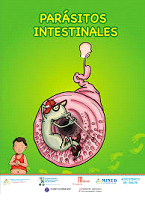
Intestinal helminthiasis, also known as intestinal worms, affects a minimum of 2 billion people worldwide and poses a significant threat to public health in regions where sanitation and hygiene are inadequate, as it is not a the most important preventive measures that we have as a first resource for the adequate hygiene of each individual and their family group, to avoid the increase and the vicious circle of said disease.
[IMAGE: https://cdn.steemitimages.com/DQmRcBoJ8fMLGfbmXsWPZKXtJTSsfp3UdL1Dog5PzBg7rxB/qqq.png]
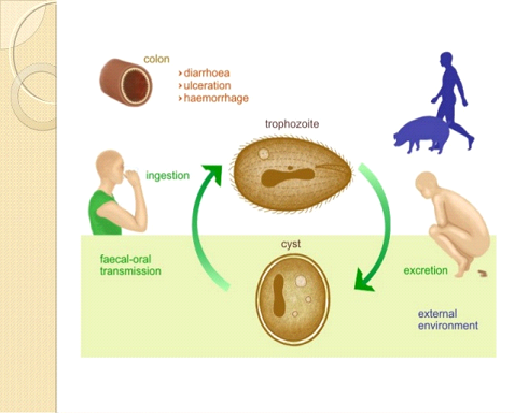
Its transmission is fecal-oral, being essential the washing of hands before and after going to the bathroom, before and after each meal; coupled with this the handling of food, the washing of vegetables, fruits and vegetables correctly for the prevention of transmission.
[IMAGE: https://cdn.steemitimages.com/DQmQsUFht494f34KtF1TPusX29hBjisWyQL8dkn5Q2MyhJe/aaa.png]

According to the WHO, intestinal parasites can cause malnutrition in children and decrease their chances of growing, developing and learning; since they generate certain food imbalances, which leads to failures in their development and school and physical performance.
The WHO noted that infected children receiving treatment show a dramatic increase in short and long-term memory, as well as their reasoning and reading comprehension skills.
Then, TO WASH YOUR HANDS
[IMAGE: https://cdn.steemitimages.com/DQmeNZx8cXU4gLLkApnAPez4KtQXsaMCt8bF8iRBbJPGLnK/cxcx.png]