For the gardener who’s been eagerly waiting for Spring, the fickle weather of late February and March can really play with the emotions. One day (or even week) it will be so sunny we can’t imagine not starting seeds. The next, it’s rainy and cold for days on end. Luckily there’s still plenty you can do in our Cascadian Maritime climate to get ready for the growing season.
[IMAGE: https://steemitimages.com/DQme41zZ8RZevVfR65Qimn1LqdvHKCVz4hTpX24voQmryui/seed-tray.jpg]
Seeds started in March will be ready to be planted out in April.
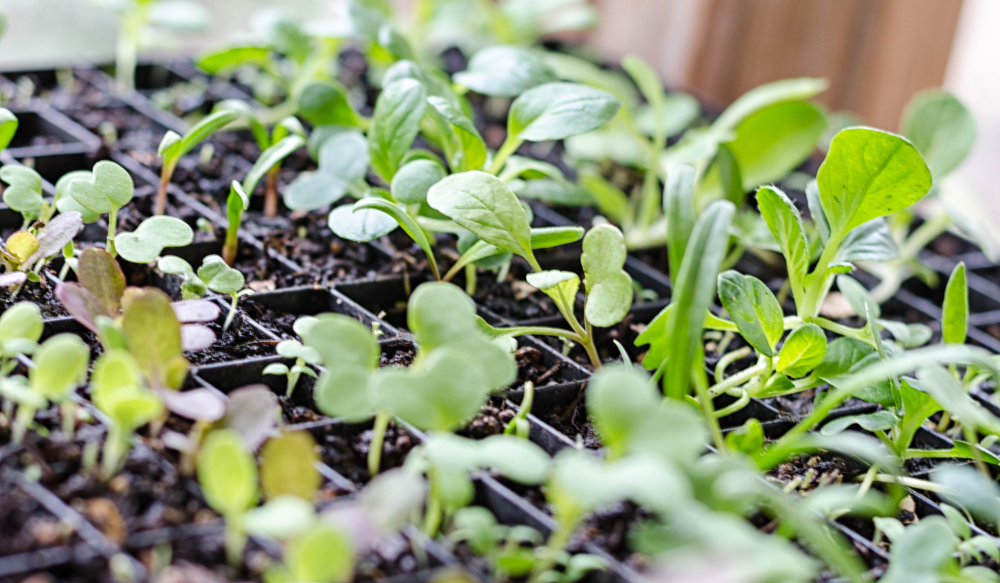
What to Start Indoors for Transplanting Later
Chives
Leeks
Lettuce
Green Onions
Celery
Parsley
Broccoli
Kale
Cabbage
Tatsoi
Bok Choy
Cauliflower
Spinach
Peppers (both sweet and hot)
Tomatoes
Tomatillos
(Personally, I think it’s still too cold in my greenhouse for peppers and tomatoes right now, but if you have a heating mat or you’re having warmer weather than here in mid-Oregon, go for it.)
[IMAGE: https://steemitimages.com/DQmVCxAnUdaHZtJTy8htWManVnpb5uTRV6dLQAKZYhR4xGC/coldframe.jpg]
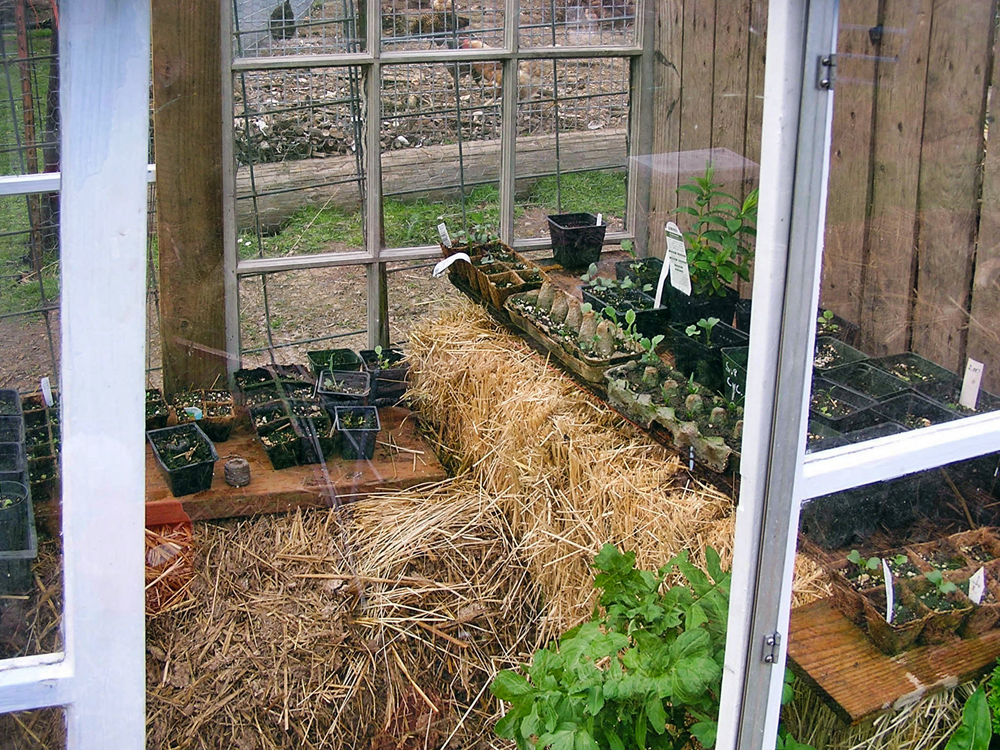
Don't have a greenhouse? No worries. You can build your own coldframes out of recycled windows. This one is made from strawbales in the back and underneath for insulation, pallets, and scavenged windows.
What You Can Plant Outdoors Throughout March
There’s plenty that can be planted outside right now. Just be ready to go on slug patrol—plants germinate slowly this time of year and are more susceptible to predation.
It’s still a great time to plant your spring peas. And don’t be surprised it they take a while to germinate—once the soil warms they’ll really take off, but until then, it may look like none will ever come up. Don’t worry—they will. Just be patient.
Green onion sets
Cilantro
Fennel
Sweet Cicely
Arugula
Radishes
Turnips
Spinach
Swiss Chard
Garbanzo Beans
Flax
Miner’s Lettuce
What to Sow Outside in Late March
Spuds, spuds, spuds! It’s time for potatoes and Jerusalem artichokes. These tubers will spend the next couple of weeks developing their root systems before emerging sometime in April. And take note, there are early, regular, and late potatoes. More on that in another post.
[IMAGE: https://steemitimages.com/DQmVjjAXXFyzASuhfXD8kJg9QmwWbykUDPRAF3q9dspwj14/cloche.jpg]
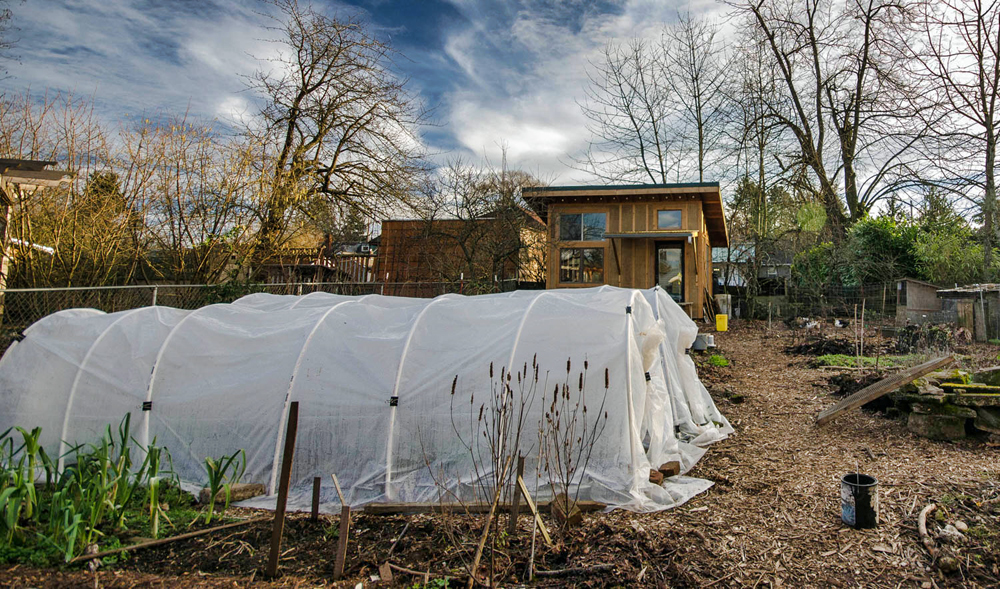
Cloches are easy to put up and are great season extenders. Use them to dry out and warm up your soil or to shelter semi-hardy plants.
What to Sow Under a Cloche
Carrots
Parsley
Arugula
Broccoli
Cabbage
Kale
Radishes
Mustard
Beets
Lettuce
Endive
[IMAGE: https://steemitimages.com/DQmYppxnveDqkLXDXnxRGbWLRSocXNfyaFUCWWmo5kU3dJ6/garlic-bed.jpg]
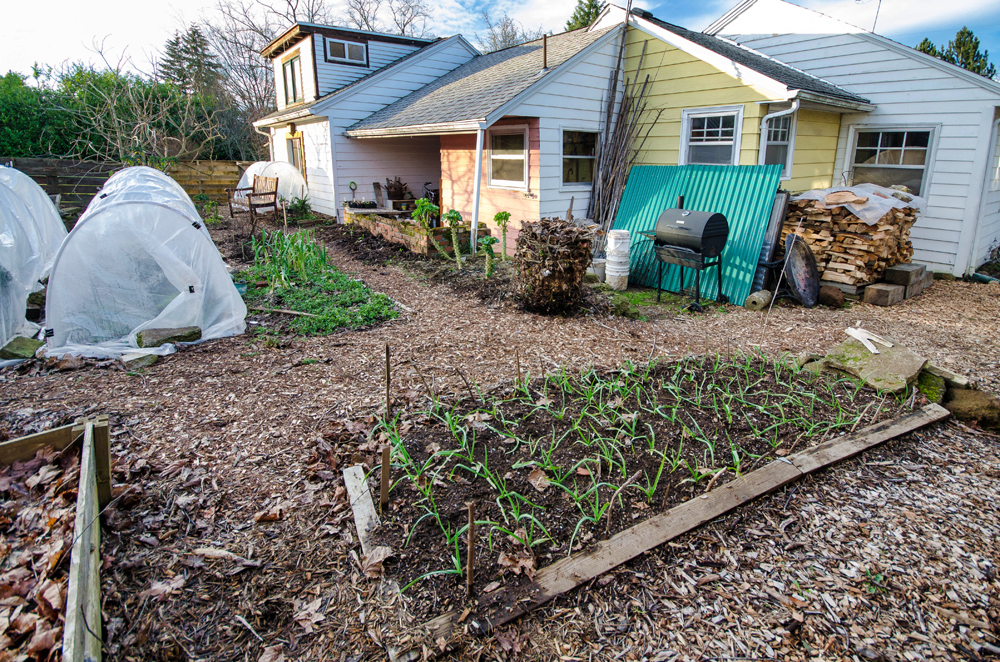
Garlic and onions hate competing with other plants. Even though it's wet outside, getting a jump on the weeding now will save you a lot of work down the road and make your alliums oh-so-much happier.
In the Garden
Put up some row covers to start drying out the soil so it can be worked sooner.
Add soil amendments to your beds (if you didn’t in the fall).
Finish winter pruning of trees and grapes.
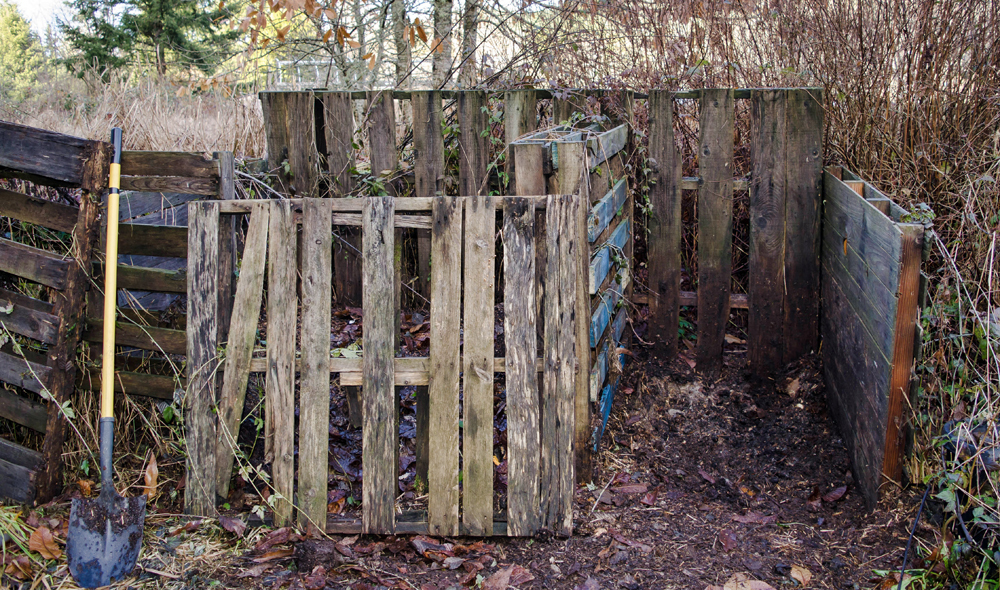
Make sure your compost pile is up and running.
Weed any garlic and onion beds that were fall planted.
[IMAGE: https://steemitimages.com/DQmS4WrsNhDVRp4wzGPZ2bpY1JbcYXZ1QUnknqmbvwdQUoL/compost-pallet.jpg]
Having a good working composting system will ensure that you have enough for creating soil for seed starting and for amending your spring beds.
Of course, if you live in warmer regions you mat be far ahead of us Cascadians. But for any northern Maritime climate, this schedule should more or less hold.
If you found this post helpful, please upvote and resteem!