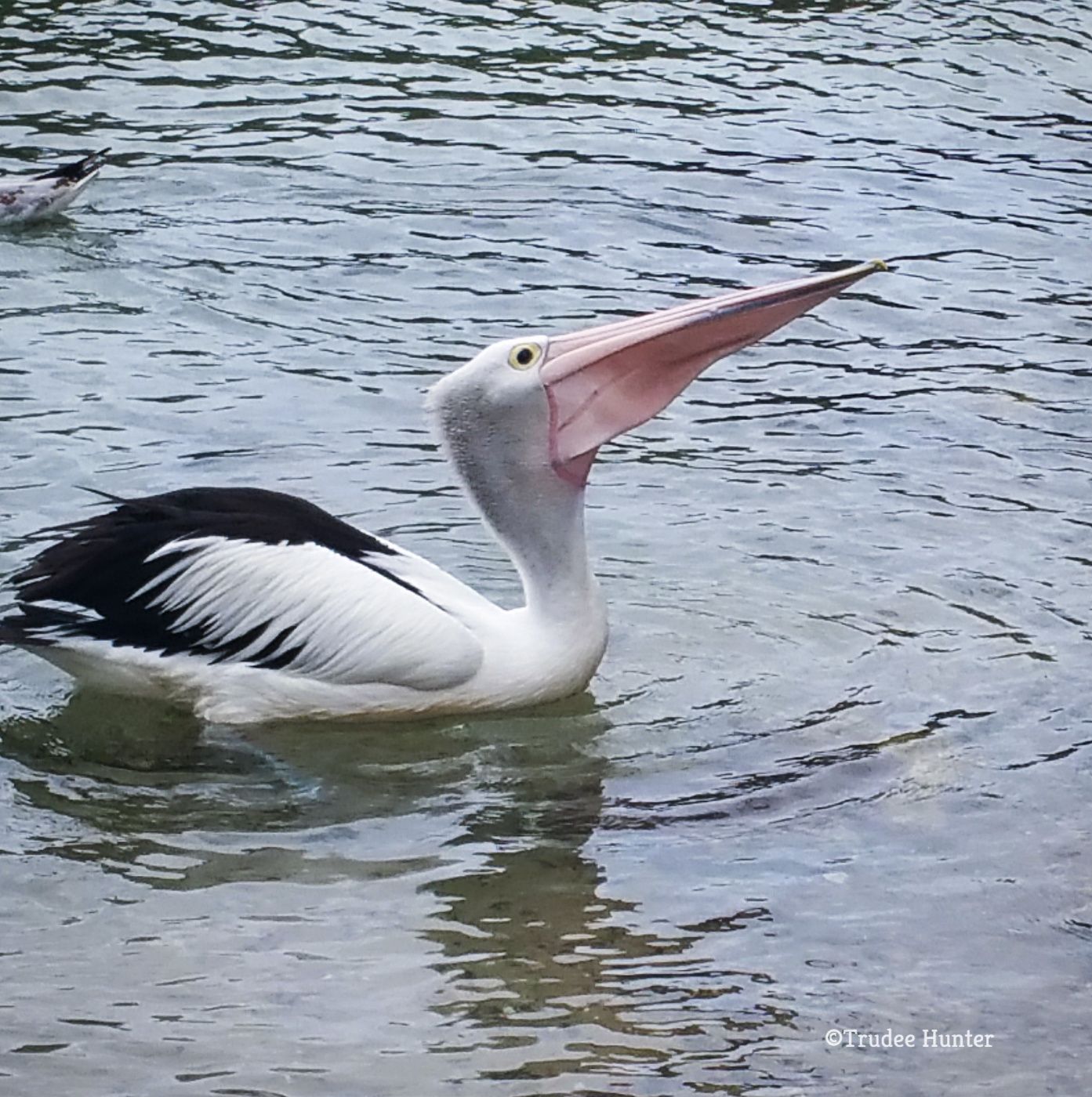
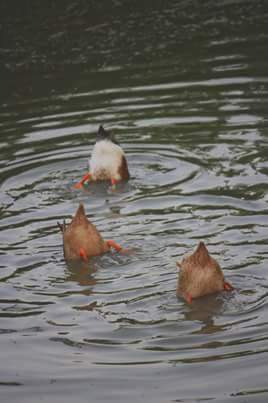
This is my entry for Saturday's #smartphonephotography challenge sponsored by @juliank
Australian pelicans are found throughout the country wherever there is fresh or salt water, estuaries, lakes, swamps, rivers, coastal islands and shores. Their most distinctive feature is their elongated bill with its huge throat pouch. They are very mobile, always on the lookout for food.
[IMAGE: https://steemitimages.com/DQmQ7ZCPWkQHrjWjVoPneVQUMJXQemXxnpTcaH5VvcRsAPH/WM%20rs%20pel%2010.jpg]
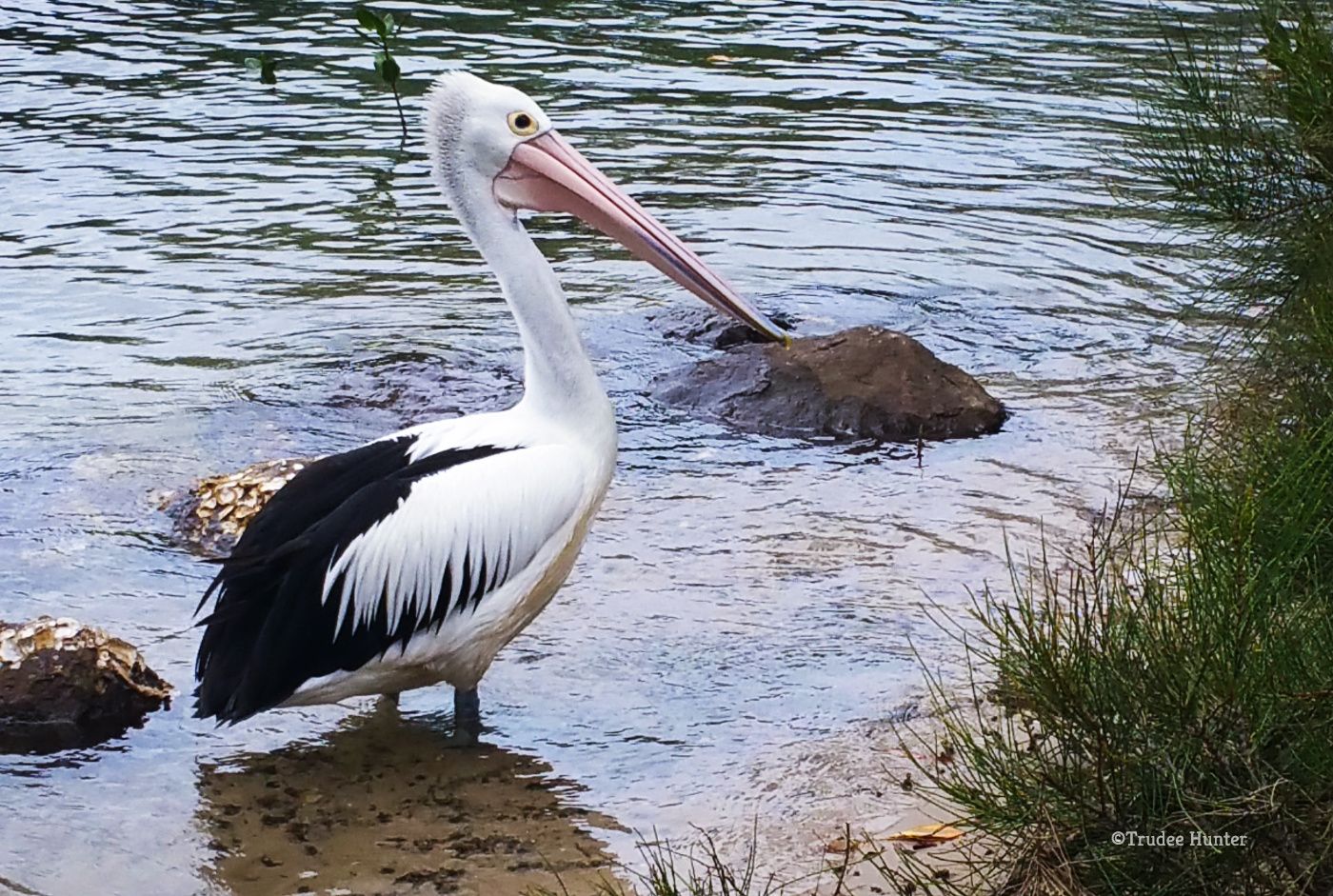
They cannot sustain lengthy periods of flying but can cover hundreds of kilometers over a 24 hour time span. By utilizing thermal air currents, they can reach high altitudes and can travel up to 56 km/per hour. When pelicans immerse their bills in water, they use their pouches as nets.
[IMAGE: https://steemitimages.com/DQmcp3qraQJf5to3mCg2HWXLAR3YRjhdzCjDNbZicv4F3SH/WM%20rs%20pel%208.jpg]
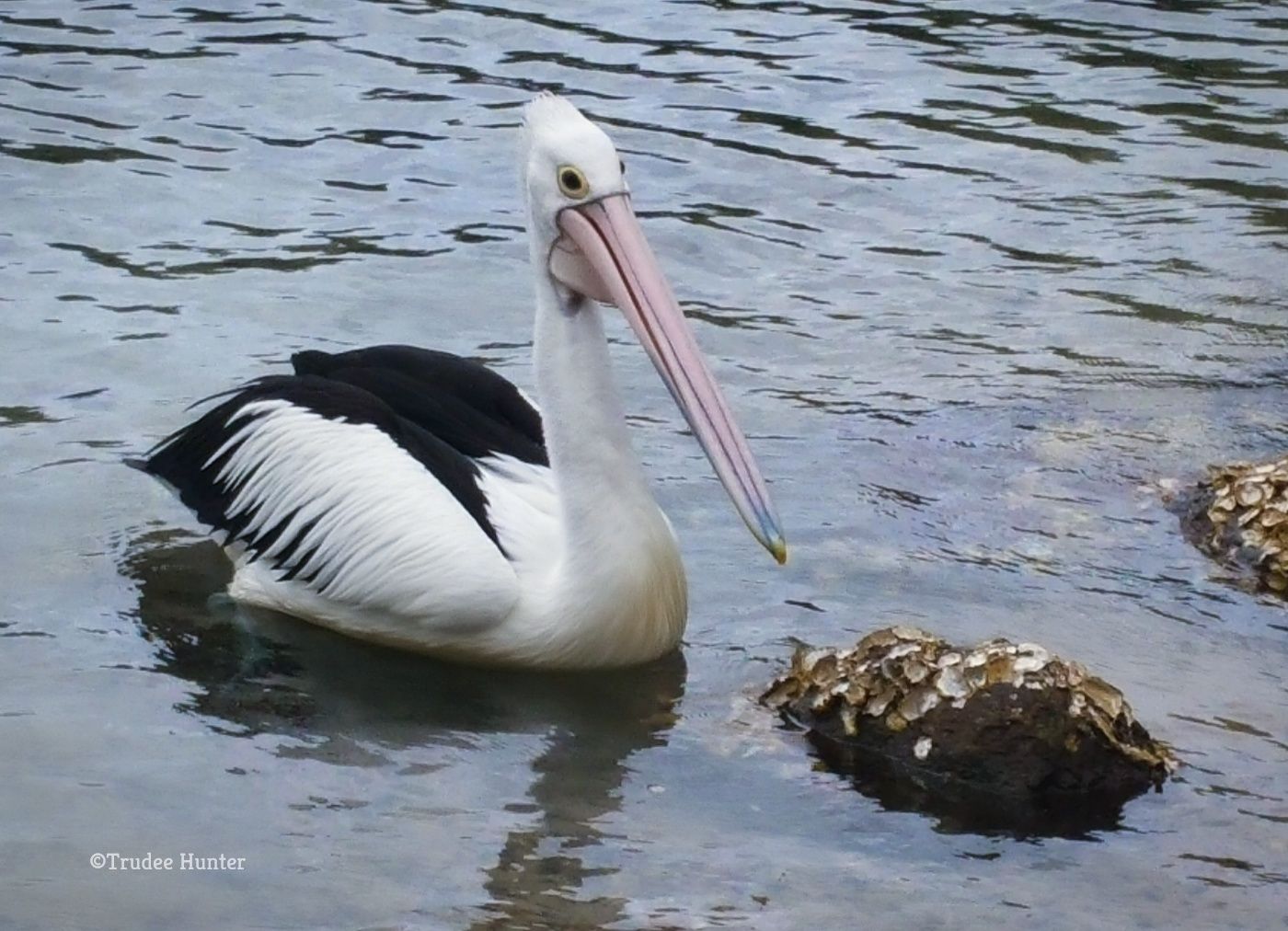
Australian pelicans will feed alone or in very large groups and when combining their efforts in a flock, they drive fish into a concentrated mass by using their bills and flapping their imposing wings. The fish are forced closer towards shallow waters, by the surrounding pelicans by using circular motions.
[IMAGE: https://steemitimages.com/DQmdNSri8X3KbsK5Ekxh5zd8bRNCPMr2RnSsY6mz241BsnA/WM%20rs%20pel%203jpg.jpg]